Is Non Stick Cookware Oven Safe
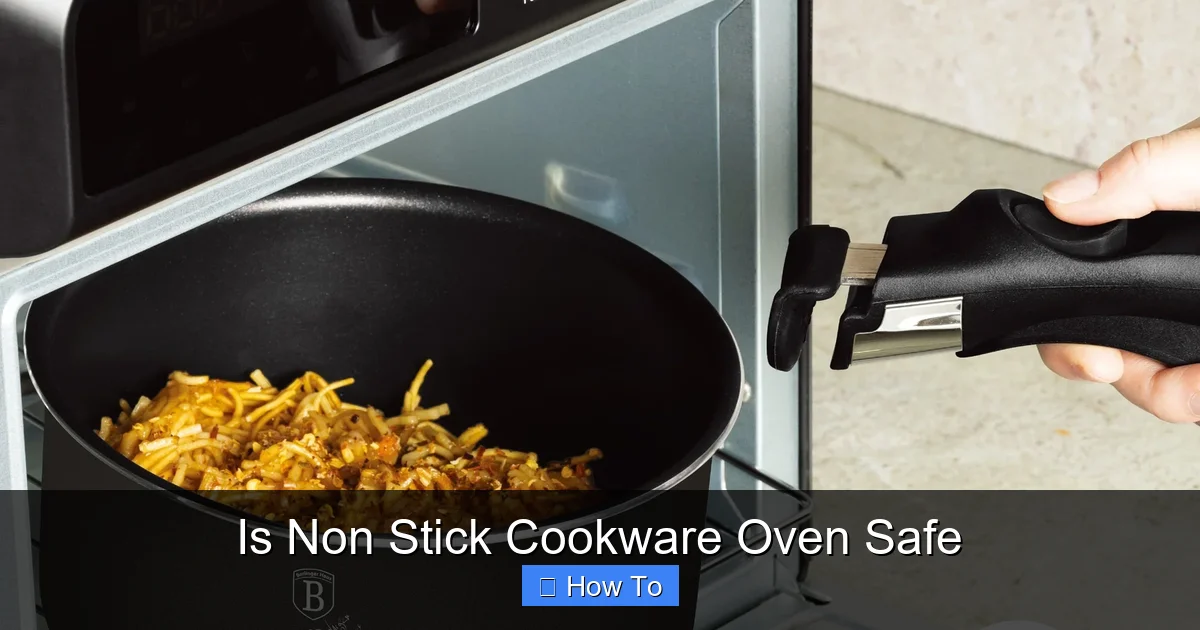
Is non stick cookware oven safe? The answer depends on the brand, material, and temperature limits. Many modern non stick pans are designed to handle oven heat, but exceeding those limits can damage the coating or release fumes. Always check manufacturer guidelines before using them in the oven.
Cooking in the oven is a great way to save time and add flavor to your meals. Many home cooks wonder if their favorite non stick pans can handle the heat. The question Is Non Stick Cookware Oven Safe comes up frequently, especially when recipes call for searing on the stove and finishing in the oven. Understanding the science behind the coating and the manufacturer’s recommendations can help you make the right choice without ruining your cookware or compromising your food’s taste.
Non stick coatings are designed to make food release effortlessly, but they aren’t all built the same way. Some can withstand high temperatures, while others begin to break down at relatively low heats. In this guide, we’ll explore the facts, debunk myths, and give you practical tips so you can cook with confidence. Whether you’re roasting vegetables or baking a casserole, knowing your pan’s limits is the first step to success.
Key Takeaways
- Point 1: Most non stick pans have temperature limits, often between 350°F and 500°F, depending on the coating quality.
- Point 2: Exceeding these limits can cause the non stick surface to degrade, bubble, or release harmful fumes.
- Point 3: Always check the manufacturer’s label or manual before placing any non stick cookware in the oven.
- Point 4: Some brands offer oven-safe non stick lines specifically designed for high-heat use.
- Point 5: Using metal utensils or sudden temperature changes can shorten the oven-safe lifespan of the pan.
- Point 6: If the handle is plastic or rubber, it’s usually not oven safe regardless of the pan coating.
- Point 7: When in doubt, choose oven-safe alternatives like cast iron or stainless steel for high-temperature recipes.
📑 Table of Contents
Understanding Non Stick Coatings and Oven Heat
Non stick cookware owes its popularity to the smooth surface that prevents food from sticking. However, that same surface can be sensitive to heat. Most non stick coatings are made from either polytetrafluoroethylene (PTFE) or ceramic materials. PTFE, often known by the brand name Teflon, can typically handle temperatures up to 500°F (260°C) before it begins to break down. Ceramic coatings vary more widely, with some rated for oven use up to 450°F and others not meant for the oven at all. The key takeaway is that the coating type determines the oven safety, not just the brand name. When heat exceeds the coating’s limit, the surface can discolor, flake, or release fumes that aren’t safe to breathe. This is why checking the specific material matters more than the price tag or style of the pan.
PTFE Coatings and Heat Tolerance
PTFE-based non stick pans are the most common in kitchens today. They offer excellent food release and are generally safe for oven use as long as you stay below the manufacturer’s temperature limit. Many PTFE pans are labeled oven safe up to 500°F, but this is usually for short durations. If you preheat an empty pan or exceed 500°F, the coating can start to degrade. Always add food or oil before heating, and never use these pans under a broiler, which can far exceed safe temperature ranges.
Ceramic Coatings and Their Limits
Ceramic non stick coatings have gained popularity for being free of PTFE and PFOA. However, they often have lower heat tolerance than PTFE. If you love ceramic for its eco-friendly profile, just double-check the oven rating before sliding it into the rack, especially if you’re seeking non stick cookware oven safe options. Many ceramic pans are oven safe up to 400°F or 450°F, but some budget options may only be safe for stovetop use. The porous nature of ceramic can also mean that sudden temperature changes, like moving from a hot oven to a cold sink, may cause cracking.
Temperature Limits and Manufacturer Guidelines
Every non stick pan comes with specific recommendations, and ignoring them is the fastest way to ruin your cookware. Manufacturers usually print the maximum oven temperature on the bottom of the pan or on the packaging. If you can’t find it, a good rule of thumb is to stay below 350°F for general baking and avoid anything above 500°F unless the manual explicitly allows it. The phrase non stick cookware oven safe is often used in marketing, but the actual rating depends on the coating, handle material, and construction quality. Some brands design entire lines specifically for oven use, while others sell pans that are strictly stovetop. When in doubt, visit the manufacturer’s website or call customer service—it’s a quick step that can save you from a melted handle or a damaged coating.
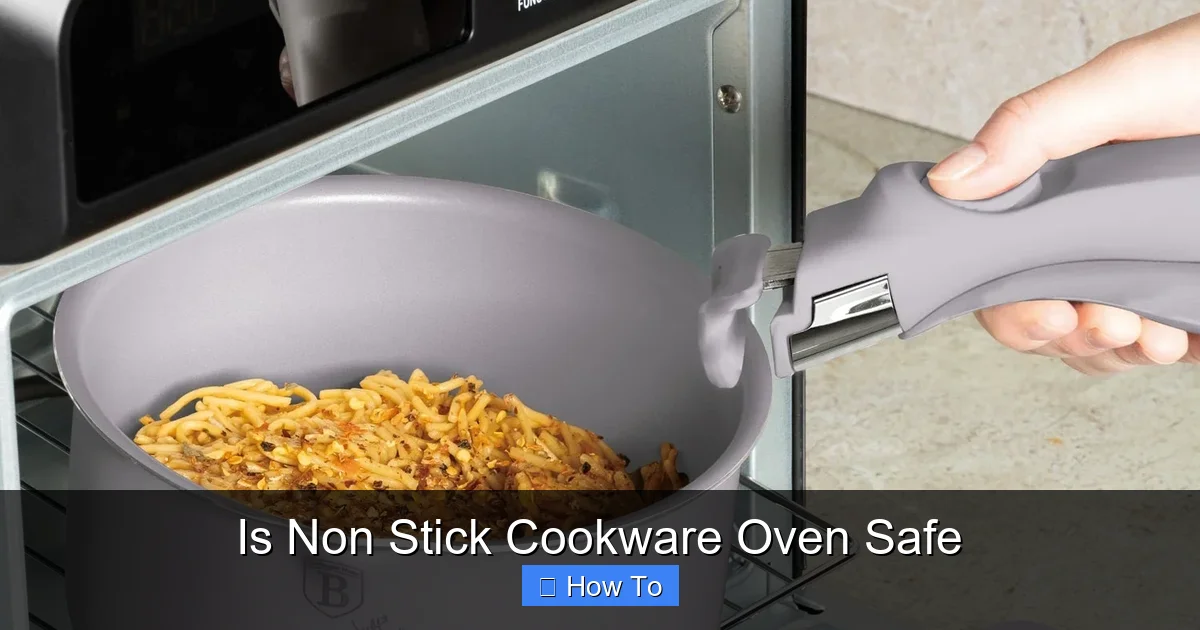
Visual guide about Is Non Stick Cookware Oven Safe
Image source: brandshoc.co.za
Reading the Fine Print on Packaging
The packaging of your non stick pan is the first place to look for oven safety information. Look for symbols like an oven icon or text that says “oven safe up to X degrees.” If the label is missing or faded, assume the pan is not oven safe, especially if the handle has plastic or rubber components. Some manufacturers also provide PDF manuals online, so keep the model number handy. Remember that even if the coating is oven safe, the handle might not be, and a single melted part can make the entire pan unusable in the oven.
Common Temperature Ratings Across Brands
While there’s no industry-wide standard, many popular brands cluster around specific temperature limits. Mid-range non stick pans often rate between 350°F and 450°F, while premium lines may reach 500°F or slightly higher. Budget brands sometimes advertise oven safety but test only for short exposures, so frequent oven use can still wear out the coating faster. Comparing your pan’s rating against others in the same price range gives you a realistic expectation of how long it will last under oven heat. Always prioritize the specific model’s data over general assumptions.
Signs Your Non Stick Pan Isn’t Oven Safe
Even if a pan looks fine, there are subtle clues that it hasn’t been designed for oven use. Discoloration on the cooking surface after a single oven session is a red flag that the heat was too intense. If you notice the non stick coating bubbling, peeling, or flaking off during or after heating, stop using the pan in the oven immediately. These signs mean the coating structure has begun to break down, which can contaminate food and reduce the pan’s non stick performance forever. Another warning sign is a handle that feels soft, warped, or shows melt marks after oven use. Plastic or rubber handles are common culprits that aren’t rated for high heat, even if the pan body could handle it. Lastly, if you ever hear popping or sizzling sounds coming from the pan while it’s in the oven, turn off the heat right away—those sounds often signal coating degradation or moisture escaping from the surface. Trust your senses; if something looks or sounds off, it’s better to transfer your food to an oven-safe alternative.
Visual Clues After Oven Use
After removing a non stick pan from the oven, place it on a heat-resistant surface and inspect the coating. Look for any white or cloudy residue, which can indicate that the coating has started to vaporize or break down. Dark blotches or uneven coloring suggest hot spots that exceeded the coating’s tolerance. If the surface looks glossy but feels rough, the smooth finish may have been compromised. These visual signs aren’t always immediate, so make it a habit to check your pans after any oven experiment, especially if you pushed the temperature higher than recommended.
Olfactory and Textural Warnings
Fumes from an overheated non stick coating can smell sharp, chemical, or slightly sweet—similar to burnt plastic. If you detect this odor while the pan is in the oven or shortly after opening the door, ventilate the area immediately and avoid using that pan for food again. The fumes can cause flu-like symptoms known as polymer fume fever, especially in birds, but people can feel the effects too. Texturally, food may start sticking more than usual even when the pan is cool, because the non stick layer has thinned or developed tiny cracks. These changes affect both safety and cooking performance, making it clear the pan has reached the end of its oven-safe life.
Best Practices for Using Non Stick Cookware in the Oven
If your non stick pan is rated for oven use, following a few simple habits can extend its life and keep your food tasting great. Always preheat the pan with food or oil already inside—never heat an empty non stick pan in the oven, as this can quickly push the temperature past the coating’s limit. Use low to medium heat settings rather than blasting on high, even if the pan is rated for 500°F, because sustained high heat still causes gradual wear. Place the pan on a middle rack for even air circulation, and avoid touching the sides of the oven, which can be hotter than the center. Finally, let the pan cool naturally on the counter rather than running it under cold water right after oven use, as sudden temperature shifts can warp the base or crack the coating.
Preheating With Food or Oil
The golden rule for oven-safe non stick use is to never preheat the pan empty. Adding food, vegetables, or a thin layer of oil distributes heat more evenly and keeps the surface temperature below the critical breakdown point. If a recipe calls for searing meat on the stove before moving to the oven, do the stovetop sear first, then transfer the pan with the meat and any accumulated juices already in it. This method protects the coating and ensures your meat browns beautifully without risking damage from dry, intense heat.
Monitoring Time and Temperature
Even an oven-safe non stick pan has limits on how long it can stay at high heat. For most pans, staying under 450°F for 20 to 30 minutes is safe, but exceeding that time frame can accelerate coating degradation. Set a timer when using the oven, and check the recipe’s temperature requirements against your pan’s rating. If your recipe needs 400°F for 45 minutes, consider lowering the oven temperature to 375°F and extending the cooking time slightly, or use a different pan better suited for long, slow baking. This approach balances convenience with non stick cookware oven safe longevity.
When to Choose Alternative Cookware for Oven Tasks
There are plenty of times when non stick just isn’t the best tool for the job, and that’s perfectly okay. For recipes requiring temperatures above 500°F, such as broiling or high-heat roasting, stainless steel or cast iron are far more reliable choices. These materials can handle extreme heat without coating concerns, and they often develop a natural non stick surface through seasoning over time. If you’re cooking acidic foods like tomatoes or lemon-based dishes, non stick coatings can sometimes react or degrade faster, so enameled cast iron or glass bakeware might be a safer bet. Knowing when to swap your pan not only protects your cookware but also opens up new cooking possibilities in your oven.
Cast Iron and Enameled Options
Cast iron is the workhorse of oven cooking, capable of handling temperatures well above 900°F without any issues. Its heavy construction provides steady, even heat that’s perfect for braising, baking bread, or roasting meats. Enameled cast iron adds a colorful, non reactive surface that handles acidic foods beautifully, making it ideal for stews, casseroles, and fruit-based desserts. While cast iron doesn’t have the instant non stick quality of coated pans, proper seasoning or the enamel itself creates a naturally smooth surface that releases food well. Plus, it can go from stovetop to oven to table seamlessly, making it a versatile addition to any kitchen.
Stainless Steel and Aluminum Pans
Stainless steel pans are another oven-safe workhorse, often safe up to 500°F or more, depending on the handle material. They heat up faster than cast iron and are excellent for recipes that need a quick burst of high heat, like searing a then-finishing-in-the-oven technique. Aluminum pans, especially anodized ones, offer excellent heat conductivity and are often oven safe, but check the handle rating just like with non stick. Stainless steel and aluminum also develop a fond, the browned bits that form on the bottom, which can be deglazed into a delicious sauce—a flavor boost non stick pans can’t provide. If you frequently cook dishes that benefit from deep, caramelized flavors, these alternatives will serve you well.
So, is non stick cookware oven safe? The answer isn’t a simple yes or no—it depends on the coating type, temperature rating, and handle construction. By understanding your pan’s limits and following best practices, you can safely use non stick cookware for many oven tasks without sacrificing performance or safety. Always check the manufacturer’s guidelines, respect temperature boundaries, and don’t hesitate to reach for cast iron or stainless steel when the heat rises beyond what your non stick pan can handle. With these tips in mind, you can confidently decide which pan to pull from the cabinet for your next oven recipe, ensuring delicious results every time.
Remember, the key to successful cooking is matching the right tool to the right task. Your non stick pans have a valuable place in the kitchen, especially for moderate-temperature baking and roasting. But when the recipe calls for high heat, listening to the manufacturer’s recommendations and knowing your alternatives will keep both your food and your cookware in top shape. Happy cooking!
Frequently Asked Questions
Can all non stick pans go in the oven?
Not all non stick pans are created equal, and many have specific temperature limits that prevent them from being oven safe. Always check the manufacturer’s guidelines before placing any pan in the oven, as using the wrong pan can damage the coating or release harmful fumes.
What is the typical temperature limit for non stick cookware in the oven?
Most non stick cookware is rated for oven use between 350°F and 500°F, depending on the coating material and brand. Exceeding these limits can cause the non stick surface to degrade, bubble, or peel, so it’s crucial to stay within the recommended range.
How can I tell if my non stick pan is oven safe?
Look for an oven-safe symbol or temperature marking on the bottom of the pan or on the packaging; if neither is present, assume the pan is not oven safe, especially if the handle contains plastic or rubber components that may melt.
What should I do if my non stick pan discolors in the oven?
Discoloration often signals that the coating has been exposed to temperatures beyond its safe limit, which can compromise both safety and performance. Once a pan shows signs of discoloration, flaking, or bubbling, it’s best to retire it from oven use and replace it with a new one.
Can I use metal utensils with non stick cookware in the oven?
Using metal utensils on non stick cookware is risky enough on the stovetop, and doing so in the oven can scratch or damage the coating even faster due to higher heat. It’s safer to use wooden or silicone utensils and avoid any metal tools that could compromise the non stick surface.
What are the best alternatives to non stick cookware for high-heat oven cooking?
Cast iron, enameled cast iron, and stainless steel are excellent alternatives for high-heat oven tasks, as they can withstand temperatures well above 500°F without coating concerns. These materials also provide even heat distribution and can develop natural non stick properties through seasoning or enamel.