Can You Decarb Weed in Toaster Oven
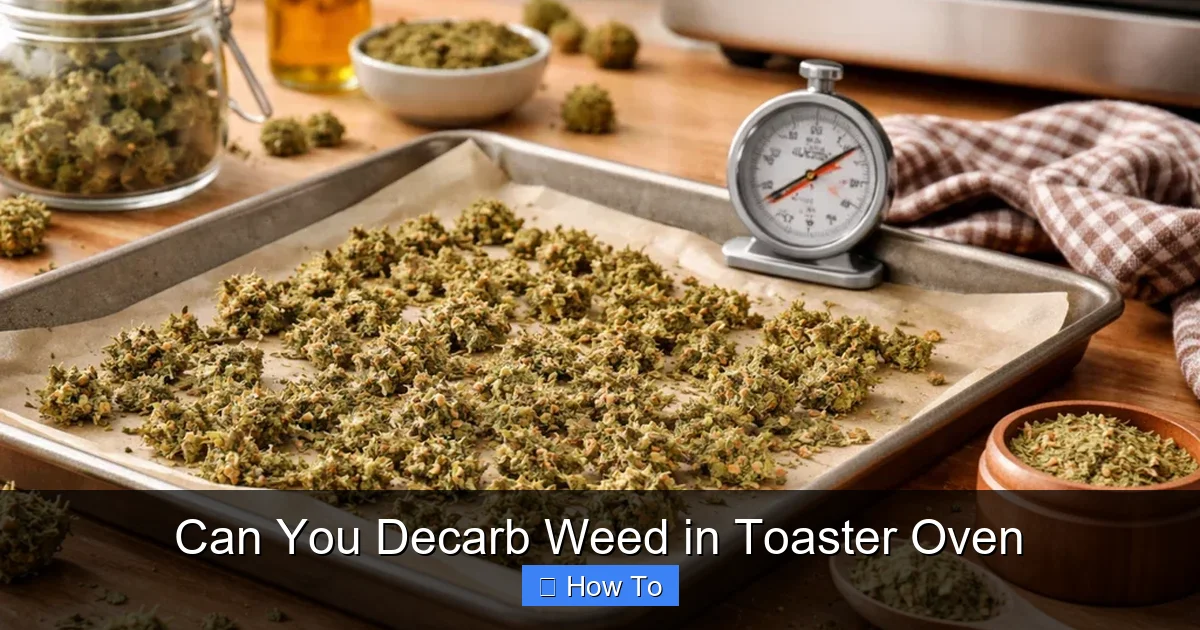
Yes, you can decarb weed in a toaster oven. This method is quick, easy, and works great for activating THC in batches for your favorite edibles.
If you’ve ever wondered whether your toaster oven can handle the job, you’re not alone. Many cannabis enthusiasts ask, “Can You Decarb Weed in Toaster Oven” because they want a simple, affordable way to activate THC without buying expensive equipment. The good news? Yes, you absolutely can, and it’s easier than you might think. In this post, we’ll walk you through exactly how to do it safely, the science behind why it works, and the common pitfalls to avoid so your edibles turn out potent and delicious every single time.
Decarboxylation, or ‘decarbing’ for short, is the chemical process that turns non-psychoactive THCA into active THC. Raw cannabis contains mostly THCA, which won’t get you high no matter how much you eat. Heat triggers a molecular reaction that removes a carboxyl group, unlocking the psychoactive properties. Without this step, your brownies, gummies, or cookies will barely budge your tolerance. That’s why figuring out the right method matters so much, especially when you’re working with a kitchen staple like a toaster oven.
If you’re ready to try it yourself, you’re in the right place. We’ll cover everything from the ideal temperature and timing to storage tips that keep your decarbed weed fresh and potent. By the end, you’ll feel confident turning your raw buds into kitchen-ready activated cannabis.
Key Takeaways
- Point 1: You can absolutely decarb weed in a toaster oven, but temperature control is everything—keep it between 220°F and 240°F to activate THC without burning it.
- Point 2: A steady, low heat is far better than cranking the dial high; too much heat degrades cannabinoids and ruins flavor.
- Point 3: Always grind your cannabis coarsely and spread it in a single layer on parchment paper for even decarbing.
- Point 4: Set a timer—usually 30 to 40 minutes is enough, but check your strain since potency and moisture content vary.
- Point 5: Let the decarbed weed cool completely before storing it in an airtight container to preserve potency and prevent moisture loss.
- Point 6: Never skip the decarb step if you’re making edibles; raw cannabis won’t get you high no matter how much you use.
📑 Table of Contents
- What Is Decarboxylation and Why Your Edibles Depend on It
- Can You Decarb Weed in a Toaster Oven? The Honest Answer
- Choosing the Right Toaster Oven Settings for Decarbing
- Step-by-Step Guide to Decarbing Weed in a Toaster Oven
- Common Decarbing Mistakes and How to Avoid Them
- Using Your Decarbed Cannabis in Recipes
- Conclusion: Confidently Decarb Weed in Your Toaster Oven
What Is Decarboxylation and Why Your Edibles Depend on It
The Science of THC Activation
Decarboxylation, often shortened to “decarbing,” is the heat-activated chemical reaction that transforms THCA, the abundant non-psychoactive compound in raw cannabis, into THC, the molecule responsible for the high. When you heat cannabis, a carboxyl group breaks off and escapes as carbon dioxide. This simple shift changes everything: a raw bud sprinkled on top of a salad won’t produce the same effects as one that’s been gently heated. Understanding this process is the first step toward making edibles that work consistently and predictably.
Most people don’t realize that THCA converts to THC only within a specific temperature window. Too little heat, and the transformation is incomplete. Too much, and you burn off the very compounds you’re trying to activate. That balance is why the method you choose—whether a mason jar in an oven, a specialized decarboxylator, or a trusty toaster oven—matters so much for your final result.
If you’ve ever wondered, “Can You Decarb Weed in Toaster Oven,” you’re already thinking about the practical side of things. The toaster oven is a favorite among home cooks because it preheats quickly, holds heat relatively steady, and doesn’t require a full-sized kitchen appliance for small batches. But as with any heat source, knowing the right settings makes all the difference between a potent batch and wasted herb.
Can You Decarb Weed in a Toaster Oven? The Honest Answer
Yes, With the Right Settings
The short answer is a resounding yes. Home cooks have been using toaster ovens for years to activate their cannabis, and with a little know-how, you can achieve results comparable to a dedicated device. The key is temperature control. Most experts recommend staying in the 220°F to 240°F range. This window is hot enough to decarb efficiently but cool enough to preserve the delicate terpenes that give cannabis its aroma and flavor.
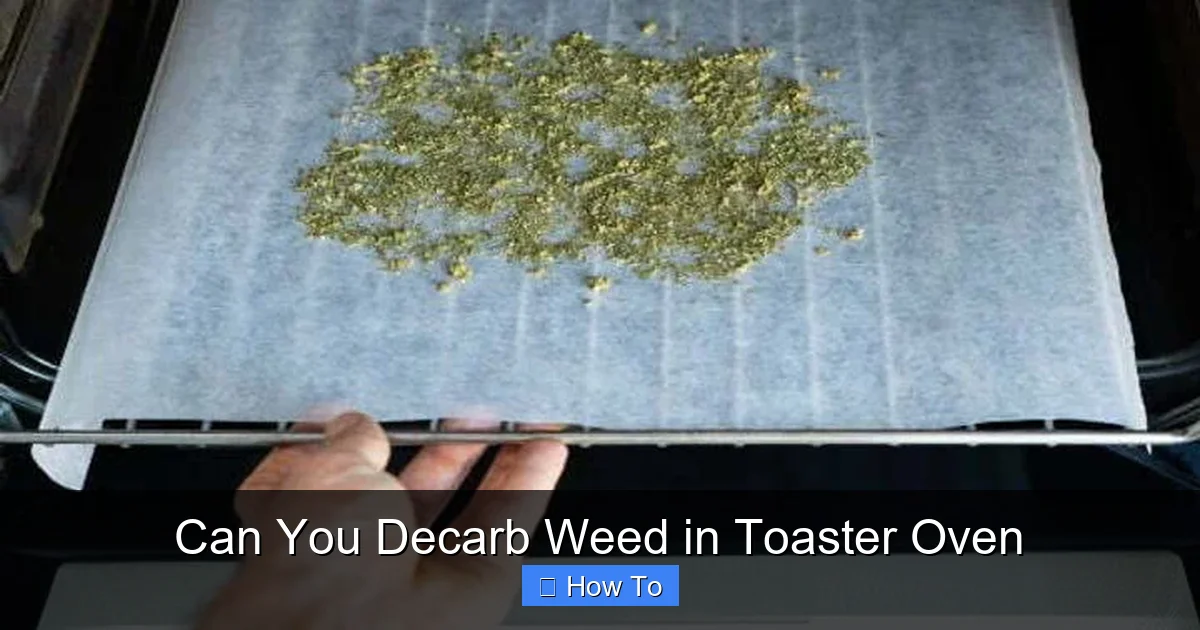
Visual guide about Can You Decarb Weed in Toaster Oven
Image source: static.wixstatic.com
If you crank the heat too high, you risk degrading THC into CBN, which has a sedative effect and less of the uplifting buzz you might want. On the flip side, if the temperature is too low, you’ll end up with partially activated cannabis that won’t deliver the desired punch. Timing also plays a supporting role; most strains need between 30 and 40 minutes in that sweet spot, though denser nugs may lean toward the longer end.
Another factor to consider is the toaster oven itself. Not all models are created equal. Some have analog dials that are notoriously inaccurate, while others have digital thermostats that hold a more consistent temperature. Investing in an inexpensive oven thermometer can save you a world of guesswork and help you dial in the perfect setup for your specific machine.
Choosing the Right Toaster Oven Settings for Decarbing
Temperature Matters More Than You Think
When it comes to decarbing in a toaster oven, the temperature setting is your most important knob. The 220°F to 240°F range is widely cited as the gold standard, but why? At 220°F, the conversion of THCA to THC happens steadily over about 40 minutes. Raise it to 240°F, and you might shave off a few minutes, but you also increase the chance of overheating the outer layers of your herb.
Consistency is the name of the game. A toaster oven with a faulty thermostat can swing 20 degrees or more above or below the set temperature, which is why preheating and checking with an oven-safe thermometer is a move worth making. Place the thermometer on the rack where your cannabis will sit, and give the oven a few minutes to stabilize before adding your material.
Altitude and humidity can also play subtle roles. If you live in a high-elevation area, water boils at a lower temperature, which can indirectly affect how heat transfers to your cannabis. While the effect is minor for decarbing, it’s one more reason to keep a close eye on your timer and temperature readout, especially the first few times you try the method.
Strain selection also influences your settings. Some strains are naturally denser and more resinous, meaning they might hold moisture longer and require a minute or two extra. Others are airy and dry faster. Keeping a small notebook of your results—temperature, time, strain—will help you replicate your best batches every time.
Step-by-Step Guide to Decarbing Weed in a Toaster Oven
What You Need
Before you start, gather a few basic items. You’ll need raw cannabis flower, a baking sheet or small oven-safe dish, parchment paper, and of course, your toaster oven. Parchment paper is non-negotiable; it prevents the sticky trichomes from sticking to the metal and makes cleanup a breeze. If you have a silicone mat, that works beautifully too.
The Process in 5 Simple Steps
- Preheat your toaster oven to 225°F. Give it about five minutes to reach a steady temperature.
- Grind your cannabis coarsely using a grinder or your fingers. You want pieces small enough to heat evenly, but not so fine that they turn into dust and fly around the oven.
- Spread the ground weed in a single layer on the parchment-lined baking sheet. Make sure the pieces aren’t piled on top of each other; even heating is the goal.
- Place the sheet in the oven and set a timer for 35 minutes. Halfway through, gently stir or shake the pan so every piece gets equal exposure.
- Remove and let it cool completely before handling or storing. The cannabis will look slightly darker and feel crispier when it’s done.
Following these steps consistently will give you a reliable decarb that you can use in everything from cannabutter to cookie dough. The whole process takes under an hour from start to finish, and the result is potent, activated cannabis ready for your favorite recipes.
Common Decarbing Mistakes and How to Avoid Them
Too Hot, Too Long
One of the most frequent errors is setting the temperature too high and walking away. It’s tempting to think “more heat, faster result,” but in decarbing, that logic backfires. Temperatures above 250°F can start to vaporize THC and burn off the flavorful terpenes, leaving you with cannabis that’s browned but significantly less potent. Set a timer, stick to the 220°F-240°F window, and never exceed 260°F under any circumstance.
Skipping the Grind or Spreading Too Thin
Another pitfall is either not grinding the cannabis at all or grinding it so fine that it becomes powder. Uneven pieces mean some parts overcook while others stay raw. Aim for a coarse, consistent grind. Similarly, spreading the herb too thin across the tray can lead to burning in spots; a single layer with a little breathing room between pieces is ideal.
Not letting the cannabis cool before use or storage is a mistake too. Hot cannabis continues to cook slightly, and storing it while warm can trap moisture, leading to mold later. Always transfer your decarbed weed to an airtight container only after it reaches room temperature. This simple habit preserves potency and keeps your stash fresh for weeks.
Using Your Decarbed Cannabis in Recipes
Decarboxylated Weed vs. Raw: Taste and Potency
Once your cannabis is decarbed, it’s ready to shine in the kitchen. The flavor profile shifts dramatically: raw cannabis has a grassy, almost vegetal taste, but after heating, it becomes nuttier and more toasted. This change makes it a fantastic addition to brownies, cookies, or even savory sauces. The potency is now active, meaning you can calculate your dosage more accurately—a huge advantage for anyone making edibles for themselves or friends.
Many beginners start by decarbing a small batch and then infusing it into butter or oil. The decarbed herb can be stirred directly into melted butter on low heat, or you can use it as a base for tinctures. Remember that the fat in butter or oil helps carry the THC throughout your recipe, ensuring each bite delivers a consistent experience. Start with a small test portion, wait about an hour, and gauge the effects before scaling up your next batch.
If you’re curious about other methods, know that toaster ovens aren’t the only option. Some people prefer using a regular oven in a mason jar, a slow cooker, or even a sous-vide setup. Each has its merits, but the toaster oven remains one of the most accessible, fastest, and most effective tools for home users. The method you choose should fit your lifestyle, your equipment, and, of course, your answer to “Can You Decarb Weed in Toaster Oven.”
Conclusion: Confidently Decarb Weed in Your Toaster Oven
Decarbing weed in a toaster oven is not only possible—it’s one of the most practical approaches for home cooks who want reliable results without investing in specialized gear. By keeping the temperature in the 220°F to 240°F range, timing your batch for 30 to 40 minutes, and following the simple steps outlined above, you’ll consistently activate THC without wasting your herb. The key is patience, attention to detail, and a willingness to experiment a little until you find the perfect setup for your taste and tolerance.
Now that you have the knowledge, there’s no reason to leave your cannabis raw. Fire up that toaster oven, follow the guide, and get ready to enjoy edibles that pack the punch you’re looking for. Happy baking!
Frequently Asked Questions
Can you decarb weed in a toaster oven without parchment paper?
Yes, you can, but parchment paper is highly recommended to prevent the sticky trichomes from adhering to the baking sheet and making cleanup difficult. Without it, you might lose valuable cannabinoids to the metal surface. If you don’t have parchment, lightly greasing the tray with oil can work as a alternative, though it may alter the texture slightly.
What is the ideal temperature to decarb weed in a toaster oven?
The sweet spot sits between 220°F and 240°F. This range activates THC efficiently while preserving the terpenes responsible for flavor and aroma. Going above 250°F risks degrading the cannabinoids and turning your potent herb into something more sedative. Consistency matters more than extreme heat for the best results.
How long should you decarb weed in a toaster oven?
Most cannabis strains require 30 to 40 minutes at the recommended temperature, but the exact time can vary based on bud density and moisture content. Denser nugs may benefit toward the 40-minute mark, while lighter, drier cannabis might be ready in 30. Always check the color and texture after the timer goes off—it should look darker and feel slightly crisp.
Do you need to grind weed before decarbing in a toaster oven?
Yes, grinding coarsely is ideal for even heating. If you leave the buds whole, the outer layers may overdecarb while the center remains raw, leading to inconsistent potency. A coarse grind exposes more surface area to the heat, ensuring the THCA converts uniformly across every piece. Just avoid grinding so fine that the material becomes dust.
Can you decarb weed in a toaster oven and then freeze it?
Absolutely, you can freeze decarbed weed, but it’s essential to let it cool to room temperature first and store it in an airtight container or vacuum-sealed bag. Freezing while warm traps moisture, which can lead to freezer burn or mold over time. When stored properly, frozen decarbed cannabis maintains its potency for several months.
Will decarbing weed in a toaster oven make it smell up the house?
Yes, decarbing does produce a distinct cannabis aroma, though it’s generally less intense than smoking or vaping. The smell comes from the activated terpenes being released into the air. To minimize the scent, run a fan, open a window, or decarb in a well-ventilated area. Some people also place the toaster oven near a kitchen vent or use a small air purifier nearby.