Budget Cookware
Looking for affordable cookware that actually works? This guide breaks down the best budget cookware options, how to choose the right set, and simple maintenance tricks so you can cook like a pro without breaking the bank. Save money, cook better, and enjoy lasting performance.
Key Takeaways
- Material matters: Aluminum, stainless steel, and cast iron each offer unique benefits at low price points.
- Non‑stick vs. stainless: Decide early whether easy release or durability is your priority.
- Set vs. individual pieces: Buying a set can save money, but single pieces let you customize.
- Maintenance saves money: Proper cleaning and storage extend the life of cheap pans.
- Watch for hidden costs: Some “budget” sets aren’t dishwasher safe or have flimsy handles.
- Read reviews and compare: Use trusted round‑ups like the best hard‑anodized dishwasher‑safe cookware set for guidance.
- Upgrade gradually: Start with a few versatile pieces and add specialty pans as your skills grow.
📑 Table of Contents
- Why Budget Cookware Deserves a Spot in Your Kitchen
- Understanding the Core Materials
- Choosing the Right Set for Your Cooking Style
- Practical Tips to Extend the Life of Budget Cookware
- When to Upgrade – Signs Your Budget Cookware Needs a Replacement
- Saving Money Without Sacrificing Quality
- Conclusion
Why Budget Cookware Deserves a Spot in Your Kitchen
Everyone loves the feeling of a new set of pots and pans, but not everyone has a six‑figure budget for kitchen gear. Budget cookware fills the gap between “cheap and useless” and “premium and pricey.” When you pick the right pieces, you get reliable heat distribution, easy cleanup, and a look that doesn’t scream “discount.” The key is knowing what to look for and where to save.
In this guide we’ll walk through the most common materials, the best types of sets for different cooking styles, and practical tips to keep your budget gear performing for years. Think of it as a friendly chat over a cup of coffee, with plenty of real‑world examples and a few insider shortcuts.
Understanding the Core Materials
Aluminum – Light, Conductive, and Affordable
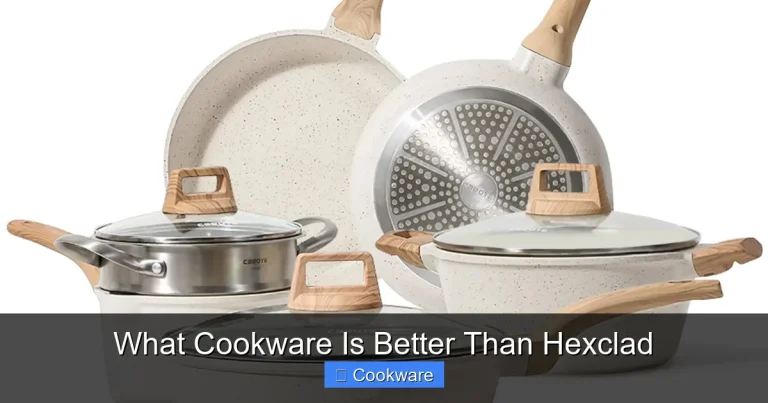
Aluminum is the workhorse of budget cookware. It heats quickly and spreads heat evenly, which means fewer hot spots and more consistent results. Most low‑cost aluminum pans are anodized, giving them a harder, non‑reactive surface that resists scratches.

Visual guide about Budget Cookware
Image source: pbs.twimg.com
For example, a 10‑inch anodized aluminum skillet can sear a steak just as well as a pricier stainless piece, as long as you avoid high‑heat “flaring.” Pair it with a silicone spatula to protect the surface, and you’ve got a durable everyday pan.
Stainless Steel – Strong, Non‑Reactive, and Versatile
Stainless steel may feel heavier, but it offers unmatched durability and a non‑reactive cooking surface—great for acidic sauces. Budget stainless sets often feature a single‑layer or a thin aluminum core to improve heat distribution.
If you’re hunting for an induction‑friendly option, check out our Best Stainless Steel Cookware For Induction Cooktop guide. It lists models that work on magnetic ranges without the premium price tag.
Cast Iron – The Heavyweight Champion of Flavor
Cast iron is famous for its heat retention, making it perfect for slow‑cooked stews or crispy fried foods. While traditional cast iron can be pricey, many budget brands now offer pre‑seasoned or enamel‑coated versions that cost less than $100 for a small set.
Remember: a little oil and regular seasoning keep the surface smooth and prevent rust, even on a budget piece.
Choosing the Right Set for Your Cooking Style
All‑Purpose Starter Sets
For most home cooks, a 10‑piece starter set hits the sweet spot. Look for a combination that includes:
- 1× 8‑inch skillet
- 1× 10‑inch skillet
- 1× 2‑quart saucepan with lid
- 1× 3‑quart saucepan with lid
- 1× 5‑quart stockpot with lid
- 1× sauté pan
This mix lets you fry, sauté, boil, and simmer without swapping pans mid‑recipe. Many budget brands package these exact pieces, and you can often find them on sale.
Specialty Sets for Specific Needs
If you love stir‑fry, a non‑stick wok is worth the extra $10. For budding bakers, a small Dutch oven or a cast‑iron skillet can double as a bread‑baking vessel. The key is to add pieces only when you truly need them, rather than buying a massive 20‑piece set you’ll never fill.
Best Budget Picks from Trusted Reviews
Our research points to a few standout budget sets that consistently earn high marks:
- Best Hard Anodized Dishwasher Safe Cookware Set – Offers anodized aluminum, dishwasher safe handles, and a lifetime warranty for under $120.
- Best 12 Pc Tri Ply Clad Stainless Steel Cookware Set – Slightly higher price but still budget‑friendly, with an aluminum core for even heating.
- Budget cast‑iron combo from a reputable brand – Usually includes a 10‑inch skillet and a 5‑quart Dutch oven for about $80.
Practical Tips to Extend the Life of Budget Cookware
Cleaning Without Damage
Even the toughest budget pans can survive gentle cleaning. Avoid abrasive scouring pads; instead, use a soft sponge with mild dish soap. For stubborn residue, fill the pan with water, add a splash of vinegar, and simmer for a few minutes—then wipe clean.
Visual guide about Budget Cookware
Image source: online.visual-paradigm.com
Proper Storage to Prevent Scratches
Stacking pans directly on top of each other can mar surfaces. Slip a paper towel or a silicone liner between each piece. If you have limited cabinet space, consider a wall‑mounted cookware stand to keep pots and pans upright and scratch‑free.
Handling Handles and Lids
Budget handles are often made of plastic or thin metal. Never use high heat on handles that feel hot to the touch; instead, keep the stove at medium or lower settings. When washing, place lids separately to avoid warping.
When to Upgrade – Signs Your Budget Cookware Needs a Replacement
Even the best budget pieces will wear out over time. Look for these warning signs:
- Persistent warping after a few months of use.
- Non‑stick coating flaking or peeling.
- Handles that loosen or become wobbly.
- Corrosion on cast iron or rust spots on aluminum.
If you notice any of these issues, it’s time to consider a replacement. Upgrading doesn’t have to be expensive; you can swap just the problematic piece while keeping the rest of your set.
Saving Money Without Sacrificing Quality
Shop Sales and Clearance Sections
Major retailers clear out last year’s models in August and December. Those “older” lines often have the same construction as current models but at a fraction of the price.
Use Coupon Codes and Cashback Apps
Many kitchen sites offer 10‑15% off first orders or seasonal coupons. Pair that with a cashback app and you can shave another $10‑$20 off a $100 set.
Consider Secondhand or Refurbished Options
Gently used cast‑iron skillets and stainless sets can be found on local marketplaces for 30‑40% less than new. Just verify the condition of the non‑stick coating or the integrity of the handles before buying.
Conclusion
Budget cookware proves that you don’t need a luxury price tag to create delicious meals. By understanding material differences, picking the right set for your cooking habits, and caring for your pans properly, you can stretch every dollar while still enjoying reliable performance. Remember the key takeaways: focus on material, avoid hidden costs, and maintain your gear with simple cleaning and storage tricks. With a little research—and perhaps a timely sale—you’ll have a kitchen arsenal that feels both affordable and capable.
Frequently Asked Questions
What is the best material for cheap cookware?
Aluminum (especially anodized) offers excellent heat distribution at a low price, while stainless steel provides durability and a non‑reactive surface. Choose based on your cooking style.
Can I use budget non‑stick pans on high heat?
Most budget non‑stick coatings degrade at high temperatures. Stick to medium or low heat to preserve the surface and avoid toxic fumes.
Are budget cookware sets dishwasher safe?
Many modern budget sets are labeled dishwasher safe, but hand‑washing extends the life of non‑stick coatings and prevents handle wear.
How often should I season a cast‑iron skillet?
Season your cast‑iron after each use or at least once a month if you cook often. Lightly coat with oil, heat, and wipe excess.
Do I need a separate utensil set for budget cookware?
Yes—using wood or silicone utensils protects non‑stick surfaces and prevents scratching of aluminum or stainless steel pans.
Is it worth buying a larger cookware set on a tight budget?
Usually not. A smaller, high‑quality set that covers essential pieces saves money and reduces the chance of unused items gathering dust.