10 Best Water Softener Systems for Hard Water – Expert Roundup
If you’re battling hard water, choosing the right water softener system can transform daily habits—from longer-lasting appliances to silky hair and clearer dishes. This roundup focuses on the best water softener system for hard water, exploring top picks that balance performance, ease of use, and value. Whether you live in a very hard water area or want a reliable well-water solution, these options are worth a closer look. For quick search intent coverage, you might also explore our articles on the Best Water Softener For Very Hard Water and Best Water Softener For Hard Well Water.
Quick Product Comparison
Our Top 10 Best Water Softener System For Hard Water Reviews – Expert Tested & Recommended
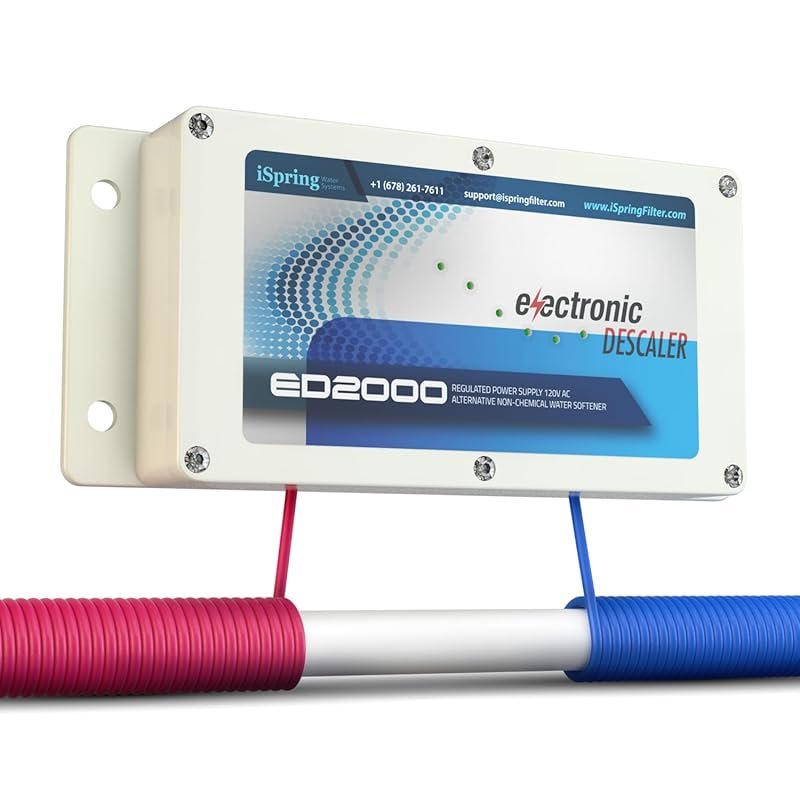
1. iSpring ED2000 Whole-House Water Descaler – Salt-Free Electronic Hard Water Conditioner Reducing Limescale Deposits
intro text here (2-3 sentences only)
Key Features That Stand Out
- ✓ Salt-free descaling that protects plumbing
- ✓ Descale protection for entire home system
- ✓ Energy-saving benefits from reduced scale
- ✓ Low maintenance with no salt or electricity needs
Why We Recommend It
We recommend the ED2000 for households facing hard water without wanting to deal with salt-based systems. It offers simple installation and ongoing sustainability, with decent performance in reducing limescale.
Best For
Best for homes needing scale reduction across the entire system without salt usage.
Pros and Cons
Pros:
- ✓ Salt-free, chemical-free descaling
- ✓ Easy installation and minimal maintenance
- ✓ Keeps beneficial minerals in water
- ✓ Suitable for very hard water areas
Cons:
- Upfront cost may be higher than some salt-based options
- Descaling focuses on scale reduction and may not remove all contaminants
Customer Reviews
Customer Review: “This descaler has noticeably reduced the scale in my kettle and showerhead. Easy install and works as expected.”
Customer Review: “I was worried about losing minerals, but so far I’m happy with the performance and the lack of salt in the water.”
2. Glacier Fresh Portable RV Water Softener
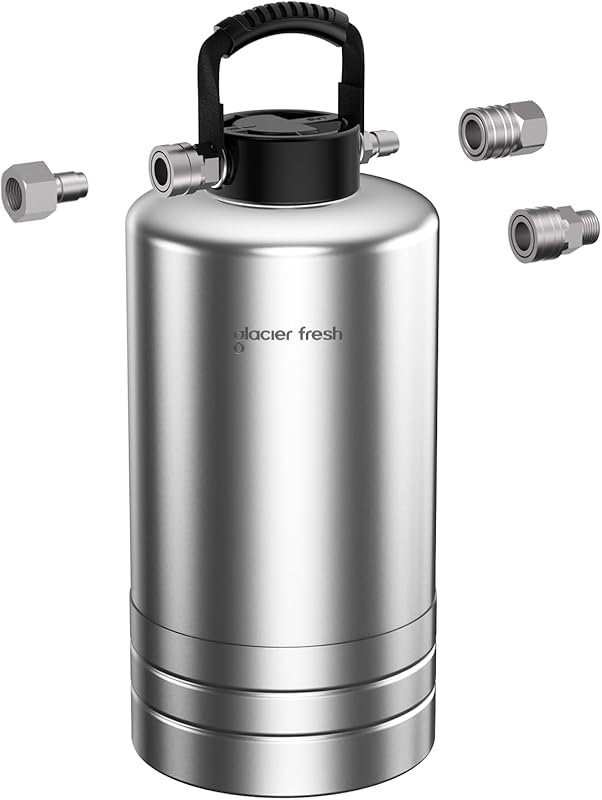
intro text here (2-3 sentences only)
Key Features That Stand Out
- ✓ Stainless steel tank and quick connects for durability
- ✓ Portable design ideal for RVs, boats, and trailers
- ✓ Helps improve taste and odor of hard water
- ✓ Compact with straightforward setup
Why We Recommend It
We like its portability and rugged build, making it a practical on-the-go solution for travelers who must manage hard water without a fixed-install system.
Best For
Best for RVers or small spaces needing a compact, travel-friendly softener.
Pros and Cons
Pros:
- ✓ Portable and easy to install
- ✓ Durable stainless steel components
- ✓ Improves water feel and taste
- ✓ Good value for a travel unit
Cons:
- Not designed for full-home fixed installation
- Could be heavier to move for some users
Customer Reviews
Customer Review: “Great for the RV, easy to set up, and the water feels noticeably softer after a day.”
Customer Review: “Solid construction, but it’s not a permanent home solution; perfect for trips.”
3. On The Go OTG4-VM-DBLSOFT Portable 16,000-Grain Double-Standard Water Softener
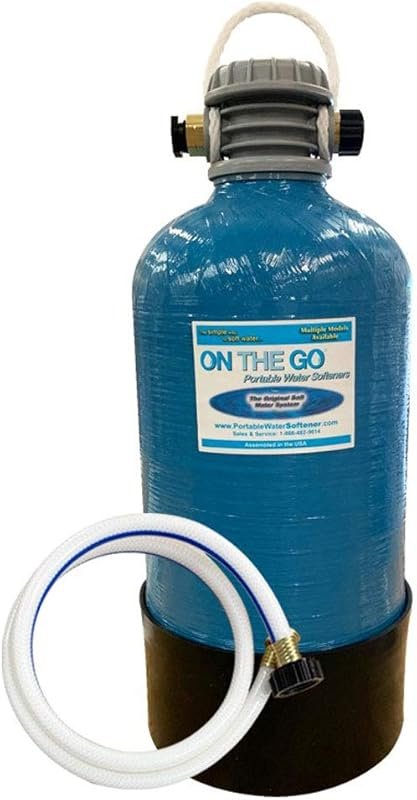
intro text here (2-3 sentences only)
Key Features That Stand Out
- ✓ Double-standard design for flexible installation
- ✓ Drinking-water-safe brass fittings
- ✓ Portable and compact for apartments or campers
- ✓ Reliable 16,000-grain capacity
Why We Recommend It
We recommend this model for budget-conscious buyers who still want a portable, capable unit that handles 16,000 grains without compromising safety.
Best For
Best for budget-minded users who need a portable solution with reliable performance.
Pros and Cons
Pros:
- ✓ Affordable and portable
- ✓ Grounded compatibility with travel setups
- ✓ Decent grain capacity for its size
Cons:
- Limited to portable uses, not ideal for whole-house installation
- Fittings and connections may require careful tightening
Customer Reviews
Customer Review: “Perfect for my RV. It’s compact and does a solid job on softening water.”
Customer Review: “Worth the price for a portable unit; installation was straightforward.”
4. VEVOR RV Water Softener

intro text here (2-3 sentences only)
Key Features That Stand Out
- ✓ 16,000-grain capacity for steady performance
- ✓ Brass fittings and long hose for flexible setups
- ✓ Portable design suitable for trailers or cabins
- ✓ Designed for easy heavy-use hard water areas
Why We Recommend It
This unit strikes a balance between portability and capacity, making it ideal for users who need a solid RV or mobile setup without a fixed installation.
Best For
Best for mobile living spaces and temporary setups where full-home installation isn’t practical.
Pros and Cons
Pros:
- ✓ Strong grain capacity for continuous use
- ✓ Durable brass fittings
- ✓ Easy to move and set up
Cons:
- Not a permanent home solution
- May require additional accessories for certain showers
Customer Reviews
Customer Review: “A solid portable option that works well in our RV.”
Customer Review: “Setup was straightforward and water feels noticeably softer.”
5. Kind Water Systems E-3000 Whole-House Salt-Free Water Softener
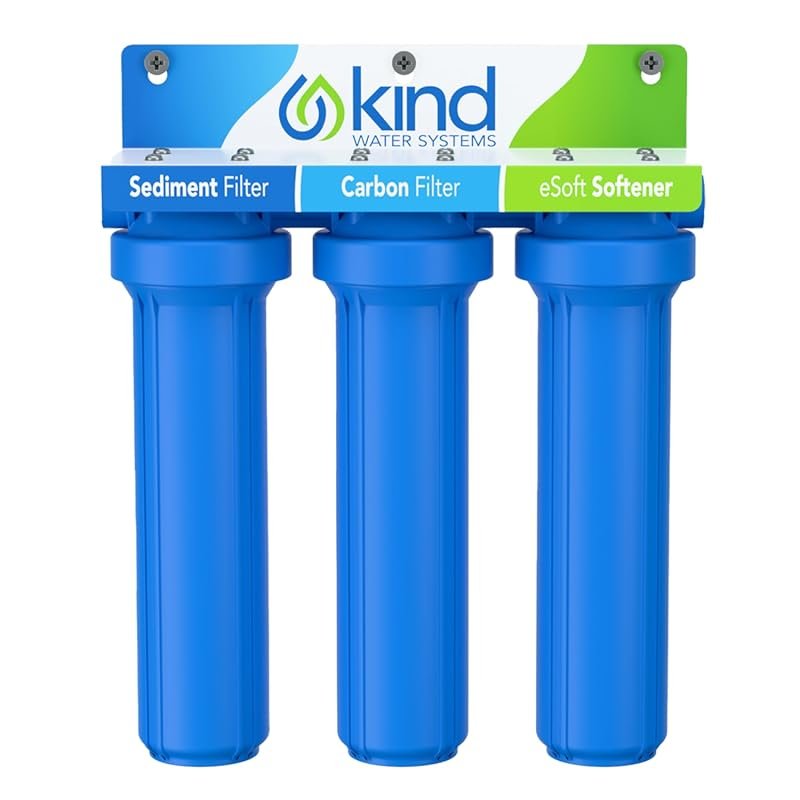
intro text here (2-3 sentences only)
Key Features That Stand Out
- ✓ Combines sediment filtration and carbon filtration with salt-free softening
- ✓ Whole-house coverage for city water appliances and fixtures
- ✓ Retains healthy minerals while reducing contaminants
- ✓ Compact footprint for under-sink or utility closet installs
Why We Recommend It
It’s a solid all-in-one system for city-water households that want cleaner water without adding salt.
Best For
Best for city water users seeking sediment and chemical reduction with salt-free softening.
Pros and Cons
Pros:
- ✓ All-in-one filtration and softening
- ✓ Salt-free operation
- ✓ Space-efficient design
Cons:
- May not dramatically alter mineral composition in extremely hard wells
- Replacement filters can add ongoing cost
Customer Reviews
Customer Review: “Good value for the price; water tastes cleaner and feels softer.”
Customer Review: “Installation was simple and compact, fits in a small utility space.”
6. 3-Stage Whole Home Water Filter System with Anti-Scale Filtration
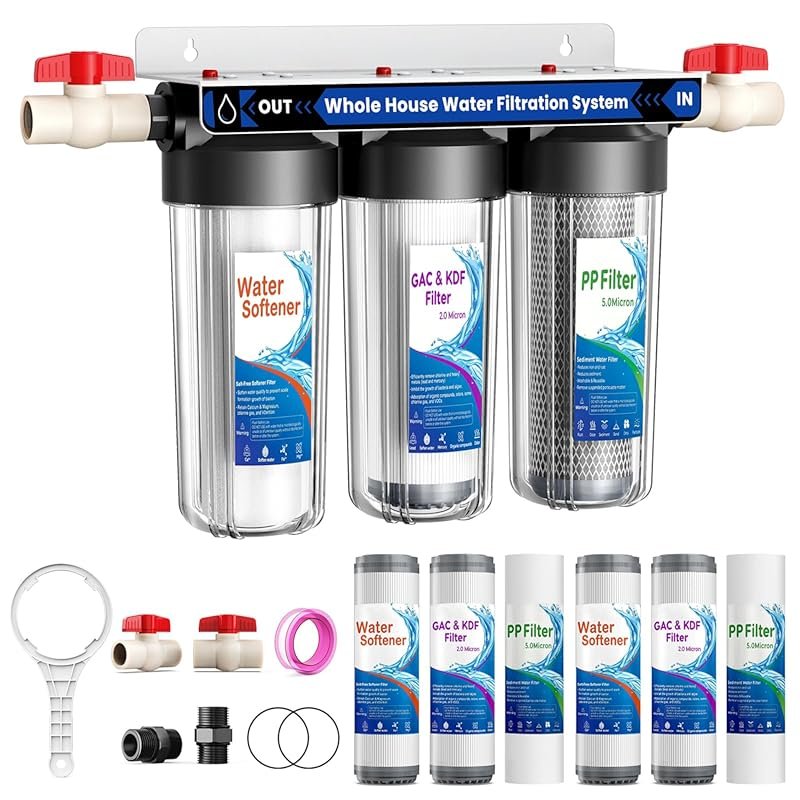
intro text here (2-3 sentences only)
Key Features That Stand Out
- ✓ Anti-scale filtration
- ✓ 3-stage design for comprehensive filtration
- ✓ Treats whole-home water effectively
- ✓ Easy cartridge replacement
Why We Recommend It
We value its all-around filtration approach, which complements softening to improve overall water quality in homes with mixed water quality.
Best For
Best for homes needing robust filtration alongside mineral-friendly softening.
Pros and Cons
Pros:
- ✓ Strong filtration stages
- ✓ Good for well or municipal water
- ✓ Easy to maintain
Cons:
- Bulkier unit, may require dedicated space
- Replacement filters add ongoing cost
Customer Reviews
Customer Review: “The three-stage filtration made a noticeable difference in taste and clarity.”
Customer Review: “Great system for a family; quiet and effective.”
7. RV Water Softener with Hose, 16,000 Grains
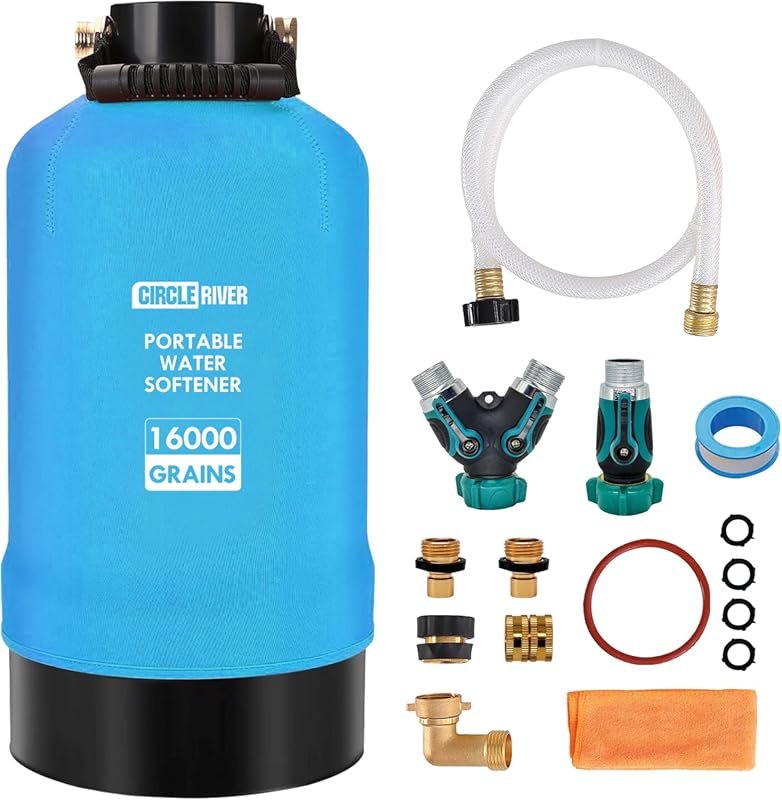
intro text here (2-3 sentences only)
Key Features That Stand Out
- ✓ 16,000-grain capacity
- ✓ Brass fittings for durability
- ✓ Suitable for RV use and off-grid setups
- ✓ Solid value in portable softening
Why We Recommend It
Great for travelers and campers who want reliable softening without a fixed home installation.
Best For
Best for RVs, trailers, and boats needing a portable yet capable softener.
Pros and Cons
Pros:
- ✓ Portable and easy to install
- ✓ Decent grain capacity
- ✓ Durable brass fittings
Cons:
- Not ideal for full-home installation
- May require extra hoses for some setups
Customer Reviews
Customer Review: “Perfect for mobile living; water is noticeably softer.”
Customer Review: “Solid build and simple use, would buy again.”
8. Shower Water Softener for Hard Water
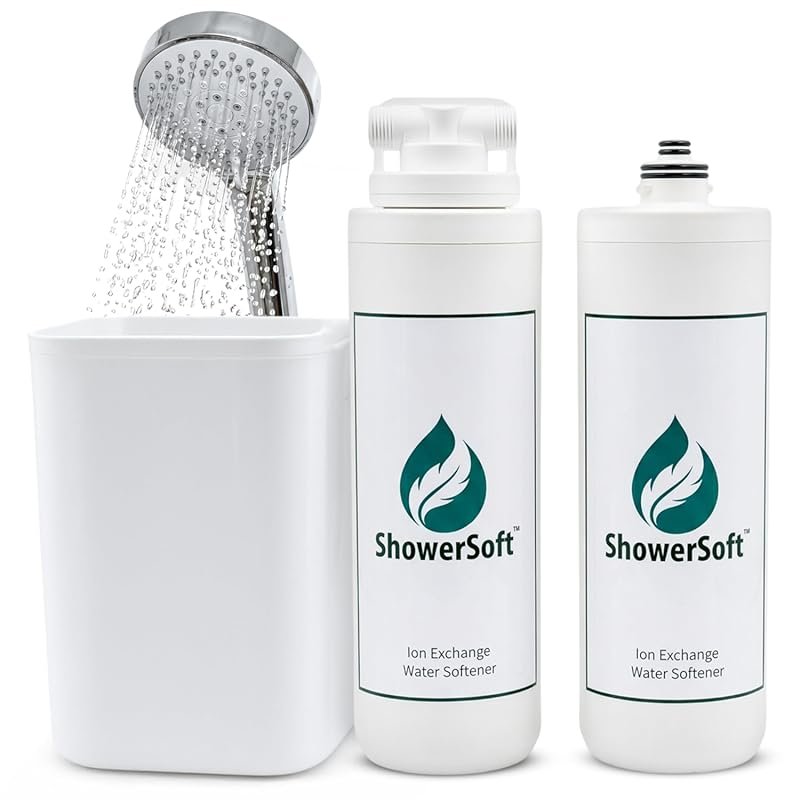
intro text here (2-3 sentences only)
Key Features That Stand Out
- ✓ Ion-exchange resin targets calcium and magnesium
- ✓ Portable and easy to install on the shower pipe
- ✓ No plumber required for quick setup
- ✓ Helps hair and skin feel smoother after showers
Why We Recommend It
Ideal for renters or anyone who wants a no-fuss shower solution without major plumbing work.
Best For
Best for apartment living and on-demand shower softening.
Pros and Cons
Pros:
- ✓ Easy to install
- ✓ Portable and compact
- ✓ Improves lathering and skin feel
Cons:
- Limited to shower use
- May not treat entire home water
Customer Reviews
Customer Review: “Great for quick fixes in the shower; easy to move.”
Customer Review: “Not a full-home solution, but excellent for a budget upgrade.”
9. RVGUARD 16,000 Grains Portable Water Softener
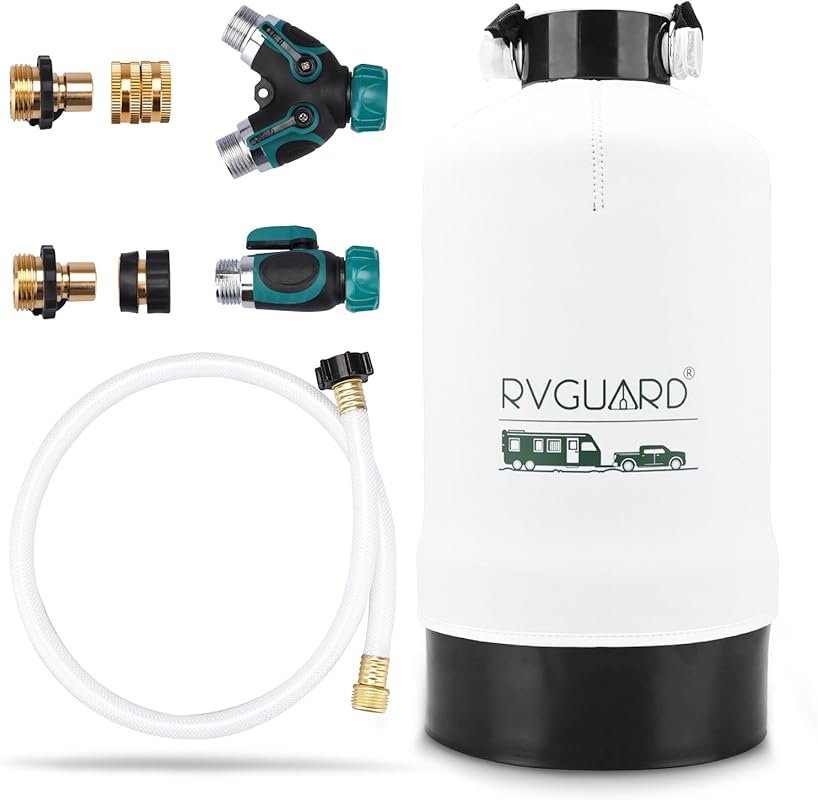
intro text here (2-3 sentences only)
Key Features That Stand Out
- ✓ Up to 16,000 grains capacity
- ✓ Food-grade resin components
- ✓ Portable and easy to install
- ✓ Reduces minerals causing scale buildup
Why We Recommend It
Great for travelers who need a reliable portable option that delivers solid softening on the go.
Best For
Best for RVs and small spaces where portability matters most.
Pros and Cons
Pros:
- ✓ Portable and simple
- ✓ Effective 16,000-grain capacity
- ✓ Decent value for mobile use
Cons:
- Not a full-home solution
- May require occasional maintenance for optimal flow
Customer Reviews
Customer Review: “Perfect for camping trips; water feels softer almost immediately.”
Customer Review: “Great for the RV, easy to install and portable.”
10. iSpring EDV2 Whole-House Descaler
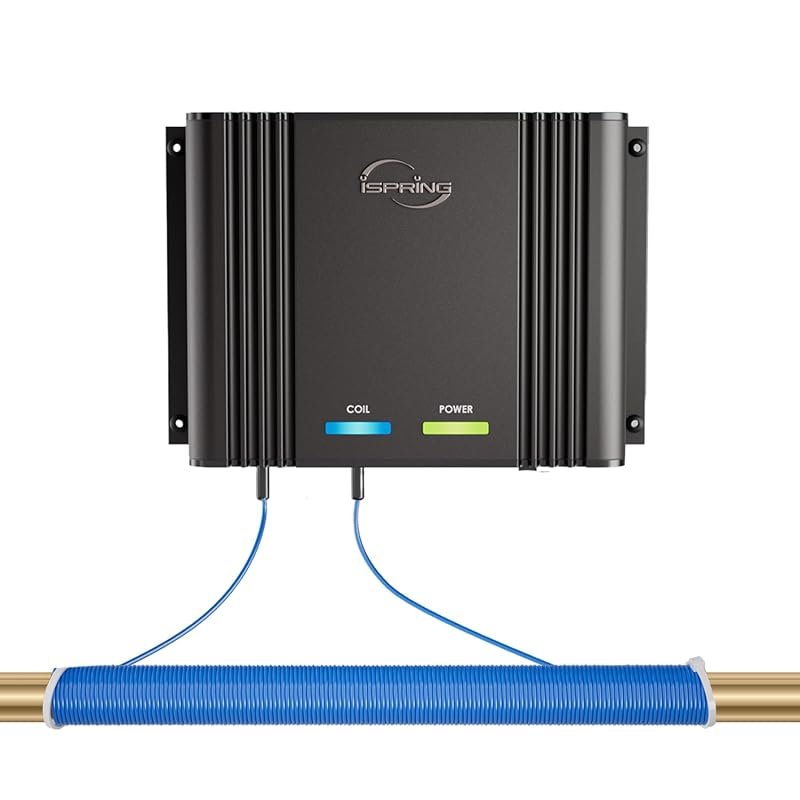
intro text here (2-3 sentences only)
Key Features That Stand Out
- ✓ 12W power for strong descaling performance
- ✓ 10x more powerful than basic models
- ✓ Durable aluminum alloy construction
- ✓ Salt-free technology keeps healthy minerals
Why We Recommend It
We highlight the EDV2 when you want a high-power salt-free descaler that covers a large home with minimal energy use.
Best For
Best for larger homes or regions with persistent limescale challenges.
Pros and Cons
Pros:
- ✓ Very strong descaling capability
- ✓ Durable build
- ✓ Salt-free and mineral-friendly
Cons:
- Higher upfront cost
- May require professional guidance for some installations
Customer Reviews
Customer Review: “Powerful descaler that dramatically reduces lime buildup.”
Customer Review: “A bit pricey, but the performance justifies it for a busy home.”
Complete Buying Guide for Best Water Softener System For Hard Water
Essential Factors We Consider
When evaluating a water softener system for hard water, we look at grain capacity, maintenance needs, installation type, and how well the unit handles minerals without removing essential elements. We also weigh warranty, energy use, and compatibility with well-water or city-water supplies.
Budget Planning
Set a realistic budget that includes the initial purchase, potential installation costs, and filter or resin replacements. Salt-based systems may have lower upfront costs but ongoing salt costs, while salt-free systems often carry higher upfront prices with different maintenance patterns.
Final Thoughts
Choosing the right system requires matching your water hardness, home size, and preferred maintenance level. A well-chosen unit from this roundup can significantly improve daily life with hard water.
Frequently Asked Questions
Q: How do I know if my water is hard?
A: Hard water typically has high mineral content (calcium and magnesium). Signs include mineral buildup on fixtures, soap scum, and reduced appliance efficiency. A home water test can confirm the level of hardness.
Q: Do I need a salt-based or salt-free system for very hard water?
A: For extremely hard water, salt-based systems often offer stronger temporary softening and scale prevention, but salt-free descalers can be a good maintenance-friendly option. Consider your water hardness level and maintenance preferences.
Q: Can I install a water softener myself?
A: Some systems are DIY-friendly, especially portable or inline models. Others require professional installation, particularly whole-house units tied to the main water line. Check the product guidelines and local codes.
Q: Will a water softener remove minerals from water?
A: Most salt-based systems remove minerals like calcium and magnesium, while salt-free descalers typically don’t remove minerals but reduce scale buildup. Your choice depends on whether you want mineral reduction or full ion exchange.
Q: How often should resin or filters be replaced?
A: It depends on usage and water quality. Resin often lasts many years with proper maintenance, while filters and cartridges may need replacement every 6–12 months or per manufacturer guidance.
Ready to improve your water quality? If you’re dealing with hard water, explore these top picks and pick a system that aligns with your home, lifestyle, and maintenance preferences. For more in-depth options, check our related guides and stay tuned for updates on the best water treatment solutions for well water and hard-water scenarios. Your next shower, coffee, and laundry load deserve water that feels effortless.