Is Martha Stewart Cookware Oven Safe
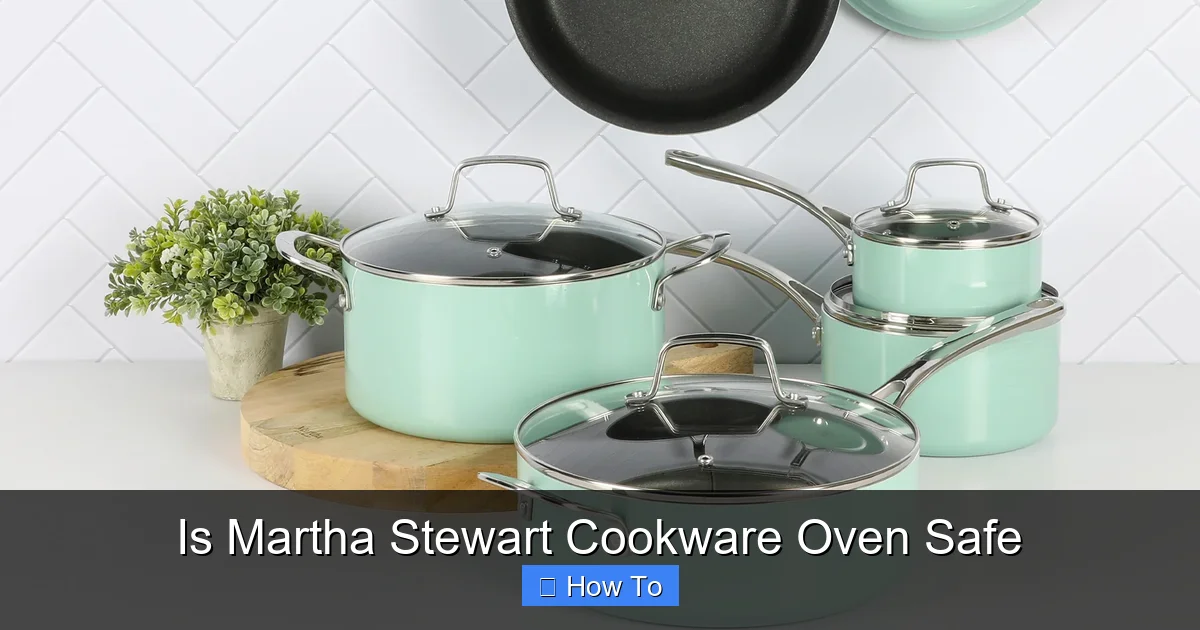
Most Martha Stewart cookware is oven safe up to specific temperatures depending on the collection and materials. Always check the bottom stamp or manual for your exact piece’s limit before putting it in the oven.
You are standing in your kitchen holding a beautiful Martha Stewart sauté pan. The recipe calls for finishing the dish in the oven. You pause. Is Martha Stewart cookware oven safe? The short answer is yes, most of it is. But the real answer depends on which collection you own and what the handles are made of. This guide breaks down everything you need to know so you can cook with confidence.
Martha Stewart has built a reputation for quality kitchen tools. Her cookware lines are sold at major retailers like Macy’s and The Home Depot. They come in several distinct collections. Each one uses different materials. Each one has different heat limits. Knowing your specific set saves you from ruined pans or worse, a kitchen accident. Let us walk through the details together.
Key Takeaways
- Collection matters: Different Martha Stewart lines have different oven-safe temperatures ranging from 350°F to 500°F.
- Handle materials determine limits: Stainless steel handles withstand higher heat than silicone or phenolic handles.
- Lids have separate ratings: Glass lids typically max out at 350°F to 400°F while stainless lids go higher.
- Nonstick coatings degrade: High oven heat shortens the life of nonstick surfaces over time.
- Check the stamp: Every piece has an oven-safe symbol and temperature printed on the bottom.
- Broiler use is rare: Most collections are not rated for broiler use regardless of oven temperature rating.
- Thermal shock risk: Never move cookware directly from freezer to hot oven or vice versa.
📑 Table of Contents
Understanding Martha Stewart Cookware Collections
Martha Stewart cookware is not a single product. It is a family of collections. Each collection targets a different price point and cooking style. The oven safety rating changes with each one. You cannot assume your friend’s pan has the same limit as yours.
The Main Collections You Will Find
The most common lines include the Martha Stewart Collection (often sold at Macy’s), the Martha Stewart Living line, and the Martha Stewart Enamel Cast Iron series. There is also a Hard Anodized Nonstick line and a Stainless Steel Tri-Ply line. Some older or discontinued lines like the Martha Stewart Copper collection still circulate in secondhand markets.
Each line uses a distinct construction. The tri-ply stainless steel uses an aluminum core sandwiched between stainless layers. The hard anodized line uses aluminum with a nonstick coating. The enamel cast iron is heavy iron coated with porcelain enamel. These materials react differently to high heat. The handles attached to these bodies also vary. Some are stainless steel. Some are silicone-wrapped. Some are phenolic resin. The handle material often sets the true oven limit.
How to Identify Your Collection
Look at the bottom of your pan. You will see a stamp. It usually says “Martha Stewart” followed by the collection name. It also shows an oven icon with a temperature number. That number is your absolute maximum. If the stamp is worn off, check the original box or search the model number online. The model number is often etched near the handle rivets.
If you bought a set, the paperwork included a care guide. That guide lists the oven temperature for every piece. Keep that guide. It is the final word on safety. If you lost it, visit the manufacturer’s website. Most current collections have PDF manuals available for download.
Oven Safety by Material Type
The body material of your cookware plays a huge role in oven safety. Let us look at the three main types in the Martha Stewart lineup.
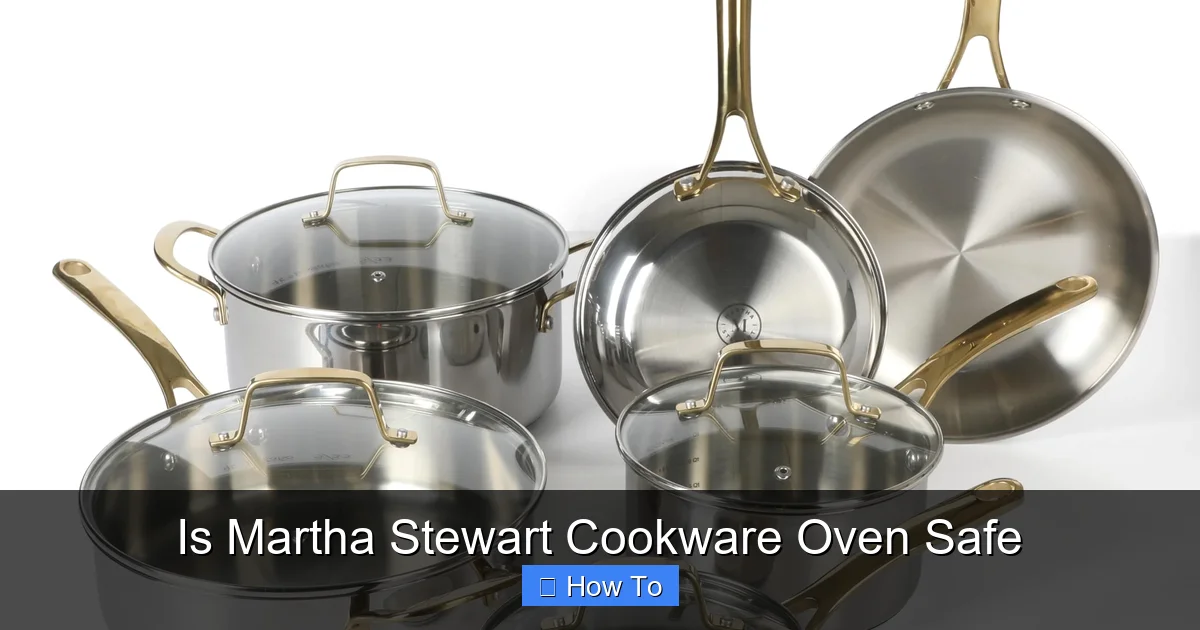
Visual guide about Is Martha Stewart Cookware Oven Safe
Image source: m.media-amazon.com
Stainless Steel Tri-Ply
The tri-ply stainless steel collection is the workhorse. The pan body is essentially indestructible in a home oven. Stainless steel melts at over 2500°F. Your oven maxes out around 550°F. The pan body will never fail. The limit comes from the handles and the lid. Most tri-ply pieces with stainless steel handles are rated to 500°F. That covers almost all baking and roasting. You can sear on the stove and slide straight into a hot oven.
This collection is ideal for dishes like pan-seared chicken thighs finished in the oven. It handles braises beautifully. The stainless surface creates fond for pan sauces. Just remember that the handles get screaming hot. Use thick oven mitts. A silicone handle sleeve adds extra grip and protection.
Hard Anodized Nonstick
The hard anodized line is popular for easy cleanup. The aluminum body conducts heat fast and even. The nonstick coating is the weak link. Most Martha Stewart nonstick collections are rated to 400°F or 450°F. Some older lines max at 350°F. Exceeding this temperature breaks down the nonstick surface. It releases fumes and loses its release properties.
Never preheat an empty nonstick pan in the oven. The coating degrades faster with dry heat. Always have oil or food in the pan. Avoid the broiler entirely. The intense direct heat exceeds the coating limit instantly. If you need high-heat oven work, reach for stainless steel or cast iron instead.
Enamel Cast Iron
The enamel cast iron Dutch ovens and braisers are oven champions. The iron body holds heat like a battery. The porcelain enamel coating protects the iron and cleans easily. These pieces are typically rated to 500°F. The knobs on the lids are often the limiting factor. Plastic or phenolic knobs may only handle 375°F to 400°F.
Many cooks swap the knob for a stainless steel replacement. That simple change unlocks the full 500°F potential. Enamel cast iron goes from stove to oven to table beautifully. It is perfect for sourdough bread, pot roast, and no-knead bread recipes. Just do not subject it to thermal shock. Never put a cold pot into a hot oven.
Temperature Limits and Guidelines
Temperature ratings are not suggestions. They are safety boundaries. Exceeding them voids warranties and creates hazards. Here is a breakdown of typical limits across the brand.
Common Temperature Ratings by Collection
- Tri-Ply Stainless Steel (stainless handles): 500°F
- Tri-Ply Stainless Steel (silicone handles): 400°F to 450°F
- Hard Anodized Nonstick: 350°F to 450°F (varies by sub-line)
- Enamel Cast Iron (body): 500°F
- Enamel Cast Iron (lid knob): 375°F to 400°F unless upgraded
- Copper Collection (stainless lined): 500°F
- Ceramic Nonstick: 350°F to 400°F
These numbers assume the pan is fully assembled with its original handles and lid. Removing a lid raises the limit for the pan body. Removing a silicone handle sleeve does not raise the limit if the core handle is phenolic.
What the Oven Safe Symbol Means
You will see a small icon on the bottom of the pan. It looks like a square with wavy lines or a tiny oven drawing. Next to it sits a number like “450°F” or “230°C.” That symbol means the manufacturer tested the complete unit at that temperature. It passed without warping, handle failure, or coating damage.
It does not mean you should cook at that temperature daily. Running any cookware at its maximum limit shortens its lifespan. Think of it like a car’s top speed. Just because it can do 140 mph does not mean you should drive there every day. Stay 25°F to 50°F below the max for routine use.
Broiler Safety: A Critical Distinction
Oven safe does not mean broiler safe. The broiler produces intense radiant heat from above. Temperatures at the element can exceed 700°F. Even a 500°F rated pan can warp or scorch under a broiler. Nonstick coatings will ruin instantly. Enamel can crack. Handles can melt or burn.
Only use the broiler if the manual explicitly states “broiler safe.” Very few Martha Stewart pieces carry that rating. If you need to brown a top, use a torch or finish under a hot oven setting instead. It is safer and more controlled.
Handles, Lids, and Accessories
The cookware body is rarely the problem. The attachments are. Handles, lids, and knobs each have their own limits. The lowest rated part sets the limit for the whole assembly.
Handle Materials and Their Limits
Stainless steel handles are the gold standard. They are oven safe to 500°F or higher. They conduct heat, so they get hot. Always use protection.
Silicone wrapped handles usually rate to 400°F or 450°F. The silicone insulates your hand on the stove. In the oven, the silicone degrades over time. It becomes brittle and cracks. If your handle has a removable silicone sleeve, take it off for oven use above 400°F. The bare stainless core underneath can often take more heat.
Phenolic (black plastic) handles are common on mid-range lines. They typically max out at 350°F to 400°F. They cannot be removed. If your pan has phenolic handles, keep the oven moderate. These handles can also off-gas at high heat. Ventilate your kitchen.
Cast iron or stainless loop handles on Dutch ovens are fully oven proof. They are part of the casting. No worries there.
Glass Lids vs. Stainless Lids
Glass lids let you peek without lifting. They are convenient but fragile. Most Martha Stewart glass lids are rated to 350°F or 400°F. The glass itself can handle more, but the rim seal and knob cannot. Thermal shock is a real risk. Never put a cold glass lid on a hot pan. Never run cold water over a hot glass lid.
Stainless steel lids match the pan body rating. If the pan is 500°F rated, the stainless lid is too. They are heavier and you cannot see through them. But they are durable and broiler-safe in most cases. If you cook in the oven often, consider buying a universal stainless lid that fits your skillet.
Knobs and Their Hidden Limits
The knob on your lid is often the weakest link. Plastic or phenolic knobs melt at 375°F to 400°F. Stainless steel knobs go to 500°F+. Many enamel Dutch ovens ship with a plastic knob to keep costs down. Check the knob material. If it is not metal, assume a 375°F limit for the lid.
Replacement stainless knobs cost $5 to $15 online. They screw right in. This upgrade is one of the best investments for a serious home cook. It unlocks high-heat bread baking and deep roasting.
Care Tips for Oven Use
Using your cookware in the oven changes how you care for it. Follow these habits to extend the life of your Martha Stewart pieces.
Preheating Practices
Never preheat an empty nonstick pan in the oven. The coating breaks down fast without food or oil to absorb energy. For stainless and cast iron, preheating is fine. It actually improves searing. Put the pan in while the oven heats. When the oven beeps, the pan is ready.
For enamel cast iron, gradual heating is best. Put the cold pot in the cold oven. Let them come up together. This prevents enamel cracking from thermal expansion stress.
Handling Hot Cookware
Handles get dangerously hot. A 450°F pan handle causes instant burns. Keep dedicated oven mitts near the stove. Silicone mitts with long cuffs protect forearms. Do not use damp towels. Water conducts heat faster than air. A wet towel transfers the burn instantly.
Use two hands for heavy pieces. A full Dutch oven can weigh 15+ pounds. Dropping it ruins the floor, the pot, and possibly your foot. Slide a rack out partially. Set the pot on the rack. Then push the rack in. This gives you stability.
Cleaning After Oven Use
Let cookware cool completely before washing. Plunging a hot pan into cold water causes warping. Warped pans spin on glass cooktops. They heat unevenly. They are annoying forever.
For nonstick, hand wash only. Dishwasher detergents are abrasive. They strip the coating over time. Use a soft sponge and mild soap. For stuck food, soak in warm soapy water for 15 minutes. It releases easily.
For stainless steel, Bar Keepers Friend removes rainbow discoloration from oven heat. It restores the shine. For enamel cast iron, avoid metal scouring pads. They scratch the enamel. Use a nylon brush or chainmail scrubber made for cast iron.
Storage Considerations
Stacking pans saves space but risks scratches. Place a paper towel or pan protector between nested pieces. This is critical for nonstick interiors. One scratch becomes a sticky spot. Sticky spots grow. Soon the pan is useless.
Hang lids separately or use a lid organizer. Glass lids chip on the edges when stacked. Chips lead to cracks. Cracks lead to shattering in the oven. Store them upright.
Troubleshooting Common Issues
Even with care, things happen. Here is how to handle the most frequent oven-related problems.
Warped Pan Bottoms
If your pan wobbles on a flat surface, it is warped. This happens from rapid temperature changes. Stainless tri-ply resists warping but thin aluminum nonstick pans warp easily. A slightly warped pan still works on gas. On electric or induction, it loses contact. Heat becomes uneven.
You cannot fix a warped pan. Prevention is the only cure. Never shock a hot pan with cold water. Never put a frozen pan in a hot oven.
Discolored Stainless Steel
Rainbow stains or yellow/gold patches appear after oven use. This is oxidized oil and mineral deposits. It is cosmetic. It does not affect performance. Bar Keepers Friend or vinegar boils remove it. Fill the pan with water and vinegar. Simmer 10 minutes. Scrub gently. Shine returns.
Nonstick Coating Failure
If food starts sticking, the coating is failing. High oven heat accelerates this. There is no repair. Nonstick pans are consumables. They last 2 to 5 years with moderate use. Heavy oven use cuts that in half. Budget for replacement. Consider it the cost of easy cleanup.
Loose Handles
Oven heat expands metal. Rivets can loosen over time. Check handles monthly. Wiggle them. If they move, tighten the rivets or screws. A loose handle fails when you lift a heavy hot pan. That is a serious injury risk. If you cannot tighten it, retire the pan from oven duty.
Making the Most of Your Martha Stewart Cookware
Your cookware is a tool. Knowing its limits makes you a better cook. You can plan recipes around what your pans do best.
Match the Pan to the Technique
Sear then roast: Use tri-ply stainless. Sear on stove. Move to 425°F oven. Make pan sauce after.
Bake eggs or frittata: Use nonstick skillet. Keep oven at 350°F. Slide out perfectly.
Braise short ribs: Use enamel Dutch oven. Brown meat. Add liquid. Cover. Oven at 325°F for hours.
No-knead bread: Use enamel Dutch oven. Preheat pot in oven at 450°F. (Upgrade knob first!) Drop dough in. Cover. Bake.
Finish under broiler: Do not use Martha Stewart cookware. Transfer to a broiler-safe dish. Or use a kitchen torch.
Build a Versatile Kit
If you are building a collection, start with these three pieces. They cover 90% of oven tasks.
- 10-inch tri-ply stainless skillet (500°F rated)
- 5-quart enamel cast iron Dutch oven (500°F body, upgrade knob)
- 12-inch hard anodized nonstick skillet (400°F rated, for eggs and fish)
Add a stainless steel universal lid that fits the skillet. Add a silicone handle sleeve for the skillet. You are set for life.
When to Replace
Nonstick pans: Replace when sticking starts or coating flakes. Flakes are not toxic but they are unappetizing.
Stainless steel: Replace only if warped badly or handle fails. These last decades.
Enamel cast iron: Replace if enamel chips on the cooking surface. Chips rust. Rust flavors food. Exterior chips are cosmetic.
Conclusion
So, is Martha Stewart cookware oven safe? Yes. Most pieces are designed for oven finishing. The key is knowing your specific collection’s limit. Check the bottom stamp. Read the manual. Respect the handle and lid ratings. Stay below the maximum for daily cooking.
Treat your cookware well. Heat it gradually. Cool it naturally. Clean it gently. Store it carefully. A $100 pan that lasts ten years costs pennies per meal. A $50 pan ruined in one year by overheating costs far more.
Now you have the knowledge. You can confidently move from stove to oven. You can sear, braise, bake, and roast. You can tackle recipes that scared you before. Your Martha Stewart cookware is ready. Are you?
Frequently Asked Questions
Can all Martha Stewart cookware go in the oven?
Most Martha Stewart cookware is oven safe, but temperature limits vary by collection. Always check the bottom stamp or manual for your specific piece’s maximum temperature rating.
What is the highest oven temperature for Martha Stewart stainless steel pans?
Martha Stewart tri-ply stainless steel pans with stainless steel handles are typically rated to 500°F. Pans with silicone or phenolic handles have lower limits, usually 400°F to 450°F.
Are Martha Stewart nonstick pans safe for high heat oven cooking?
Nonstick pans usually max out at 350°F to 450°F depending on the line. High oven heat degrades the coating. Avoid broilers and empty preheating to extend nonstick life.
Can I put the glass lid in the oven?
Glass lids are typically oven safe to 350°F or 400°F. The knob and rim seal limit the temperature. Stainless steel lids match the pan body rating and can go higher.
Is it safe to use Martha Stewart cookware under the broiler?
Most Martha Stewart cookware is not broiler safe. The intense direct heat exceeds rated limits and can warp pans, ruin coatings, or melt handles. Only use the broiler if explicitly stated in the manual.
How do I know if my specific pan is oven safe?
Look for the oven safe symbol and temperature stamp on the bottom of the pan. If the stamp is worn, check the original packaging, manual, or search the model number on the manufacturer’s website.