How Much Energy Does an Air Fryer Use Compared to an Oven
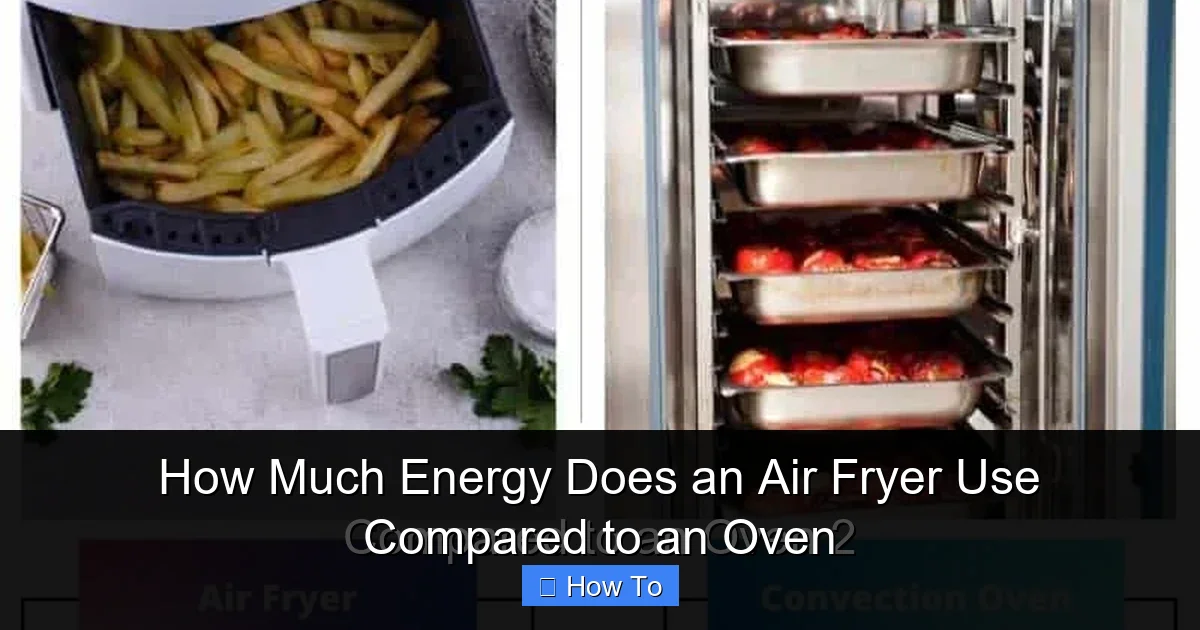
When it comes to energy efficiency, air fryers typically use less power than conventional ovens due to rapid air circulation and shorter cooking times. Understanding their wattage differences and usage scenarios can help you save on electricity bills while achieving crispy results with minimal energy waste.
Key Takeaways
- Energy Consumption: Air fryers use 1000-1800 watts vs. ovens’ 2000-5000 watts, saving up to 50% energy for small portions.
- Cooking Efficiency: Air fryers cook faster (10-20 minutes vs. 30-60 minutes) due to concentrated heat circulation.
- Cost Savings: Smaller appliances reduce electricity bills, especially for single servings or small families.
- Size Matters: Use air fryers for 1-4 servings; ovens are better for large batches or baking.
- Preheating: Air fryers often skip preheating, saving additional energy compared to oven preheating.
- Hybrid Options: Some ovens have air fry modes—combine versatility with energy efficiency when possible.
📑 Table of Contents
- Understanding the Basics: Air Fryers vs. Conventional Ovens
- Energy Consumption: The Numbers
- Factors Influencing Energy Use
- Cost Analysis: What’s the Real Price?
- When to Choose Each Appliance
- Tips for Maximizing Energy Efficiency
- Hybrid Solutions: Air Fry Mode in Ovens
- Environmental Impact
- Conclusion
Understanding the Basics: Air Fryers vs. Conventional Ovens
When you’re deciding between an air fryer and an oven, there’s more to consider than just the final result of your meal. One of the biggest factors—especially for budget-conscious cooks—is energy usage. Imagine this: you’re making chicken tenders for dinner. Using an air fryer might take 15 minutes and cost a few cents in electricity, while the oven could take twice as long and drain your wallet. But why does this difference exist?
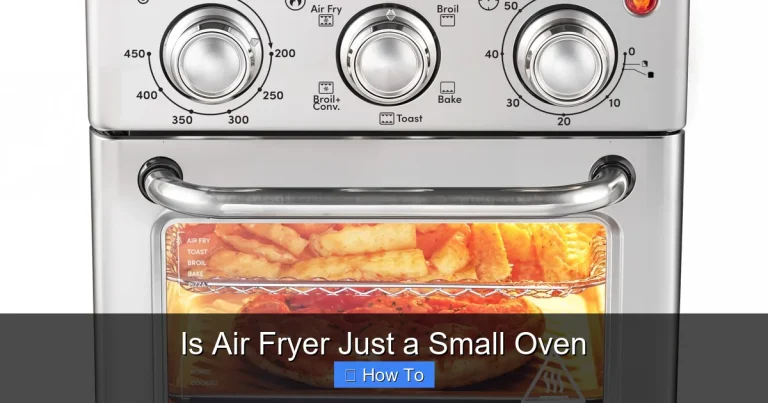
At their core, air fryers and ovens work on similar principles: heating food through conduction, convection, and radiation. However, their design and functionality differ dramatically. Traditional ovens are large, bulky appliances designed for baking, roasting, and reheating entire meals. Air fryers, on the other hand, are compact, countertop devices that use rapid air circulation to mimic the effect of deep frying with little to no oil.
What Makes an Air Fryer Energy Efficient?
The secret lies in their engineering. Air fryers are built with a small, enclosed chamber and a powerful fan that circulates hot oil at extremely high speeds—often reaching 360°F or higher. This rapid movement allows heat to penetrate food quickly, creating that crispy exterior we crave without the need for a full oven’s worth of energy. In contrast, ovens must heat a much larger space, which requires more energy to maintain consistent temperatures across multiple racks and compartments.
Energy Consumption: The Numbers
Let’s break down the wattage. A typical air fryer uses between 1000 and 1800 watts, depending on size and model. A standard electric oven ranges from 2000 to 5000 watts, with larger models consuming even more. This means an air fryer can use up to 50% less energy than an oven for equivalent cooking tasks.
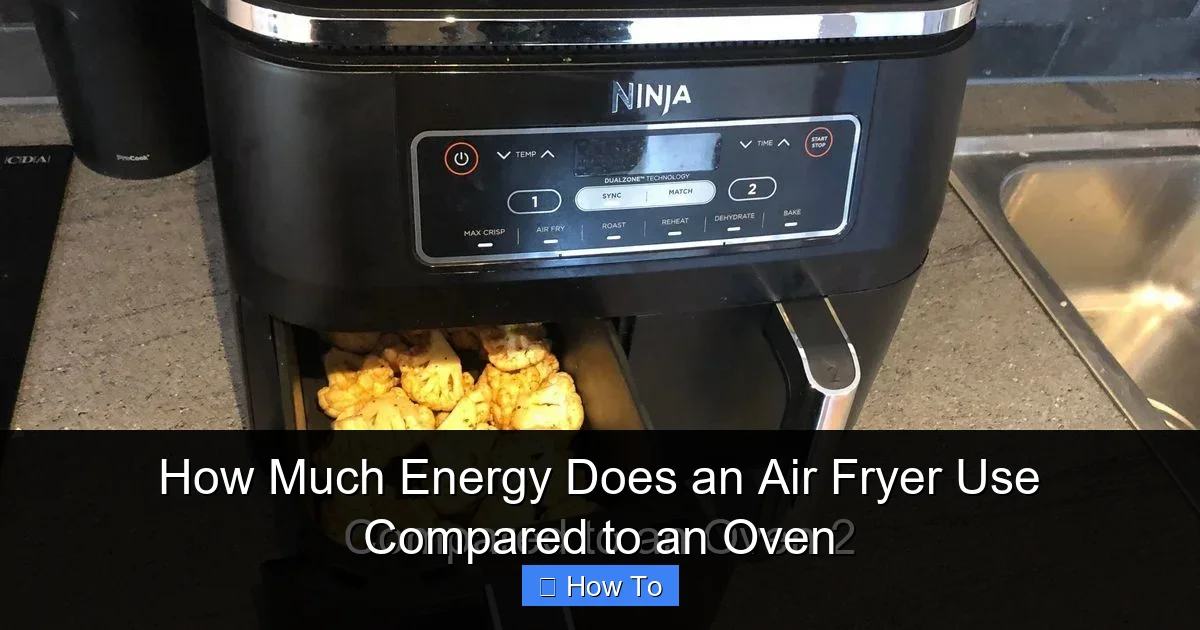
Visual guide about How Much Energy Does an Air Fryer Use Compared to an Oven
Image source: recipesalive.com
Example: Cooking Chicken Wings
Suppose you want to cook 10 chicken wings. In an air fryer, this might take 20 minutes at 400°F, using approximately 1500 watts. That’s 0.5 kWh of energy. In an oven, the same wings might take 45 minutes at 375°F, using 3000 watts. That’s 2.25 kWh. The difference? Over four times more energy used in the oven!
Factors Influencing Energy Use
While wattage is a key factor, other elements impact energy consumption. For example:
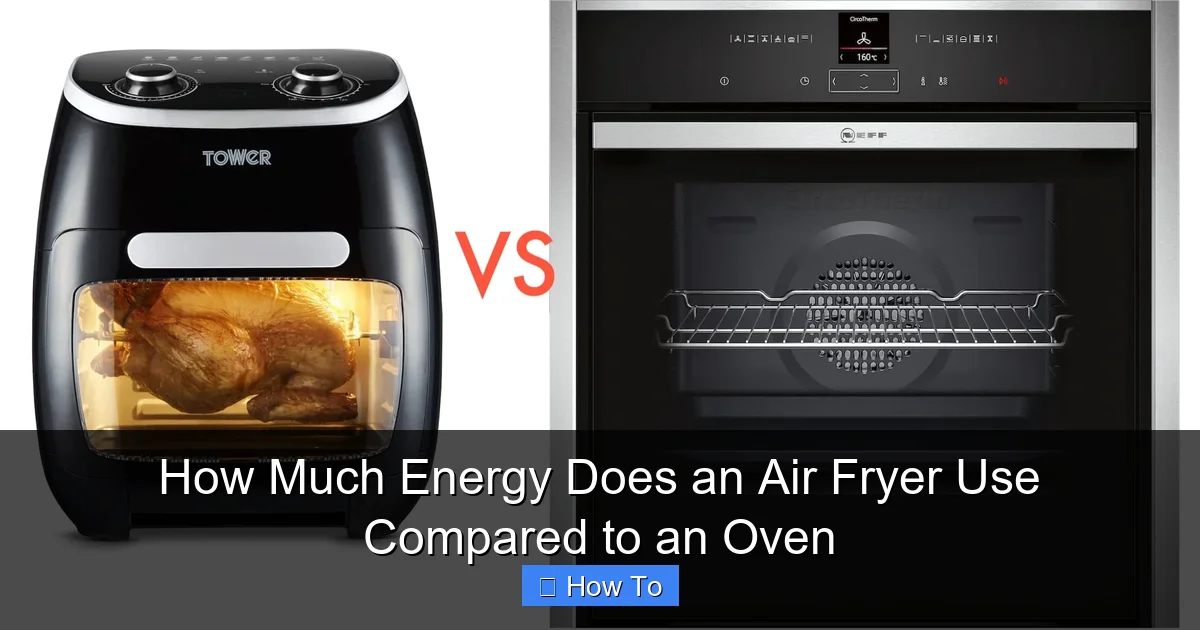
Visual guide about How Much Energy Does an Air Fryer Use Compared to an Oven
Image source: circaairfryer.com
1. Preheating Time
Many ovens require 15-20 minutes of preheating, wasting energy before cooking even begins. Air fryers often skip this step entirely, saving valuable time and power.
2. Portion Size
Using an oven for a small meal is like heating a swimming pool to wash your hands—it’s overkill. Air fryers excel with smaller batches, while ovens are better suited for large families or bulk cooking.
3. Appliance Efficiency
Older or poorly maintained appliances may use more energy than newer, energy-efficient models. Check your appliance’s EnergyGuide label (for U.S. models) to compare efficiency ratings.
Cost Analysis: What’s the Real Price?
Energy costs vary by region, but let’s assume an average electricity rate of $0.13 per kWh. Cooking 10 chicken wings in an air fryer costs about 6.5 cents, while the oven version costs around 29 cents. That’s a savings of 22.5 cents per meal—a small amount, but it adds up over time.
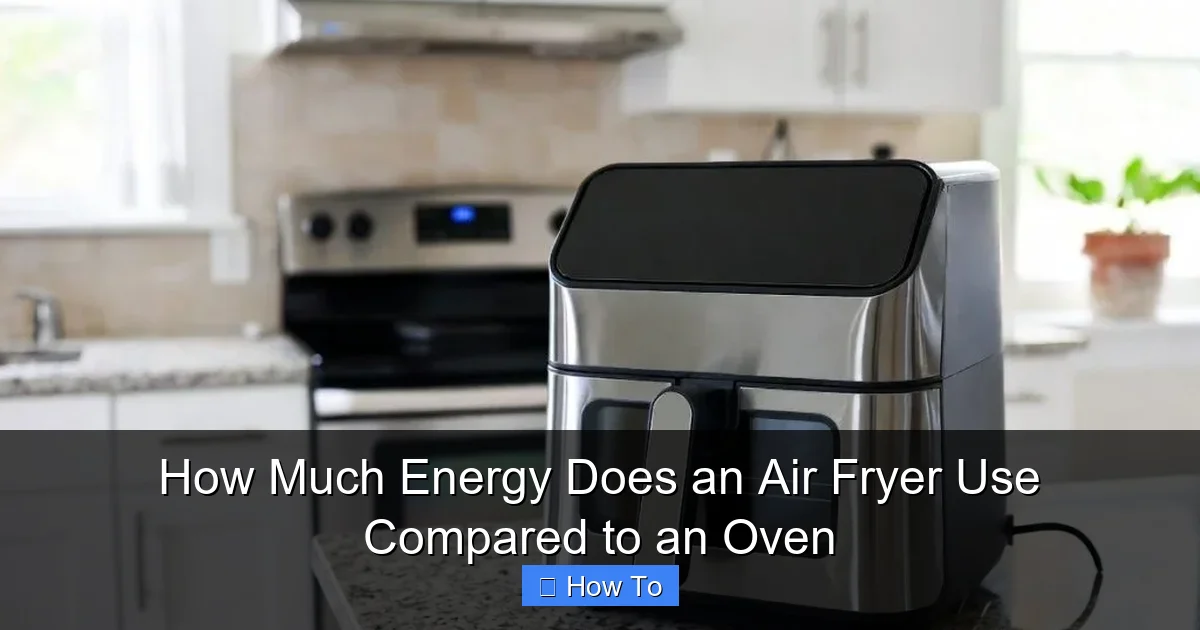
Visual guide about How Much Energy Does an Air Fryer Use Compared to an Oven
Image source: homeunderstandable.com
Annual Savings Example
If you use an air fryer 5 times a week for small meals, you could save approximately $117 annually compared to using an oven. Over a decade, that’s over $1,100 in savings!
When to Choose Each Appliance
It’s not always black and white. Here’s a quick guide:
Choose an Air Fryer When:
- Cooking for 1-4 people
- Wanting crispy results quickly
- Minimizing energy use
- Making snacks or small meals
Choose an Oven When:
- Baking large items like pizzas or casseroles
- Preparing slow-cooked dishes
- Using multiple racks simultaneously
>Cooking for big families or gatherings
Tips for Maximizing Energy Efficiency
Whether you’re using an air fryer or oven, these tips can help reduce energy waste:
1. Match the Appliance to the Task
Use an air fryer for small, quick meals. Save the oven for large-batch cooking or baking.
2. Avoid Overfilling
Don’t overload your air fryer basket—leave space for air circulation. Similarly, avoid overcrowding oven racks.
3. Preheat Strategically
If preheating is necessary, use the oven’s “warm” setting instead of full heat.
4. Maintain Your Appliances
Dirty coils or faulty thermostats can increase energy use. Clean your oven and air fryer regularly.
5. Use Timers
Set timers to avoid overcooking or leaving appliances running unnecessarily.
Hybrid Solutions: Air Fry Mode in Ovens
Many modern ovens come with an air fry setting, combining the best of both worlds. These ovens use a convection fan to circulate heat, mimicking air fryer results while maintaining oven capacity. For large families, this hybrid option offers versatility without sacrificing energy efficiency. Learn more about using air fryer settings on Samsung ovens or explore models with built-in air fry capabilities.
Environmental Impact
Reducing energy use not only saves money but also lowers your carbon footprint. If every household switched to air fryers for small meals, the collective energy savings could significantly reduce greenhouse gas emissions. Consider upgrading to an energy-efficient model if you’re making the switch permanently.
Conclusion
The choice between an air fryer and an oven isn’t just about taste—it’s about energy efficiency, cost, and convenience. While ovens remain essential for large-scale cooking, air fryers shine in small portions and quick meals. By understanding their energy profiles and using them strategically, you can cook smarter, save money, and reduce your environmental impact. Whether you’re reheating leftovers or crisping vegetables, knowing which appliance to reach for can make all the difference.
Frequently Asked Questions
Do air fryers use less electricity than ovens?
Yes, air fryers typically use 1000-1800 watts compared to ovens’ 2000-5000 watts. For small portions, they can save up to 50% energy due to faster cooking times and no preheating.
How much energy does a 3-quart air fryer use?
A 3-quart air fryer usually operates at around 1500 watts. Cooking a meal for 2-3 people may use 0.25-0.5 kWh, costing roughly 3-7 cents per meal depending on electricity rates.
Can I use an air fryer basket in my oven?
Yes! Many air fryer baskets are oven-safe and can be used in conventional ovens. This hybrid approach combines energy efficiency with oven versatility—see our guide on using air fryer baskets in ovens for tips.
Is it better to air fry or bake in an oven?
For small portions, air frying is faster and more energy-efficient. However, baking in an oven is preferable for large batches or delicate items like cakes. Check out how cooking times compare for detailed insights.
Do air fryers need to be preheated?
Most air fryers don’t require preheating, saving both time and energy. Some models may benefit from a 3-5 minute preheat for optimal results, but it’s rarely necessary.
What’s the difference between an air fryer and a convection oven?
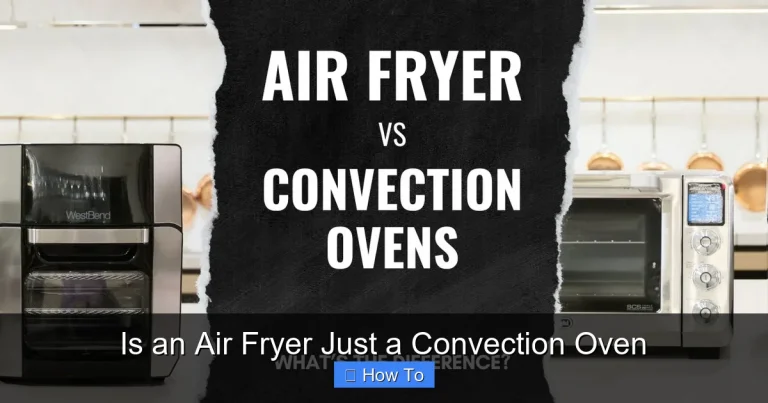
Convection ovens use a fan to circulate hot air, similar to air fryers but in a larger space. Air fryers are compact and more energy-efficient for small meals, while convection ovens handle larger items. Learn more about using convection ovens like air fryers.