Can You Put a Toaster Oven on Wood
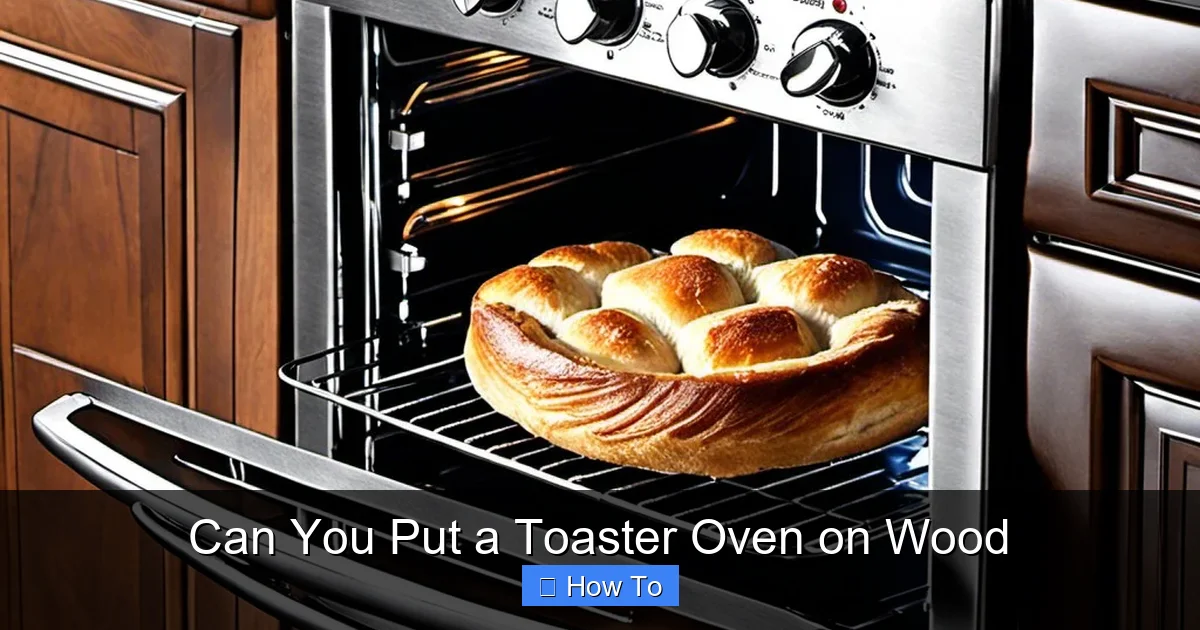
Placing a toaster oven on wood can be dangerous if proper precautions aren’t taken. Wood is flammable and can warp, scorch, or even catch fire from the heat generated by the appliance. Always use a heat-resistant surface or protective mat to keep your home safe.
The question Can You Put a Toaster Oven on Wood comes up more often than you might think. Many homeowners love the convenience of a toaster oven, but worry about where to safely place it. Wooden countertops, dining tables, and butcher block islands are common in kitchens, yet they pose unique risks when paired with heat-generating appliances. In this article, we’ll explore the safety concerns, practical solutions, and best practices so you can make an informed decision without compromising your home’s integrity. Understanding the dynamics of heat transfer is essential before deciding on a location. Toaster ovens, while compact, can reach surface temperatures that exceed 200°F on their bottom and sides. When placed directly on wood, that heat has nowhere to escape efficiently, leading to potential scorching, discoloration, or even combustion over time. Let’s dive into the details and uncover what every kitchen owner should know. The question Can You Put a Toaster Oven on Wood deserves a careful, educated answer rather than a simple yes or no, especially when your home’s safety is on the line. Wood is a natural insulator, which means it doesn’t conduct heat away from the source quickly. Instead, the heat builds up beneath the toaster oven, slowly penetrating the wood fibers. Over repeated use, you may notice discoloration, dark spots, or a charred smell emanating from the area. These are early warning signs that the wood is absorbing more heat than it should. Beyond aesthetics, there’s a genuine fire hazard. If the toaster oven’s vent is located on the bottom or if heat reflects off the surface, temperatures can rise high enough to ignite thin wooden materials. Curtains, paper towels, or nearby wooden decor can exacerbate the risk. Even if the wood doesn’t catch fire immediately, prolonged exposure can weaken its structural integrity, making it brittle or warped. Another often-overlooked factor is the toaster oven’s own design. Many models have vents on the underside or back, meaning the heat doesn’t just rise upward—it also radiates downward. Without proper airflow clearance, the wood beneath absorbs a significant portion of that energy. This reality underscores why the question Can You Put a Toaster Oven on Wood isn’t just about immediate danger, but about long-term safety too. Different wood types react differently to sustained heat; pine may char faster than hard maple, but no wood is completely immune to prolonged exposure. This is why understanding your material matters.
Fire departments and appliance safety experts consistently warn against placing electrical heating devices on combustible surfaces. A toaster oven can malfunction, its heating elements can degrade, or debris can cause short circuits. If any of these occur on a wooden surface, the results can be catastrophic. Always assume the worst-case scenario and plan your placement accordingly. Some toaster ovens have automatic shut-off features, but residual heat can continue to radiate for several minutes after powering down, continuing to impact the surface beneath. This delayed heat transfer is a silent danger many overlook. In my own kitchen experience, I’ve seen wooden tables develop permanent indentations or melt-resistant finishes after just a few months of regular toaster oven use. The key takeaway: direct contact is rarely safe, and the risk grows with every use. Different wood types react differently to sustained heat; pine may char faster than hard maple, but no wood is completely immune to prolonged exposure. This is why understanding your material matters.
Heat Concentration and Surface Impact
The center of the toaster oven’s bottom typically reaches the highest temperatures. When this constant heat source presses against wood, the material beneath the appliance experiences the most stress. Different wood types react differently to sustained heat; pine may char faster than hard maple, but no wood is completely immune to prolonged exposure. This is why understanding your material matters. Fire departments and appliance safety experts consistently warn against placing electrical heating devices on combustible surfaces. A toaster oven can malfunction, its heating elements can degrade, or debris can cause short circuits. If any of these occur on a wooden surface, the results can be catastrophic. Always assume the worst-case scenario and plan your placement accordingly. Some toaster ovens have automatic shut-off features, but residual heat can continue to radiate for several minutes after powering down, continuing to impact the surface beneath. This delayed heat transfer is a silent danger many overlook. In my own kitchen experience, I’ve seen wooden tables develop permanent indentations or melt-resistant finishes after just a few months of regular toaster oven use. The key takeaway: direct contact is rarely safe, and the risk grows with every use.
Fire Risks You Can’t Ignore
Fire departments and appliance safety experts consistently warn against placing electrical heating devices on combustible surfaces. A toaster oven can malfunction, its heating elements can degrade, or debris can cause short circuits. If any of these occur on a wooden surface, the results can be catastrophic. Always assume the worst-case scenario and plan your placement accordingly. Some toaster ovens have automatic shut-off features, but residual heat can continue to radiate for several minutes after powering down, continuing to impact the surface beneath. This delayed heat transfer is a silent danger many overlook. In my own kitchen experience, I’ve seen wooden tables develop permanent indentations or melt-resistant finishes after just a few months of regular toaster oven use. The key takeaway: direct contact is rarely safe, and the risk grows with every use.
Key Takeaways
- Point 1: Wood is highly flammable and can ignite when exposed to the high surface temperatures of a toaster oven.
- Point 2: Heat transfer through direct contact can cause discoloration, warping, or permanent damage to wooden countertops and tables.
- Point 3: Always maintain a minimum clearance of several inches between the toaster oven and any wooden surface.
- Point 4: Use a heat-resistant mat, trivet, or ceramic tile as a protective barrier beneath the appliance.
- Point 5: Never operate a toaster oven on an unprotected wooden table or near wooden cabinets without proper ventilation.
- Point 6: Regularly inspect the area beneath and around the toaster oven for signs of scorching or heat damage.
📑 Table of Contents
How Toaster Ovens Generate Heat
To make safe decisions, it helps to understand exactly how your toaster oven works. Most models use heating elements positioned at the top, bottom, or both. When electricity flows through these elements, they glow red-hot, radiating heat into the cooking cavity and outward toward the surrounding environment. The design of your specific model significantly influences how much heat escapes downward and how quickly the exterior surfaces warm up. Convection toaster ovens include a fan that circulates hot air throughout the interior. This movement distributes heat more evenly, but it also means the exterior surfaces, including the bottom, can become hotter than in non-convection models. The fan pushes hot air around, which increases overall heat output and can cause the bottom surface to reach higher temperatures more quickly. Radiant heat, on the other hand, relies on direct infrared emission, which can create intense hot spots directly beneath the unit without the aid of a fan. Knowing which type you own helps tailor your safety approach and informs your placement decisions. Some modern toaster ovens combine both convection and radiant heating, offering the best of both worlds but also requiring extra caution regarding surface temperatures. Always check your model’s specifications to understand its heat profile.
Convection vs. Radiant Heat
Convection toaster ovens include a fan that circulates hot air throughout the interior. This movement distributes heat more evenly, but it also means the exterior surfaces, including the bottom, can become hotter than in non-convection models. The fan pushes hot air around, which increases overall heat output and can cause the bottom surface to reach higher temperatures more quickly. Radiant heat, on the other hand, relies on direct infrared emission, which can create intense hot spots directly beneath the unit without the aid of a fan. Knowing which type you own helps tailor your safety approach and informs your placement decisions. Some modern toaster ovens combine both convection and radiant heating, offering the best of both worlds but also requiring extra caution regarding surface temperatures. Always check your model’s specifications to understand its heat profile.
Bottom Plate Temperatures
Independent testing has shown that the bottom plate of a toaster oven can reach 300°F or higher after 15 minutes of operation at 450°F. That’s well above the kindling point of many wood types. Even if the oven auto-shuts off, the residual heat lingers, continuing to transfer into whatever surface it rests on. This reality underscores why the question Can You Put a Toaster Oven on Wood isn’t just about immediate danger, but about long-term safety too. When asking Can You Put a Toaster Oven on Wood, it’s clear that temperature thresholds are a major concern for any responsible homeowner. The combination of high bottom plate temperatures and wood’s insulating properties creates a perfect storm for heat damage over time.
Safe Surfaces and Recommended Placement
Not all countertops are created equal. Materials like stainless steel, granite, quartz, and ceramic tile are designed to withstand high temperatures without damage. These surfaces reflect heat away and allow for safe toaster oven placement, provided there’s adequate ventilation space around the unit. Choosing the right surface is the first line of defense against heat-related accidents. Laminate countertops, while attractive, can warp or delaminate when exposed to repeated heat, making them a less ideal choice for toaster oven placement. Always verify the heat tolerance of your specific countertop material before setting up your appliance. Wooden butcher blocks, while popular for their aesthetic appeal, demand extra caution; they should always be paired with a heat-resistant mat if a toaster oven is placed upon them. The natural grain of wood absorbs and retains heat, so never skip the protective layer.
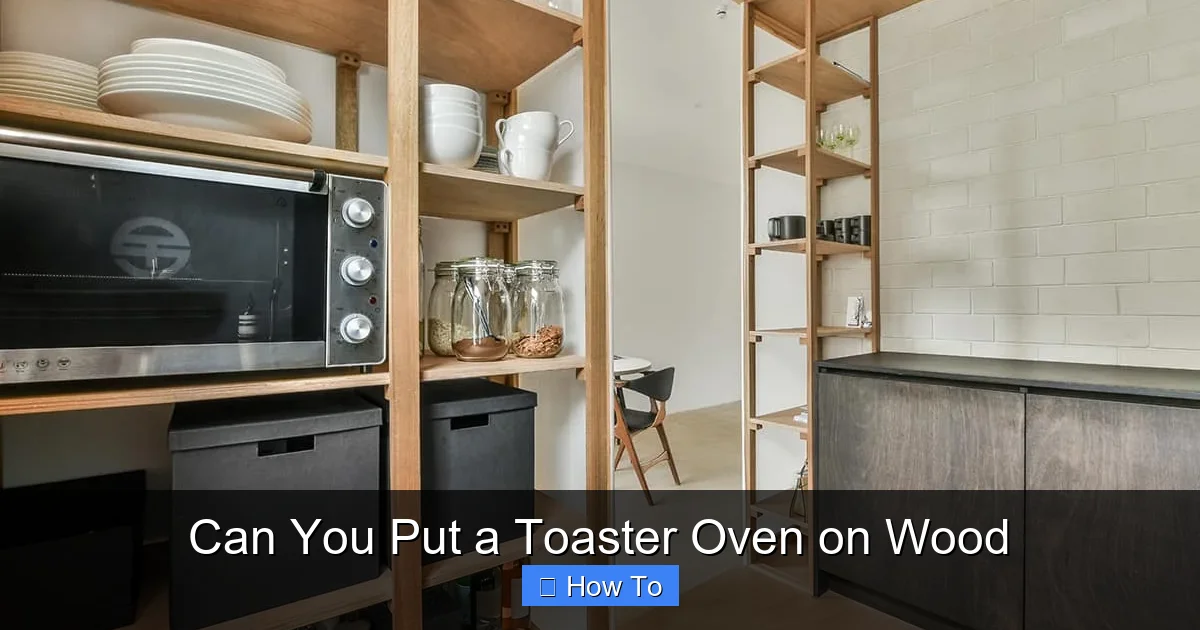
Visual guide about Can You Put a Toaster Oven on Wood
Image source: howdykitchen.com
Ideal Countertop Materials
If you’re remodeling or choosing a new kitchen surface, prioritize heat-resistant materials. Granite and quartz can typically handle brief exposure to hot appliances without sealing or cracking. Stainless steel is the gold standard for heat tolerance, though it can scratch and may require a protective mat to prevent noise and movement. Marble can also work but may stain from oil or food splatter if not sealed properly. Always check the manufacturer’s recommended temperature limits for your specific countertop material. Butcher block islands, while popular, demand extra caution; they should always be paired with a heat-resistant mat if a toaster oven is placed upon them. The natural grain of wood absorbs and retains heat, so never skip the protective layer.
Protective Accessories That Work
If you must place your toaster oven on wood, a high-quality heat-resistant mat is non-negotiable. Look for mats made of silicone, cork, or ceramic fiber—materials rated to withstand at least 500°F. These mats create a thermal barrier, distributing the weight and heat across a larger area and protecting the wood beneath. Additionally, a simple ceramic tile or a metal trivet from your cookware set can serve as an effective, low-cost barrier. When selecting a protective layer, ensure it extends beyond the toaster oven’s footprint. A common mistake is using a mat that’s too small, leaving edges of the appliance in direct contact with the wood. Measure your toaster oven’s base and add at least 2–3 inches of protective material on all sides for optimal safety. Some mats even come with non-slip backing, which keeps the appliance stable and prevents sliding during operation. Remember, the mat is your first line of defense, but it works best when combined with proper ventilation and regular inspections.
What to Do If You Already Have One on Wood
Maybe you’re reading this because your toaster oven is already sitting on a wooden table, and you’re wondering if it’s too late to fix the situation. The good news is that you can mitigate risks without having to move the appliance entirely. First, invest in a heat-resistant mat or ceramic tile large enough to cover the entire bottom surface of the toaster oven. Place it directly between the appliance and the wood, ensuring no part of the oven’s base makes contact with the wood grain. Second, regularly inspect the area for any signs of discoloration, softening, or burning smells. If you notice any of these, discontinue use on that surface immediately. Third, consider rearranging your kitchen layout. Moving the toaster oven to an island with a quartz countertop, or into a dedicated appliance garage with proper ventilation, can eliminate the risk altogether. Remember, the goal is to enjoy the convenience of your toaster oven without compromising your home’s safety.
If you’re not ready to relocate the appliance, you can also elevate it using a sturdy metal stand designed for kitchen appliances. This creates airflow underneath, reducing the amount of heat transferred to the wood surface. Just ensure the stand itself is heat-resistant and stable. Additionally, keeping the area clear of clutter, towels, or paper products adds an extra layer of protection against accidental ignition. Some homeowners use a layer of aluminum foil as a temporary heat shield, but this is not recommended as foil can melt or shift, creating a fire hazard. Stick to certified heat-resistant materials for the best protection.
Best Practices for Kitchen Safety
Beyond the specific question of wood, general toaster oven safety follows a few golden rules. Always leave at least 4–6 inches of clearance on all sides, especially the back and top, where vents are typically located. Never operate the oven near water, flammable curtains, or paper products. And always unplug the unit when it’s not in use, particularly if you’ve been using it for extended cooking sessions. These simple habits go a long way in preventing accidents. It’s also a good idea to wipe down the exterior of the toaster oven regularly to remove grease buildup, which can ignite if it gets too hot.
It’s also wise to keep a small fire extinguisher or baking soda nearby in the kitchen. While toaster oven fires are rare, they do happen, and having the right suppression method can make all the difference. Avoid using water on an electrical fire, as it can spread the flames. Instead, smother the flames with a metal lid or use baking soda to cut off the oxygen supply. These techniques are easy to learn and could save your home in an emergency. Additionally, never leave the toaster oven unattended while it’s operating, especially if you’re cooking fatty or oily foods that can splatter and cause flare-ups.
Finally, read your manufacturer’s manual. Every toaster oven model is different, and the manual will specify recommended clearance distances, safe surface types, and any model-specific warnings. Following the manufacturer’s guidelines is the simplest way to ensure you’re using your appliance as intended. If you’ve lost your manual, most manufacturers post PDF versions on their websites, searchable by model number. Taking a few minutes to review the manual can reveal safety features you might otherwise miss.
If you’re unsure about the best location for your appliance, check out our guide on where to put a toaster oven for expert tips on optimal placement.
Another safety consideration is remembering to can you leave a toaster oven plugged in when you’re not around, as standby power can still pose risks.
For added peace of mind, learn what happens if you can you put paper in the toaster oven and why keeping flammable items away is non-negotiable.
Conclusion
So, can you put a toaster oven on wood? The short answer is: it’s possible with the right precautions, but it’s not recommended as a default practice. Wood’s flammability and heat-absorbing nature make it a risky surface for direct appliance placement. By using heat-resistant mats, choosing safer countertop materials, and adhering to clearance guidelines, you can significantly reduce the dangers. Remember, a few extra seconds of planning can save you from costly damage or worse, a kitchen fire. Prioritize safety, and your toaster oven can remain a trusty kitchen companion for years to come. When finally considering Can You Put a Toaster Oven on Wood, the safest path is always precaution-first.
Frequently Asked Questions
Is it safe to put a toaster oven directly on a wooden table?
No, it is not recommended. Wood can absorb heat, leading to scorching, warping, or even fire over time. Always use a heat-resistant mat or trivet as a protective barrier.
What type of mat should I use under a toaster oven on wood?
Look for silicone, cork, or ceramic fiber mats rated to withstand at least 500°F. These materials create an effective thermal barrier that protects the wood beneath from heat damage.
Can a toaster oven cause a fire on wood?
Yes, prolonged exposure to the high surface temperatures of a toaster oven can ignite wood, especially if vents are on the bottom or if the appliance malfunctions. Never operate a toaster oven on unprotected wood.
How much clearance should I leave around a toaster oven on any surface?
Leave at least 4–6 inches of clearance on all sides, particularly around the vents, to allow proper airflow and prevent overheating of the surrounding area.
Is granite or wood safer for toaster oven placement?
Granite is significantly safer. It’s a natural stone that resists heat and won’t scorch or catch fire, unlike wood, which is flammable and can absorb heat over time.
What should I do if my wooden countertop already shows heat damage?
Discontinue use of the toaster oven on that surface immediately. Assess the damage; minor discoloration may be cosmetic, but charring or softening indicates structural compromise, and the area should be repaired or the appliance relocated.