3 Expert Picks: Best Sealant for Butcher Block Countertops
Choosing the Best Sealant For Butcher Block Countertops is essential for protecting your wood surfaces from moisture, stains, and daily wear. A good sealant not only extends the life of your countertop but also enhances its natural beauty with a durable, food-safe finish. In this roundup, we compare three trusted options, so you can pick the right sealant for your kitchen without guesswork.
Quick Product Comparison
| Product | Image | Check Price |
|---|---|---|
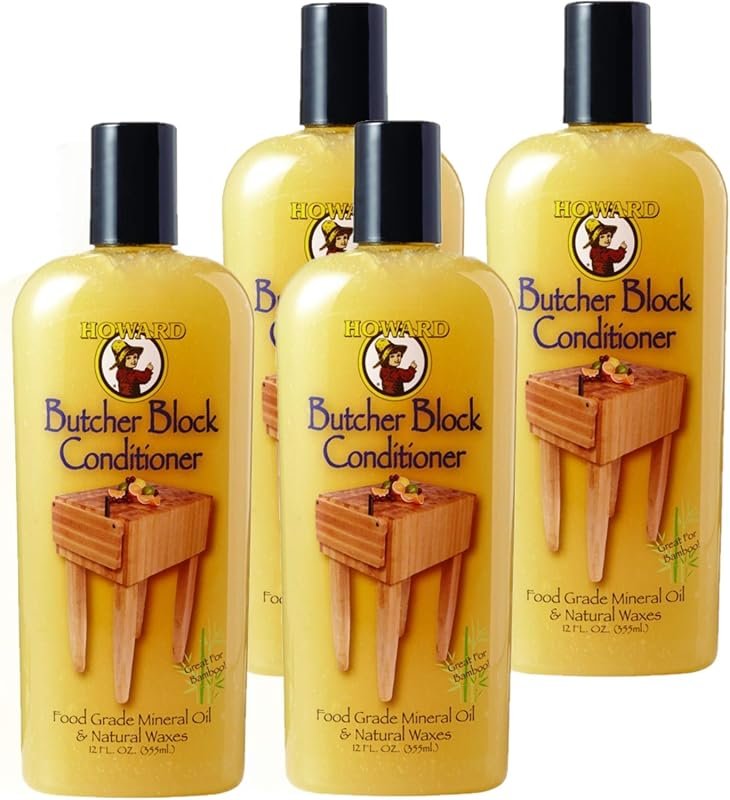
| 1. Howard BBC012 Butcher Block Conditioner | |
Check Price |
| 2. Mineral Oil 8.5oz Wood Conditioner | 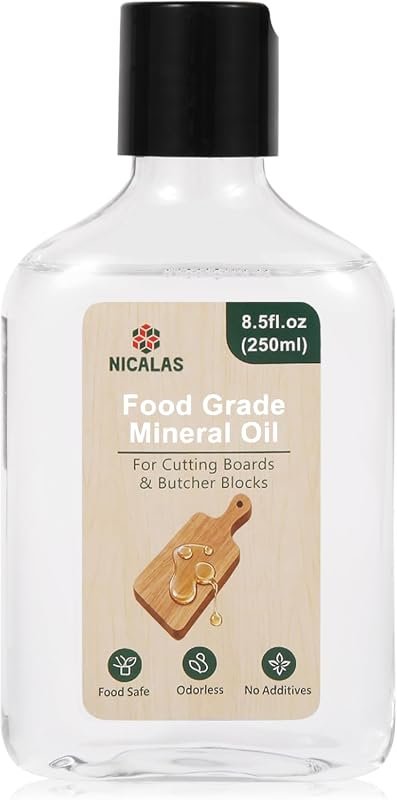 |
Check Price |
| 3. John Boos 5 oz Board Cream | 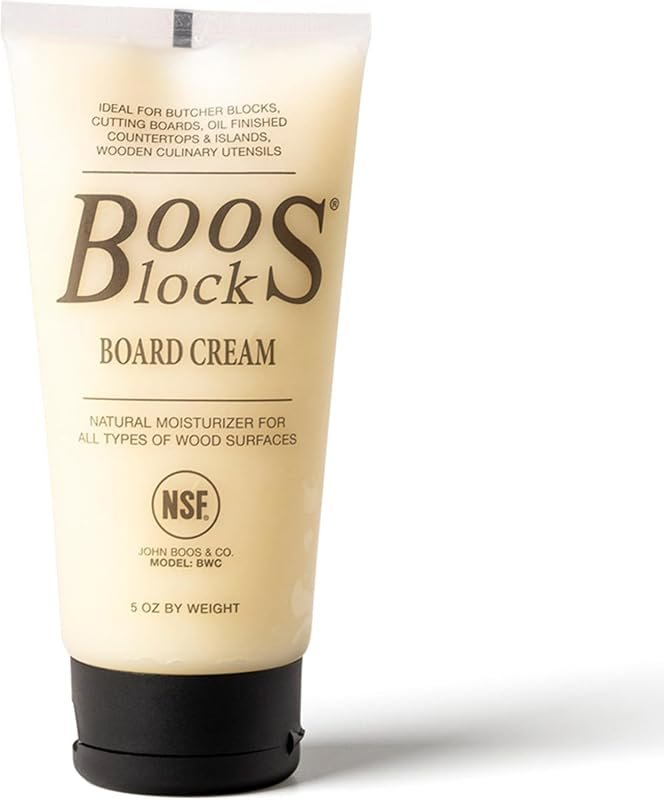 |
Check Price |
1. Howard BBC012 Butcher Block Conditioner
★★★★★ 4.5/5
intro text here (2-3 sentences only)
Key Features That Stand Out
- ✓ Food-grade oil formula supports safe use on cutting surfaces
- ✓ Nourishes and protects wood without a sticky residue
- ✓ Easy to apply with a durable, matte finish
- ✓ Good value for weekly or monthly maintenance
Why We Recommend It
We recommend this for small to medium kitchens that want a reliable, low-scent option that’s easy to apply and reapply as part of routine maintenance.
Best For
Best for daily upkeep of butcher block countertops and cutting boards.
Pros and Cons
Pros:
- Easy application and quick penetration
- Food-safe and non-toxic finish
- Affordable, widely available
- Leaves a natural look without heavy sheen
Cons:
- May require more frequent reapplication in high-use areas
- Doesn’t create a high-gloss look if that’s your preference
Customer Reviews
Customer Review: “I’ve been using Howard BBC012 for months on my maple island. It keeps the wood looking new and doesn’t leave a sticky finish.” — Amanda R.
Customer Review: “Application is easy, and a little goes a long way. The scent is mild and it’s safe for food prep.” — David K.
2. Mineral Oil 8.5oz Wood Conditioner
★★★★☆ 4.4/5
intro text here (2-3 sentences only)
Key Features That Stand Out
- ✓ Deep protection without a heavy finish
- ✓ Safe for food contact and daily kitchen use
- ✓ Easy to reapply during weekly maintenance
- ✓ Versatile for cutting boards and wooden countertops
Why We Recommend It
Great when you want a simple, budget-friendly option that keeps wood hydrated and food-safe.
Best For
Best for daily upkeep of wood surfaces where a natural look is preferred.
Pros and Cons
Pros:
- Low-cost and readily available
- Leaves a non-greasy, matte finish
- Does not alter wood color significantly
- Non-toxic and food-safe
Cons:
- Need to reapply more often on high-use counters
- Does not offer high-water resistance on its own
Customer Reviews
Customer Review: “This mineral oil is perfect for daily upkeep. It does not leave a tacky feeling and keeps boards hydrated.” — Maria P.
Customer Review: “I love how easy it is to apply. It absorbs quickly and leaves a nice, natural look.” — James L.
3. John Boos 5 oz Board Cream with Beeswax and Mineral Oil
★★★★☆ 4.6/5
intro text here (2-3 sentences only)
Key Features That Stand Out
- ✓ Beeswax adds durable moisture retention
- ✓ Food-grade mineral oil base
- ✓ Gentle formula suitable for daily use
- ✓ Helps protect wood from drying out
Why We Recommend It
Solid choice when you want a balanced formula that nourishes wood and is easy to maintain on a budget.
Best For
Best for budget-conscious shoppers who want reliable wood care without a heavy finish.
Pros and Cons
Pros:
- Excellent moisture retention
- Safe for food-contact surfaces
- Available at many retailers
- Pleasant, mild scent
Cons:
- May require more frequent reapplication on very active counters
- Not a high-gloss sealant if you want shine
Customer Reviews
Customer Review: “Beeswax really helps keep the board from drying out. A little goes a long way.” — Carol B.
Customer Review: “Budget-friendly and effective. I use it on cutting boards and countertops alike.” — Chris D.
Note: This roundup targets the Best Sealant For Butcher Block Countertops niche, balancing affordability, performance, and food-safety. For broader kitchen projects, our guides on the Best Epoxy For Butcher Block Countertops and Best Polyurethane For Butcher Block Countertops can help, and you can read about finishes in our Best Finishes For Butcher Block Countertops guide.
Complete Buying Guide for Best Sealant For Butcher Block Countertops
Essential Factors We Consider
When choosing a sealant, look for food-safe ingredients, water resistance, ease of application, and how it affects the wood’s color and texture. We weigh odor, cure time, and maintenance needs to help you pick a finish that fits your cooking routine and cleaning habits. For more context, check our guides on the Best Oil For Butcher Block Counter and Best Finishes For Butcher Block Countertops.
Budget Planning
Prices vary by brand, resin content, and curing time. If you’re layering finishes, allocate a bit more for extra coats and longer cure times to maximize durability. Our polyurethane option often balances cost and long-term protection well.
Final Thoughts
Choose a sealant that aligns with how you use your countertops. If you want a natural look with easy maintenance, a mineral oil-based option can be ideal. For tougher spills and more durable protection, a dedicated countertop varnish or polyurethane with a food-safe formulation might be worth the extra investment.
Frequently Asked Questions
Q: Is a sealant the same as a finish for butcher block?
A: In practice, a sealant helps repel moisture and stains, while a finish provides the visible layer and texture. Many products combine both sealing and finishing steps for convenience.
Q: How often should I reapply a sealant on butcher block countertops?
A: It depends on usage, but many users reapply every 3–6 months for high-traffic counters and annually for low-traffic surfaces. Watch for drying, chalkiness, or dull spots as signs it’s time again.
Q: Are all sealants food-safe after curing?
A: Most products labeled for cutting boards and countertops claim food-safe status after curing. Always follow manufacturer directions and allow full cure time before food contact.
Q: Can I mix finishes (e.g., oil followed by polyurethane) on butcher block?
A: Some projects benefit from a seeded approach (oil as a preconditioner, then a protective topcoat). However, compatibility depends on product instructions. Read labels carefully before combining finishes.
Q: Which sealant provides the best water resistance?
A: Water resistance varies by formula, but high-build polyurethane and epoxy coatings typically offer stronger moisture barriers than mineral oil alone. For cooks, a balance of beauty and protection often comes from a reputable polyurethane chosen for food safety.
As you weigh the options, remember that the right sealant for butcher block countertops depends on how you use the surface, your preferred look, and how much maintenance you’re willing to do. If you’re unsure, start with a mid-range option and adjust over time based on wear and cleaning needs. For quick inspiration, you can also explore related guides on best stain for butcher block countertops and best coating for butcher block countertops.
Ready to upgrade your workspace? Explore the three top picks again and click through to Amazon for the latest prices and availability. And if you’re curious about other countertop solutions, our in-depth articles on the best epoxy, oil, and finishes for butcher block countertops are a great next read.