Is There a Combination Microwave Toaster Oven
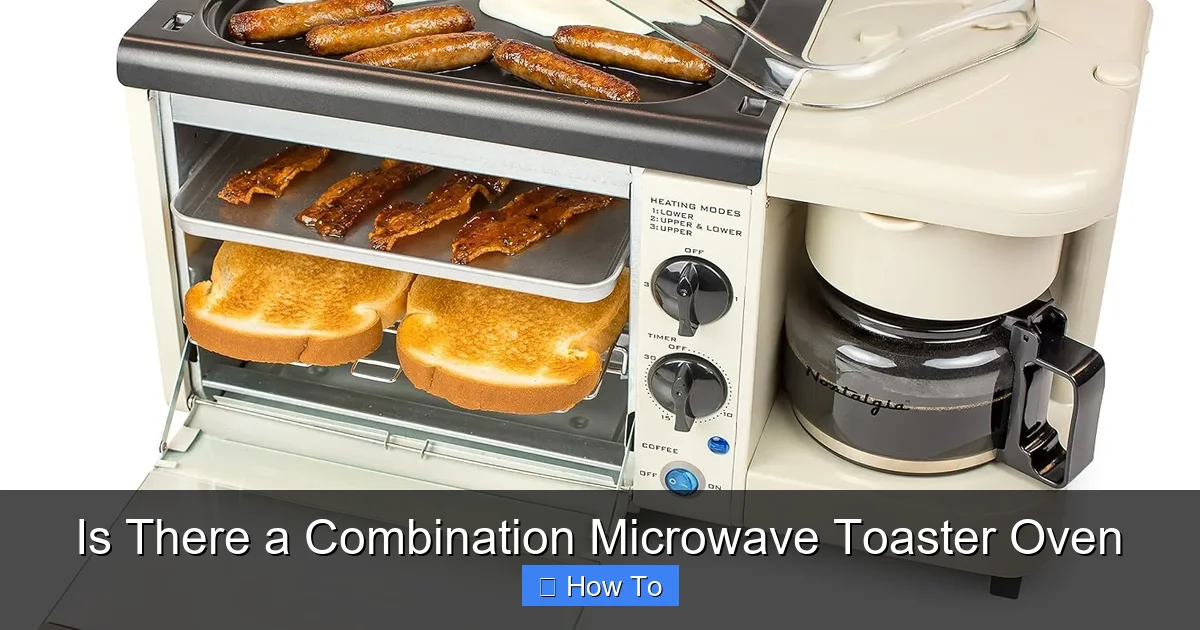
Are you wondering if there is a combination microwave toaster oven that can replace both appliances? This guide covers the latest models, their capabilities, and how to pick the best one for your needs.
Have you ever looked at your kitchen counter and wondered if one appliance could replace both the microwave and the toaster oven? A combination microwave toaster oven promises to do exactly that, offering a space‑saving solution for small kitchens and busy households. In this article we will explore what these units are, how they work, and which models are worth considering.
The appeal of a combination microwave toaster oven lies in its ability to defrost, bake, toast, and even grill all from a single box. By merging two common appliances, you can reduce clutter and potentially lower your energy bill. However, not all models are created equal, so it’s important to understand the features that matter most.
Another advantage is the flexibility to cook a variety of foods without preheating a full‑size oven. Whether you’re reheating a quick snack or preparing a small family dinner, the combination unit can handle both tasks efficiently.
Key Takeaways
- Space‑saving design: A single unit replaces a microwave and a toaster oven, freeing counter space.
- Versatile cooking: It can defrost, bake, toast, and grill, handling a wide range of meals.
- Energy efficiency: Using one appliance for small tasks often uses less power than a full‑size oven.
- Key features to check: Look for adequate capacity, high wattage, convection fan, and easy cleaning.
- Budget vs. benefits: Higher upfront cost can be justified by convenience and long‑term savings.
- Maintenance matters: Regular cleaning and descaling extend the appliance’s lifespan.
- Warranty and support: A solid warranty and responsive customer service add peace of mind.
📑 Table of Contents
Understanding the Combination Microwave Toaster Oven
A combination microwave toaster oven is a single appliance that integrates a microwave generator with conventional heating elements. The microwave component uses a magnetron to produce electromagnetic waves that heat water molecules in food, while the toaster oven part employs quartz or metal elements that emit radiant heat to brown and crisp surfaces.
Size and Capacity
These units typically range from 0.9 to 2.0 cubic feet. A larger cavity can fit a 12‑inch pizza or a small casserole, while a compact model is ideal for studio apartments or dorm rooms. Consider the dimensions of your countertop and the size of the dishes you commonly use.
Energy Efficiency
A combination microwave toaster oven often uses less energy than running a full‑size oven for small meals. The microwave mode heats food directly, while the toaster oven mode can be more efficient than a conventional oven for dishes that require only a few minutes of browning. Look for models with an energy‑saving mode or automatic shut‑off to further reduce power consumption.
How It Differs from a Standalone Microwave
Unlike a standard microwave, which only heats and cannot create a browned crust, a combination unit adds the ability to toast, bake, and broil. This means you can achieve a golden finish on a sandwich or a crispy topping on a casserole, something a microwave alone cannot accomplish.
How It Differs from a Traditional Toaster Oven
A traditional toaster oven relies solely on heating elements and lacks the rapid defrosting capability of a microwave. The combination model adds microwave power, which can cut cooking time by half for many dishes, making it a versatile addition to any kitchen.
How It Works and Key Technologies
The appliance alternates between microwave energy and conventional heat. When you select a mode, the control board decides which component to activate. In microwave mode, the magnetron produces waves that agitate water molecules. In toaster mode, the quartz elements glow and emit infrared radiation.
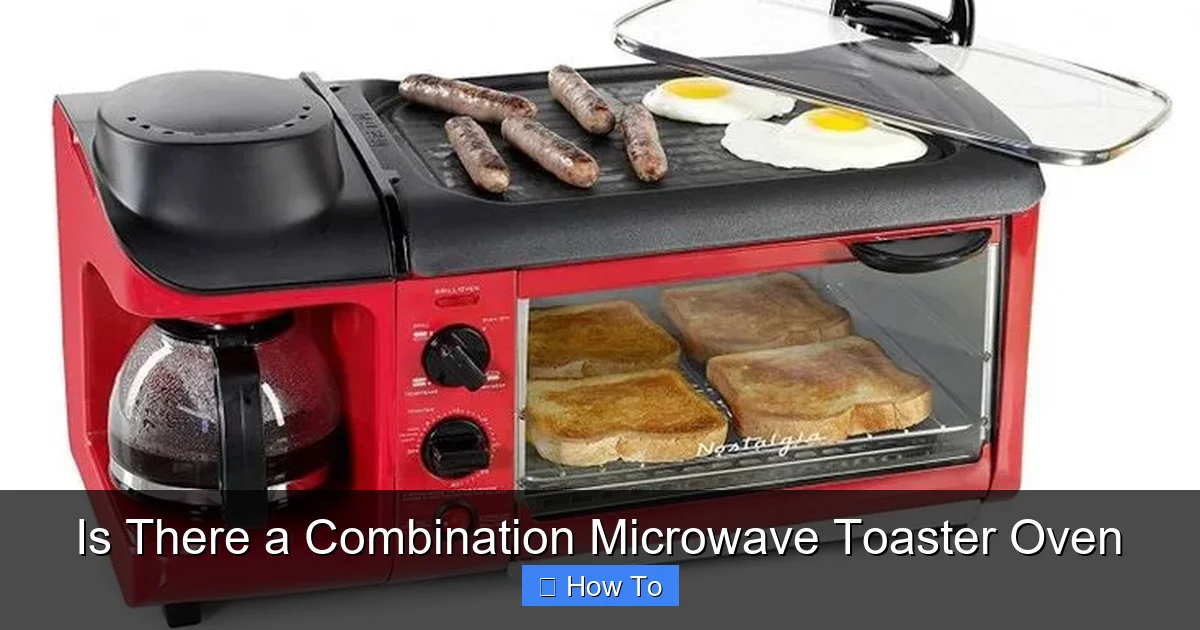
Visual guide about Is There a Combination Microwave Toaster Oven
Image source: i.pinimg.com
Microwave Generation
The magnetron creates high‑frequency waves that cause water molecules to vibrate, generating heat. This process is fast, often cooking a plate of leftovers in under two minutes.
Heating Elements
The toaster oven section uses either quartz tubes or metal coils that heat up quickly. These elements are positioned at the top and sometimes the bottom of the cavity to provide even browning.
Automatic Mode Switching
Many high‑end models include sensors that detect moisture levels and switch from microwave to bake automatically. This feature helps prevent overcooking and ensures even results, which is especially useful when reheating leftovers or cooking frozen meals.
Power Levels and Settings
You can often adjust microwave power from 100 to 1000 watts, and set the toaster oven temperature from 150°F to 450°F. Some units also offer convection fans that circulate hot air, mimicking a regular oven and improving browning.
Safety Features
Most models include a child lock, auto shut‑off, and a door interlock that stops the microwave when the door opens. These safety measures are important for households with kids or pets.
Convection Fan
Many units include a small fan that circulates hot air inside the cavity. This convection effect promotes even cooking and helps create a crispier exterior on foods like chicken wings or roasted vegetables. The fan can usually be turned on or off, allowing you to choose between rapid microwave heating and traditional bake settings.
For a deeper look at the mechanics, see how a microwave toaster oven works.
Important Features When Shopping
When evaluating a combination microwave toaster oven, consider these specifications to ensure you get the most value for your money.
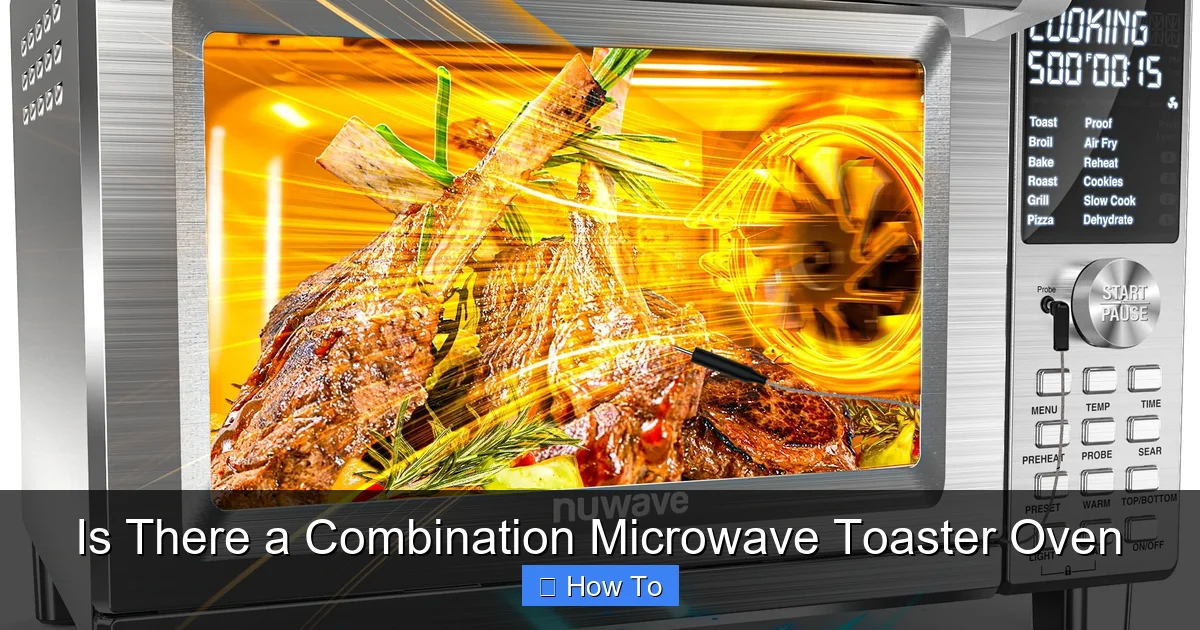
Visual guide about Is There a Combination Microwave Toaster Oven
Image source: m.media-amazon.com
- Capacity: Look for at least 1.5 cubic feet if you plan to cook full‑size plates. A larger interior can accommodate bigger dishes and reduce the need for multiple batches.
- Power: A 1000‑watt microwave and 1500‑watt toaster oven provide quick results. Higher power means faster cooking and better browning.
- Convection: A fan helps bake evenly and reduces cooking time. Convection is especially useful for pastries and roasted vegetables.
- Pre‑set Programs: Buttons for pizza, popcorn, or defrost simplify operation. These presets are programmed with optimal time and power settings.
- Easy Cleaning: Non‑stick interiors and removable crumb trays save effort. Some models feature a self‑clean cycle that uses steam to loosen grease.
Additional Extras
Some models include a grill function, a keep‑warm setting, or a digital display with timer alerts. These can turn a basic unit into a kitchen workhorse, especially if you enjoy hosting brunch or preparing multiple dishes at once.
Warranty and Support
Check the manufacturer’s warranty period and what it covers. A longer warranty often indicates confidence in the product’s durability. Additionally, responsive customer support and available replacement parts can make a big difference if you encounter issues down the line.
User Interface and Display
The layout of the buttons and the responsiveness of the touch panel can greatly affect your experience. Look for models with backlit displays and intuitive icons. A simple, well‑designed interface reduces the learning curve and makes everyday use more pleasant.
Comparing Top Models and Making a Choice
Here are three popular choices that consistently receive good reviews, each catering to different needs.
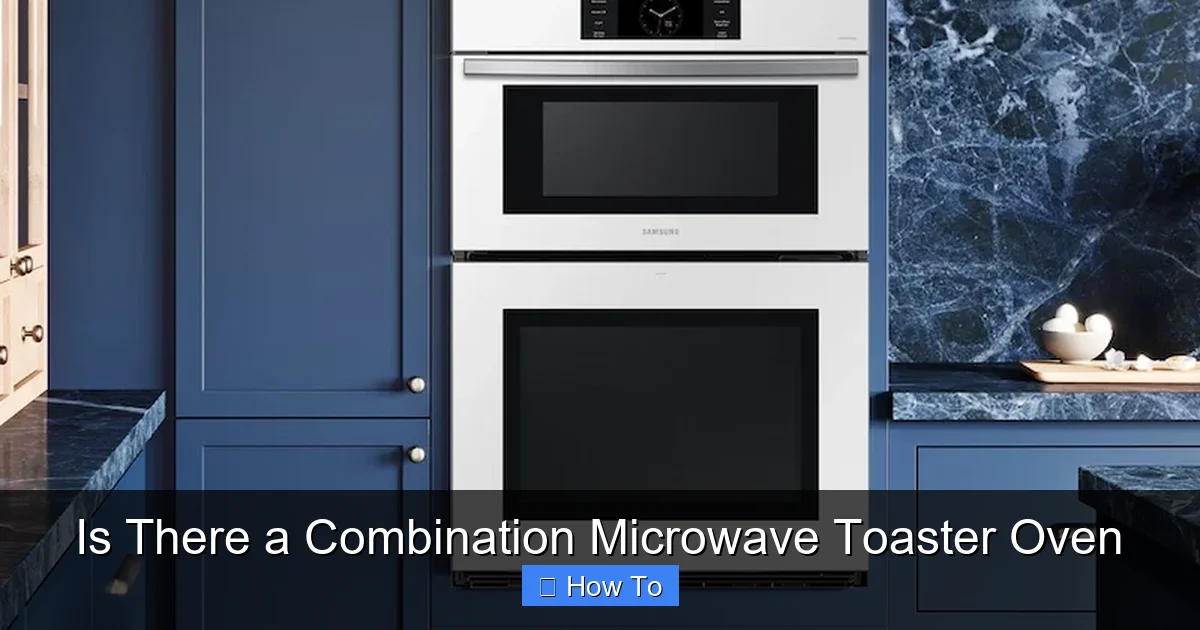
Visual guide about Is There a Combination Microwave Toaster Oven
Image source: image-us.samsung.com
Model A – Compact Powerhouse
This unit offers 900‑watt microwave and 1200‑watt toaster oven. Its 1.2‑cubic‑foot interior fits a standard dinner plate. Users love the one‑touch defrost and the stainless‑steel finish, making it ideal for small apartments.
Model B – Large Capacity
With a 1.8‑cubic‑foot cavity, this model can accommodate a 12‑inch pizza. It includes a convection fan and a grill rack, making it suitable for family meals and occasional baking of casseroles.
Model C – Budget Friendly
Although priced lower, it still provides 800‑watt microwave and 1000‑watt bake. The digital display and 10 pre‑set programs make it easy to use for beginners, and its compact footprint fits on a standard countertop.
For more options, explore microwave toaster oven combos to see the latest releases.
Tips for Choosing the Right Unit
Start by measuring your available counter space. A combination microwave toaster oven can be as wide as 24 inches, so ensure it fits comfortably.
If you frequently reheat leftovers, prioritize microwave power. If you enjoy baking or toasting, look for a model with strong heating elements and convection.
Read customer reviews for reliability and noise levels. A warranty of at least one year gives peace of mind.
For a direct comparison of the two appliance types, see which is better microwave or toaster oven.
Where to Buy
You can find combination microwave toaster oven models at major appliance retailers, online marketplaces, and department stores. Compare prices across different sellers and look for seasonal sales or bundle deals that include extra accessories like a rotisserie spit or a baking pan.
Accessories Included
Many combination units come with a set of accessories such as a baking pan, crumb tray, and sometimes a rotisserie fork. These extras can enhance cooking performance and provide more options for different recipes. Check what is included in the box to avoid additional purchases.
Care and Maintenance
Proper care extends the life of your combination microwave toaster oven and keeps it performing at its best.
Cleaning the Interior
Unplug the unit and wipe the interior with a soft cloth and a mild detergent. Avoid abrasive pads that can scratch the non‑stick coating. Rinse with a damp cloth and dry thoroughly before use.
Removing Crumbs and Grease
The crumb tray should be removed and washed in warm, soapy water. For stubborn grease, soak the tray for a few minutes before scrubbing. A clean tray prevents smoke and unpleasant odors during toasting.
Descaling the Microwave
Over time, mineral deposits can build up inside the microwave cavity. Run a cycle with a mixture of water and white vinegar for about five minutes, then wipe the interior clean. This routine should be performed every few months.
Inspecting the Door Seal
A damaged door seal can cause microwave leakage and reduce efficiency. Check the seal regularly and replace it if you notice cracks or gaps.
Storage Tips
If you plan to store the unit for an extended period, unplug it and allow it to cool completely. Place a dry cloth inside to absorb any residual moisture, and keep the door slightly ajar to prevent odors from building up.
Troubleshooting Common Issues
If the appliance fails to heat, first verify that the door is fully closed and that the power cord is plugged in. For uneven cooking, ensure the turntable is properly aligned. Should the display show an error code, consult the user manual for specific guidance.
Final Thoughts and Recommendations
A combination microwave toaster oven can replace two appliances, save counter space, and expand your cooking options. While the initial price may be higher, the convenience and versatility often justify the investment. By focusing on capacity, power, and extra features, you can select a model that fits your kitchen and lifestyle.
Consider your daily cooking habits, measure your space, and read up on the latest models. With the right choice, you’ll enjoy faster meals, better textures, and a cleaner countertop.
Long‑term Value
Investing in a reliable combination microwave toaster oven can pay off over several years. The ability to cook a wide range of dishes from a single appliance reduces the need for multiple devices, which can lower your overall kitchen expenses. With proper maintenance, a quality model can serve you for five to seven years or more.
Environmental Considerations
Choosing an energy‑efficient combination microwave toaster oven can reduce your household’s carbon footprint. Look for models with an Energy Star rating, which indicates they meet strict efficiency standards. Using the appliance for short meals instead of a full‑size oven also saves energy.
While a combination microwave toaster oven may have a higher upfront cost than a basic microwave, the long‑term savings on electricity and the convenience of a single appliance often outweigh the initial expense. Evaluate how frequently you use both microwave and toaster functions to determine if the investment makes sense for your household.
It’s a smart addition to any modern kitchen.
Consider it a versatile appliance.
Frequently Asked Questions
Is there a combination microwave toaster oven?
Yes, many brands produce models that combine microwave and toaster oven functions in a single unit. These appliances are widely available online and in major retailers.
How does a combination microwave toaster oven work?
The appliance uses a magnetron to generate microwave energy for fast heating, while heating elements provide browning and crisping. Some models automatically switch between modes based on the selected program.
What are the main benefits of using a combination microwave toaster oven?
It saves counter space by replacing two separate appliances and can cook a variety of foods from defrosting to baking. The combined functionality often reduces overall cooking time and energy use.
Can a combination microwave toaster oven replace a full‑size oven?
For most daily meals it can serve as a substitute, but it may not fit large roasts or multiple dishes. If you frequently bake for crowds, a regular oven is still recommended.
How should I clean a combination microwave toaster oven?
Unplug the unit and wipe the interior with a soft cloth and mild detergent. Remove the crumb tray and wash it separately, then dry all parts before reassembly.
What is the typical lifespan of a combination microwave toaster oven?
With proper maintenance, these units usually last between five and seven years. Regular cleaning and avoiding overloading can help extend their usable life.