Is Nuwave Cookware Oven Safe
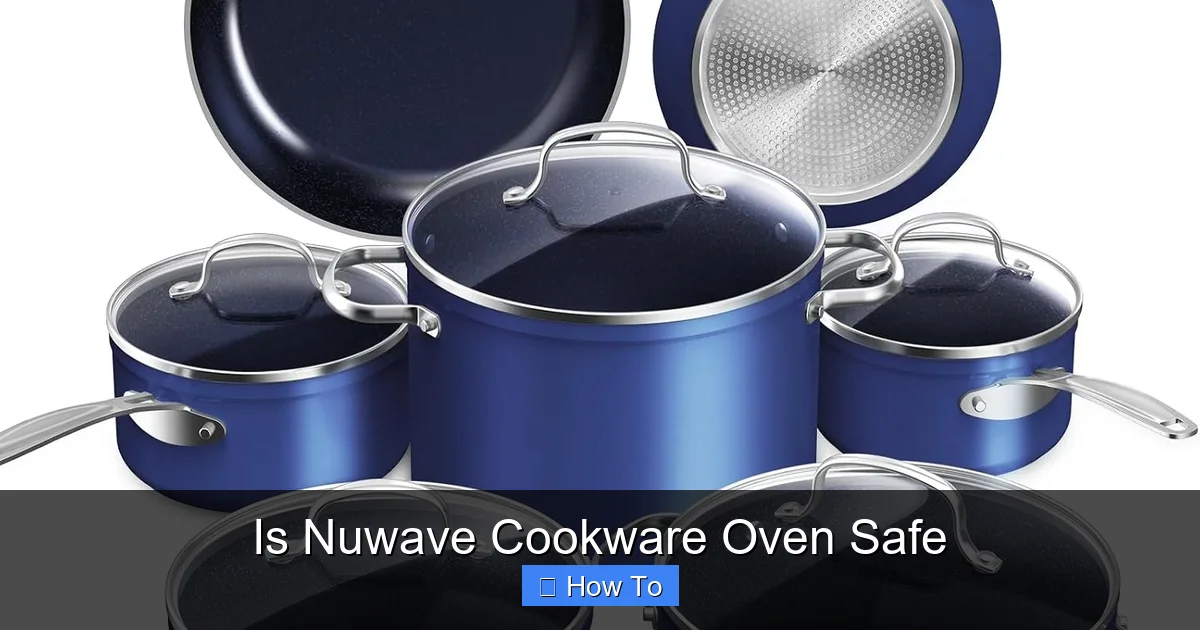
Is Nuwave Cookware Oven Safe for most recipes? Yes, the majority of Nuwave pots and pans can handle oven temperatures up to 500°F, but always check the specific model label. Proper care extends lifespan and prevents damage.
Key Takeaways
- Oven‑safe rating: Most Nuwave pieces are rated to 500°F, but verify each item.
- Material matters: Stainless steel and cast‑iron handles tolerate higher heat than silicone grips.
- Avoid sudden temperature changes: Preheat the oven before placing cookware inside.
- Use oven mitts: Handles get extremely hot even if the pan is oven safe.
- Clean gently: Hand wash with mild detergent to preserve non‑stick coating.
- Check for warping: Inspect after high‑heat use; warped pans lose even heating.
- Follow manufacturer guidelines: The user manual provides the most accurate safety data.
📑 Table of Contents
Introduction
When you invest in a new set of pots and pans, the first question that pops up is often about versatility. You want to know if you can start a dish on the stovetop and finish it in the oven without swapping containers. That is exactly why many home cooks ask, Is Nuwave Cookware Oven Safe? The short answer is yes for most pieces, but there are important details you need to understand before you slide a pan into a 450°F oven.
In this guide we break down the temperature limits, material differences, and everyday habits that keep your Nuwave cookware performing like new. Whether you are searing a steak, baking a casserole, or roasting vegetables, you will learn how to use your pans safely and confidently.
Understanding Nuwave Cookware Materials
Stainless Steel Core
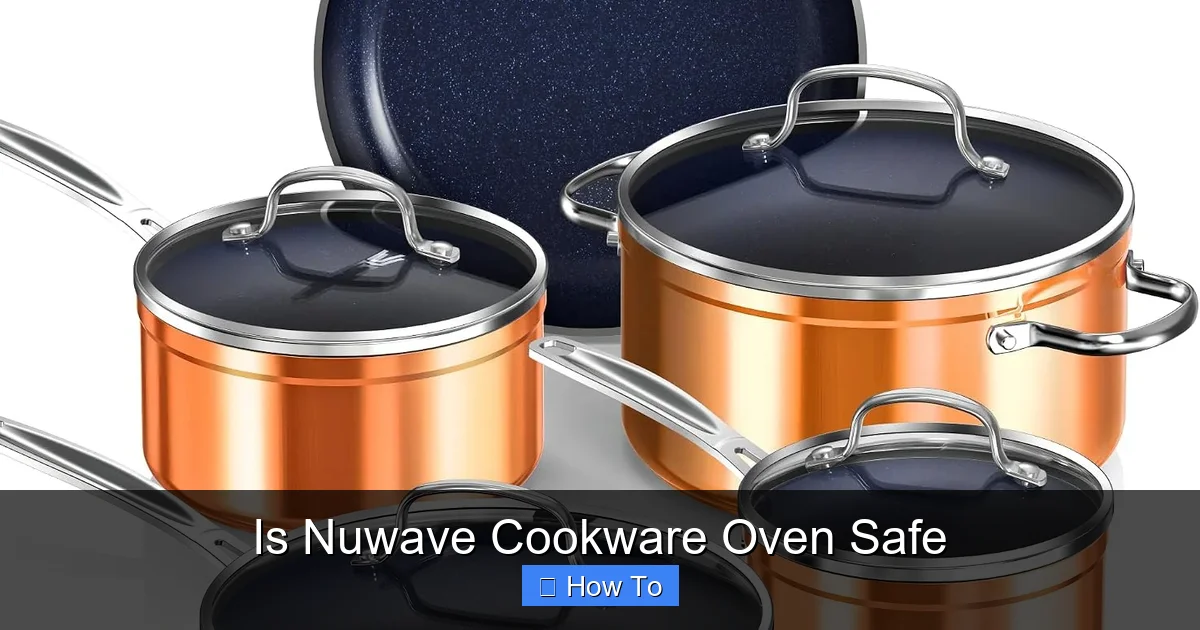
Many Nuwave lines feature a stainless steel interior bonded to an aluminum core. Stainless steel is naturally oven safe up to very high temperatures, often well beyond 500°F. The aluminum core spreads heat evenly, which is great for both stovetop and oven work.
Visual guide about Is Nuwave Cookware Oven Safe
Image source: m.media-amazon.com
Non‑Stick Coating
Some Nuwave pans come with a ceramic‑based non‑stick surface. This coating is generally rated to 500°F as well, but prolonged exposure to the maximum temperature can degrade the non‑stick properties over time. If you plan to bake at 500°F regularly, consider using a stainless steel piece instead.
Handle Construction
Handles are the weak link in oven safety. Nuwave uses three main handle types: stainless steel, silicone‑wrapped, and phenolic (plastic‑like). Stainless steel handles are fully oven safe. Silicone wraps usually tolerate up to 450°F. Phenolic handles often have a lower limit around 350°F. Always check the handle label before you put the pan in a hot oven.
Temperature Limits and Manufacturer Guidelines
Reading the Label
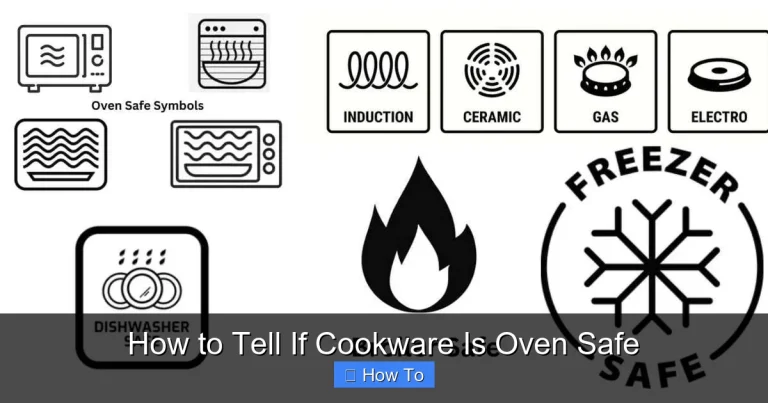
Every Nuwave product ships with a small tag or printed information on the bottom of the pan. Look for a symbol that looks like an oven with a temperature number. That number is the maximum safe oven temperature for that specific piece. If the tag is missing, visit the Nuwave website and search the model number.
General Rule of Thumb
As a rule, most Nuwave stainless steel and cast‑iron items are safe to 500°F. Non‑stick ceramic pans are safe to 500°F but perform best under 450°F. Silicone‑wrapped handles max out near 450°F. Phenolic handles should stay under 350°F. When in doubt, stay 25°F below the listed maximum.
Why Exceeding Limits Is Risky
Going above the rated temperature can cause warping, handle melting, or coating breakdown. Warped pans lose contact with the heating element, leading to uneven cooking. Melted handles create a safety hazard and ruin the pan. Coating breakdown releases particles into food and reduces non‑stick performance.
Best Practices for Oven Use
Preheat the Oven First
Place your Nuwave cookware in the oven only after the oven has reached the target temperature. Sudden temperature shocks — like putting a cold pan into a 500°F oven — increase the chance of warping, especially with aluminum‑core pieces.
Use Oven Mitts Every Time
Even if the handle is stainless steel, it will become scorching hot. A good pair of silicone or thick cotton mitts protects your hands and gives you a secure grip when you pull the pan out.
Avoid Direct Flame or Broiler
Most Nuwave pans are not designed for direct flame contact or the intense heat of a broiler element. If a recipe calls for broiling, transfer the food to a broiler‑safe dish instead.
Limit Empty‑Pan Heating
Heating an empty pan in the oven can cause the metal to overheat faster than when food is present. If you need to preheat the pan, add a thin layer of oil or a splash of water to absorb excess heat.
Cleaning and Maintenance After Oven Cooking
Cool Before Washing
Let the cookware cool to room temperature before you introduce water. Plunging a hot pan into cold water creates thermal shock, which can warp the base or crack the non‑stick coating.
Hand Wash for Longevity
Although many Nuwave pieces are labeled dishwasher safe, hand washing with warm soapy water preserves the finish. Use a soft sponge; avoid steel wool or abrasive pads that scratch the surface.
Season Cast‑Iron Pieces
If your set includes a cast‑iron skillet, apply a thin coat of vegetable oil after each wash and heat it briefly on the stove. This maintains the natural non‑stick patina and prevents rust.
Inspect Regularly
After several high‑heat oven sessions, examine the bottom for warping, the handles for cracks, and the coating for flaking. Early detection lets you replace a piece before it affects cooking results.
Common Questions About Nuwave Oven Safety
Can I Use Nuwave Cookware in a Convection Oven?
Yes. Convection ovens circulate hot air, but the temperature rating remains the same. Follow the same maximum temperature guidelines.
Is It Safe to Put a Nuwave Lid in the Oven?
Most glass lids are oven safe up to 350°F. Metal lids without plastic knobs can usually handle the same temperature as the pan. Always verify the lid’s own rating.
What About Induction Cooktops Then Oven?
Nuwave induction‑compatible pans work on induction and can move straight to the oven, provided the handle rating allows it. This makes them ideal for sear‑then‑roast recipes.
Do I Need a Special Rack?
No special rack is required. Place the pan on a standard oven rack. For heavy cast‑iron pieces, a sturdy middle rack prevents tipping.
Can I Use Metal Utensils in Non‑Stick Nuwave Pans?
It is best to use silicone, wood, or nylon utensils. Metal tools can scratch the ceramic coating, reducing its non‑stick ability and shortening its lifespan.
How Do I Know If My Pan Has Warped?
Place the pan on a flat surface. If it rocks or you see a visible gap between the pan bottom and the countertop, it has warped. Warped pans should be replaced for even heating.
Conclusion
So, Is Nuwave Cookware Oven Safe? The answer is a confident yes for the vast majority of their lineup, provided you respect the temperature limits printed on each piece. Stainless steel and cast‑iron items handle the highest heat, while non‑stick and silicone‑handled pans have slightly lower ceilings. By preheating the oven, using proper mitts, avoiding sudden temperature changes, and cleaning gently, you will keep your Nuwave pots and pans performing beautifully for years. Next time you plan a recipe that moves from stovetop to oven, you can do it with peace of mind, knowing your cookware is up to the task.
Frequently Asked Questions
Is Nuwave Cookware Oven Safe for all models?
Most Nuwave models are oven safe up to 500°F, but always check the specific product label or manual for the exact temperature rating.
Can I put a Nuwave non‑stick pan under the broiler?
It is not recommended. Broiler temperatures often exceed the non‑stick coating limit and can damage the handle.
What is the maximum oven temperature for silicone‑wrapped handles?
Silicone handles typically tolerate up to 450°F. Exceeding this can cause the silicone to degrade or melt.
Do I need to season Nuwave stainless steel pans before oven use?
No seasoning is required for stainless steel. A light coat of oil before cooking helps prevent sticking.
Can I wash Nuwave cookware in the dishwasher after oven cooking?
Many pieces are dishwasher safe, but hand washing extends the life of non‑stick coatings and prevents handle wear.
How can I tell if my Nuwave pan has warped after high‑heat oven use?
Place the pan on a flat surface; if it rocks or shows a gap, it has warped and should be replaced for even heating.