Which Is Better Toaster Oven or Microwave
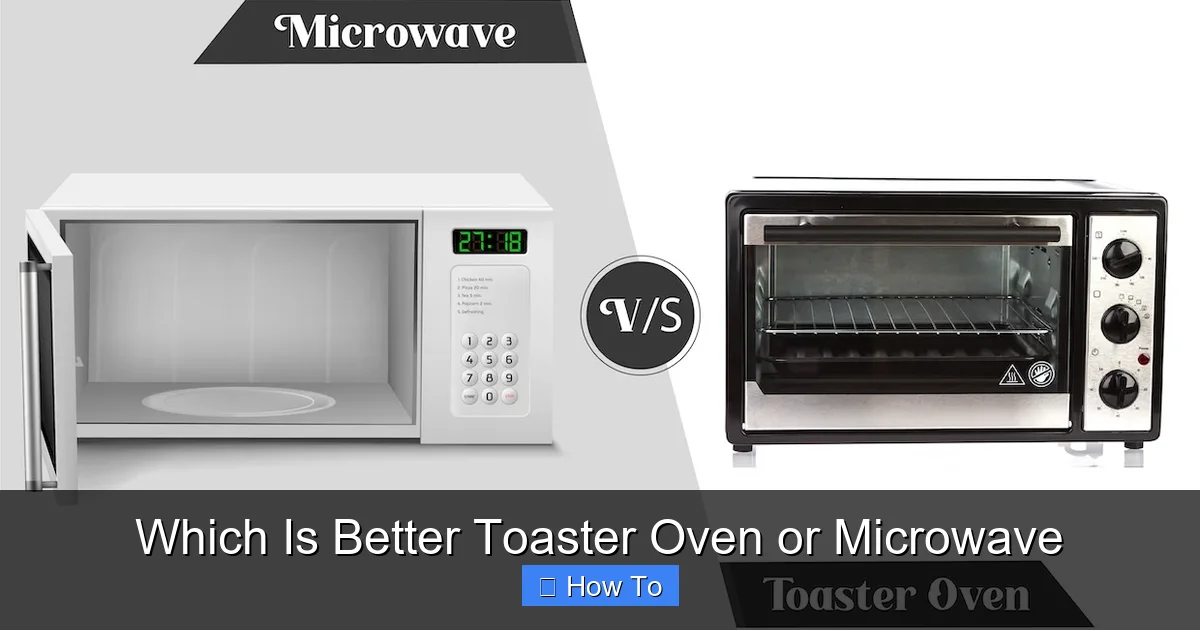
When deciding between a toaster oven or microwave, consider speed, energy use, food quality, and space. Microwaves win for quick reheating, while toaster ovens excel at browning and multi‑task cooking. Choose the appliance that matches your typical kitchen routine and cooking preferences.
When you walk into a modern kitchen, you’ll often see two small appliances sitting side by side: a toaster oven and a microwave. Both promise to save time and simplify meals, but which one actually fits your lifestyle better? In this guide we’ll break down the differences in speed, energy use, food quality, versatility, safety, and overall value. We’ll also share practical tips so you can decide if a toaster oven or microwave is the right choice for you.
Key Takeaways
- Speed: Microwaves heat food in minutes; toaster ovens need 10‑30 minutes to preheat and cook.
- Energy: Microwaves use less power per task; toaster ovens consume more but can cook multiple items at once.
- Flavor: Toaster ovens create crisp, browned results; microwaves preserve moisture but lack browning.
- Versatility: Toaster ovens handle baking, roasting, broiling, and defrosting; microwaves focus on reheating and quick cooking.
- Space: Compact microwaves save counter space; toaster ovens are larger but still smaller than full ovens.
- Safety: Microwaves have simple controls; toaster ovens require more attention to avoid burns.
- Cost: Microwaves are usually cheaper; toaster ovens cost more but can replace multiple appliances.
📑 Table of Contents
Cooking Speed and Efficiency
Quick Heating Times
A microwave is built for speed. It uses microwave radiation to excite water molecules, heating food from the inside out. Most items reheat in 1‑3 minutes. This makes it ideal for busy mornings or quick lunches. In contrast, a toaster oven must first heat up its heating elements. Preheating can take 5‑10 minutes, and cooking times vary from 10‑30 minutes depending on the dish.
Preheating Needs
Because a toaster oven needs to reach the right temperature, you often plan ahead. You set the dial, wait for the indicator light, then load your food. This extra step can feel wasteful if you only need to warm a single slice of bread. A microwave requires no preheat, so you can start cooking instantly.
Cooking Time Comparisons
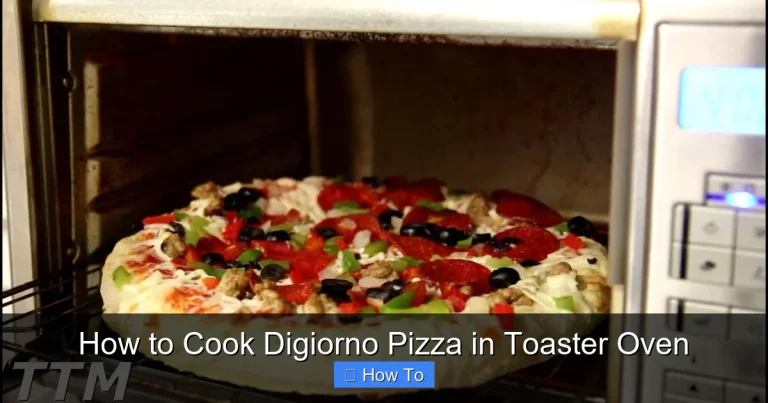
Let’s look at a typical meal: frozen pizza. A microwave usually finishes in 1‑2 minutes, leaving a soft crust. A toaster oven needs about 12‑15 minutes, delivering a crisp, golden bottom. If you host a small gathering, the toaster oven’s longer cook time is offset by its ability to bake multiple items at once.
For reheating leftovers, many readers find the microwave faster, but they also note the texture can become rubbery. If you want a reheated pizza that still feels fresh, the toaster oven is worth the extra minutes. You can read more about microwave performance in our detailed guide Which Is Better Air Fryer Or Microwave Oven.
Energy Consumption and Cost
Power Draw
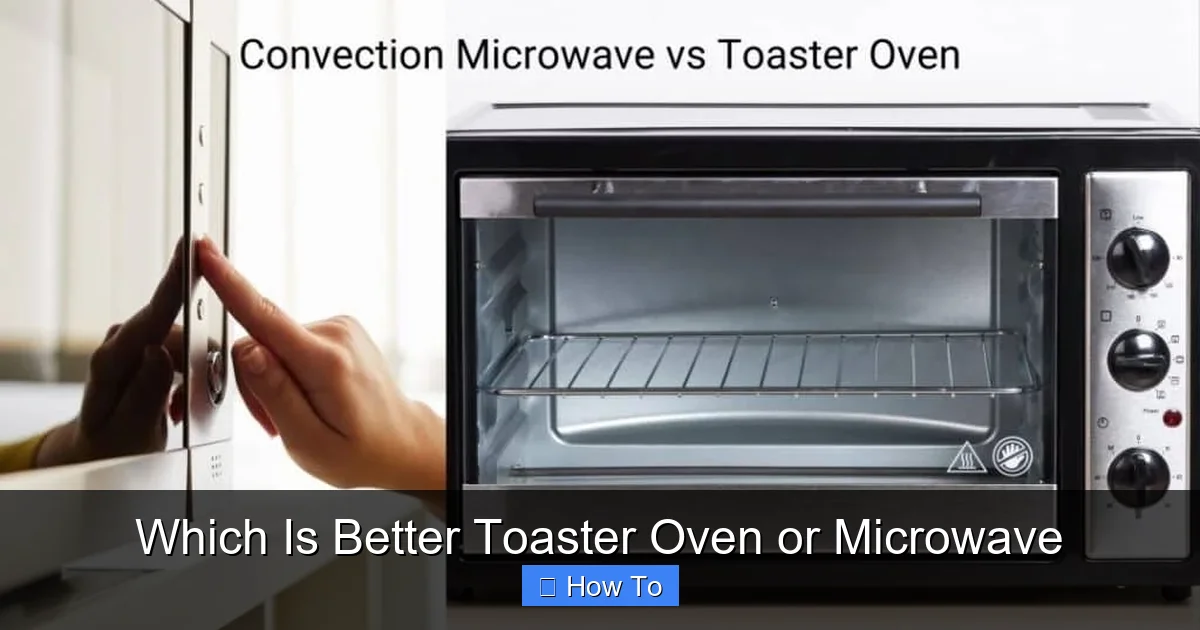
A typical microwave draws 800‑1200 watts. A toaster oven usually runs between 1200‑1500 watts. However, the toaster oven often runs for a shorter total time because it can cook larger batches. This means the overall energy use can be similar, or sometimes even lower with the toaster oven when you cook several items together.
Visual guide about Which Is Better Toaster Oven or Microwave
Image source: ovenspot.com
Operating Costs
Utility bills reflect actual usage. If you mainly reheat soups or defrost meat, the microwave will keep costs low. If you bake a tray of cookies or roast a chicken, the toaster oven may use more electricity, but you avoid using a full-sized oven, which consumes far more power.
Environmental Impact
Both appliances generate minimal waste. The microwave’s shorter cycles reduce wear on the heating element. Toaster ovens have more moving parts and may need occasional maintenance, but they are built to last. Choosing the option that matches your cooking habits will reduce unnecessary energy waste.
When evaluating long‑term efficiency, many home cooks find the toaster oven more versatile, allowing them to replace both a conventional oven and a convection unit. For a deeper dive into energy comparisons, check out Which Is Better Air Fryer Or Microwave Oven for insights on related small appliances.
Food Quality and Flavor
Texture Differences
Texture is often the deciding factor. A microwave excites water, making foods moist but sometimes spongy. A toaster oven uses convection heat, which circulates hot air and creates a crisp exterior while keeping the interior tender. This is why roasted vegetables from a toaster oven are usually preferred over microwaved versions.

Visual guide about Which Is Better Toaster Oven or Microwave
Image source: i.pinimg.com
Flavor Development
Browning reactions, known as the Maillard reaction, happen at higher temperatures. Toaster ovens reach temperatures up to 500°F, allowing this reaction to occur. Microwaves rarely exceed 200°F, so they cannot develop the same depth of flavor. If you enjoy a golden crust on toast, pizza, or baked fish, the toaster oven wins.
Nutrition Retention
Both methods preserve nutrients well when used correctly. Microwaving can retain more vitamins because cooking times are short. Toaster ovens may slightly reduce some heat‑sensitive nutrients due to longer exposure, but the loss is minimal if you avoid overcooking. Many nutritionists suggest a balanced approach: use a microwave for quick veggie reheating and a toaster oven for meals that need a crispy finish.
Choosing the right tool can also affect meal planning. If you want a quick snack that still looks appealing, the toaster oven’s ability to brown makes it more satisfying. For a simple side like steamed broccoli, the microwave is fine. Understanding these nuances helps you match the appliance to the dish.
Versatility and Space Savings
Multiple Cooking Functions
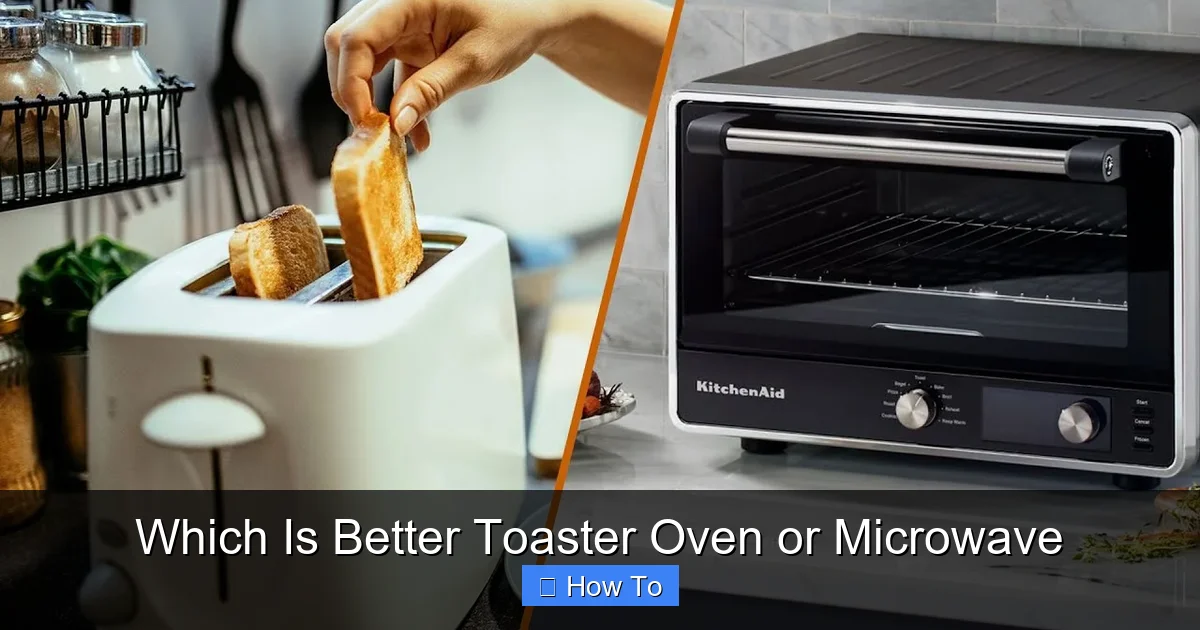
Modern toaster ovens often include convection, broil, and bake functions. Some even have a dehydrate setting. This makes them a mini‑all‑in‑one kitchen. A microwave typically offers defrost, reheat, and popcorn functions. While microwaves are specialized, toaster ovens can replace a full oven for small households.
Visual guide about Which Is Better Toaster Oven or Microwave
Image source: i.ytimg.com
Compact Design
Counter space is valuable. A standard microwave measures about 18‑20 inches wide, while a toaster oven is similar in width but deeper. If you have limited drawer space, the microwave’s shallow depth may be preferable. However, many people keep both because they complement each other.
Integration with Kitchen Workflow
When preparing a multi‑course meal, you might use a toaster oven for the main dish while the microwave preps a side. This parallel cooking can speed up dinner service. For example, you can toast sandwiches in the toaster oven while microwaving soup in the other. The synergy between the two appliances is why many kitchens end up with both.
If you are curious about how a toaster oven stacks up against other compact options, our article Which Is Better Air Fryer Vs Toaster Oven offers a detailed comparison that may influence your decision.
Safety and Convenience
User‑Friendly Controls
Microwaves have a simple dial or digital panel. You set the time, press start, and the food cooks. There is little risk of burning food if you watch the timer. Toaster ovens require you to set temperature and time, which can be intimidating for beginners. However, most modern models have automatic shut‑off features.
Heat Management
The exterior of a toaster oven stays hot during operation, so you must use oven mitts. Microwaves stay cool on the outside, making them safer for children. If you have a small child at home, the microwave’s safety profile is a strong argument for choosing it.
Cleaning Ease
Many toaster ovens have removable racks and enamel interiors that wipe clean easily. Microwaves rely on a simple wipe of the interior wall. However, spilled food in a microwave can become stubborn if not cleaned promptly. Using a damp cloth with baking soda works for both appliances.
Convenience also ties into recipe flexibility. A toaster oven can bake a cake from scratch, while a microwave can only reheat pre‑made mixes. If you enjoy experimenting, the toaster oven offers more creative freedom.
Final Verdict – Which Wins for You?
Ideal Use Cases
If you need speed for reheating, defrosting, or cooking single portions, the microwave is the clear winner. It saves time, energy, and counter space. If you love the taste of a golden crust, want to bake small batches, or prefer an appliance that can replace a full oven, the toaster oven is the better choice.
Making the Choice
Consider your typical weekly menu. Do you often cook frozen pizzas, reheated soups, or quick snacks? The microwave may dominate your routine. Do you bake cookies, roast vegetables, or toast bagels on weekends? The toaster oven will see more use. Many households end up with both, using each for its strengths.
Final Tips
Start small. If you are unsure, buy a compact microwave first and see how it fits your workflow. If you later realize you need browning capabilities, add a toaster oven. Keep both appliances clean and maintain them according to the manufacturer’s guide. This ensures long life and consistent performance.
Remember, the “better” appliance depends on your personal needs, kitchen size, and cooking style. By weighing speed, energy, flavor, versatility, safety, and cost, you can confidently pick the appliance that makes your meals easier and tastier.
Frequently Asked Questions
What are the main differences between a toaster oven and a microwave?
A toaster oven uses convection heat to brown and crisp food, while a microwave uses electromagnetic waves to heat water molecules quickly. The toaster oven excels at baking, broiling, and achieving a golden crust, whereas the microwave shines at rapid reheating and defrosting with minimal prep time.
Which appliance uses less electricity?
Microwaves typically draw 800‑1200 watts and operate for short periods, making them more energy‑efficient for quick tasks. Toaster ovens use 1200‑1500 watts but can cook larger batches in one go, so overall consumption depends on how you use each appliance.
Can a toaster oven replace a full‑size oven?
For small households or single‑dish cooking, a toaster oven can handle most tasks that a full‑size oven does, such as baking cookies, roasting vegetables, or broiling cheese. However, it cannot accommodate large turkeys or multiple trays, so a full oven is still needed for big meals.
Is food cooked in a microwave unhealthy?
Microwaving preserves nutrients better than many cooking methods because cooking times are short. The main concern is the quality of the food you put in—highly processed items remain unhealthy regardless of cooking method. Balanced meals cooked in a microwave are perfectly fine.
Do I need both appliances in my kitchen?
Having both gives you maximum flexibility. Use the microwave for speed and the toaster oven for flavor and browning. If space is limited, choose the one that matches your most frequent cooking needs, but many home cooks find the synergy of both appliances worth the extra counter space.
How do I keep a toaster oven clean?
Remove the racks and soak them in warm, soapy water. Wipe the interior with a damp cloth and a mixture of baking soda and water for stubborn spots. Regular cleaning prevents food buildup and ensures even cooking.