Is Nonstick Cookware Oven Safe
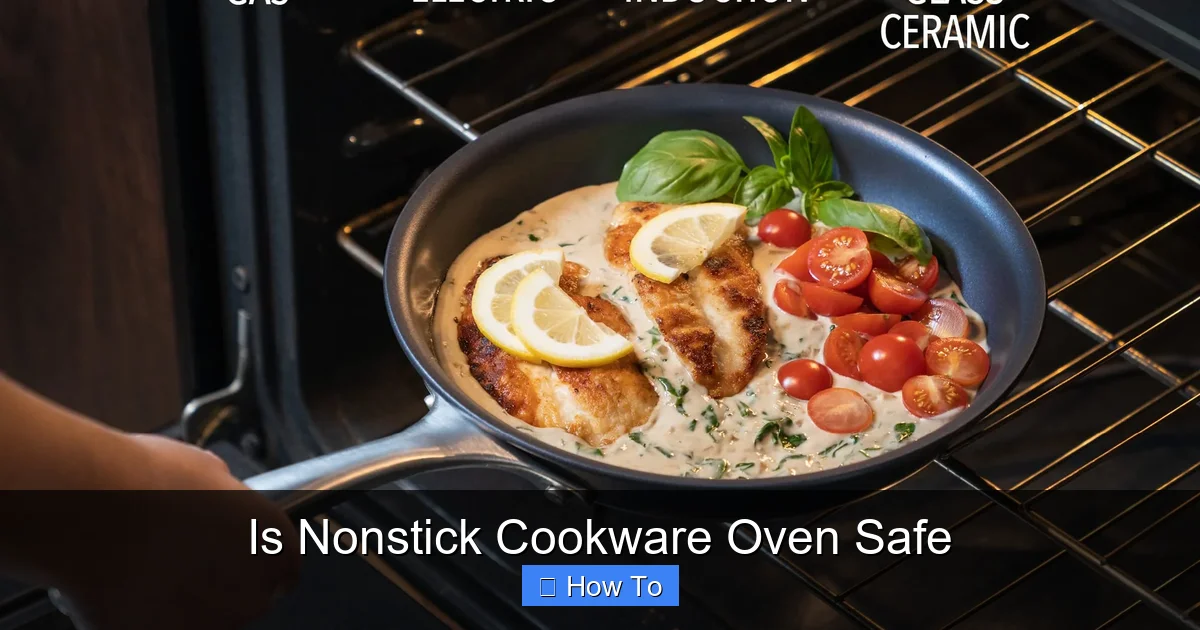
Short answer: Yes, is nonstick cookware oven safe for many pans, but only when the temperature stays below the limit.
Most nonstick pans handle oven heat up to 500°F, though some go to 450°F. Always check the pan label first. Never use high heat.
If you follow the rules, baking and roasting can be fine. If you are unsure, skip the oven.
Key Takeaways
- Check the oven safe symbol: Look for the symbol on the pan. If it is missing, do not assume it is safe.
- Follow the temperature limit: Many pans go to 500°F, but some stop at 450°F. Stay below the limit.
- Avoid plastic and silicone parts: Plastic may melt. Silicone may handle heat, but check the label.
- Use moderate oven heat: Stick to baking temperatures like 350°F to 425°F unless the pan allows more.
- Let the pan cool down: Do not place a hot pan in water or on a cold surface. This can cause warping.
- Replace damaged pans: A scratched or peeling coating is not safe. Stop using the pan.
📑 Table of Contents
Is Nonstick Cookware Oven Safe? Introduction
When you ask, “Is nonstick cookware oven safe?” you are asking about heat, coating, and plastic parts. Many home cooks want to bake a frittata or roast vegetables in a skillet. The good news is that some nonstick pans can go into the oven. The bad news is that not all of them can.
The answer depends on the brand, the coating, and the oven temperature. Most traditional nonstick pans have a PTFE coating. This coating can handle high heat when used on the stove. But the oven adds other risks. The pan may not be oven safe. The handle may melt. The plastic lid may warp. The coating may get scratched.
In this article, we will explain how to know if your pan is safe. We will look at temperature limits, labels, and best practices. You will also learn simple tips for baking and roasting. Let’s make your kitchen safer and your cleanup easier.
Many people think that if a pan works on the stove, it works in the oven. That is not always true. A pan that is fine on the stove may not be fine in the oven. The heat source is different. The temperature can be higher. The space is tighter. The risk of damage is real.
This guide will help you answer the question with confidence. You will learn how to read labels. You will learn how to test safely. You will learn when to avoid the oven. You will also learn how to keep your nonstick cookware in good shape.
You might be planning to make a crustless quiche. You might want to bake a potato. You might want to roast a chicken in a skillet. These are popular meals. They also make people wonder about nonstick pans.
The good news is that many modern pans are designed for oven use. Some have a triple layer of coating. Some have ceramic. Some have a metal core. These can handle more heat. But the old PTFE pans may not be the best choice for high heat.
If you use a pan that is not oven safe, you risk melted handles or a ruined coating. You also risk uneven cooking. So take your time. Read the manual. Check the box. Look at the pan.
Check the Pan and Oven Temperatures
The first step is simple. Check the pan. Check the oven. Then check the recipe. This trio can help you decide if nonstick cookware is oven safe.
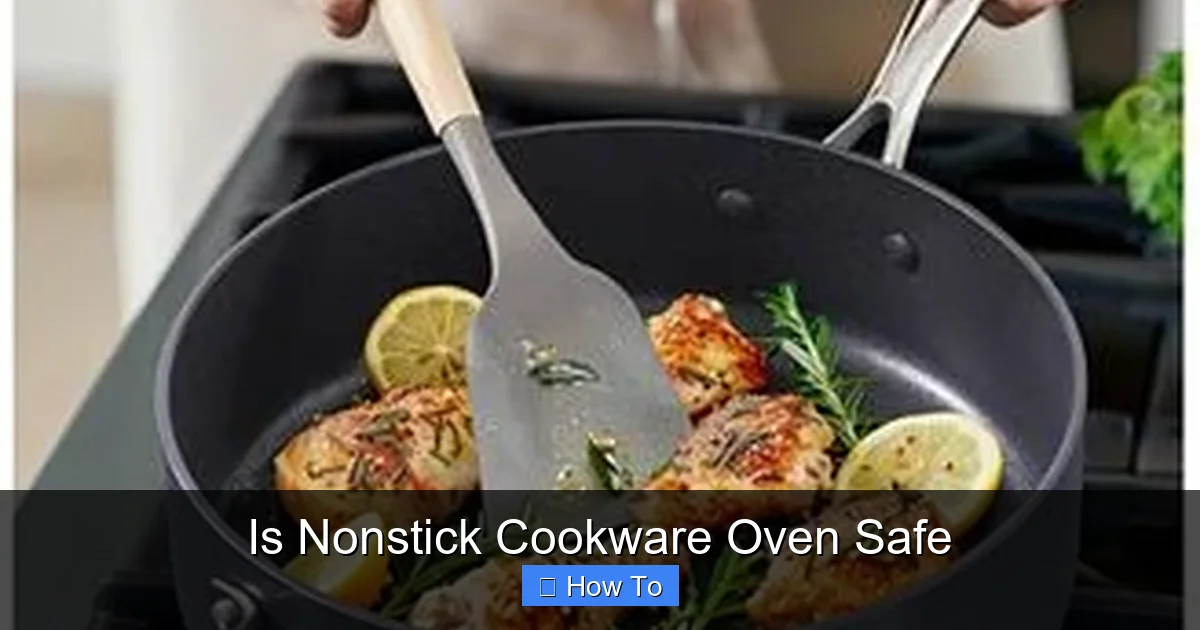
Visual guide about Is Nonstick Cookware Oven Safe
Image source: slimages.macysassets.com
Look for the Oven Safe Symbol
Most oven-safe pans have a symbol. It looks like a small square or a dot. The letters “O” or “DF” may also appear. The symbol means the pan can handle oven heat. If there is no symbol, do not guess. When in doubt, leave the pan out of the oven.
Some pans have metal handles. Some have silicone handles. Some have plastic lids. Plastic may not survive high heat. Silicone may handle more heat, but it is still best to check. If the handle is metal, the risk is lower. If the handle is plastic, remove any plastic parts before baking.
You should also look at the bottom of the pan. Some coatings are only for the cooking surface. The rim may be metal or ceramic. The rim may not be oven safe. If the rim is plastic, do not use the pan in the oven.
Check the box too. Sometimes the box says one thing and the pan says another. Always trust the pan. The box can be lost or mislabeled. The pan is what touches your food.
Understand the Temperature Limit
Many nonstick pans are rated for oven use up to 500°F. Some are rated to 450°F. The exact number matters. The coating can break down if the pan gets too hot. At 500°F or higher, PTFE may start to weaken. Always follow the lower number if the label gives one.
Ovens can run hot. A 375°F recipe may actually reach 400°F or more. So do not just set the dial. Use an oven thermometer if you are unsure. This small tool can help you keep the temperature in a safe range.
For high-heat cooking, such as searing, the coating may not be safe. For oven use, stick to moderate temperatures. Baking at 350°F to 425°F is common. Roasting may go to 450°F. Always stay below the limit. If the limit is 450°F, do not go to 500°F.
For example, a pan with a 500°F limit can go into a 450°F oven. A pan with a 450°F limit can go into a 400°F oven. A pan with a 400°F limit can go into a 375°F oven. The safe number is the lowest of the two.
You should also consider the food. Eggs can be baked at 350°F. Fish can be baked at 375°F. Chicken thighs can be roasted at 425°F. These are safe for many pans. Just do not exceed the pan limit.
Some brands use a ceramic coating instead of PTFE. Ceramic coatings may have a lower maximum temperature. Read the manual for the exact number. Do not rely on the stove rating alone. Oven use is a different heat path.
How to Use Nonstick Pans in the Oven
If your pan passes the label and temperature checks, you can use it. But you still need to be careful. Oven use is not the same as stovetop use. The heat is more even. The cooking time may be longer. The pan may need a little oil.
Use the Right Pan Size
Use a pan that fits your oven rack. A small pan can slide in, but a large pan may not. Also, use a pan that fits the food. A small skillet may not hold enough liquid for baking. A large roasting pan may not work with a nonstick coating.
For a frittata, use a small to medium oven-safe skillet. For roasted chicken, use a roasting pan. For baked fish, use a shallow baking dish. Make sure the dish is marked oven safe. If not, transfer the food to an oven-safe glass or ceramic dish.
Prevent Contact with Heating Elements
Keep the pan away from the oven’s heating elements. Some ovens have coils at the top or bottom. If the pan touches a coil, it can warp or catch fire. Use the middle rack when possible. Place the pan on a safe rack or tray if needed.
When you bake, keep the temperature moderate. For example, use 375°F for most egg bakes. Use 400°F for some roasts. Do not set the oven to 450°F just because the pan is nonstick. Follow the recipe.
You may also want to cover the pan with foil. Foils can reflect heat. This can help prevent overcooking. But foil can also leave marks on the coating. Use a light layer. Do not rub it hard.
When you bake, the pan may not need oil. But a little oil can help. It can prevent sticking. It can help the food brown. Use a high-heat oil if needed. Olive oil or avocado oil works well.
Place the pan on the oven rack. Do not let it touch the heating element. If the pan has a handle, make sure it is not plastic. If it has a glass lid, make sure it is oven safe. If not, use a metal lid or no lid.
Bake until the food is set. Use a toothpick to check. Do not open the oven too often. This can lower the temperature. Keep the door closed for even cooking.
For a frittata, bake at 350°F for 20 to 25 minutes. For roasted vegetables, roast at 400°F for 25 to 35 minutes. For chicken, bake at 375°F until the internal temperature is safe. Always use a meat thermometer for meat.
Care and Maintenance After Oven Use
After you bake, the work is not over. The pan needs proper care. A dirty or damaged coating is not safe. This is important for all cookware, but it matters for nonstick too.
Let the Pan Cool Down
Do not put a hot pan into water or on a cold surface. This can cause warping. Let it cool a bit. Then wash it by hand or use gentle dishwasher settings. Avoid metal utensils. They can scratch the coating.
Wash and Store Properly
Use soft sponges or cloths. Avoid harsh cleaners. Store the pan flat or with a soft pad. Do not stack it with heavy pans. This protects the coating.
If the coating starts to peel, stop using the pan. A scratched or peeling coating can release particles into food. It may also be unsafe at high heat. This is a sign that the pan needs replacement.
Wash the pan soon after use. Food can dry and stick. Use warm soapy water. A soft sponge is best. A dishwasher can be okay, but high heat and harsh detergent may affect the coating. If you use a dishwasher, choose a gentle cycle.
Store the pan with a clean surface. Do not put it in a hot oven or dishwasher while it is still hot. Let it cool. Keep it away from direct heat. This helps the coating last longer.
Alternatives and Final Safety Tips
If you are unsure, there are good alternatives. You can use ceramic-coated pans. You can use cast iron. You can use stainless steel. These options may handle oven heat well. They may also last longer. But each has its own care needs.
Try Ceramic or PTFE-Free Options
Ceramic coatings are often marketed as oven safe. PTFE-free nonstick may have a lower temperature rating. Always read the label. Do not assume a green or black coating is safe. Check the numbers.
When to Avoid the Oven
Do not use nonstick cookware in the oven if the temperature is too high. Do not use it if the handle is not oven safe. Do not use it if the coating is damaged. Do not use it if you are baking at high heat for a long time.
For many everyday uses, the answer to “Is Nonstick Cookware Oven Safe” is yes. With the right pan and the right temperature, it can be safe. With the wrong pan or high heat, it may not be. Always choose caution when you are feeding a family.
If you bake often, you might want a dedicated oven-safe pan. Look for a pan with an oven-safe symbol. You might also want a ceramic pan. Ceramic is good for higher heat than PTFE. It is also free of PTFE. But it may not last as long. No coating lasts forever.
You can also use a cast iron skillet in the oven. Cast iron is oven safe. It can go to high temperatures. It can also go from stovetop to oven. This is a great option for many recipes. It may not be nonstick, but it is safe and durable.
Conclusion
So, is nonstick cookware oven safe? The short answer is often yes, but with limits. Check the symbol. Check the temperature. Check the handle. Then use moderate heat. If you follow these steps, you can bake and roast with confidence. If not, pick another pan. Your safety and your dinner both matter.
Before you put your pan in the oven, ask yourself a few questions. Is the symbol there? Is the temperature okay? Is the handle safe? Is the coating intact? If you can answer yes, you are likely fine. If not, choose another option.
With a little care, you can enjoy oven-baked meals. You can use your favorite nonstick pan. You just need to know the limits. That is the real answer to the question.
Frequently Asked Questions
Is nonstick cookware oven safe?
Yes, many nonstick pans are oven safe, but it depends on the temperature and the pan. Always check the oven safe symbol and the temperature limit before baking.
What temperature is nonstick safe in the oven?
Many nonstick pans are safe up to 500°F. Some are safe up to 450°F. Always stay below the lower number if you are unsure. Moderate baking temperatures are often best.
Can you use a nonstick pan in the oven at 375°F?
Yes, you can often use a nonstick pan at 375°F. This is a common baking temperature. Just make sure the pan is marked oven safe and the handle is safe.
Does the oven heat damage nonstick coating?
Too much heat can damage or weaken a nonstick coating. High heat may cause the coating to break down. Use moderate oven temperatures and avoid high-heat baking.
Can you bake with a nonstick pan?
You can bake with a nonstick pan if it is oven safe and the temperature is within the limit. Always check the label and use safe handling methods.
What should I do if my nonstick pan has no oven safe symbol?
If there is no oven safe symbol, do not use the pan in the oven. Choose a different pan. When in doubt, it is safer to avoid oven use.