Top 2 Best Food-Safe Wood Glue for Cutting Boards You Can Trust

Creating a durable, professional-quality cutting board starts with choosing the right food safe wood glue. Whether you’re repairing an existing board or building one from scratch, using the best adhesive ensures your creation stays intact through daily use—resisting moisture, heat, and constant chopping stress. The right glue not only bonds wood pieces securely but also maintains its integrity over time without releasing harmful chemicals into your food.
Quick Product Comparison
| Product | Image | Check Price |
|---|---|---|
| 1. Milescraft 5222 Glue Bottle | |
Check Price |
| 2. Thick Wood Glue Brush Nozzle | 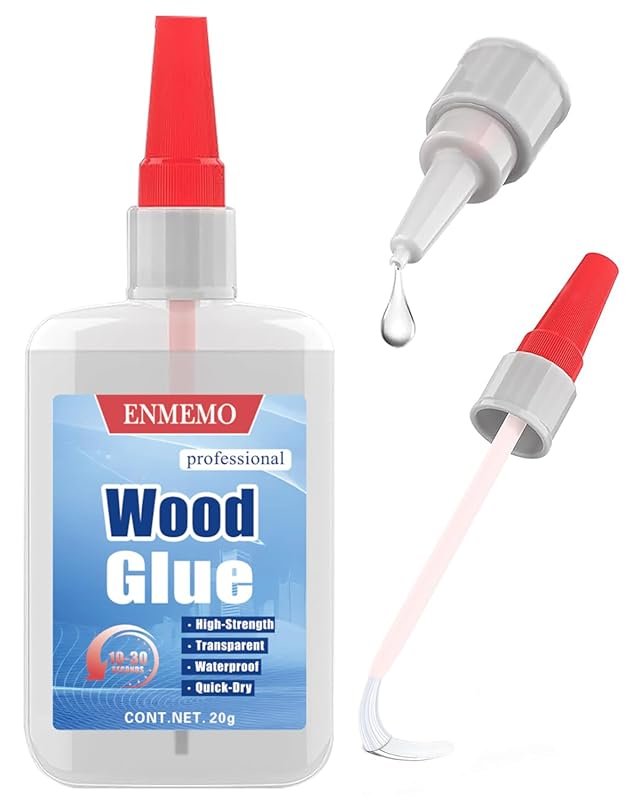 |
Check Price |
Our Top 2 Best Food Safe Wood Glue For Cutting Board Reviews – Expert Tested & Recommended
1. Milescraft 5222 Precision Wood Glue Bottle with Anti-Drip, Dowel and Biscuit Tips
This precision wood glue bottle is specifically designed for woodworking projects requiring accuracy and control. With its double-chamber design and specialized tips, it delivers consistent application ideal for joining wood pieces in cutting board construction. The anti-drip feature helps minimize waste and keeps your workspace clean during use.
Key Features That Stand Out
- ✓ Precision dispensing system for accurate glue application
- ✓ Includes both doweling and biscuit tips for versatile use
- ✓ Anti-clog mechanism ensures long-term usability
- ✓ Compatible with standard wood glues and adhesives
Why We Recommend It
If you’re serious about woodworking and need reliable performance, this bottle offers excellent value. Its ergonomic design reduces hand fatigue during extended projects, while the sealed cap prevents drying out between uses. Many DIYers appreciate how it fits perfectly in small workspaces and provides just enough glue for most cutting board repairs or builds.
Best For
DIY woodworkers who prioritize precision and durability in their projects. Perfect for those building custom cutting boards from multiple wood layers or repairing damaged sections.
Pros and Cons
Pros:
- Superior control during application
- Long-lasting seal prevents clogging
- Versatile tip options for different joints
- Compact size saves storage space
Cons:
- Slightly higher price point than basic bottles
- Limited to 5oz capacity per bottle
Customer Reviews
Customer Review: “This is a small but very useful. It was a great value and sealable”
Customer Review: “This is a small but very useful. It was a great value and sealableRead more”
2. Thick Wood Glue with Brush & Nozzle, Instant Waterproof Bonding
This innovative wood glue combines a built-in brush and nozzle for mess-free application straight from the container. Designed for fast-drying projects, it sets in under 30 seconds while maintaining strong waterproof bonds—ideal for kitchen environments where moisture resistance matters most.
Key Features That Stand Out
- ✓ Built-in brush eliminates need for extra tools
- ✓ Fast-setting formula reduces clamping time
- ✓ Waterproof bond withstands daily washing
- ✓ Dual applicator system for flat surfaces and cracks
Why We Recommend It
The convenience factor here can’t be overstated—no more juggling bottles and brushes! This glue is especially helpful when working with tight spaces or irregular wood edges common in cutting boards. Users report minimal cleanup and consistent results even on humid days.
Best For
Home cooks and weekend woodworkers looking for speed and simplicity without sacrificing strength. Great for quick repairs or assembling multi-layered boards that require immediate handling after gluing.
Pros and Cons
Pros:
- No additional tools needed for application
- Dries quickly without warping wood
- Excellent adhesion on various wood types
- Sealed cap prevents premature drying
Cons:
- May be too thick for very fine detail work
- Less precise than squeeze-bottle alternatives
- Can dry slightly faster than expected if not used carefully
Customer Reviews
Customer Review: “I used this for a few small repair projects around the house, mostly wood pieces that had started to separate over time. I wanted something that was easy to apply without making a mess, and the built in brush and nozzle setup is what made me try this one.The brush actually helps spread the glue more”
Customer Review: “This wood glue has been one of those quiet helpers that ends up getting used more than expected. The built in brush and nozzle combo is actually useful, not just a gimmick. The brush spreads the glue evenly across flat surfaces, while the nozzle makes it easy to get into smaller cracks or tighter jo”
Complete Buying Guide for Food Safe Wood Glue For Cutting Board
Essential Factors We Consider
When selecting food safe wood glue for cutting boards, we prioritize three key aspects: safety certification, bonding strength, and moisture resistance. Always choose adhesives labeled as non-toxic and approved for incidental food contact. Look for products containing no formaldehyde, phenol, or other volatile organic compounds (VOCs). Additionally, ensure the glue remains flexible after curing to prevent cracking under repeated stress from chopping motions.
Budget Planning
You don’t need to spend a fortune on high-end industrial adhesives—many excellent consumer-grade options perform just as well. Budget-friendly brands often meet all necessary safety standards while offering comparable durability. Factor in cost per ounce and project size when comparing prices. Remember that proper surface preparation costs nothing but significantly improves bond quality.
Final Thoughts
Investing in quality food safe wood glue pays off in longevity and peace of mind. A well-bonded cutting board lasts years longer than one held together by cheap alternatives prone to splitting. Whether you opt for precision bottles or convenient brush-on formulas, always follow manufacturer instructions regarding clamping pressure and drying times for optimal results.
Frequently Asked Questions
Q: Is all wood glue food safe for cutting boards?
A: Not necessarily. Only glues specifically labeled as non-toxic and safe for incidental food contact qualify. Avoid generic construction adhesives containing harmful chemicals like formaldehyde or epoxy resins unless explicitly certified for food applications.
Q: How long should I clamp my cutting board after applying glue?
A: Most food-safe wood glues recommend clamping for at least 30 minutes to 1 hour, depending on humidity levels and wood thickness. Follow product-specific guidelines closely—excessive pressure isn’t better than insufficient pressure for achieving strong bonds.
Q: Can I use regular carpenter’s glue for cutting boards?
A: Regular carpenter’s glue may contain additives unsuitable for food contact. Even if it bonds well initially, prolonged exposure to moisture and oils from food could compromise safety over time. Always verify ingredient lists and certifications before use.
Q: Do I need to sand surfaces before gluing?
A: Yes! Light sanding removes dirt, oils, and old residue that might interfere with adhesion. Aim for a matte finish rather than glossy—this increases surface area for better molecular bonding between wood fibers.
Q: Will the glue yellow over time?
A: Some clear adhesives may develop slight amber tones after years of UV exposure, but this doesn’t affect functionality or safety. If appearance matters, choose ultra-clear formulas designed to resist discoloration.
In summary, choosing the best food safe wood glue for cutting boards comes down to balancing safety, strength, and ease of use. Both the Milescraft bottle and brush-nozzle option deliver reliable performance tailored to different workflows. Pair your chosen adhesive with proper technique—clean surfaces, correct clamping pressure, and patience during drying—and you’ll end up with a cutting board that stands up beautifully to years of kitchen service. Ready to build or repair your own? Check out these top-rated picks above and start crafting something truly lasting.