Cookware for Induction Cooktop
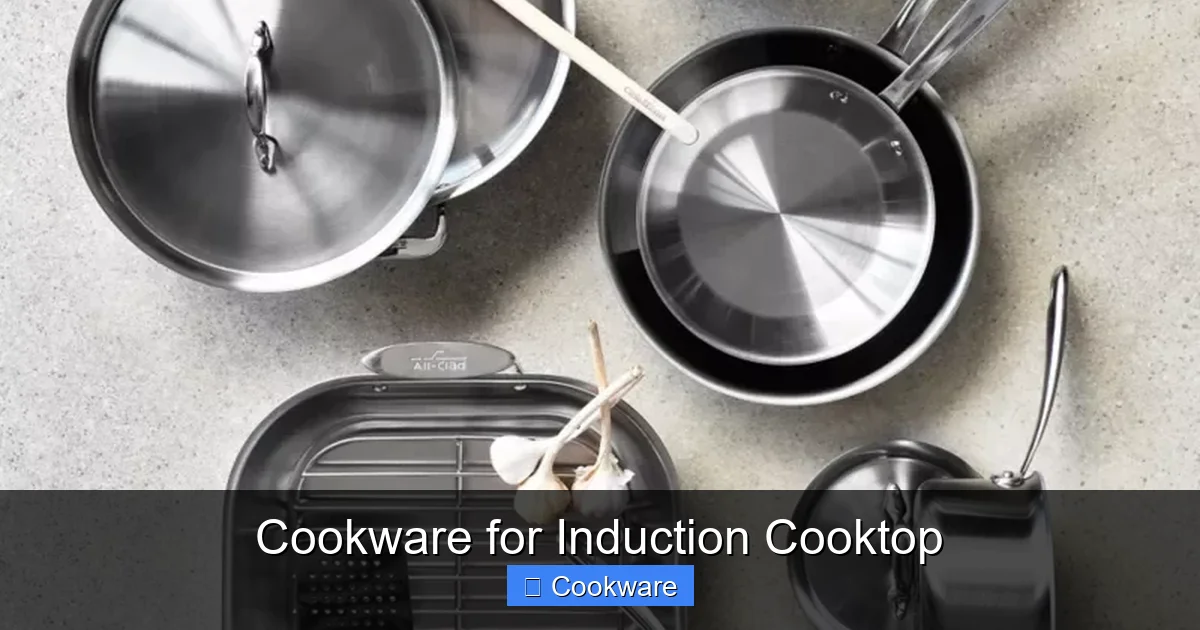
Choosing the right cookware for induction cooktop is essential because only magnetic‑based materials work efficiently with this technology. This guide covers the best materials, key features to look for, care tips, and top product recommendations to help you cook smarter and safer.
Induction cooking has transformed modern kitchens by offering fast, precise heat control and impressive energy efficiency. Unlike traditional gas or electric coils, an induction cooktop generates heat directly in the cookware through a magnetic field. This means that the pan itself becomes the heat source, leading to quicker boiling times and more consistent temperatures. However, the technology only works with cookware that can respond to that magnetic field, making the choice of cookware for induction cooktop a critical first step for anyone upgrading to this method.
If you place a non‑magnetic pan on an induction burner, you’ll notice nothing happens – the surface stays cool and the food remains uncooked. The science is simple: the cooktop creates an alternating magnetic field that induces an electric current in a ferromagnetic base, and that current generates heat. Therefore, understanding which materials are magnetic and how they perform under induction is essential to avoid frustration and wasted money.
In this comprehensive guide, we’ll walk you through everything you need to know about selecting the right cookware for induction cooktop. We’ll explain the science behind induction, break down the best materials, highlight key design features, share maintenance tips, and provide trusted product recommendations (including internal links to our top picks). By the end, you’ll feel confident building a cookware collection that works flawlessly with your induction cooktop.
Key Takeaways
- Induction compatibility: Only cookware with a magnetic base (such as certain stainless steel, cast iron, or carbon steel) will heat on an induction cooktop.
- Material matters: Stainless steel offers durability and even heating, cast iron provides superb heat retention, and specially formulated non‑stick coatings can be induction‑ready.
- Flat base is crucial: A perfectly flat, thick base ensures maximum contact with the cooktop for efficient energy transfer.
- Handles and lids: Look for heat‑resistant handles and lids that fit securely to prevent spills and allow oven use.
- Proper care extends life: Season cast iron, avoid abrasive cleaners on non‑stick, and dry cookware promptly to prevent water spots.
- Sets vs. pieces: Buying a coordinated set can save money and ensure matching performance, while individual pieces let you customize your collection.
- Trusted sources: Check expert reviews and internal links for top‑rated stainless steel, non‑stick, and cast iron options designed for induction cooktops.
📑 Table of Contents
- Understanding Induction Cooking and Why Cookware Matters
- Materials That Work Best on Induction Cooktops
- Choosing the Right Cookware Sets vs Individual Pieces
- Key Features to Look for in Induction-Compatible Cookware
- Care and Maintenance Tips for Induction Cookware
- Top Recommendations and Where to Buy
- Conclusion
Understanding Induction Cooking and Why Cookware Matters
Induction cooktops rely on electromagnetism rather than direct flame or heated elements. When you turn on the burner, a copper coil beneath the glass surface creates a rapidly alternating magnetic field. This field passes through the cooktop and into the base of any pot or pan placed on it. If the base is made of a ferromagnetic material, the magnetic field induces tiny electric currents – known as eddy currents – which resist the flow and produce heat directly in the metal.
How Induction Works
The heat is generated inside the cookware itself, not on the cooktop surface. This results in nearly instant temperature adjustments and minimal heat loss to the surrounding kitchen. Because the cooktop only heats the pan, the glass surface stays relatively cool, reducing burn risks and making cleanup easier.
Magnetic Properties Required
Not all metals respond to the magnetic field. Materials like aluminum, copper, and glass are non‑magnetic and will not heat unless they have a special layered base that includes a magnetic layer. Stainless steel can be tricky; only certain grades (typically those with a high iron content) are magnetic. Cast iron and carbon steel are naturally magnetic and work exceptionally well.
Materials That Work Best on Induction Cooktops
Choosing the right material affects not only compatibility but also cooking performance, durability, and maintenance. Below we explore the most common options for cookware for induction cooktop and what each brings to the table.
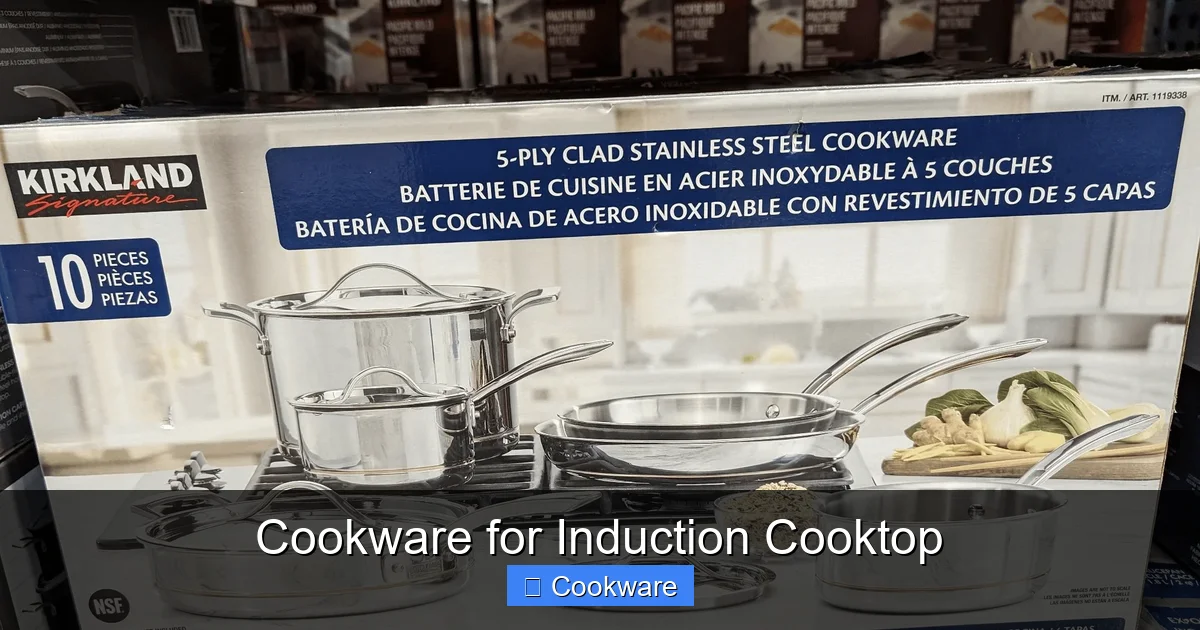
Visual guide about Cookware for Induction Cooktop
Image source: sp-ao.shortpixel.ai
Stainless Steel
High‑quality stainless steel is a favorite for many home cooks because it resists rust, does not react with acidic foods, and offers a sleek appearance. For induction compatibility, look for “induction‑ready” labels or a magnetic stainless steel layer bonded to the base. Tri‑ply or five‑ply constructions (alternating layers of stainless steel, aluminum, and sometimes copper) provide excellent heat distribution while keeping the exterior magnetic.
When shopping, check that the base is flat and thick enough to maintain solid contact with the cooktop. Some lower‑grade stainless steel pans may have a thin base that warps over time, reducing efficiency.
Cast Iron
Classic cast iron is inherently magnetic, making it a perfect match for induction cooktops. It excels at retaining heat, which is ideal for searing steaks, baking cornbread, or slow‑cooking stews. The downside is its weight and the need for regular seasoning to maintain a non‑stick surface and prevent rust.
Enameled cast iron combines the magnetic core with a porcelain coating that eliminates the need for seasoning and offers a colorful, easy‑to‑clean surface. Just ensure the enamel is chip‑free, as damage can expose the iron underneath.
Carbon Steel
Carbon steel sits between stainless steel and cast iron in terms of weight and heat responsiveness. It heats up quickly, cools down fast, and develops a natural non‑stick patina with proper seasoning. Like cast iron, it is magnetic and works well on induction. Many professional chefs favor carbon steel for woks and skillets because of its agility.
Special Induction‑Ready Non‑Stick
Traditional non‑stick coatings (like PTFE) can be applied over magnetic bases to create induction‑safe non‑stick pans. Manufacturers often use a stainless steel plate bonded to the aluminum core, then apply the non‑stick layer. These pans offer easy food release and low‑fat cooking while remaining induction‑compatible.
When choosing non‑stick, verify that the product explicitly states “induction compatible” and that the coating is PFOA‑free for health safety.
Choosing the Right Cookware Sets vs Individual Pieces
Deciding between a coordinated set and standalone pieces depends on your cooking habits, budget, and storage space. Both approaches have merits when building a collection of cookware for induction cooktop.
Advantages of Sets
Buying a set often provides better value per piece, ensures matching aesthetics, and guarantees that all items share the same induction‑ready base technology. Typical sets include a variety of saucepans, a stockpot, and a skillet, covering most everyday cooking tasks. Sets also simplify warranty registration and replacement part ordering.
When to Buy Individual Pieces
If you already own some reliable pans or have specific needs (like a large stockpot for canning or a specialty wok), purchasing individual items lets you tailor your collection. You can mix materials – for example, a stainless steel sauté pan for deglazing, a cast iron skillet for searing, and a non‑stick fry pan for eggs – while ensuring each piece works on your induction cooktop.
Key Features to Look for in Induction-Compatible Cookware
Beyond material, certain design elements significantly impact how well your cookware for induction cooktop performs. Paying attention to these details will help you avoid hot spots, warping, and uncomfortable handling.
Flat Base and Even Heating
A perfectly flat, thick base maximizes contact with the induction field, ensuring efficient energy transfer. Look for bases that are at least 3–4 mm thick; thinner bases may overheat or warp. Some premium lines feature a “triple‑clad” base where a magnetic stainless steel layer is sandwiched between aluminum or copper layers for superior conductivity.
Handle Design and Heat Resistance
Handles should stay cool enough to grip safely during stovetop cooking. Many manufacturers use stainless steel handles with a heat‑resistant coating or incorporate silicone grips. If you plan to transfer pans to the oven, verify that the handles are oven‑safe to the temperature you need (often up to 400 °F or higher).
Oven Safety and Lid Compatibility
Lids that fit snugly help retain moisture and flavor. Glass lids let you monitor cooking without lifting, while metal lids are more durable. Ensure any lid is also induction‑compatible if you intend to use it on the cooktop (though most lids simply sit on the pot). Oven‑safe lids expand your cooking possibilities, such as finishing a seared steak in the oven.
Care and Maintenance Tips for Induction Cookware
Proper care not only extends the life of your cookware for induction cooktop but also maintains its performance. Different materials require specific routines.
Cleaning Stainless Steel and Non‑Stick
For stainless steel, wash with warm soapy water and a non‑abrasive sponge. Stubborn residue can be loosened by soaking or using a paste of baking soda and water. Avoid steel wool, which can scratch the surface. Non‑stick pans should be cleaned gently with a soft sponge; never use abrasive cleaners or metal utensils that can damage the coating.
Always dry your cookware thoroughly after washing to prevent water spots and potential rust, especially on the edges of stainless steel pans.
Seasoning Cast Iron
If you choose plain cast iron, seasoning is essential. After washing and drying, apply a thin layer of high‑smoke‑point oil (like flaxseed or grapeseed) to the entire surface, then bake upside down in a 450 °F oven for one hour. Repeat this process periodically to build up a durable, non‑stick patina.
Avoiding Thermal Shock
Rapid temperature changes can cause warping or cracking, particularly in enamel‑coated or glass‑lidded pieces. Allow hot cookware to cool slightly before washing with cold water, and never place a cold pan directly onto a hot induction burner – let it warm up gradually.
Top Recommendations and Where to Buy
To help you get started, we’ve highlighted three standout categories of cookware for induction cooktop that consistently receive high marks from reviewers and home chefs alike. Each link points to a dedicated review on our site where you can see detailed pros, cons, and pricing.
Best Stainless Steel Options
For a reliable, versatile set that excels on induction, consider the best stainless steel cookware for induction cooktop. These collections typically feature tri‑ply construction, ergonomic handles, and oven‑safe lids, delivering even heating and lasting durability.
Best Non‑Stick Options
If easy food release and low‑fat cooking are priorities, explore the best non stick cookware for induction cooktop. Look for PFOA‑free coatings bonded to magnetic bases, ensuring they heat efficiently while providing the slick surface you love for eggs, pancakes, and delicate fish.
Best Cast Iron Skillet
A classic cast iron skillet remains a workhorse for searing, baking, and stovetop‑to‑oven transitions. The best cast iron skillet for induction cooktop options come pre‑seasoned, have ergonomic assist handles, and are designed with a perfectly flat base for optimal induction contact.
When making your final decision, weigh factors such as your typical cooking tasks, budget, and maintenance preferences. Investing in a few high‑quality pieces often outperforms buying a large set of lower‑grade pans that may warp or lose their non‑stick properties quickly.
Conclusion
Choosing the right cookware for induction cooktop is more than just checking a magnetic label; it involves understanding how induction works, selecting materials that match your cooking style, and paying attention to design details like base flatness, handle comfort, and oven safety. By following the guidance in this article – from material breakdowns to care tips and trusted product links – you’ll be well equipped to build a cookware collection that delivers fast, efficient, and enjoyable results every time you step into the kitchen.
Remember, the best pan is the one that feels comfortable in your hand, performs consistently on your induction burner, and fits seamlessly into your cooking routine. Happy cooking!
Frequently Asked Questions
What makes cookware induction compatible?
Cookware must have a ferromagnetic base that can interact with the induction cooktop’s magnetic field. Materials like magnetic stainless steel, cast iron, and carbon steel work naturally; aluminum or copper pans need a bonded magnetic layer to be compatible.
Can I use my existing non‑stick pans on an induction cooktop?
Only if the non‑stick pan has an induction‑ready base. Check the manufacturer’s specifications or test with a magnet – if it sticks firmly to the bottom, the pan will work on induction.
Do I need special utensils for induction cookware?
No special utensils are required for the cookware itself, but using wooden, silicone, or heat‑resistant plastic tools helps preserve non‑stick coatings and prevents scratching stainless steel surfaces.
Is it safe to put induction cookware in the oven?
Many induction‑compatible pans are oven safe, but you must verify the temperature limit for handles and lids. Look for oven‑safe markings (often up to 400 °F or higher) before transferring a pan from the stovetop to the oven.
How often should I season my cast iron skillet?
Season after each few uses or whenever the surface looks dull or food starts to stick. Regular light seasoning maintains the non‑stick patina and protects against rust.
What is the best way to store induction cookware to prevent damage?
Store pans with a protective layer (like a paper towel or pan protector) between them to avoid scratching. Hang pots and pans if possible, or stack them carefully with the largest items on the bottom.