How to Cook Lamb Leg Steaks in Oven
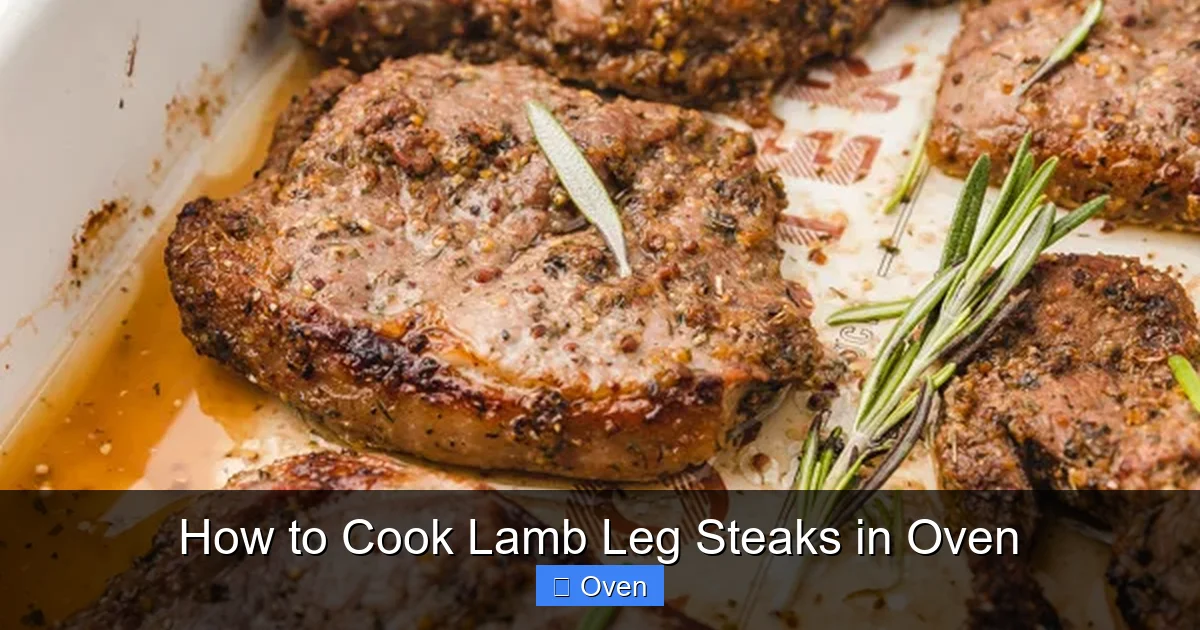
Cooking lamb leg steaks in the oven is an easy way to achieve tender, juicy results without grilling. Follow these steps to season, cook, and rest the steaks properly for maximum flavor. With the right temperature and timing, you’ll create a restaurant-quality dish at home.
Key Takeaways
- Choose well-marbled steaks: Fat marbling ensures juiciness and flavor during oven cooking.
- Season generously: Salt, herbs, and spices enhance the natural flavor of lamb.
- Preheat the oven: A hot oven (425°F) creates a seared exterior while keeping the inside tender.
- Use a meat thermometer: Cook to 135°F (medium-rare) for optimal tenderness and safety.
- Rest before serving: Letting steaks rest allows juices to redistribute for a moist final result.
- Try broiling for extra caramelization: Broil for the last 2–3 minutes for a crispy, golden crust.
📑 Table of Contents
Introduction to Cooking Lamb Leg Steaks in the Oven
Lamb leg steaks are a versatile and delicious cut that can be cooked in various ways. When using the oven, they offer a hands-off method to achieve a perfectly cooked, tender steak. Unlike grilling, which requires constant attention, oven cooking allows you to set the temperature and let time do the work. This makes it ideal for busy home cooks or those who prefer a more relaxed cooking process. Additionally, cooking lamb leg steaks in the oven helps develop a rich, caramelized crust while keeping the interior moist and flavorful.
One of the best advantages of oven-cooked lamb leg steaks is their adaptability. Whether you’re preparing a weeknight dinner or hosting a special occasion, these steaks pair beautifully with a variety of sides. From roasted vegetables to creamy mashed potatoes, the options are endless. In this guide, we’ll walk you through everything you need to know to master the art of cooking lamb leg steaks in the oven, from selecting the best cuts to serving them perfectly.
Selecting and Preparing the Steaks
Before diving into the cooking process, it’s essential to choose the right lamb leg steaks. Look for steaks that are at least 1 to 1.5 inches thick and have a good amount of marbling—fat running through the meat. This fat not only adds flavor but also keeps the steaks juicy during cooking. If possible, ask your butcher to cut the steaks uniformly for even cooking.
Once you’ve selected your steaks, it’s time to prepare them. Start by patting them dry with paper towels to remove excess moisture. This helps create a better sear when cooked. Next, season the steaks generously with salt and pepper. For extra flavor, consider adding garlic powder, rosemary, or smoked paprika. If you have time, let the seasoned steaks sit at room temperature for 30 minutes before cooking. This ensures even heat distribution.
For a more robust flavor, you can also marinate the steaks. A simple marinade of olive oil, lemon juice, minced garlic, and fresh herbs like thyme or oregano works wonderfully. Marinating for at least 2 hours or overnight will deepen the taste. If you’re short on time, a dry brine (salt only) for 30 minutes to 2 hours can also enhance juiciness.
Cooking Steps for Oven-Cooked Lamb Leg Steaks
Visual guide about How to Cook Lamb Leg Steaks in Oven
Image source: cdn.mos.cms.futurecdn.net
Now that your steaks are prepared, it’s time to cook them. Preheat your oven to 425°F (220°C). This temperature is ideal for achieving a nice crust while keeping the inside tender.
Step 1: Sear the Steaks
While the oven heats up, sear the steaks in a hot oven-safe skillet (like cast iron) on the stovetop over medium-high heat. Add a tablespoon of oil with a high smoke point, such as avocado or grapeseed oil. Once the oil shimmers, add the steaks and sear for 2–3 minutes per side until a golden-brown crust forms.
Step 2: Transfer to the Oven
After searing, transfer the skillet to the preheated oven. Insert a meat thermometer into the thickest part of the meat to monitor internal temperature. Cook for 10–15 minutes for medium-rare (130–135°F), or adjust the time based on your desired doneness.
Step 3: Optional Broiling for a Crispy Crust
For an extra-crispy exterior, switch the oven to broil for the last 2–3 minutes. Keep a close eye on the steaks to prevent burning. Broiling adds a delightful char that complements the tender interior.
Step 4: Rest the Steaks
Once cooked, remove the steaks from the oven and tent them loosely with foil. Let them rest for 5–10 minutes. This allows the juices to redistribute, making the steaks more flavorful and easier to slice.
Serving Suggestions and Pairings
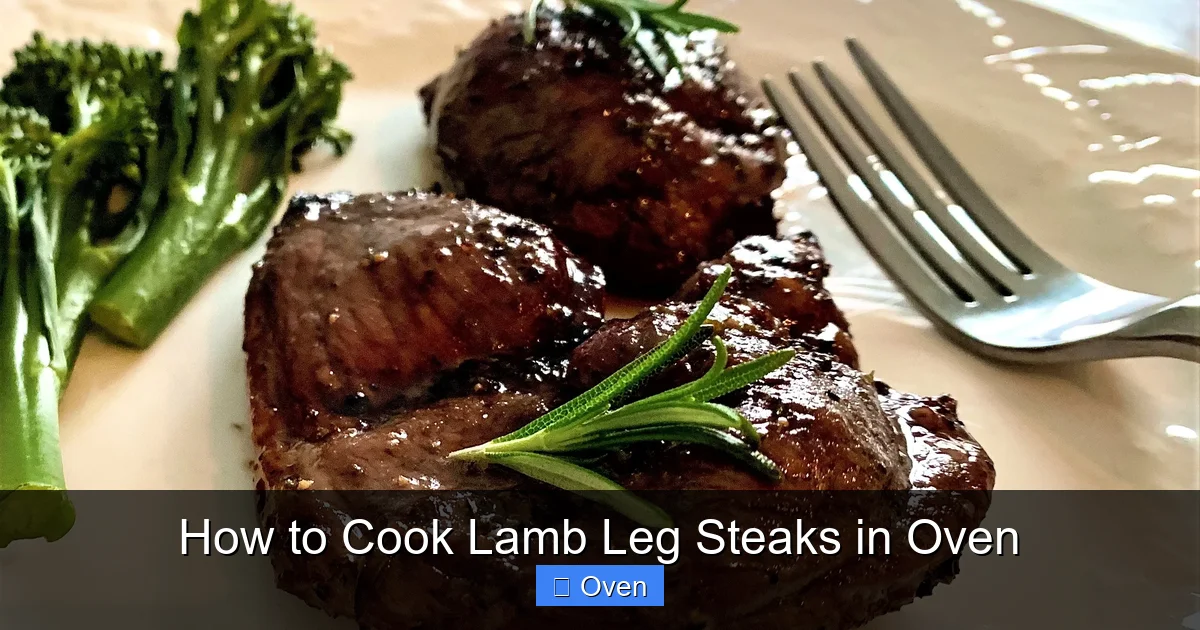
Visual guide about How to Cook Lamb Leg Steaks in Oven
Image source: i1.wp.com
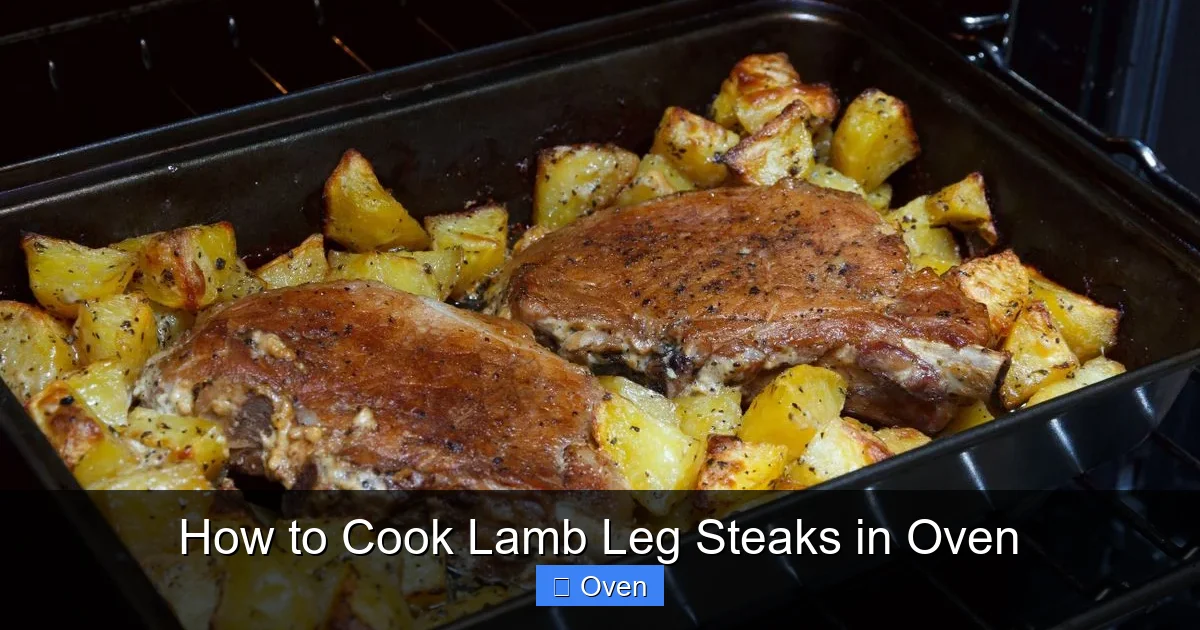
Lamb leg steaks are incredibly versatile when it comes to pairing. For a classic presentation, serve them with roasted root vegetables like carrots, parsnips, and potatoes. These can be cooked alongside the steaks or separately for more control over doneness. Another excellent option is a fresh salad with a tangy vinaigrette to balance the richness of the lamb.
If you’re looking for something hearty, creamy mashed potatoes or roasted garlic mashed cauliflower make perfect sides. For a Mediterranean twist, try serving the steaks with a fresh chimichurri or tzatziki sauce. These add brightness and acidity to cut through the richness of the meat.
For a complete meal, consider adding a grain like quinoa or farro. These not only add texture but also absorb any juices left from the steaks. If you’re serving guests, a crisp white wine like Sauvignon Blanc or a light red like Pinot Noir pairs beautifully with lamb.
Variations and Tips for Success
There are several ways to customize your oven-cooked lamb leg steaks based on your preferences or available ingredients.
Using Different Seasonings
While salt and pepper are always a safe bet, you can experiment with various seasonings. For a Middle Eastern twist, try a blend of cumin, coriander, and cinnamon. For a smoky flavor, use paprika and chili powder. If you enjoy herbs, fresh rosemary and thyme work wonderfully.
Cooking with Butterflied Lamb
If you’re working with a whole leg of lamb, consider butterflying it for quicker cooking. This method involves cutting the leg open along the bone and flattening it. You can then cook it in the oven or on the grill. For detailed instructions, check out our guide on how to cook butterflied leg of lamb in the oven.
Adjusting Cooking Time
The cooking time will vary depending on the thickness of your steaks. For thinner steaks (1 inch or less), the cooking time may be as short as 8–10 minutes. Thicker steaks (1.5 inches or more) may require 15–20 minutes. Always rely on a meat thermometer to ensure the desired doneness.
Troubleshooting Common Issues
Even experienced cooks can encounter challenges when cooking lamb leg steaks. Here are some common issues and how to fix them:
Overcooked Steaks
If your steaks are overcooked, it’s likely due to leaving them in the oven for too long. To prevent this, set a timer and check the internal temperature regularly. Cooking to 135°F for medium-rare is key.
Uneven Cooking
Uneven cooking can occur if the steaks are not of uniform thickness. Using a meat mallet to pound them to an even thickness can help. Alternatively, start the thicker steaks in the oven for a few minutes before adding thinner ones.
Sticking to the Pan
To prevent sticking, ensure your skillet is properly preheated and coated with oil before adding the steaks. Letting the steaks sear without moving them for the first few minutes also helps form a crust that releases easily.
Lack of Flavor
If the steaks taste bland, it might be due to insufficient seasoning or marinating. Always taste the marinade before applying it and use generous amounts of salt to enhance the natural flavors.
Storing and Reheating Leftovers
Any leftover lamb leg steaks can be stored in an airtight container in the refrigerator for up to 3 days. To reheat, gently warm them in a low oven (250°F) or in a skillet over low heat. Avoid microwaving, as it can dry out the meat.
For a longer storage option, freeze the steaks in a freezer-safe bag or container. Label with the date and reheat thoroughly before serving.
Conclusion
Cooking lamb leg steaks in the oven is a straightforward and rewarding process that yields tender, flavorful results. By following these steps—selecting the right cuts, seasoning generously, and monitoring the internal temperature—you’ll create a dish that’s sure to impress. Whether you’re cooking for a special occasion or a casual dinner, these steaks are a versatile addition to your culinary repertoire.
For more inspiration, explore our other [lamb recipes](https://kitchenstitch.com/how-to-cook-lamb-loin-roast-in-oven/) or try cooking [lamb chops in an air fryer](https://kitchenstitch.com/how-to-cook-lamb-chops-in-air-fryer-oven/) for a quicker alternative. With a little practice, you’ll master the perfect oven-cooked lamb leg steak every time.
Frequently Asked Questions
What temperature should I cook lamb leg steaks in the oven?
Preheat your oven to 425°F (220°C) for a balance of searing and tenderizing. This temperature ensures a golden crust while keeping the interior juicy.
How long do lamb leg steaks take to cook in the oven?
Cooking time depends on thickness. For 1-inch steaks, cook for 10–12 minutes for medium-rare. Thicker steaks may require 15–20 minutes. Always check the internal temperature with a meat thermometer.
Should I marinate lamb leg steaks before cooking?
Marinating is optional but highly recommended for added flavor. A simple mix of olive oil, garlic, and herbs works well. Marinate for at least 2 hours or overnight for deeper taste.
How do I know when lamb leg steaks are done?
Use a meat thermometer to check the internal temperature. For medium-rare, aim for 135°F (57°C). Rest the steaks for 5–10 minutes after cooking to allow juices to redistribute.
Can I cook lamb leg steaks without searing them first?
While searing adds flavor and texture, you can skip this step if short on time. Simply season and bake directly, but expect a less developed crust.
What sides pair well with oven-cooked lamb leg steaks?
Roasted vegetables, mashed potatoes, or a fresh salad make excellent pairings. For a Mediterranean touch, try serving with tzatziki or roasted garlic hummus.
=== END OF ARTICLE ===