Is a Toaster Oven Recyclable
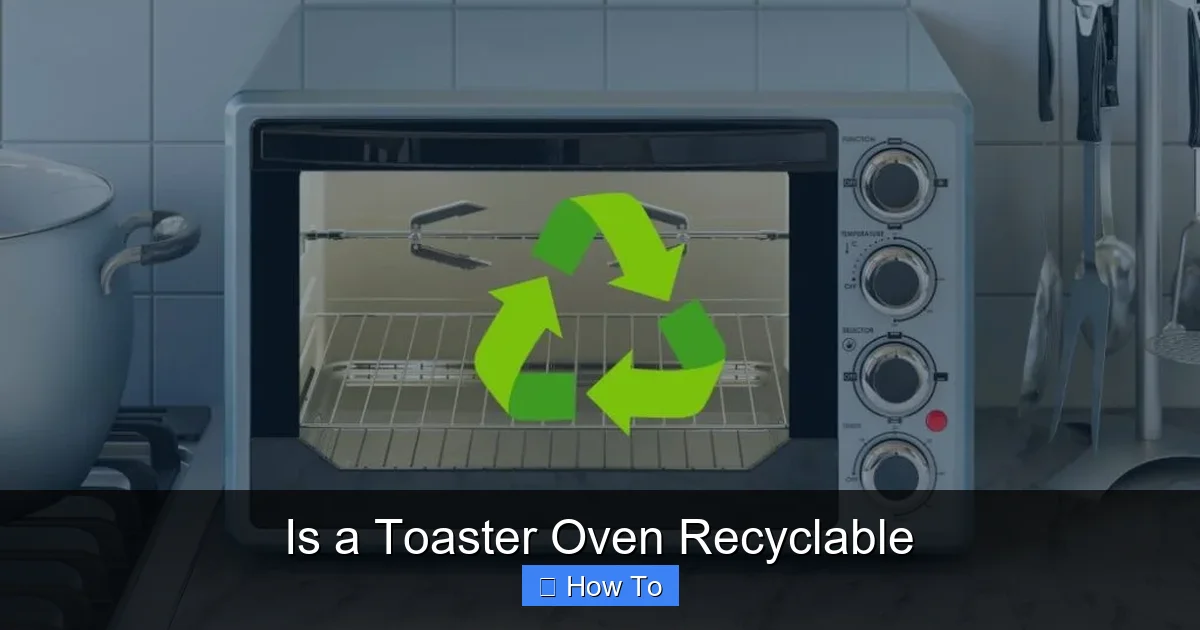
If you’re wondering whether a toaster oven is recyclable, the short answer is yes—but it depends on the model and local programs. Most modern units contain metal, plastic, and electronic components that can be separated and sent to specialized recyclers, while older ones may need special handling. By following a few simple steps and checking your community’s e‑waste services, you can keep this kitchen appliance out of landfills and protect the environment.
Key Takeaways
- What makes a toaster oven recyclable: Modern models have removable metal trays, plastic housings, and circuit boards that can be processed separately.
- Why recycling matters: Improper disposal releases hazardous materials and adds to e‑waste, which harms both health and the planet.
- Step‑by‑step basics: Unplug, clean, remove detachable parts, check for hazardous substances, and locate a certified recycler.
- Local options: Many municipalities offer e‑waste drop‑off events or accept small appliances at electronic retail locations.
- Extending life: Regular cleaning and simple repairs can delay the need for recycling and reduce waste.
- Common myths: Not all parts are recyclable; batteries and certain plastics often require special handling.
- Bottom line: With the right approach, most toaster ovens can be recycled responsibly, helping you contribute to a greener kitchen.
📑 Table of Contents
Introduction: Why Recycling a Toaster Oven Matters
If you’ve ever looked at your old toaster oven and thought, “Is a toaster oven recyclable?”, you’re not alone. Every year, thousands of household appliances end up in landfills, creating unnecessary e‑waste. A toaster oven may seem small, but it contains valuable metals, plastics, and electronic parts that can be reclaimed. By recycling it properly, you help conserve resources, reduce pollution, and support a circular economy. In this guide, we’ll walk you through what makes a toaster oven recyclable, how to prepare it for recycling, and where to find reliable recycling options in your area. We’ll also share tips to extend the life of your appliance, so you can enjoy fresh baked goods while minimizing waste. For those curious about the broader impact, our article on Is A Toaster Oven E Waste dives deeper into why proper disposal matters. Let’s get started on making your kitchen greener, one toaster oven at a time!
What You’ll Learn in This Guide
In this post, we break down the recycling process into simple, actionable steps. You’ll discover how to identify recyclable components, where to find local e‑waste programs, and how to safely handle hazardous parts. We also explore common myths that can confuse homeowners, and we provide practical tips for keeping your toaster oven running longer. By the end, you’ll have a clear roadmap for turning your old appliance into new resources, rather than trash.
Understanding Toaster Oven Components and Materials
Before you can recycle a toaster oven, it helps to know what it’s made of. A typical toaster oven houses several distinct materials, each with its own recycling path.
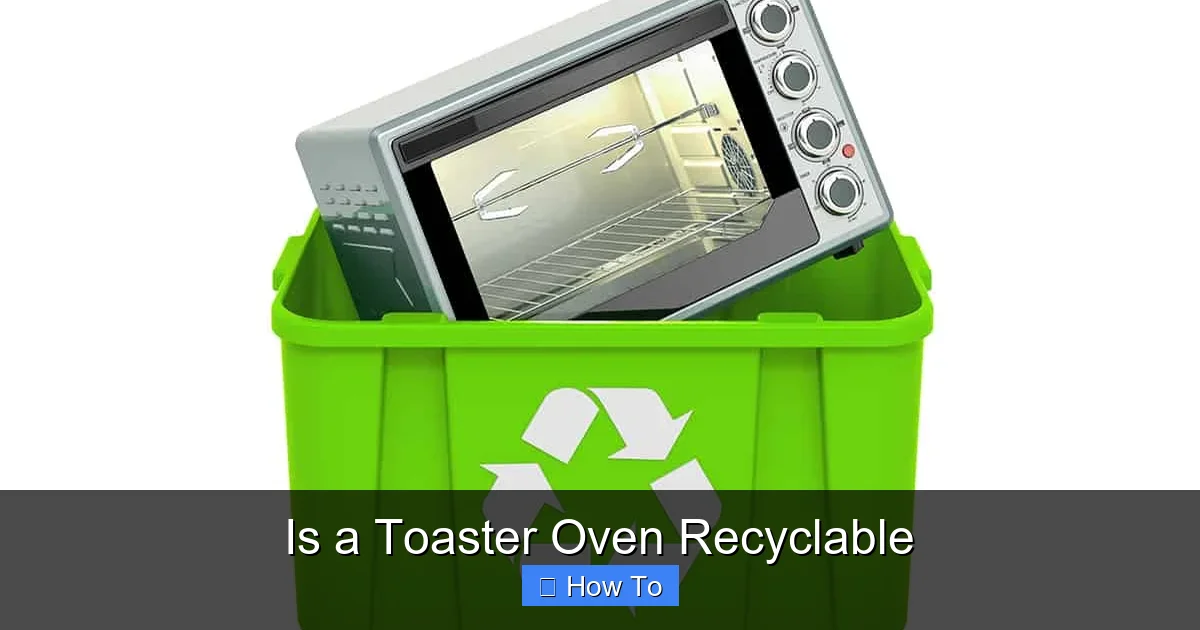
Visual guide about Is a Toaster Oven Recyclable
Image source: howdykitchen.com
Metal Parts: The Core of Recycling
The heating elements, metal trays, and outer chassis are usually made from steel or aluminum. These metals are highly recyclable and can be melted down for new products. When you remove the baking tray and any removable metal racks, you make the recycling process easier for both you and the facility.
Plastic Housing and Buttons
The outer shell, door, and control knobs are generally constructed from ABS or polycarbonate plastics. These plastics can be recycled, but only if they’re clean and free of food residue. It’s important to rinse the interior and wipe down the exterior before dropping the oven off at a recycling center.
Electronic Circuits and Wiring
Inside the unit, you’ll find printed circuit boards, resistors, and wiring. These contain valuable metals like copper, gold, and palladium. However, they also include hazardous substances such as lead and mercury. Because of this, they should never go into a regular trash bin. Instead, they must be handled by a certified e‑waste recycler. Many communities have specific drop‑off locations that accept small electronic appliances.
Glass and Ceramic Components
Some toaster ovens include glass windows or ceramic heating elements. Glass is recyclable, but it must be protected from breakage. If you have a glass door, consider wrapping it in bubble wrap or placing it in a sturdy box to prevent cracks during transport.
Summary of Materials
- Steel/Aluminum: High recycling value.
- ABS/Polycarbonate: Recyclable if clean.
- Printed Circuit Boards: Requires e‑waste handling.
- Glass: Recyclable with proper protection.
Step‑by‑Step Guide to Recycling Your Toaster Oven
Recycling a toaster oven doesn’t have to be intimidating. Follow these straightforward steps, and you’ll have your appliance ready for the recycling stream.
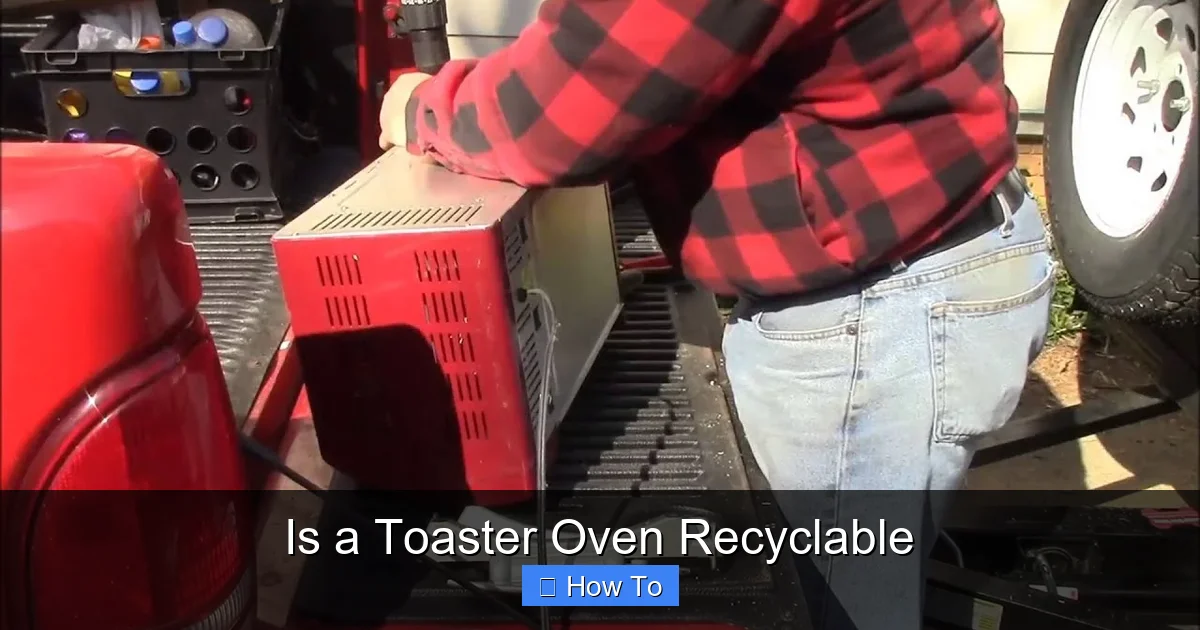
Visual guide about Is a Toaster Oven Recyclable
Image source: i.ytimg.com
1. Unplug and Cool Down
Always start by unplugging the unit from the wall. Let it cool completely before you touch any metal parts. Hot components can cause burns, and a cooled oven is safer to handle.
2. Remove Detachable Parts
Take out the baking tray, racks, and any other removable accessories. These parts are often made of metal or plastic and can be recycled separately. Rinse them with warm, soapy water, let them dry, and set them aside.
3. Clean the Exterior and Interior
Wipe down the outside with a damp cloth to remove dust and grease. Inside, a quick spray of vinegar and water can help dissolve food residue. Make sure there’s no oil or food left, as contaminants can hinder recycling.
4. Check for Hazardous Elements
Look for any batteries, capacitors, or mercury-containing components. Small button batteries are common in older models. If you find any, place them in a separate sealed bag. Many recycling programs accept these items, but they must be isolated.
5. Gather Documentation (If Needed)
Some recycling facilities require proof of purchase or a completed e‑waste registration form. Keep the original box or a simple note listing the appliance type. This step is optional for most drop‑off locations but can speed up the process.
6. Find a Certified Recycler
Now it’s time to locate a recycler that accepts small appliances. Options include municipal e‑waste collection events, retailer take‑back programs, and specialized electronic recycling centers. For detailed guidance on energy‑saving practices that complement recycling, see our piece on Is Toaster Oven Energy Efficient. These facilities have the equipment to safely dismantle and process each material.
7. Transport and Drop‑Off
Place the oven in a sturdy box if it’s fragile, especially if it has a glass door. Label the box with “Electronics – Do Not Recycle in Regular Trash.” Bring it to your chosen drop‑off location. Many centers offer free drop‑off, but some may charge a small fee to cover processing costs.
8. Verify Recycling
Ask the recycler for a receipt or confirmation that the unit was processed. Some programs provide a small rebate or a recycling voucher. Keeping this documentation can also help you track your environmental impact over time.
Local Recycling Options and E‑Waste Programs
Finding the right recycling spot is often the biggest hurdle. Fortunately, many communities have established programs that make it easy to recycle small appliances like toaster ovens.
Visual guide about Is a Toaster Oven Recyclable
Image source: regionalrecycling.ca
Community E‑Waste Collection Events
Most cities host annual e‑waste collection days. These events are usually free and accept a wide range of electronics, including toaster ovens. Check your local government’s website or sign up for community newsletters to stay informed about upcoming dates.
Retailer Take‑Back Programs
Stores like Best Buy, Home Depot, and Staples often have drop‑off bins for small electronics. They partner with certified recyclers to ensure proper handling. If you purchased your toaster oven from one of these retailers, they may even offer a small discount on your next purchase.
You can also compare toaster oven efficiency to other appliances in our article on Is A Toaster Oven More Efficient. Understanding efficiency can help you choose a model that not only cooks well but also minimizes waste throughout its lifespan.
Electronic Recycling Centers
Specialized recycling centers focus solely on electronic waste. They have the technology to safely extract hazardous materials and recover valuable metals. Many of these centers are nonprofit and run on donations or modest processing fees. Look for certifications like R2 (Responsible Recycling) to ensure high standards.
Manufacturer Take‑Back Services
Some appliance manufacturers offer take‑back programs for end‑of‑life products. For example, companies like Breville or Hamilton Beach may accept old units for recycling. Check the product’s warranty booklet or the manufacturer’s website for details.
Tips for Extending the Life of Your Toaster Oven
While recycling is essential, preventing waste in the first place is even better. Here are some practical tips to keep your toaster oven performing well and delay the need for recycling.
Regular Cleaning
After each use, wipe the interior with a damp cloth. Remove the tray and racks and soak them in warm, soapy water. This prevents food buildup that can affect heating performance and cause unpleasant odors.
Inspect and Replace Parts
Periodically check the heating element for signs of corrosion. If you notice uneven heating, it may be time to replace the element or the thermostat. Many replacement parts are inexpensive and easy to install, extending the appliance’s life significantly.
Use Proper Settings
Follow the manufacturer’s recommended temperature ranges. Overheating can damage internal components and shorten the oven’s lifespan. Using the correct settings also improves energy efficiency, which aligns with sustainable cooking practices.
Store Safely When Not in Use
Keep the toaster oven in a dry, dust‑free area. Moisture can corrode metal parts, and dust can interfere with electronic contacts. A kitchen cabinet with a slight tilt to drain water works well.
Final Thoughts and Sustainable Cooking
Deciding whether a toaster oven is recyclable isn’t just about a simple yes or no. It’s about understanding the components, preparing the unit correctly, and using the right resources in your community. By following the step‑by‑step guide above, you can confidently recycle your old appliance, protect the environment, and support a circular economy.
Remember that recycling is just one piece of the puzzle. Extending the life of your toaster oven through regular maintenance and mindful usage can dramatically reduce waste. For those interested in broader sustainable kitchen practices, explore our other articles that cover topics from energy efficiency to creative reuse ideas.
Take action today: unplug, clean, and locate a certified recycler. Your future self—and the planet—will thank you. And if you ever wonder about the bigger picture, our article on Is A Toaster Oven E Waste offers deeper insights into how small appliances contribute to global e‑waste statistics.
Conclusion
In short, most modern toaster ovens are recyclable with the right preparation. By removing detachable parts, cleaning thoroughly, and finding a reputable recycling program, you can ensure that valuable materials are reclaimed and hazardous substances are handled safely. This simple act not only reduces landfill waste but also conserves resources for future generations. Embrace sustainable cooking, keep your kitchen tidy, and make recycling a habit. Your toaster oven may be small, but its impact on the environment can be big—if you choose to recycle it responsibly.
Frequently Asked Questions
Can I recycle a toaster oven at a regular landfill?
No. Regular landfills are not equipped to handle electronic waste. Hazardous components like circuit boards and batteries can leak harmful substances. Always use a certified e‑waste recycling center or a community collection event.
What parts of a toaster oven are recyclable?
Metal trays, steel/aluminum chassis, and plastic housings are typically recyclable. Circuit boards require special e‑waste processing. Glass doors can be recycled if protected from breakage.
Do I need to remove the heating element before recycling?
No special removal is needed, but it’s best to keep the oven intact for the recycler’s convenience. If you notice any damage or hazardous leaks, inform the recycling staff immediately.
Are there any costs associated with recycling a small appliance?
Many municipal programs and retailer take‑back services offer free drop‑off. Some specialized recycling centers may charge a modest fee to cover processing costs, but this is usually minimal.
How often should I clean my toaster oven to extend its life?
Clean after each use to prevent food buildup. A deeper cleaning every month helps maintain performance and prevents grease buildup that could affect heating elements.
Can I donate a working toaster oven instead of recycling it?
Absolutely. If the appliance is in good working condition, consider donating it to a local charity or nonprofit organization. This extends its useful life and reduces waste.