What Is the Resistor in a Toaster
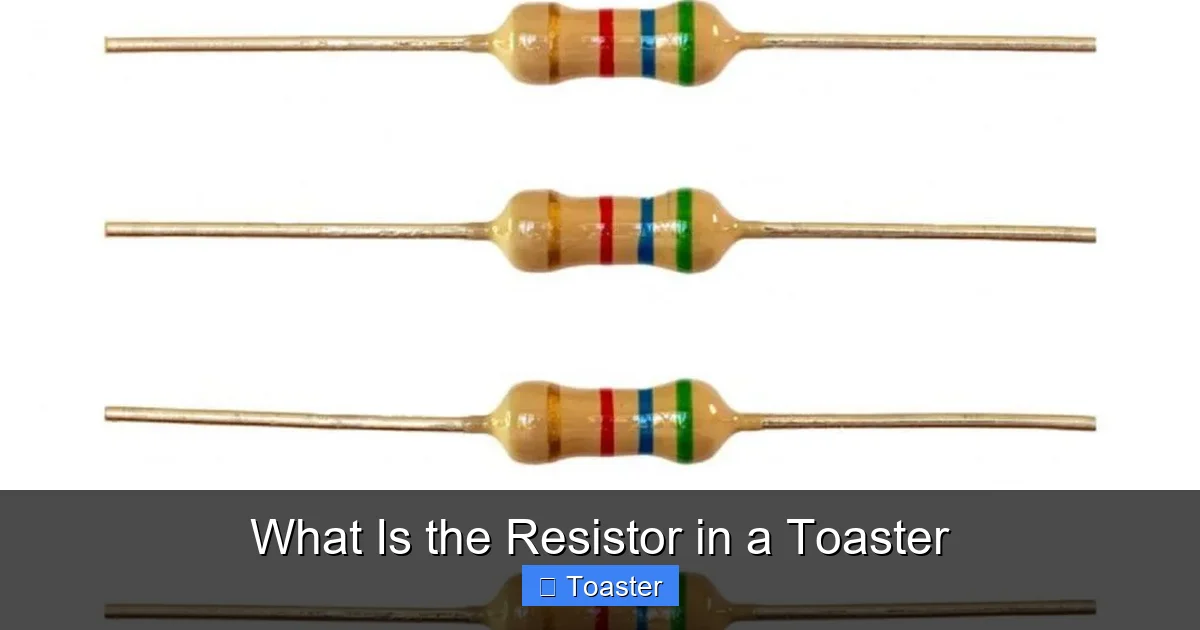
The resistor in a toaster is a critical component that heats up the bread slots to toast your slices evenly and safely. It regulates temperature, prevents overheating, and ensures consistent browning. Without it, toasters couldn’t function—making this small part as vital as the toaster itself.
This is a comprehensive guide about What Is The Resistor In A Toaster.
Key Takeaways
- Resistor Basics: A resistor converts electrical energy into heat, using materials like nichrome wire or ceramic elements.
- Safety Role: It includes thermal fuses or cutoffs to prevent fires by shutting off power if temperatures get too high.
- Heating Control: Adjustable resistors allow different browning levels (light, medium, dark) by varying current flow.
- Durability: High-quality resistors last years, but poor-quality ones may fail, leading to uneven toasting.
- Maintenance: Clean the resistor area regularly to avoid burnt crumbs that could cause overheating.
- Troubleshooting: If your toaster doesn’t toast, check the resistor for damage or loose connections.
—
### MAIN CONTENT
#### Introduction: Why Resistors Matter in Toasters
Ever wondered what makes your toaster work? The secret lies in a tiny but mighty component: the resistor. Unlike blenders or air fryers (which rely on motors or fans), toasters depend entirely on controlled heat. The resistor is the heart of this process—transforming electricity into warmth that crisps your bread without burning it.
Think of it like a chef’s stove knob: you adjust settings, but the resistor handles the “heat” behind the scenes. Whether you’re making golden-brown bagels or lightly toasted sourdough, this little part ensures consistency. Let’s dive deeper into how it works, why it’s crucial, and how to keep yours running smoothly.
#### How Does a Resistor Work in a Toaster?
Toasters use nichrome wire, a metal alloy resistant to oxidation, coiled around ceramic or steel cores. Here’s the step-by-step magic:
1. Power Flow: When you plug in the toaster, electricity travels through the resistor’s coil.
2. Heat Generation: The resistance in nichrome wire slows electron movement, converting energy into heat (Joule heating).
3. Heat Distribution: The ceramic core insulates while radiating heat evenly into the bread slots.
4. Temperature Control: Thermostats or digital circuits modulate current to prevent overheating.
Fun Fact: Nichrome wires can reach 900°F (480°C)—hot enough to melt plastic! That’s why safety mechanisms are so important.
#### Types of Resistors in Toasters
Not all resistors are created equal. Modern toasters often use:
– Fixed Resistors: Simplest design; one heating element per slot. Common in budget models.
– Adjustable Resistors: Allow browning level adjustments via dials or buttons. Found in premium toasters.
– Ceramic Heating Elements: More durable than metal, with even heat distribution.
– Digital Resistors: Smart toasters with sensors auto-adjust heat based on bread type.
#### Safety Features: How Resistors Prevent Hazards
Fires aren’t just sci-fi—they happen when toasters overheat. Here’s how resistors stay safe:
– Thermal Fuses: Cut power if temperatures exceed safe limits (e.g., 500°F/260°C).
– Circuit Breakers: Resettable switches interrupt current during faults.
– Insulation: Ceramic coatings prevent short circuits from spilled water or grease.
Tip: If your toaster smells burnt, unplug it immediately—this might indicate a failing resistor.
#### Common Issues & Troubleshooting
Even the best resistors wear out. Signs of trouble include:
– Uneven Toast: One side browns faster? The resistor’s coil may be misaligned.
– No Heat at All: Check wiring or replace the resistor (requires basic DIY skills).
– Burning Smell: Crust buildup can overheat the resistor; clean slots after each use.
Practical Example: If your toaster’s “dark” setting isn’t working, the adjustable resistor might be faulty—try resetting or contacting support.
#### Maintenance Tips for Longevity
Keep your resistor happy with these habits:
– Clean Regularly: Use a soft brush or vacuum crumbs from slots.
– Avoid Moisture: Don’t soak the toaster; wipe spots dry immediately.
– Check Connections: Loose wires can disrupt heating—have a technician inspect annually.
– Use Safe Bread: Avoid frozen or overly dense items, which strain the resistor.
Pro Tip: For stainless-steel toasters, use a silicone scraper to remove stuck-on bits gently.
#### Why Resistors Are Different in Other Appliances
While toasters rely purely on resistive heating, other kitchen gadgets work differently:
– Blenders (like Ninja): Use motors to spin blades, not heat ([read about Ninja blenders here](https://kitchenstitch.com/is-the-ninja-blender-worth-buying)).
– Air Fryers: Combine convection (fan-assisted) and radiant heat.
– Microwaves: Generate microwaves to vibrate water molecules directly.
This contrast shows how specialized components shape appliance functionality!
#### Conclusion: The Unsung Hero of Your Kitchen
From morning bagels to midnight snacks, the resistor quietly does its job day after day. Understanding it helps you troubleshoot issues, maintain your toaster, and appreciate engineering marvels hiding in plain sight. Next time you press the lever, remember: thanks to a clever resistor, your toast is golden perfection every time!
—
### FAQs
What happens if a toaster resistor fails?
If the resistor fails, the toaster won’t generate heat. Symptoms include no browning or weak heating. Replace the resistor or consult a repair service to avoid electrical hazards.
Can I clean the resistor in my toaster?
No! The resistor is sealed inside the slots. Instead, clean the exterior slots with a soft brush or cloth to prevent overheating from debris.
Do all toasters have resistors?
Yes. Even manual crank toasters use resistive heating. The difference lies in complexity—modern models have smart resistors for precise control.
How long do toaster resistors typically last?
With proper care, they last 5–10 years. Cheap models may wear out sooner due to inferior materials.
Are there eco-friendly toaster resistors?
Niche brands offer recyclable ceramic elements, but most still use nichrome. Recycle old appliances properly to reduce waste!
Can I upgrade my toaster’s resistor?
Advanced DIYers can swap resistors, but it requires matching specifications. For most users, buying a new toaster is safer.
Frequently Asked Questions
What is What Is The Resistor In A Toaster?
What Is The Resistor In A Toaster is an important topic with many practical applications.