How Long and What Temp to Cook Asparagus in Oven
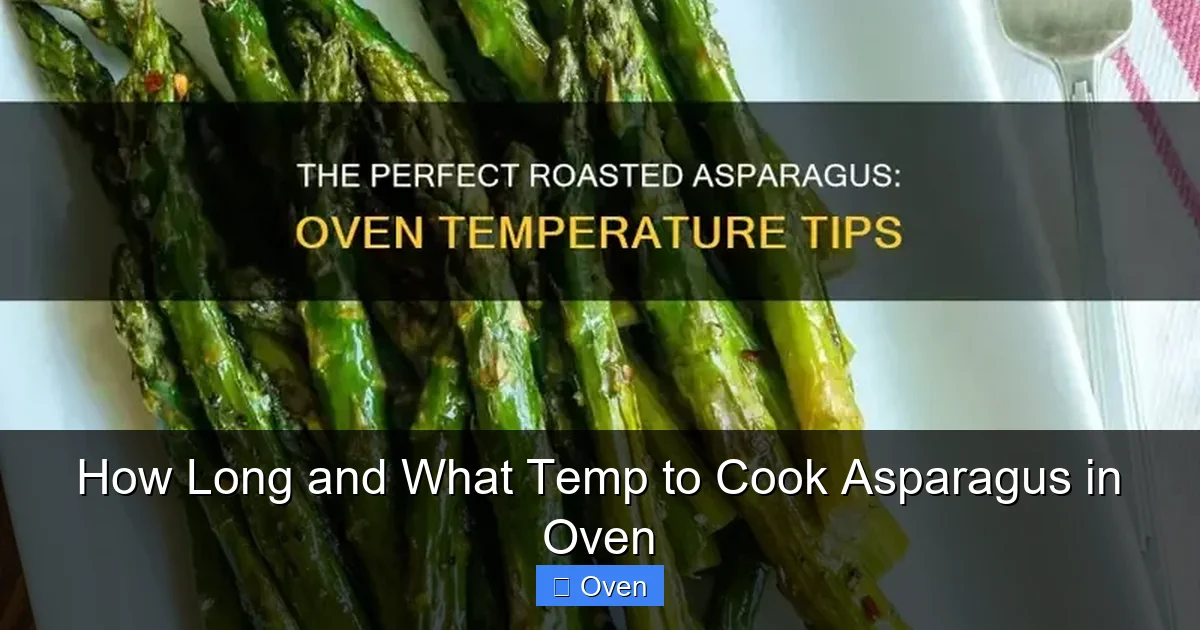
To get the best results, you should cook asparagus at 400°F (200°C) for about 10 to 15 minutes. The exact time depends on the thickness of the stalks and your preference for tenderness. For a quick side dish, roasting at a high heat ensures a caramelized exterior and a juicy center.
There is nothing quite like a bunch of perfectly roasted asparagus. It is one of those rare vegetables that feels fancy but is incredibly easy to make. If you are wondering how long and what temp to cook asparagus in oven, you are in the right place. Whether you are prepping a holiday feast or just a quick Tuesday night dinner, roasting is the way to go.
Unlike steaming or boiling, roasting brings out a natural sweetness in the asparagus. The high heat caramelizes the tips and softens the stalks. It transforms a simple green vegetable into a savory treat that everyone at the table will actually want to eat. The secret lies in the balance of heat and time.
In this guide, we will break down everything you need to know. We will cover the best temperatures, the exact timing for different thicknesses, and some pro tips to make sure you never end up with mushy greens again. Let’s get your oven preheated and dive in!
Key Takeaways
- Ideal Temperature: 400°F (200°C) is the gold standard for roasting.
- Cooking Time: Thin stalks take 10-12 minutes; thick stalks take 15-20 minutes.
- Preparation: Always trim the woody ends before cooking for the best texture.
- Avoid Overcrowding: Spread stalks in a single layer to ensure they roast instead of steam.
- Seasoning: Olive oil, salt, and pepper are basics, but lemon and parmesan add great flavor.
- Doneness Check: Asparagus is ready when it is tender when pierced with a fork but still has a slight snap.
📑 Table of Contents
The Best Temperature for Roasting Asparagus
When it comes to the oven, heat is your best friend. To get that signature charred look and a tender interior, you need a relatively high temperature. The most recommended temperature is 400°F (200°C). This temperature is high enough to brown the edges quickly without overcooking the center.
Why 400°F is the Magic Number
At 400°F, the Maillard reaction happens. This is a chemical reaction between amino acids and reducing sugars that gives browned food its distinctive flavor. If you cook asparagus at a lower temperature, like 325°F or 350°F, the vegetable will soften, but it won’t get those delicious brown spots. It ends up tasting more like steamed asparagus, which is fine, but not nearly as flavorful.
Can You Go Higher or Lower?
Yes, you can. If you love a very charred, almost “burnt” tip, you can bump your oven up to 425°F. However, you must watch the oven very closely. At 425°F, the window between “perfect” and “burnt” is very small. On the other hand, if you are roasting asparagus alongside a main dish that requires a lower temperature, you can use 375°F. Just be prepared to leave the asparagus in for a few extra minutes.
How Long to Cook Asparagus in the Oven
Timing is where most people get nervous. No one wants a soggy vegetable. The amount of time you need depends almost entirely on the thickness of the stalks you bought from the store.
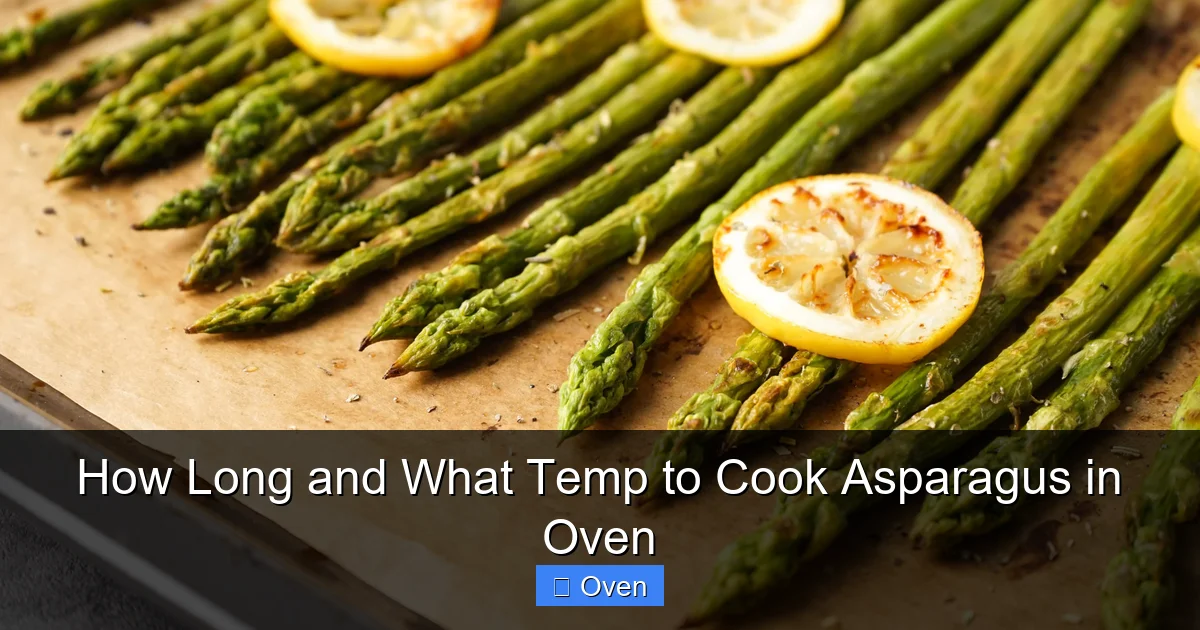
Visual guide about How Long and What Temp to Cook Asparagus in Oven
Image source: blogchef.net
Thin Asparagus Stalks
Thin stalks (pencil-thin) cook very quickly. If you leave them in too long, they will shrivel up. For thin asparagus, aim for 10 to 12 minutes at 400°F. Start checking them at the 10-minute mark. They are done when the tips are slightly browned and the stalks are tender.
Medium to Thick Asparagus Stalks
Thicker stalks are heartier and take longer for the heat to reach the center. For medium stalks, you are looking at 12 to 15 minutes. For very thick, jumbo stalks, you may need 15 to 20 minutes. If you have a mix of thick and thin stalks on one tray, try to group them together so the thin ones don’t burn while the thick ones are still raw.
How to Tell When It’s Done
The easiest way to check for doneness is the “fork test.” Poke a fork into the thickest part of the stalk. It should slide in easily but still feel like there is a tiny bit of resistance. If the fork slides through like butter, it is overcooked. If it feels hard or crunchy, it needs a few more minutes.
Step-by-Step Guide to Perfect Oven Asparagus
Now that we know the time and temp, let’s walk through the process. Following these steps ensures consistency every time you cook.
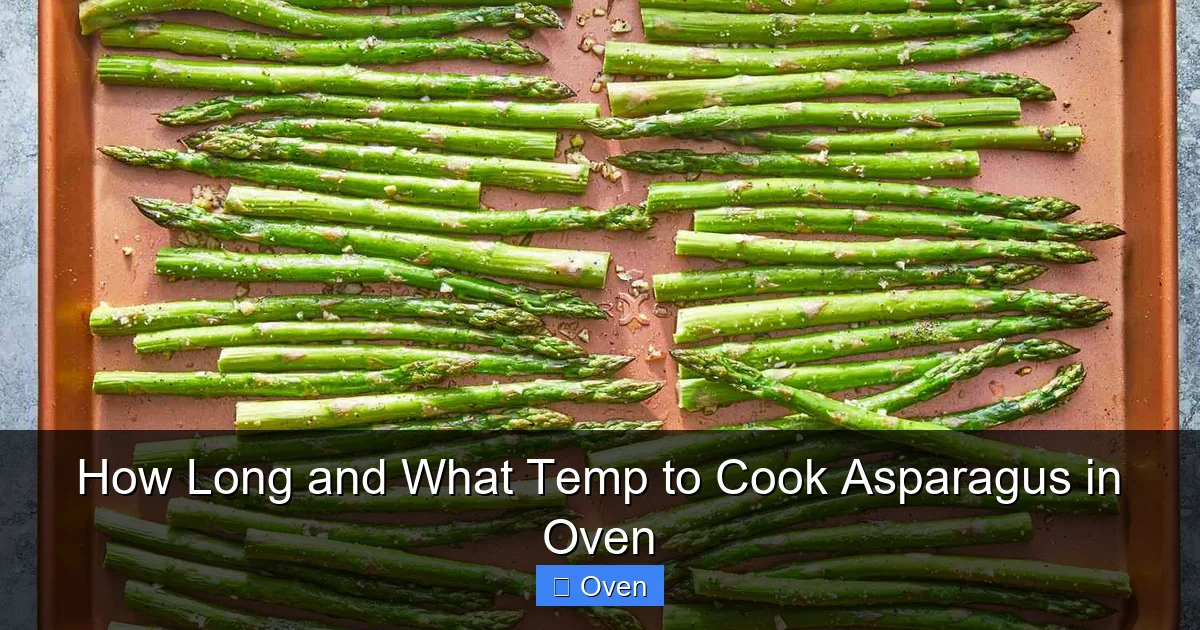
Visual guide about How Long and What Temp to Cook Asparagus in Oven
Image source: southernliving.com
Step 1: Prep the Asparagus
First, you need to remove the woody ends. The bottom inch or two of an asparagus stalk is often tough and fibrous. You can snap them naturally by bending the stalk until it breaks, or you can use a knife to slice off the bottom. I prefer the knife method because it allows for a clean, uniform look.
Step 2: Seasoning for Flavor
Place your trimmed asparagus on a large baking sheet. Drizzle with extra virgin olive oil. The oil is crucial because it conducts the heat and prevents the vegetable from drying out. Sprinkle with salt and black pepper. For a little extra zing, a squeeze of fresh lemon juice or a sprinkle of garlic powder works wonders.
Step 3: Arranging the Pan
This is a critical step: do not crowd the pan. If the stalks are piled on top of each other, they will release steam and boil instead of roast. Spread them out in a single layer with a little space between each stalk. This allows the hot air to circulate, giving you that golden-brown finish.
Step 4: The Roast
Slide the tray into the center rack of your preheated 400°F oven. Set your timer based on the thickness of your stalks. Avoid opening the oven door too often, as this lets the heat escape and increases the cooking time.
Flavor Variations and Pairings
While salt and pepper are great, asparagus is a versatile vegetable that pairs well with many ingredients. Here are a few ways to level up your side dish.
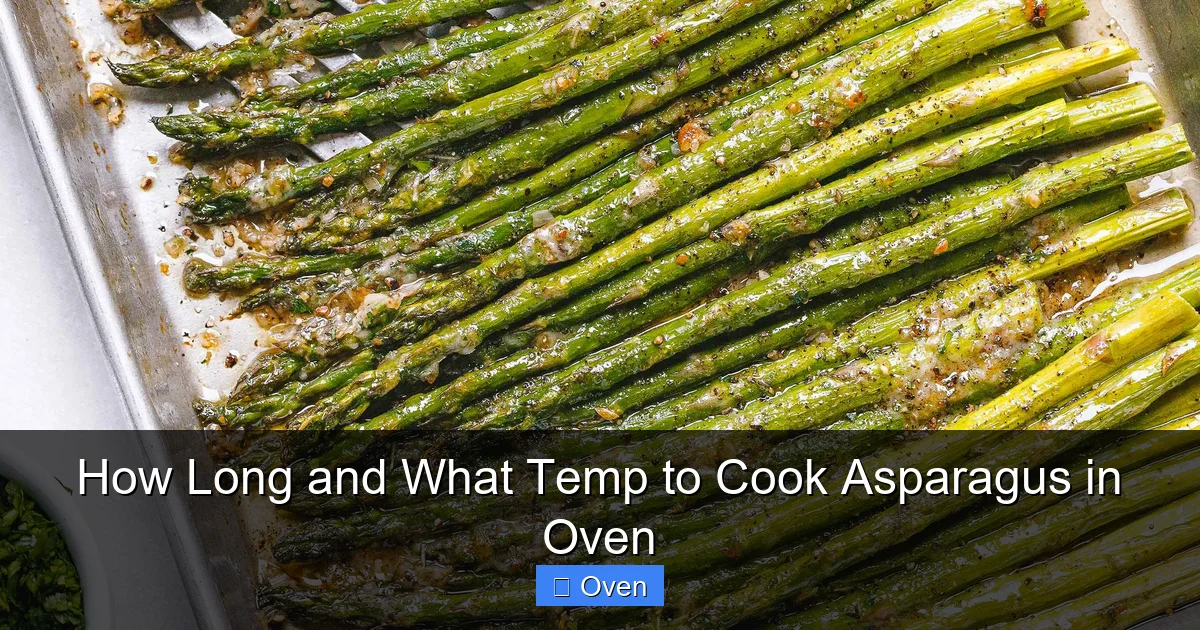
Visual guide about How Long and What Temp to Cook Asparagus in Oven
Image source: eatwell101.com
The Cheesy Version
During the last 3 minutes of cooking, sprinkle a handful of grated Parmesan cheese over the stalks. The cheese will melt and form a salty, crispy crust. This is a crowd-pleaser for kids and adults alike.
The Zesty Version
After taking the asparagus out of the oven, immediately drizzle with fresh lemon juice and sprinkle with lemon zest. The acidity of the lemon cuts through the richness of the olive oil and brightens the overall flavor.
The Savory Version
Toss your asparagus with minced garlic and a pinch of red pepper flakes before roasting. The garlic becomes fragrant and toasted, adding a deep, savory note that pairs perfectly with grilled meats.
Common Mistakes to Avoid
Even with the right temperature and time, a few common errors can ruin the dish. Here is what to watch out for.
Overcooking
The biggest mistake is overcooking. Overcooked asparagus loses its vibrant green color and becomes a dull olive green. It also becomes mushy. Always set a timer and start checking early. Remember, the asparagus will continue to cook for a minute or two after you take it out of the oven due to residual heat.
Using Too Much Oil
While oil is necessary, too much will make the asparagus greasy and slippery. You only need enough to lightly coat the stalks. A tablespoon or two is usually plenty for a whole bunch.
Ignoring the Oven Rack Position
If you place the tray on the bottom rack, the bottoms of the stalks might burn before the tips are done. If you place them too high, the tips might burn too quickly. The middle rack is the safest bet for even cooking.
Comparing Oven Roasting to Other Methods
You might be wondering if the oven is the best way to cook this vegetable. Let’s compare it to other popular methods.
Oven vs. Air Fryer
The air fryer is essentially a small, powerful convection oven. It cooks faster than a standard oven. If you are in a rush, you might wonder how long should I put asparagus in the air fryer. Generally, the air fryer takes about 6-10 minutes. While the air fryer is faster, the oven is better for larger batches when you are feeding a crowd.
Oven vs. Stovetop Sautéing
Sautéing in a pan is great for a quick side, but it requires you to stand over the stove and stir constantly. Roasting in the oven is “set it and forget it.” Plus, the oven provides a more consistent heat that caramelizes the tips more effectively than a pan usually does.
Oven vs. Steaming
Steaming is the healthiest method as it requires no oil, but it lacks the flavor depth of roasting. Steaming gives you a soft, clean taste, while roasting gives you a complex, nutty flavor. If you are looking for a gourmet experience, the oven is the clear winner.
What to Serve With Roasted Asparagus
Roasted asparagus is the perfect companion to many main courses. Because it has a slightly bitter and earthy taste, it balances rich proteins beautifully.
Pairing with Seafood
Asparagus and seafood are a classic match. It goes perfectly with grilled salmon or seared scallops. If you are using an air fryer for your main course, you might check how long to cook salmon steak in air fryer to time your meal perfectly so everything finishes at once.
Pairing with Meats
Whether it is a juicy steak, roasted chicken, or pork chops, asparagus adds a fresh, green element to the plate. It provides a necessary contrast to the heavy flavors of meat. For those who love air-fried meats, you can coordinate your asparagus with a main like how to long to cook chicken breast in air fryer for a healthy and fast dinner.
Pairing with Vegetarian Mains
For a meatless meal, roasted asparagus pairs well with quinoa, roasted potatoes, or a creamy polenta. It adds a sophisticated touch to a vegetable-forward plate.
Storage and Reheating Tips
If you have leftovers, don’t let them go to waste. However, asparagus can be tricky to reheat without losing its texture.
How to Store
Store leftover asparagus in an airtight container in the refrigerator. It will stay fresh for about 3 to 5 days. To keep them from getting soggy, let them cool completely before putting the lid on the container.
The Best Way to Reheat
Avoid the microwave if possible, as it often makes the stalks rubbery. Instead, pop them back into the oven or a toaster oven at 350°F for 3-5 minutes. This helps them regain some of their crispness. If you have an air fryer, a quick 2-minute blast at 350°F will bring them back to life perfectly.
Conclusion
Knowing how long and what temp to cook asparagus in oven is a simple skill that elevates your cooking game. By sticking to 400°F and timing your roast based on the thickness of the stalks, you can achieve professional results at home. Just remember to trim the ends, avoid overcrowding the pan, and keep a close eye on the timer.
Whether you keep it simple with salt and pepper or get creative with Parmesan and lemon, roasted asparagus is a delicious, nutrient-dense addition to any meal. It is fast, easy, and tastes amazing. Now that you have the master guide, you can confidently whip up this side dish whenever the craving hits!
Frequently Asked Questions
Can I cook asparagus from frozen in the oven?
Yes, but it is not recommended for the best texture. Frozen asparagus tends to release more water, which leads to steaming rather than roasting, often resulting in a mushy consistency.
Do I need to peel asparagus?
No, you do not need to peel asparagus. Just trim the woody ends. The skin is thin and contains a lot of the vegetable’s nutrients and flavor.
Why did my asparagus come out mushy?
Mushiness is usually caused by two things: overcooking or overcrowding the pan. If the stalks are too close together, they steam instead of roast. Ensure they are in a single layer and check them a few minutes early.
Can I roast asparagus with other vegetables?
Yes, but be mindful of cooking times. Vegetables like carrots take longer than asparagus. If roasting together, start the carrots first and add the asparagus for the final 12-15 minutes of cooking.
What is the best oil for roasting asparagus?
Extra virgin olive oil is the most popular choice for flavor. However, avocado oil or grapeseed oil also work well because they have higher smoke points, which is great for high-heat roasting.
How do I prevent the tips from burning?
If you find the tips are browning too quickly, you can lightly toss them in a bit more oil or move the baking sheet to a slightly lower rack in the oven to reduce direct heat exposure.