How to Cook Beef Tenderloin Steaks in Oven
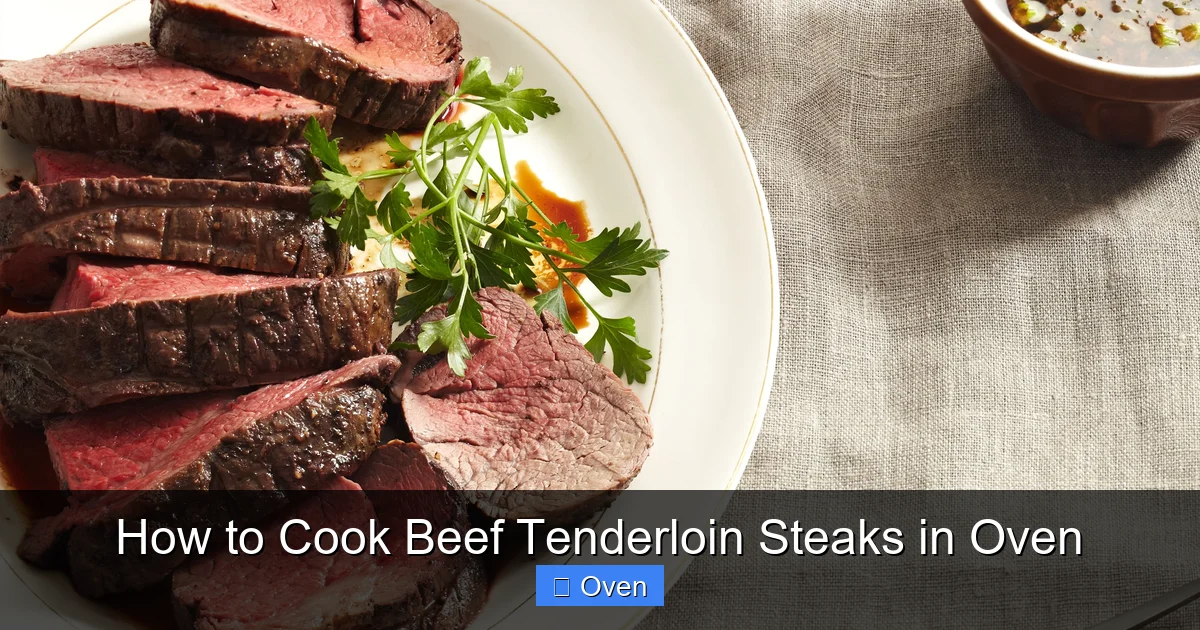
Master the art of perfectly cooked beef tenderloin steaks in your oven with just a few simple steps. By searing the steaks first, seasoning them generously, and finishing at a precise temperature, you’ll achieve a restaurant‑quality crust and juicy, melt‑in‑your‑mouth interior every time. Follow our quick guide for timing, temperature tips, and resting tricks to ensure flawless results on any weeknight dinner.
How to Cook Beef Tenderloin Steaks in Oven
There’s something magical about a perfectly cooked beef tenderloin steak. The buttery texture, the subtle beefy flavor, and that gorgeous pink center make it a dinner‑party hero. Yet many of us shy away from the cut because we think it needs a grill or a fancy kitchen gadget. The truth? You can achieve restaurant‑level results right in a standard oven, and the process is easier than you might imagine.
In this guide I’ll walk you through everything you need to know – from picking the right steak, seasoning it like a pro, to mastering the oven temperature that gives you a flawless medium‑rare every time. Think of this as a friendly chat over a kitchen counter, where I share the little tricks that have saved my steaks (and my sanity) on countless weeknight meals.
Key Takeaways
- Understanding How To Cook Beef Tenderloin Steaks In Oven: Provides essential knowledge for making informed decisions
- Practical applications: Can be applied in various real-world scenarios
- Key benefits: Offers significant advantages when properly implemented
- Important considerations: Requires attention to specific details and best practices
- Future implications: Continues to evolve and impact related fields
📑 Table of Contents
Choosing the Right Beef Tenderloin Steak
What to Look For at the Butcher
- Thickness: Aim for 1½ to 2 inches. Thicker steaks give you a nice sear on the outside while staying juicy inside.
- Marbling: Even though tenderloin is naturally lean, a thin line of intramuscular fat adds flavor.
- Freshness: Look for a bright, cherry‑red color and a firm texture. If the meat smells faintly metallic or sour, it’s best to pass.
Fresh vs. Frozen
If you buy frozen tenderloin, thaw it slowly in the refrigerator for 24 hours. Quick‑thaw methods can cause uneven texture, which is the last thing you want when you’re aiming for a melt‑in‑your‑mouth bite.
Preparing the Steak for the Oven
Dry‑Brining for Maximum Flavor
Salt isn’t just a seasoning; it’s a moisture‑magnet that helps the meat retain juiciness. Sprinkle kosher salt evenly on both sides of the steak and let it rest uncovered in the fridge for at least 40 minutes, or up to 24 hours. This dry‑brine will also create a slightly drier surface, perfect for a crispy crust.
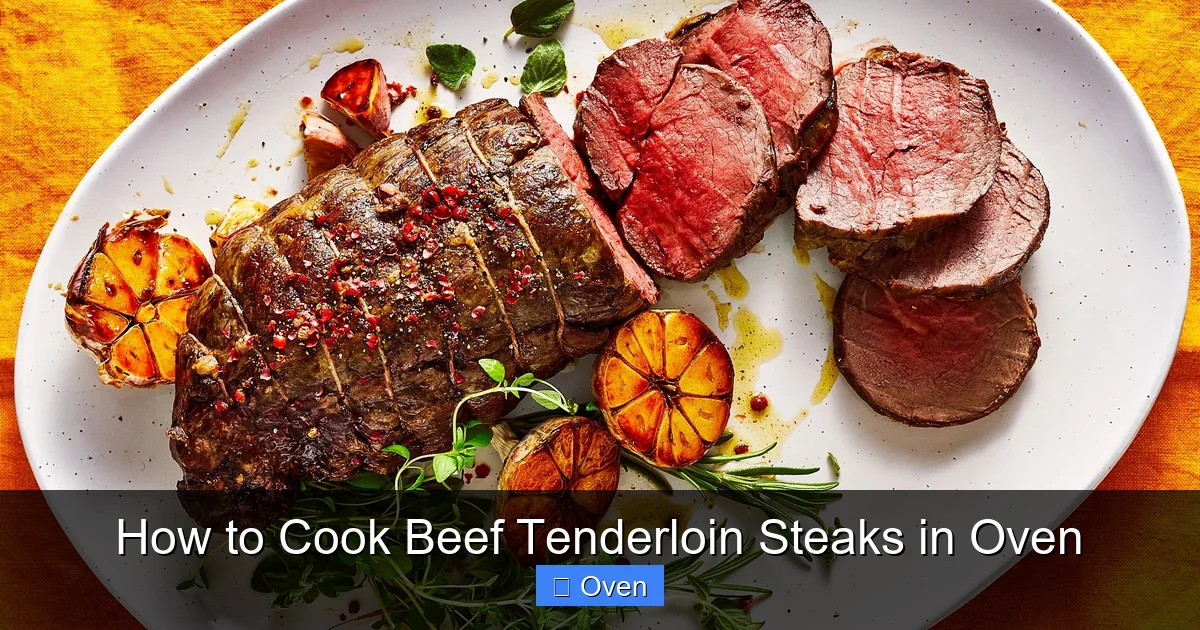
Visual guide about How to Cook Beef Tenderloin Steaks in Oven
Image source: bhg.com
Seasoning and Oil
After the dry‑brine, pat the steak dry with paper towels. Lightly coat it with a high‑smoke‑point oil (like grapeseed or avocado) and add freshly cracked black pepper. Feel free to add garlic powder, rosemary, or thyme for extra aroma – just keep it simple to let the beef shine.
Room‑Temperature Rest
Let the seasoned steak sit at room temperature for about 20‑30 minutes before it hits the oven. This step evens out the internal temperature, preventing a cold center and ensuring even cooking.
Setting Up the Oven for Perfect Results
Preheat to a High Heat
Set your oven to 450°F (232°C). A hot oven creates the Maillard reaction quickly, giving you that coveted crust without overcooking the interior.
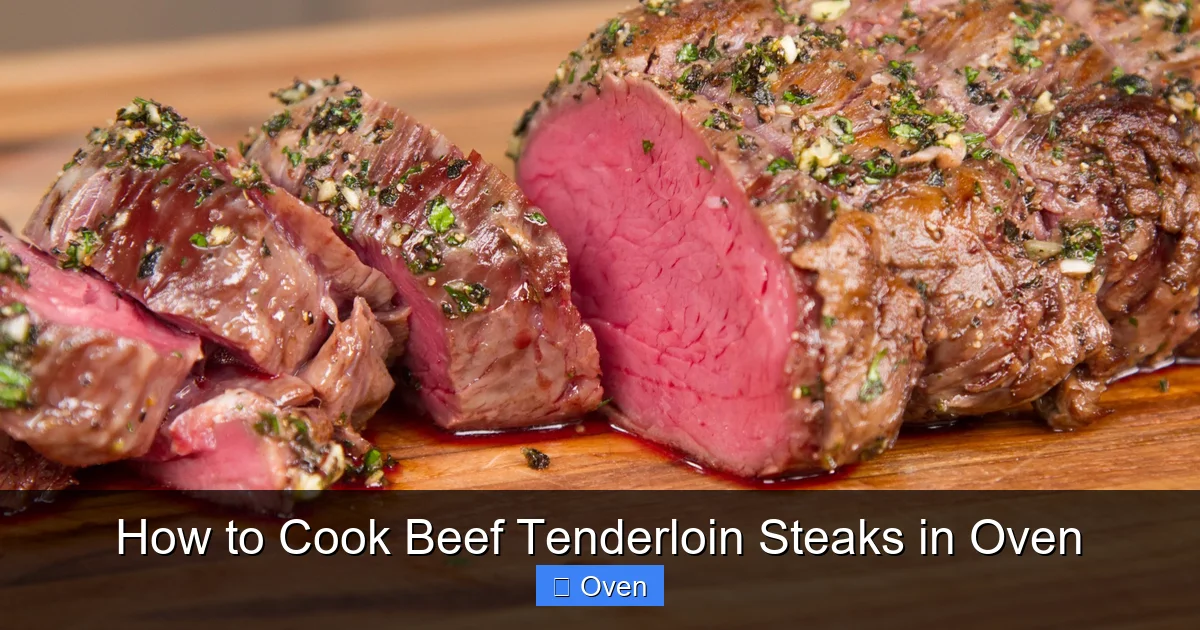
Visual guide about How to Cook Beef Tenderloin Steaks in Oven
Image source: cdn.copymethat.com
Choose the Right Pan
A heavy‑bottomed cast‑iron skillet or a sturdy oven‑safe stainless steel pan works best. The pan should be large enough to hold the steak without crowding, which would steam the meat instead of searing it.
Optional: Use a Wire Rack
Placing a wire rack on the pan allows air to circulate around the steak, promoting even browning. This is especially helpful if you’re cooking more than one steak at a time.
Cooking the Steak: Step‑by‑Step
1. Sear on the Stovetop (Optional but Recommended)
Heat the pan over medium‑high heat for 2‑3 minutes until it’s smoking hot. Add a tiny splash of oil, then lay the steak down. Sear each side for 2 minutes. This quick sear locks in juices and gives a beautiful crust.
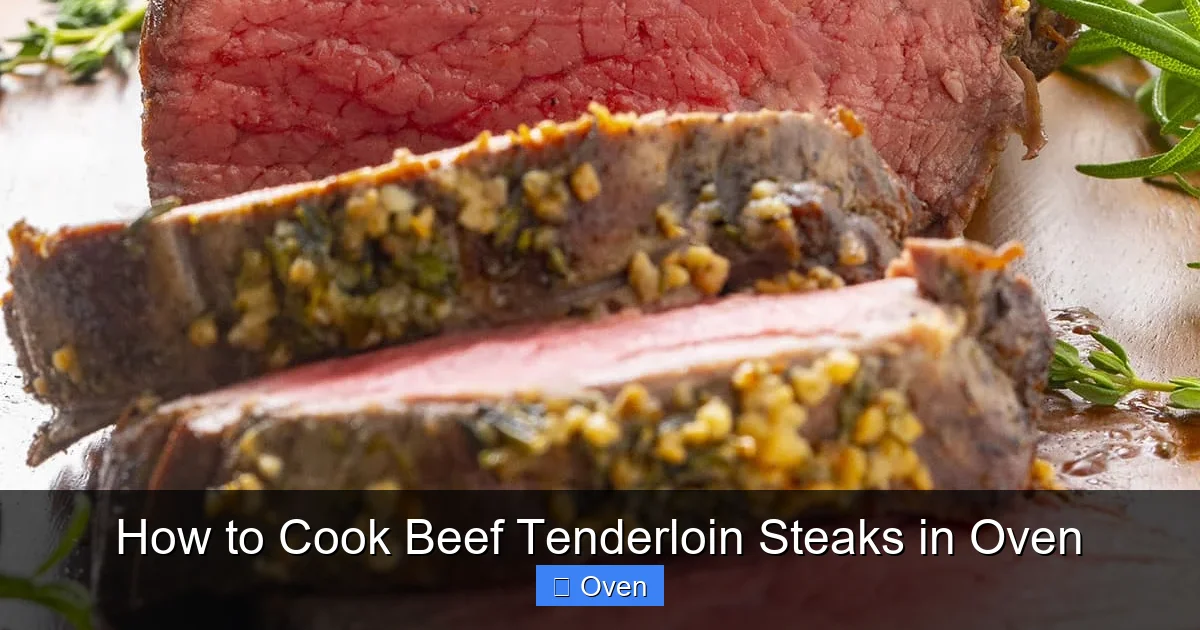
Visual guide about How to Cook Beef Tenderloin Steaks in Oven
Image source: wholesomeyum.com
2. Transfer to the Oven
Slide the pan (or the rack with the steak) into the preheated oven. Cook for 5‑7 minutes for medium‑rare, 8‑10 minutes for medium, depending on thickness. Use a meat thermometer to check the internal temperature: 130°F (54°C) for rare, 135°F (57°C) for medium‑rare, 145°F (63°C) for medium.
3. Rest Before Cutting
Remove the steak from the oven and let it rest on a cutting board, loosely covered with foil, for 10 minutes. Resting lets the juices redistribute, so they don’t spill out when you slice.
4. Slice and Serve
Cut against the grain in ½‑inch slices. Serve with a simple side like roasted vegetables or a fresh salad, and you’ve got a meal that feels luxurious without the fuss.
Cooking Times & Temperature Guide (Data Table)
| Steak Thickness | Desired Doneness | Oven Time (minutes) | Internal Temp (°F) |
|---|---|---|---|
| 1½ inches | Rare | 4‑5 | 120‑125 |
| 1½ inches | Medium‑Rare | 5‑7 | 130‑135 |
| 1½ inches | Medium | 8‑10 | 140‑145 |
| 2 inches | Rare | 5‑6 | 120‑125 |
| 2 inches | Medium‑Rare | 7‑9 | 130‑135 |
| 2 inches | Medium | 10‑12 | 140‑145 |
Tips, Tricks, and Common Mistakes to Avoid
Don’t Overcrowd the Pan
When the pan is too full, the steak steams instead of sears. Cook in batches if necessary.
Use a Meat Thermometer
Relying on visual cues alone can be risky. A quick-read probe gives you confidence that the steak is exactly where you want it.
Finish with Butter and Herbs
During the last minute of oven time, add a tablespoon of butter, a sprig of thyme, and a smashed garlic clove. Spoon the melted butter over the steak for extra richness.
Watch the Resting Time
Skipping the rest step is a common error. The steak will lose up to 30% of its juices, leaving it dry.
Pairing Ideas
Serve your oven‑cooked tenderloin with a classic red wine reduction, a side of garlic‑roasted potatoes, or a bright chimichurri sauce. The contrast of flavors makes the meal unforgettable.
Frequently Overlooked Details
Choosing the Right Oven Rack Position
Place the rack in the middle of the oven for even heat distribution. If you’re using a convection setting, you can lower the temperature by 25°F and reduce cooking time by about 25%.
Testing Doneness Without a Thermometer
If you don’t have a thermometer, use the “finger test” – compare the firmness of the steak to the feel of the fleshy part of your palm when you touch your thumb to each finger. It’s not as precise, but it works in a pinch.
Storing Leftovers
Slice any leftover steak thinly, toss with a bit of olive oil, and store in an airtight container. It reheats beautifully in a hot pan for a quick lunch.
Conclusion
Cooking beef tenderloin steaks in the oven is a straightforward, rewarding process that delivers a steakhouse‑quality dinner without the need for a grill or fancy equipment. By selecting a good cut, dry‑brining, searing briefly, and finishing at a high oven temperature, you’ll achieve a tender, juicy steak with a perfect crust every time.
Remember the key steps: salt, let it rest, use a hot pan, watch the internal temperature, and give the meat a proper rest before slicing. With a little practice, you’ll be the go‑to person for a special‑occasion dinner or a simple weekend treat.
Ready to try it? Preheat that oven, grab your favorite side dishes, and enjoy the satisfaction of mastering a classic steak technique right at home.
For more oven‑cooking inspiration, you might also enjoy reading about the best pan to cook turkey in oven or exploring how to make beef stew in an electric pressure cooker for a cozy, hearty meal.
Frequently Asked Questions
What is the best way to season beef tenderloin steaks before baking?
Seasoning is simple yet crucial. Pat the steaks dry, then rub them generously with salt, pepper, and your favorite herbs—rosemary, thyme, or garlic powder work wonderfully. Let them rest at room temperature for about 20 minutes before placing them in the oven to ensure even cooking.
How do I determine the correct oven temperature for tenderloin steaks?
The ideal temperature is around 400°F (200°C). This high heat sears the exterior, locking in juices while the interior reaches a perfect medium‑rare or medium doneness. Always use an instant-read thermometer to check the internal temperature accurately.
How to Cook Beef Tenderloin Steaks in Oven for a juicy result?
First sear the steaks in a hot skillet for 2–3 minutes per side to create a flavorful crust. Transfer them to a preheated oven at 400°F, cooking for 6–10 minutes depending on thickness, then rest for 5 minutes before slicing to keep the juices locked in.
Can I use a meat thermometer to avoid overcooking the tenderloin?
Yes, a digital instant-read thermometer is your best ally. Aim for 125°F (51°C) for rare, 135°F (57°C) for medium‑rare, and 145°F (63°C) for medium. Remove the steaks from the oven a few degrees below your target, as they will continue to cook during resting.
What side dishes pair well with oven‑roasted beef tenderloin steaks?
Roasted root vegetables, garlic mashed potatoes, or a crisp green salad complement the rich flavor of tenderloin. A simple pan sauce made from the drippings, red wine, and a touch of cream adds a luxurious finishing touch.
How long should I let the steak rest after baking?
Rest for 5–10 minutes; this allows the juices to redistribute throughout the meat. Cover loosely with foil to keep the steak warm, and slice against the grain for maximum tenderness.