How Long to Cook St Louis Ribs at 250 Oven
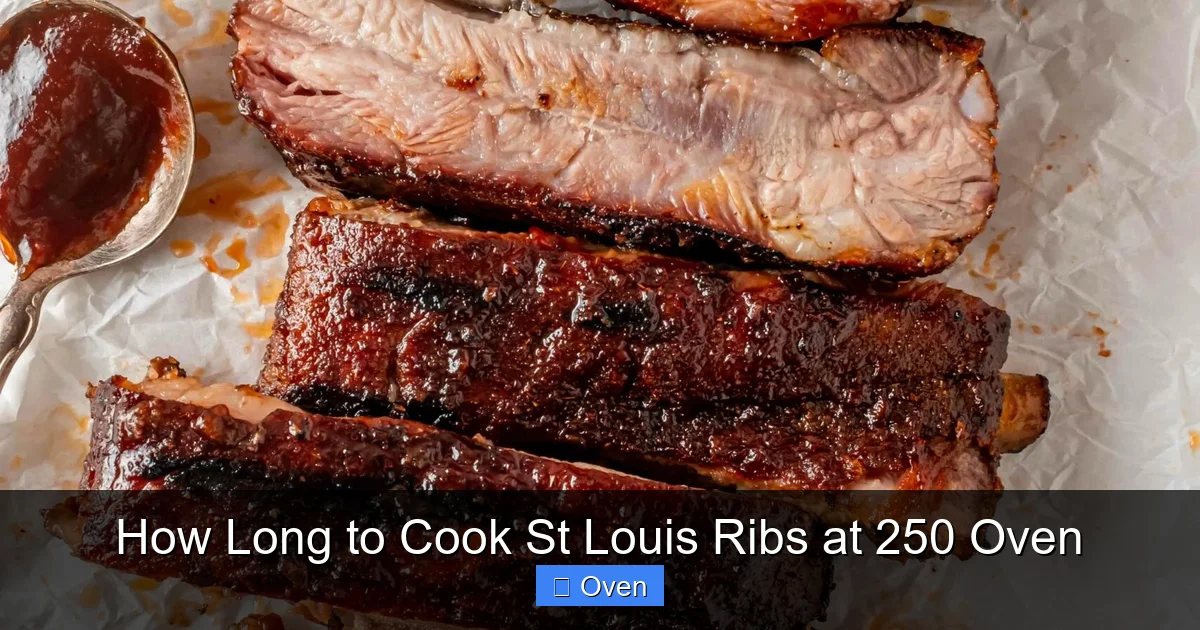
Cooking St Louis ribs at a low 250°F oven yields melt‑in‑your‑mouth tenderness without drying out. Plan for 3‑4 hours of slow roasting, finish with a quick high‑heat glaze, and let the meat rest for ultimate flavor.
Key Takeaways
- Optimal time: 3 to 4 hours at 250°F for a full rack of St Louis ribs.
- Prep matters: Removing the membrane and using a dry rub ensures flavor penetrates.
- Low‑and‑slow benefits: Gentle heat breaks down collagen, giving juicy, fall‑off‑the‑bone meat.
- Finish with heat: A 10‑minute blast at 425°F caramelizes the glaze.
- Rest before slicing: 10‑15 minutes lets juices redistribute for maximum moistness.
- Equipment tip: Use a rimmed baking sheet, foil, and a wire rack for even cooking.
- Adjust for size: Smaller racks may need only 2.5 hours; larger ones up to 4.5 hours.
📑 Table of Contents
- Introduction: Why Low‑And‑Slow Is the Secret to Perfect St Louis Ribs
- 1. Preparing Your Ribs for the Oven
- 2. The Cooking Timeline: How Long to Cook St Louis Ribs at 250°F
- 3. Finishing Touches: Glaze, Caramelize, and Rest
- 4. Serving Ideas and Side Pairings
- 5. Troubleshooting Common Issues
- 6. Frequently Asked Questions (FAQs)
- Conclusion: Your New Go‑To Rib Routine
Introduction: Why Low‑And‑Slow Is the Secret to Perfect St Louis Ribs
If you’ve ever tried to cook ribs at a high temperature, you know the disappointment of dry, tough meat. The magic happens when you give the ribs a long, gentle roast at 250°F. This “low‑and‑slow” method melts the connective tissue, turning collagen into gelatin. The result? Ribs that are tender, juicy, and packed with flavor.
St Louis ribs are a specific cut—trimmed into a rectangular shape with the cartilage removed. Their uniform size makes them perfect for an even bake. In this guide we’ll walk you through every step: from prepping the meat, choosing the right rub, timing the cook, to finishing with a glossy glaze. By the end, you’ll have a reliable timeline for cooking St Louis ribs at 250°F that works for any oven.
1. Preparing Your Ribs for the Oven
1.1 Removing the Membrane
The thin, silver‑gray membrane on the back of the ribs can act like a barrier, preventing seasonings from reaching the meat. Use a butter knife to lift a corner, then grab it with a paper towel and pull it off in one smooth motion. This small step makes a big difference in texture.
Visual guide about How Long to Cook St Louis Ribs at 250 Oven
Image source: img.recipescooking.net
1.2 Applying a Dry Rub
A good dry rub adds flavor and helps form the crust (the “bark”). A basic blend includes:
- 2 tbsp brown sugar
- 1 tbsp paprika
- 1 tsp garlic powder
- 1 tsp onion powder
- ½ tsp cayenne (optional for heat)
- Salt and black pepper to taste
Massage the rub into both sides of the ribs. For deeper flavor, wrap the seasoned ribs in plastic wrap and refrigerate for at least 2 hours, or overnight if you have time.
1.3 Setting Up Your Oven
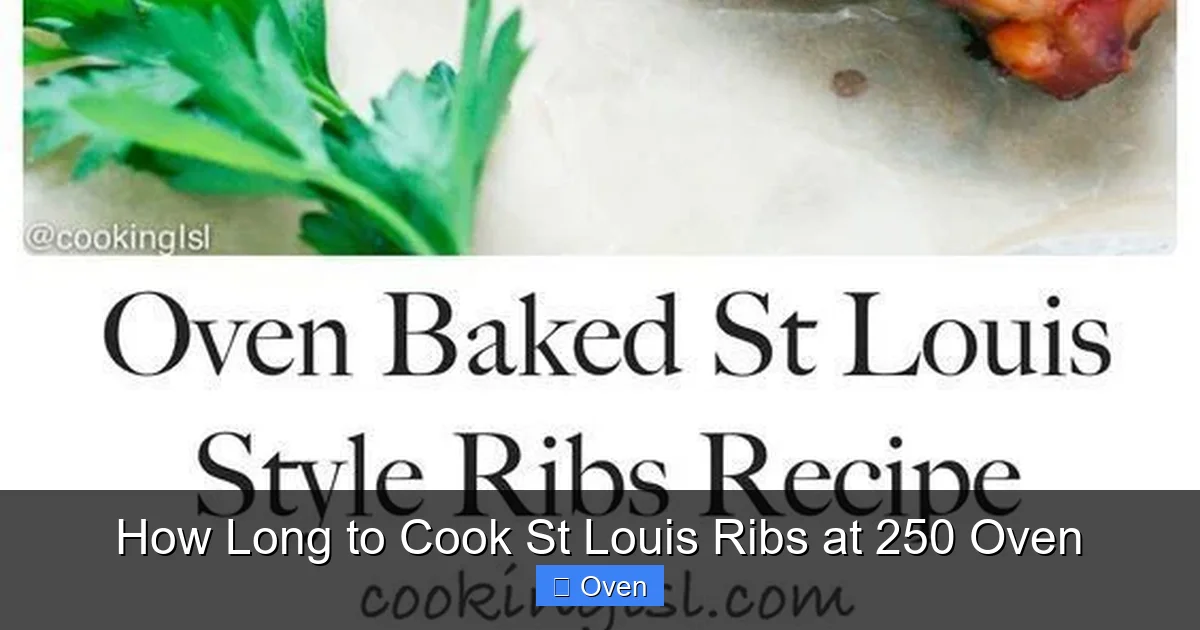
Preheat the oven to 250°F (121°C). Place a rimmed baking sheet on the lower rack and line it with heavy‑duty foil—this catches drippings and makes cleanup easy. Position a wire rack on top of the sheet and lay the ribs, bone side down, on the rack. The rack promotes air circulation, ensuring even cooking.
2. The Cooking Timeline: How Long to Cook St Louis Ribs at 250°F
2.1 General Rule of Thumb
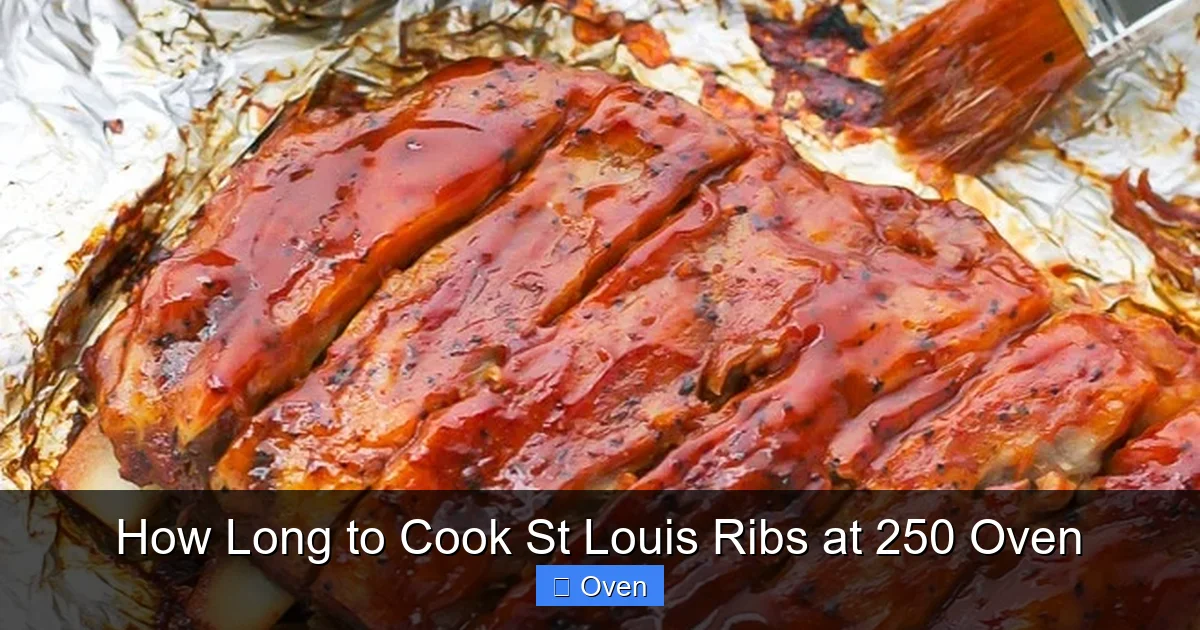
For a standard full rack (about 2 – 2.5 pounds), plan on 3 to 4 hours at 250°F. The exact time depends on the thickness of the meat and how “fall‑off‑the‑bone” you like it.
Visual guide about How Long to Cook St Louis Ribs at 250 Oven
Image source: cookinglsl.com
2.2 Hour‑by‑Hour Guide
- 0 – 30 min: Ribs bake gently. No need to check yet.
- 30 – 90 min: If you like a smoky hint, add a small pan of water or apple juice to the foil on the lower rack. This creates a moist environment.
- 90 – 180 min: Begin checking for tenderness. Insert a toothpick into the thickest part; it should meet little resistance.
- 180 – 240 min: If the ribs are still firm, continue cooking. Most racks will be perfect around the 3‑hour mark.
2.3 When to Wrap (The Texas‑Style “2‑Hour” Method)
Some cooks wrap the ribs in foil after the first 2 hours (often with a splash of apple cider vinegar or broth). This “steam‑braise” keeps the meat moist and speeds up tenderness. If you choose this method, return the wrapped ribs to the oven for another 1 hour, then unwrap for the final glaze.
3. Finishing Touches: Glaze, Caramelize, and Rest
3.1 Applying a Barbecue Glaze
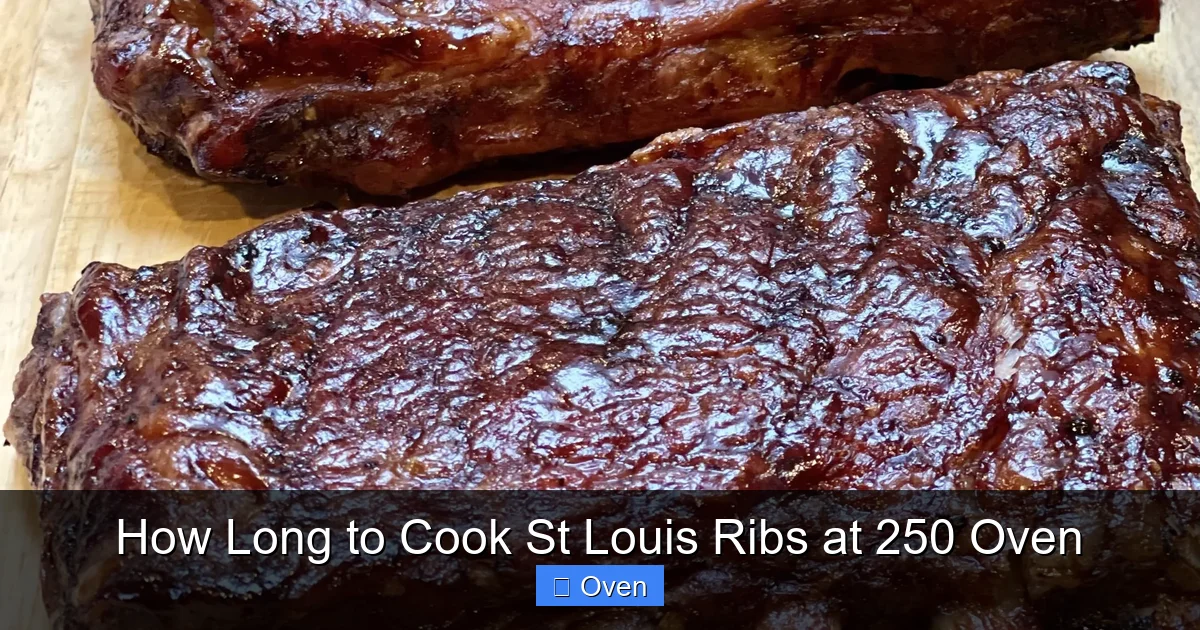
When the ribs are tender, brush them with your favorite barbecue sauce. For extra flavor, mix a tablespoon of honey or maple syrup into the sauce.
Visual guide about How Long to Cook St Louis Ribs at 250 Oven
Image source: images.squarespace-cdn.com
3.2 The High‑Heat Blast
Increase the oven temperature to 425°F (218°C) and bake the glazed ribs for 10‑12 minutes. This step caramelizes the sugars, creating a sticky, glossy finish.
3.3 Resting Is Crucial
Remove the ribs from the oven and let them rest on a cutting board, loosely covered with foil, for 10‑15 minutes. Resting allows the juices to settle, so they won’t spill out when you slice.
4. Serving Ideas and Side Pairings
4.1 Classic Plate
Slice between the bones, arrange on a platter, and serve with coleslaw, baked beans, and cornbread. The cool crunch of coleslaw balances the sweet, smoky ribs.
4.2 Creative Twists
- Rib tacos: Shred the meat, toss with a squeeze of lime, and load into soft tortillas.
- Rib pizza: Use shredded rib meat as a topping with red onion and cilantro.
- Rib salad: Toss sliced ribs with mixed greens, avocado, and a citrus vinaigrette.
5. Troubleshooting Common Issues
5.1 Ribs Are Too Dry
If the meat looks dry, you likely cooked at too high a temperature or for too long. Next time, keep the oven at 250°F and consider adding a moisture pan.
5.2 Ribs Are Not Tender Enough
Give them an extra 30 minutes, or try the foil‑wrap method to trap steam.
5.3 Uneven Cooking
Rotate the pan halfway through the cook time. If your oven has hot spots, a simple turn can make the difference.
6. Frequently Asked Questions (FAQs)
Can I cook St Louis ribs at a lower temperature than 250°F?
Yes, you can go as low as 225°F, but the cooking time will increase by about 30‑45 minutes. The low‑and‑slow principle still applies.
Do I need to use a meat thermometer?
For ribs, internal temperature isn’t as critical as tenderness. However, a thermometer reading of 190‑203°F indicates the collagen has broken down nicely.
How many racks can I cook at once?
Most ovens can handle two racks without crowding. Just make sure there’s enough space for air to circulate.
What’s the best way to store leftovers?
Cool the ribs completely, then wrap tightly in foil or place in an airtight container. Refrigerate for up to 4 days or freeze for 2‑3 months.
Can I add a smoky flavor without a smoker?
Yes! Sprinkle a teaspoon of smoked paprika into the dry rub or add a few drops of liquid smoke to the glaze.
Is it okay to use a convection oven?
Convection ovens circulate hot air, which can speed up cooking. Reduce the temperature by 25°F and start checking for tenderness 30 minutes earlier.
Conclusion: Your New Go‑To Rib Routine
Cooking St Louis ribs at 250°F is a foolproof way to achieve fall‑off‑the‑bone tenderness without the guesswork of high‑heat grilling. By following the 3‑to‑4 hour timeline, using a simple dry rub, and finishing with a quick high‑heat glaze, you’ll serve ribs that impress every time. Remember to let the meat rest, pair it with your favorite sides, and enjoy the compliments that follow.
Ready to try another low‑and‑slow masterpiece? Check out our guide on the best pan to cook turkey in the oven for more slow‑roasting tips, or explore how to cook frozen mozzarella sticks in the air fryer for a quick appetizer while the ribs rest.
Frequently Asked Questions
How long do I need to let the ribs rest before slicing?
Allow the ribs to rest for 10‑15 minutes, loosely covered with foil. This lets the juices redistribute for maximum juiciness.
Can I use a different oven temperature if I’m short on time?
Yes, increase to 300°F and reduce the cooking time to about 2 hours, but you may lose some of the melt‑in‑your‑mouth texture.
Do I need to baste the ribs during the low‑and‑slow cook?
Basting isn’t necessary if you keep the ribs wrapped in foil after the first 2 hours. The trapped steam keeps them moist.
What type of wood chips can I add for extra smoke flavor?
Use a small foil packet with a handful of hickory or applewood chips placed on the lower rack. The chips will release a subtle smoky aroma.
Is it safe to cook ribs from frozen at 250°F?
Cooking from frozen is possible but adds about 45‑60 minutes to the total time. Thawing first yields more even results.
How do I know when the ribs are fully cooked?
When a toothpick slides in with little resistance and the meat pulls away from the bone easily, the ribs are done. An internal temperature of 190‑203°F confirms tenderness.