How to Cook a Cross Rib Roast in the Oven
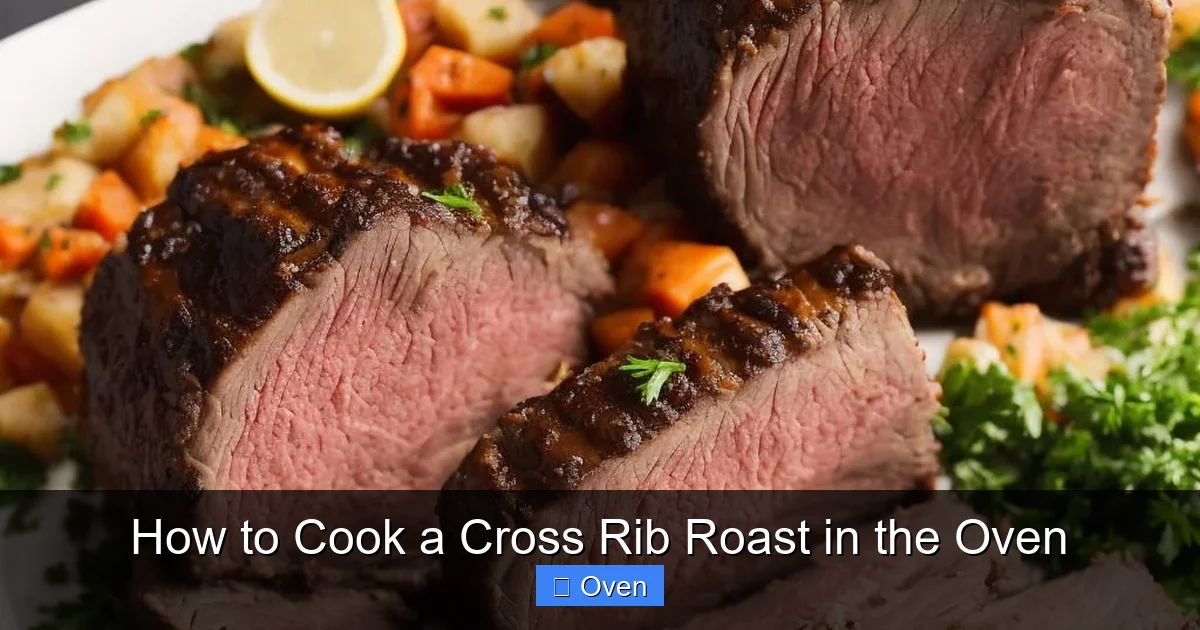
Want a mouth‑watering cross rib roast without the guesswork? Follow this step‑by‑step guide to season, roast, and rest your beef so it stays juicy and flavorful. Even beginners can achieve restaurant‑quality results with just a few easy tricks.
Key Takeaways
- Season early: A dry‑rub applied at least an hour before cooking builds flavor and a crust.
- Use a meat thermometer: Target internal temps (125°F for rare, 135°F for medium‑rare) to avoid overcooking.
- Roast low, finish high: Slow cooking at 250°F keeps the meat even, while a 475°F blast creates a golden bark.
- Rest properly: Let the roast sit 20‑30 minutes; juices redistribute for a moist slice.
- Pair with sides: Roasted veggies, mashed potatoes, or a simple salad complement the beef beautifully.
- Save leftovers: Thinly sliced cold roast works great in sandwiches or salads.
- Equipment matters: A sturdy roasting pan with a rack ensures even heat circulation.
📑 Table of Contents
- Introduction: Why the Cross Rib Roast Deserves a Spot in Your Oven
- 1. Choosing the Right Roast and Preparing It
- 2. Setting Up Your Oven and Roasting Pan
- 3. Temperature Guide and Timing Chart
- 4. Resting, Carving, and Serving
- 5. Troubleshooting Common Issues
- 6. Frequently Asked Questions (FAQs)
- Conclusion: Your New Go‑To Oven Roast
Introduction: Why the Cross Rib Roast Deserves a Spot in Your Oven
If you’ve ever stared at a grocery store’s meat case and wondered which cut would give you big flavor without breaking the bank, the cross rib roast is a hidden gem. It comes from the chuck section, which means it has plenty of marbling—tiny streaks of fat that melt into the meat as it cooks, keeping it juicy and tender.
Cooking a cross rib roast in the oven may sound intimidating, but with the right plan it’s actually very straightforward. Think of it as the “no‑fuss” version of a prime rib: you get a beautiful crust, a pink‑red center, and a satisfying chew that works for holiday meals, Sunday dinners, or a simple weeknight treat.
1. Choosing the Right Roast and Preparing It
Size matters
Cross rib roasts typically range from 3 to 6 pounds. For a family of four, a 4‑pound piece is ideal—it yields about 12‑15 servings after trimming. If you’re feeding a crowd, go up to 6 pounds and add an extra 30 minutes to the cooking time.
Visual guide about How to Cook a Cross Rib Roast in the Oven
Image source: img.sndimg.com
Trim and tie
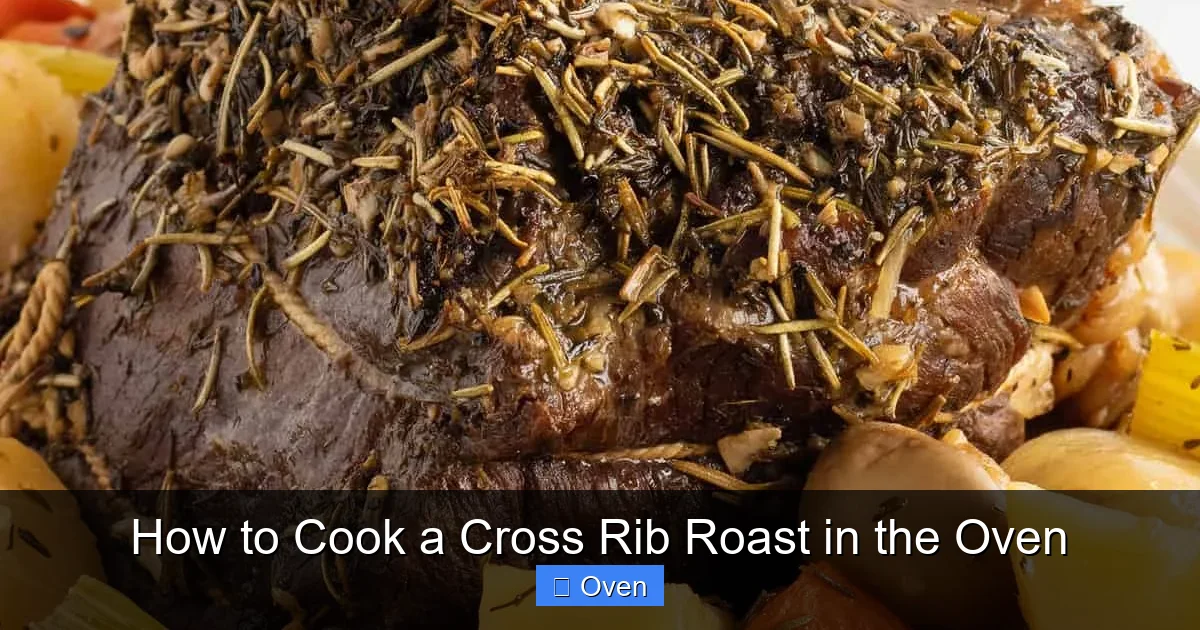
Most roasts come with a thin layer of external fat. Leave about a ¼‑inch of fat on; it helps baste the meat. Trim any large silverskin or excess connective tissue, then tie the roast with kitchen twine every 2 inches. Tying keeps the shape uniform, so the heat reaches every part evenly.
Dry‑rub the beef
Mix together 2 tablespoons kosher salt, 1 tablespoon freshly cracked black pepper, 1 teaspoon garlic powder, 1 teaspoon onion powder, and 1 teaspoon smoked paprika. Rub the mixture all over the roast, pressing it into the meat. For the best crust, let the seasoned roast sit uncovered in the refrigerator for at least 1 hour, or up to overnight. This “dry‑aging” step dries the surface, which later turns into a crunchy bark.
2. Setting Up Your Oven and Roasting Pan
Choose the right pan
A heavy‑bottomed roasting pan with a rack is perfect. The rack lifts the meat, letting hot air circulate and preventing the roast from sitting in its own juices, which could steam rather than roast.
Visual guide about How to Cook a Cross Rib Roast in the Oven
Image source: thekitchenmagpie.com
Low‑and‑slow first phase
Preheat the oven to 250°F (120°C). Place the tied roast on the rack, fat side up, and insert a probe thermometer into the thickest part of the meat—avoid touching bone. Roast at this low temperature for about 30 minutes per pound. This gentle heat cooks the meat evenly and gives you a larger window to hit your target internal temperature.
Finish with a high‑heat blast
When the roast reaches 10‑15°F below your desired doneness (see the chart below), crank the oven up to 475°F (245°C). Keep the roast in the oven for 10‑15 minutes, or until the crust turns a deep, caramelized brown. The rapid heat creates that coveted “bark” while sealing in juices.
3. Temperature Guide and Timing Chart
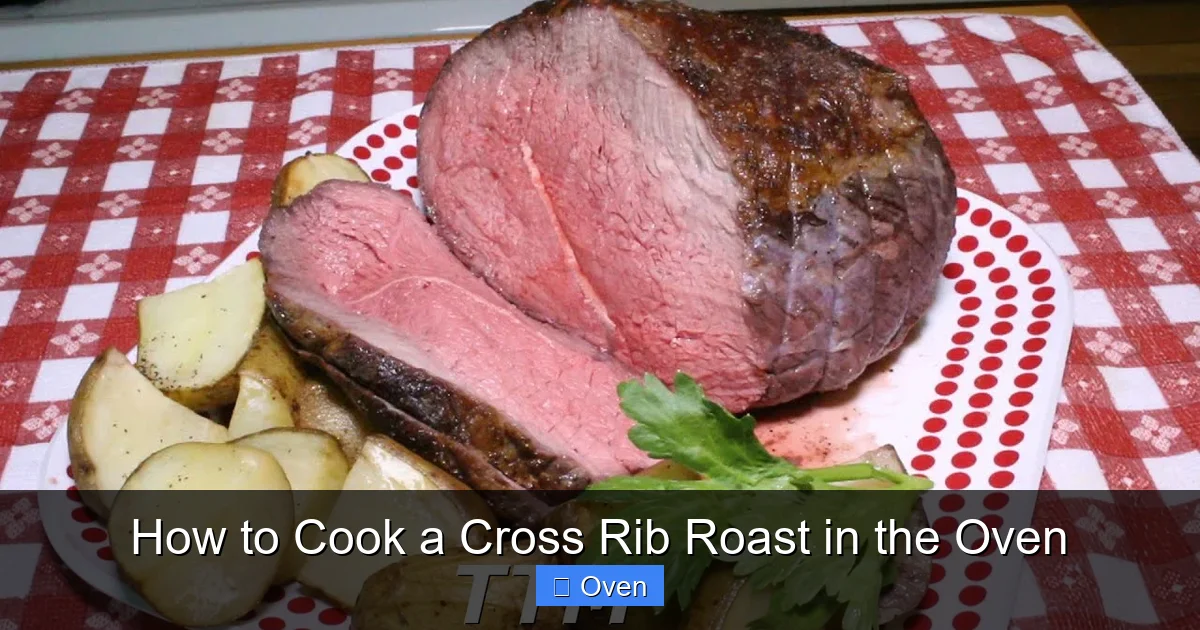
- Rare: 120‑125°F (48‑52°C) – about 20‑25 minutes per pound total.
- Medium‑rare: 130‑135°F (54‑57°C) – about 25‑30 minutes per pound total.
- Medium: 140‑145°F (60‑63°C) – about 30‑35 minutes per pound total.
- Well‑done: 150°F+ (66°C+) – about 35‑40 minutes per pound total.
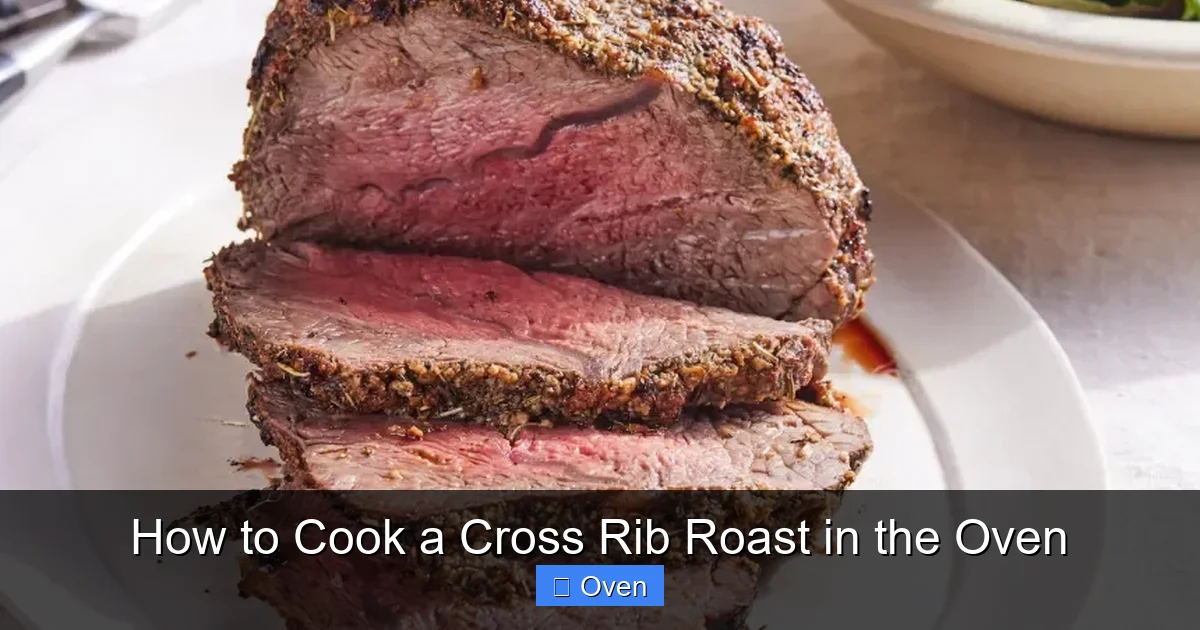
Remember, the roast will continue to rise 5‑10°F while it rests, so pull it out early if you prefer a pink center.
Visual guide about How to Cook a Cross Rib Roast in the Oven
Image source: i.ytimg.com
4. Resting, Carving, and Serving
Why resting matters
Resting lets the muscle fibers relax and re‑absorb the juices that were pushed to the surface during cooking. Transfer the roast to a cutting board, loosely cover it with foil, and let it sit for 20‑30 minutes.
Carving tips
Slice against the grain for maximum tenderness. The grain runs in a diagonal direction on a cross rib, so look for the lines of muscle fibers and cut perpendicular to them. Aim for ¼‑inch thick slices for a steak‑like bite, or thinner slices if you plan to use the meat for sandwiches.
Side dish ideas
A juicy cross rib roast pairs beautifully with roasted root vegetables, garlic mashed potatoes, or a crisp green salad. For a complete one‑pan meal, add diced carrots, onions, and parsnips to the roasting pan during the last 45 minutes of cooking— the veggies will soak up the beef drippings and turn golden.
5. Troubleshooting Common Issues
Dry exterior but undercooked inside
If the crust forms too quickly, lower the oven temperature back to 250°F and continue cooking until the internal temp is right. Cover the roast loosely with foil to prevent further browning.
Too much fat rendering
Some roasts have a thick fat cap. Trim a little more before cooking, or place a tray of water on the lower rack to add moisture to the oven cavity, which helps the fat melt more slowly.
Leftovers that get soggy
Store sliced roast in an airtight container with a paper towel to absorb excess moisture. Reheat gently in a skillet with a splash of broth, or quickly under a broiler to revive the crust.
6. Frequently Asked Questions (FAQs)
Can I use a convection oven?
Yes. Reduce the temperature by 25°F (about 15°C) and shorten the cooking time by roughly 10‑15 minutes per pound. Convection circulates hot air, giving an even crust.
Do I need to marinate the cross rib roast?
A dry rub is sufficient for flavor. If you prefer a wet marinade, limit it to 4‑6 hours to avoid a mushy surface.
What’s the difference between a cross rib and a chuck roast?
The cross rib is cut from the upper chuck and has a finer grain, making it more tender than a traditional chuck roast, which is often used for pot roasts.
Can I cook the roast on a grill instead of an oven?
Absolutely. Use indirect heat at 250°F, then finish over direct heat for a few minutes to create the crust.
How long can cooked cross rib roast be stored?
Refrigerated in an airtight container for 3‑4 days. For longer storage, freeze sliced pieces for up to 3 months.
Is it safe to eat the roast at medium‑rare?
Beef is safe to eat at 130‑135°F as long as the surface has been properly seared, which kills surface bacteria.
Conclusion: Your New Go‑To Oven Roast
Cooking a cross rib roast in the oven is less about fancy techniques and more about patience, proper temperature, and a good seasoning rub. By following the low‑and‑slow method, finishing with a high‑heat blast, and allowing the meat to rest, you’ll consistently produce a roast that’s juicy, flavorful, and impressively tender. Pair it with your favorite sides, and you’ve got a dinner that feels special without the stress.
Ready to try it? Grab a roast, prep your rub, and set that oven to 250°F. In a few hours you’ll have a centerpiece that’ll have everyone asking for seconds. Happy roasting!
Frequently Asked Questions
Can I use a convection oven?
Yes. Reduce the temperature by 25°F (about 15°C) and shorten the cooking time by roughly 10‑15 minutes per pound. Convection circulates hot air, giving an even crust.
Do I need to marinate the cross rib roast?
A dry rub is sufficient for flavor. If you prefer a wet marinade, limit it to 4‑6 hours to avoid a mushy surface.
What’s the difference between a cross rib and a chuck roast?
The cross rib is cut from the upper chuck and has a finer grain, making it more tender than a traditional chuck roast, which is often used for pot roasts.
Can I cook the roast on a grill instead of an oven?
Absolutely. Use indirect heat at 250°F, then finish over direct heat for a few minutes to create the crust.
How long can cooked cross rib roast be stored?
Refrigerated in an airtight container for 3‑4 days. For longer storage, freeze sliced pieces for up to 3 months.
Is it safe to eat the roast at medium‑rare?
Beef is safe to eat at 130‑135°F as long as the surface has been properly seared, which kills surface bacteria.
Looking for more oven‑friendly sides? Check out our guide on the best pan to cook turkey in the oven. Want a quick veggie side? Learn how to cook fajitas in the air fryer for a speedy complement. And if you’re curious about low‑fat alternatives, read how long to cook sausage in the air fryer for a protein‑rich addition.