What Oven Temperature for Pork Tenderloin
Cook pork tenderloin at 400°F (204°C) for a juicy, evenly browned result. This temperature allows the meat to reach a safe 145°F internal temperature while developing a flavorful crust, and it typically takes about 20–25 minutes per pound. Follow a simple recipe and use a meat thermometer for perfect, restaurant-quality pork every time.
What Oven Temperature for Pork Tenderloin
When you’re planning a weeknight dinner or a weekend feast, pork tenderloin often steals the spotlight. It’s lean, tender, and cooks quickly, but getting the right oven temperature for pork tenderloin can feel like a guessing game. I’ve spent countless evenings watching that pink ribbon of meat turn golden, and I finally cracked the code. In this post I’ll walk you through everything you need to know – from the science behind the heat to practical step‑by‑step tips – so you can serve perfectly cooked pork every time.
Think of this guide as a friendly chat over a kitchen counter. I’ll share the mistakes I made, the tricks that saved me, and the exact numbers you can trust. Whether you have a convection oven, a classic gas model, or even a countertop toaster oven, the principles stay the same. Let’s dive in and answer the question on everyone’s mind: what oven temperature for pork tenderloin delivers juicy, flavorful results?
Key Takeaways
- Preheat to 425°F: High heat sears the outside while keeping the interior juicy.
- Season generously: Salt, pepper, and herbs enhance flavor and create a tasty crust.
- Cook to 145°F internal: Use a meat thermometer for perfect doneness without overcooking.
- Rest 5–10 minutes: Allows juices to redistribute for tender, moist slices.
- Use a shallow pan: Promotes even heat circulation and browning.
- Adjust time for size: 20‑25 minutes per pound at 425°F.
- Consider a glaze: Add honey or mustard in the last 5 minutes for extra flavor.
📑 Table of Contents
Understanding the Science: Why Temperature Matters
Heat Transfer Basics
When you place pork tenderloin in the oven, heat moves from the hot air to the meat’s surface, then slowly penetrates to the center. Too high a temperature and the outside will dry out before the inside reaches safe doneness. Too low, and the meat stays in the “danger zone” (40‑140°F) for too long, risking food safety.
Protein Denaturation
At around 140°F the proteins in pork start to unwind and tighten. This is what gives the meat its firm texture. The goal is to hit that sweet spot – around 145°F internal temperature – and then let the meat rest. The rest period lets the juices redistribute, keeping every bite moist.
Moisture Retention
Cooking at a moderate temperature (350‑400°F) creates a gentle steam environment inside the meat. That steam prevents the fibers from squeezing out all their liquid. It’s the same reason why many chefs recommend searing meat first and then finishing it in the oven.
Choosing the Right Oven Temperature
Standard Oven (Conventional or Gas)
For most home kitchens, preheat the oven to 425°F. This high‑heat blast creates a flavorful crust while keeping the interior juicy. Roast the tenderloin for 20‑25 minutes, then check the internal temperature with a digital probe.
Visual guide about What Oven Temperature for Pork Tenderloin
Image source: spaceshipsandlaserbeams.com
Convection Oven
If you have a convection setting, lower the temperature by 25°F – so set it to 400°F. The fan circulates hot air, cooking the meat faster and more evenly. Expect a 15‑20 minute cook time.
Toaster Oven or Small Countertop Oven
Space is limited, but the principle stays the same. Preheat to 425°F** (or the highest setting your appliance allows) and use a shallow metal tray (see “Best Metal Tray for Cooking Food on In an Oven” for recommendations). Cook for 25‑30 minutes, covering the top with foil if it browns too quickly.
Low‑and‑Slow Option
Some love the melt‑in‑your‑mouth texture that comes from a slower roast. Set the oven to 300°F and cook for 45‑55 minutes. This method reduces the risk of over‑cooking and is forgiving if you’re juggling multiple dishes.
Step‑by‑Step Guide to Perfect Pork Tenderloin
1. Pick a Quality Cut
Look for a tenderloin that’s about 1 to 1½ pounds, with a uniform shape. Trim any silver skin – it’s tough and won’t soften in the oven.
Visual guide about What Oven Temperature for Pork Tenderloin
Image source: i0.wp.com
2. Season Early
Mix olive oil, salt, pepper, garlic, and fresh herbs. Rub the mixture all over the meat and let it sit at room temperature for 30 minutes. This helps the seasoning penetrate and ensures even cooking.
3. Preheat the Oven
Set the oven to the temperature you’ve chosen (425°F for conventional, 400°F for convection). While it heats, place a metal tray on the middle rack. A sturdy tray conducts heat well and gives a nice sear.
4. Roast the Tenderloin
Place the seasoned pork on the tray, fat side up. Roast uncovered – the heat will render the fat and create a golden crust. After about 12‑15 minutes, flip the meat once for an even color.
5. Check the Temperature
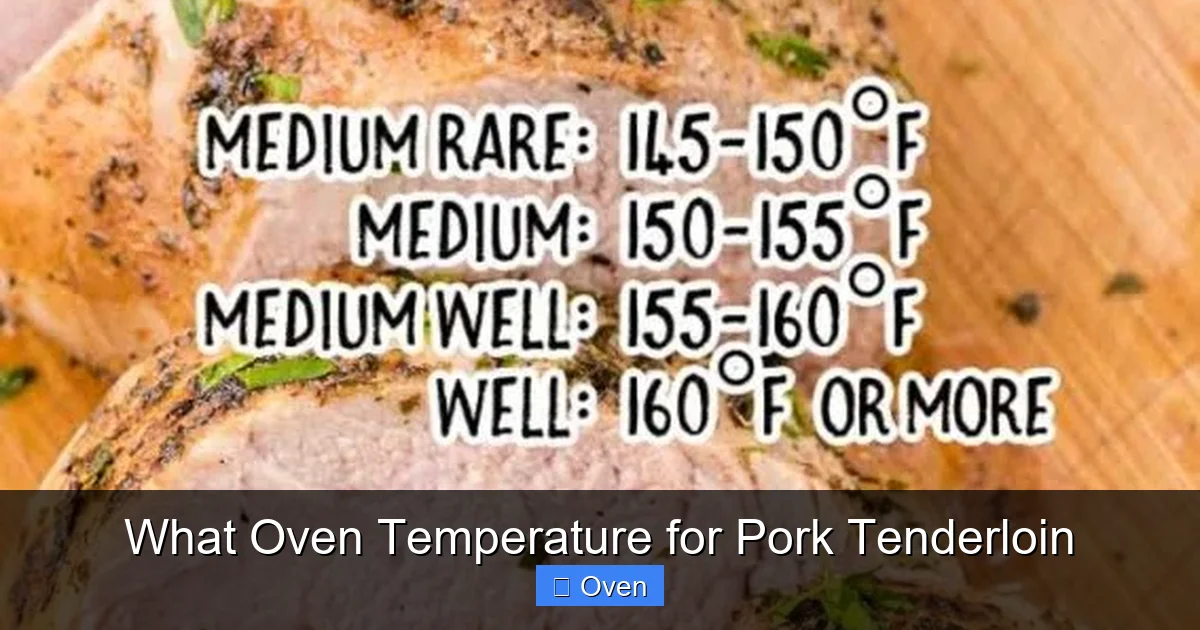
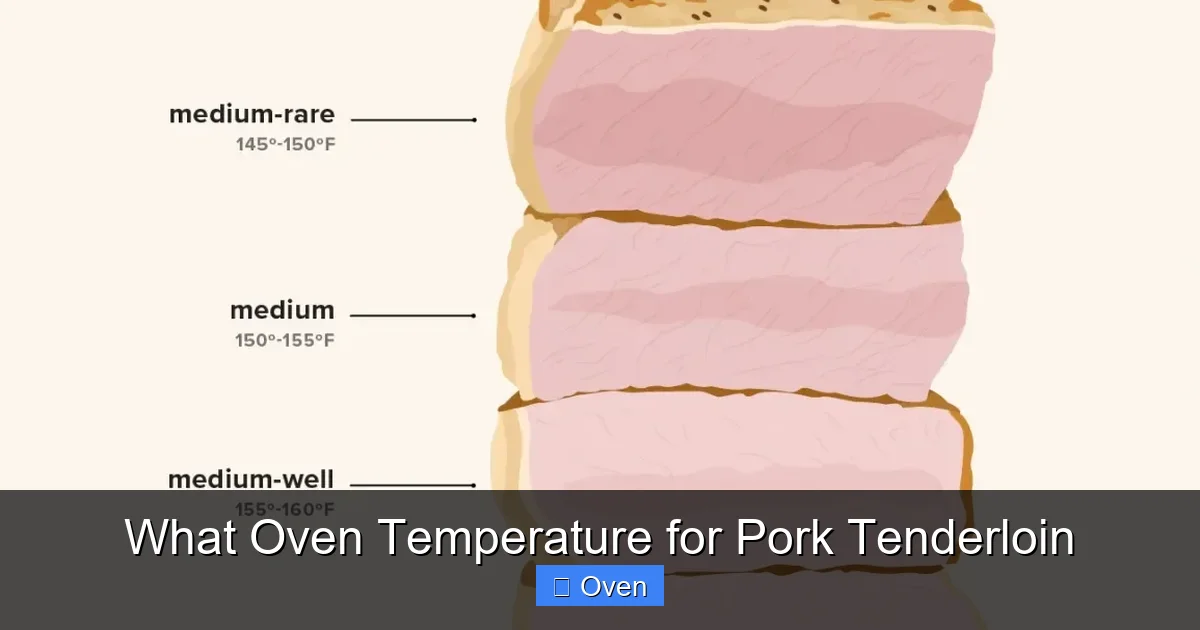
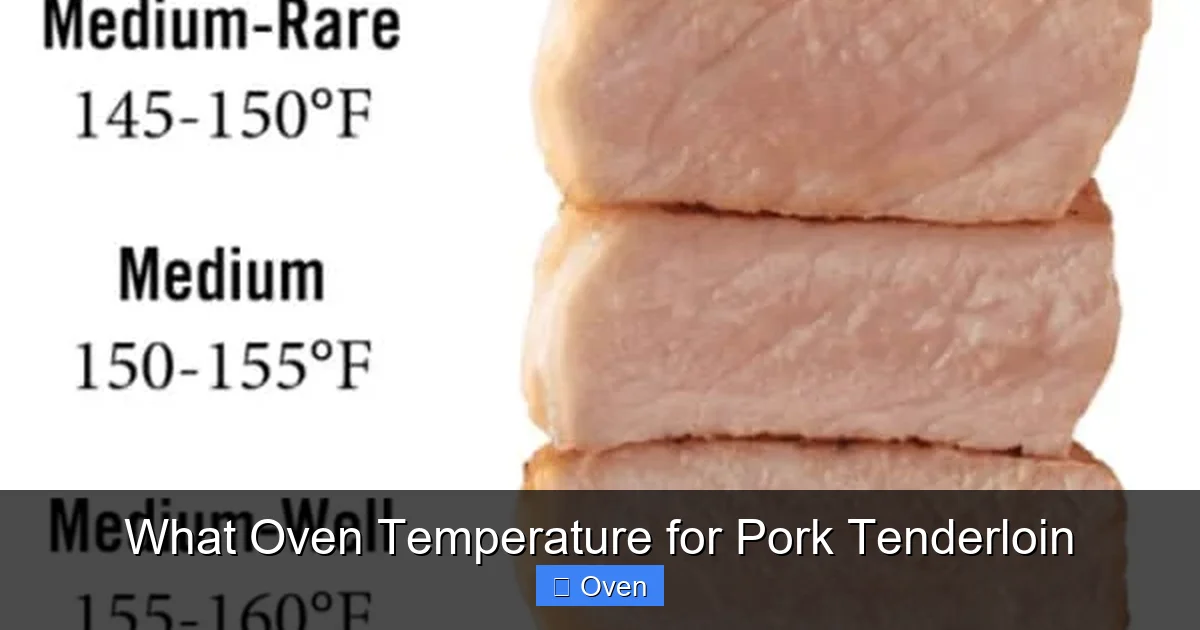
Insert a digital thermometer into the thickest part. When it reads 145°F, pull the meat out. If you prefer a little more doneness, 150°F is still safe and still juicy.
6. Rest, Then Slice
Cover the pork loosely with foil and let it rest for 10 minutes. This rest period is crucial – it lets the juices settle, so they don’t spill out when you cut.
7. Serve and Enjoy
Slice the tenderloin into ½‑inch medallions. Pair with roasted veggies, a simple apple slaw, or a creamy mustard sauce for a complete meal.
Temperature Chart and Cooking Times
| Oven Type | Temperature (°F) | Cooking Time (minutes) | Internal Temp for Doneness |
|---|---|---|---|
| Conventional Gas or Electric | 425 | 20‑25 | 145‑150 |
| Convection | 400 | 15‑20 | 145‑150 |
| Toaster Oven | 425 (or highest) | 25‑30 | 145‑150 |
| Low‑and‑Slow | 300 | 45‑55 | 145‑150 |
Use this chart as a quick reference. Adjust the time by a few minutes if your tenderloin is on the larger side or if you’re cooking at a slightly different temperature.
Visual guide about What Oven Temperature for Pork Tenderloin
Image source: insidebrucrewlife.com
Tips for Consistently Great Results
Use a Reliable Thermometer
Cheap analog probes can be off by 10°F. A digital instant‑read model gives you confidence that you’ve hit the target temperature.
Don’t Overcrowd the Pan
Air needs to circulate around the meat. If you’re cooking additional vegetables, give them their own sheet or use a larger roasting pan.
Consider a Sear‑First Method
Heat a skillet with a little oil over medium‑high heat. Sear the tenderloin for 2‑3 minutes per side before transferring to the oven. This adds extra flavor and a deeper crust.
Try a Simple Glaze
During the last 5 minutes of roasting, brush the meat with a mixture of honey, soy sauce, and a splash of apple cider vinegar. The glaze caramelizes at the high heat, giving a sweet‑savory finish.
Keep the Oven Clean
Residue on the oven walls can cause uneven heating. A clean oven helps maintain the steady temperature you set, especially important when you’re aiming for that precise what oven temperature for pork tenderloin guideline.
Choosing the Right Equipment for Your Oven
Best Cabinet for Wall Oven and Microwave
If you’ve recently installed a wall oven, pairing it with a sturdy cabinet not only looks sleek but also improves airflow. Check out the best cabinet for wall oven and microwave to keep your cooking area organized and your oven performing at its best.
Best Air Fryer Basket for Convection Oven
For a crisp finish without extra oil, consider using an air fryer basket inside your convection oven. It lets hot air circulate around the pork, creating a golden crust. The best air fryer basket for convection oven works perfectly for this purpose.
Best Metal Tray for Cooking Food on In an Oven
A heavy‑duty metal tray distributes heat evenly and can handle high temperatures without warping. This is essential when you’re using the high heat recommended for pork tenderloin. See the best metal tray for cooking food on in an oven for top picks.
Common Mistakes and How to Fix Them
Overcooking
Leaving the pork in the oven past 150°F will dry it out. If you notice the meat turning a grayish color before it reaches 145°F, lower the oven temperature by 25°F and continue cooking.
Under‑seasoning
A bland tenderloin is a missed opportunity. Salt draws out moisture, so be generous (about 1 teaspoon per pound). Add herbs and spices for depth.
Skipping the Rest
Skipping the 10‑minute rest is a common shortcut that leads to dry slices. If you’re in a hurry, cover the meat loosely with foil and let it sit while you finish side dishes.
Using the Wrong Rack Position
Placing the tray too close to the top can cause the exterior to burn before the interior cooks. The middle rack offers the most even heat distribution.
Final Thoughts
Finding the perfect what oven temperature for pork tenderloin isn’t a mystery – it’s a blend of science, good tools, and a little practice. By preheating to 425°F for a conventional oven (or 400°F for convection), monitoring the internal temperature, and letting the meat rest, you’ll consistently serve a tender, juicy roast that looks as good as it tastes.
Remember, the oven is just one part of the equation. Quality meat, proper seasoning, and the right equipment – like a sturdy metal tray or an air‑fryer basket – all play a role. Use the tips, temperature chart, and equipment recommendations in this guide, and you’ll become the go‑to pork tenderloin chef among friends and family.
Now that you know exactly what oven temperature for pork tenderloin to use, fire up your oven, grab a fresh tenderloin, and enjoy the satisfying click of a perfectly browned crust. Happy cooking!
Frequently Asked Questions
What is the ideal oven temperature for pork tenderloin?
The best oven temperature for pork tenderloin is 425°F (220°C). Cooking at this high heat creates a beautiful crust while keeping the interior juicy and tender.
Can I cook pork tenderloin at 350°F instead of a higher temperature?
Yes, you can roast pork tenderloin at 350°F (175°C), but it will take longer—about 25‑30 minutes per pound—and you may not get as much browning. For a quicker cook and a richer crust, a higher temperature is preferred.
How long should I roast pork tenderloin at 425°F?
At 425°F, a 1‑ to 1.5‑pound pork tenderloin typically needs 20‑25 minutes, or until the internal temperature reaches 145°F (63°C). Let it rest for 5‑10 minutes before slicing to retain its juices.
What oven temperature for pork tenderloin gives the most flavor?
Cooking pork tenderloin at 425°F (220°C) after a brief sear or a rub of herbs and spices maximizes flavor development. The high heat caramelizes the exterior, enhancing the overall taste.
Is it safe to cook pork tenderloin at 450°F?
Yes, 450°F (230°C) is safe for pork tenderloin as long as you monitor the internal temperature closely. It will cook in about 15‑20 minutes, but be careful not to overcook, as the meat can dry out quickly at this temperature.
Should I use a lower oven temperature if I’m cooking a larger pork tenderloin?
For larger tenderloins (over 2 pounds), lowering the oven temperature to 375°F (190°C) helps ensure even cooking without drying out the outer layers. Finish with a brief high‑heat blast (425°F) for a golden crust.