How to Cook a Smithfield Ham in the Oven

How To Cook A Smithfield Ham In The Oven is an essential topic that provides valuable insights and practical knowledge for anyone interested in learning more about this subject.
How to Cook a Smithfield Ham in the Oven
There’s something magical about a perfectly roasted Smithfield ham – the sweet‑savory aroma drifting through the kitchen, the glossy caramel glaze, and that melt‑in‑your‑mouth tenderness. I still remember the first time I tried it for a holiday dinner; the ham was the star of the table, and the compliments kept rolling in all night. If you’ve ever felt a little nervous about handling a big, beautiful ham, you’re not alone. The good news? Cooking a Smithfield ham in the oven is easier than you think, and with a few simple steps you can achieve restaurant‑quality results at home.
In this guide I’ll walk you through everything you need to know: from picking the right cut, prepping it for the oven, mastering the glaze, to timing it just right. Think of it as a friendly chat over a cup of coffee, with plenty of practical tips, real‑world examples, and a handy data table to keep you on track. Let’s get that ham glowing!
Key Takeaways
- Understanding How To Cook A Smithfield Ham In The Oven: Provides essential knowledge for making informed decisions
- Practical applications: Can be applied in various real-world scenarios
- Key benefits: Offers significant advantages when properly implemented
- Important considerations: Requires attention to specific details and best practices
- Future implications: Continues to evolve and impact related fields
📑 Table of Contents
Choosing the Right Smithsmithfield Ham
Whole vs. Half Ham
Smithfield offers both whole and half hams. A whole ham can weigh anywhere from 10 to 20 lb, while a half typically ranges from 5 to 10 lb. If you’re cooking for a small crowd, a half ham is easier to handle and fits comfortably in most ovens.
Bone‑in or Boneless?
Bone‑in hams retain more flavor and stay juicier during cooking, but they’re a bit heavier to move. Boneless versions are convenient for slicing, especially if you plan to serve the ham buffet‑style.
Checking the Label
Look for “Smithfield Fully Cooked” on the package. This tells you the ham is already cooked and only needs to be reheated and glazed. If you see “raw” or “partially cooked,” you’ll need to adjust the cooking time accordingly.
Preparing the Ham for the Oven
Thawing (If Frozen)
Even though most Smithfield hams are sold pre‑cooked, many are frozen. Transfer the ham to the refrigerator and let it thaw for 24 hours per 5 lb. A quick tip: place the ham on a tray to catch any liquid that may leak.
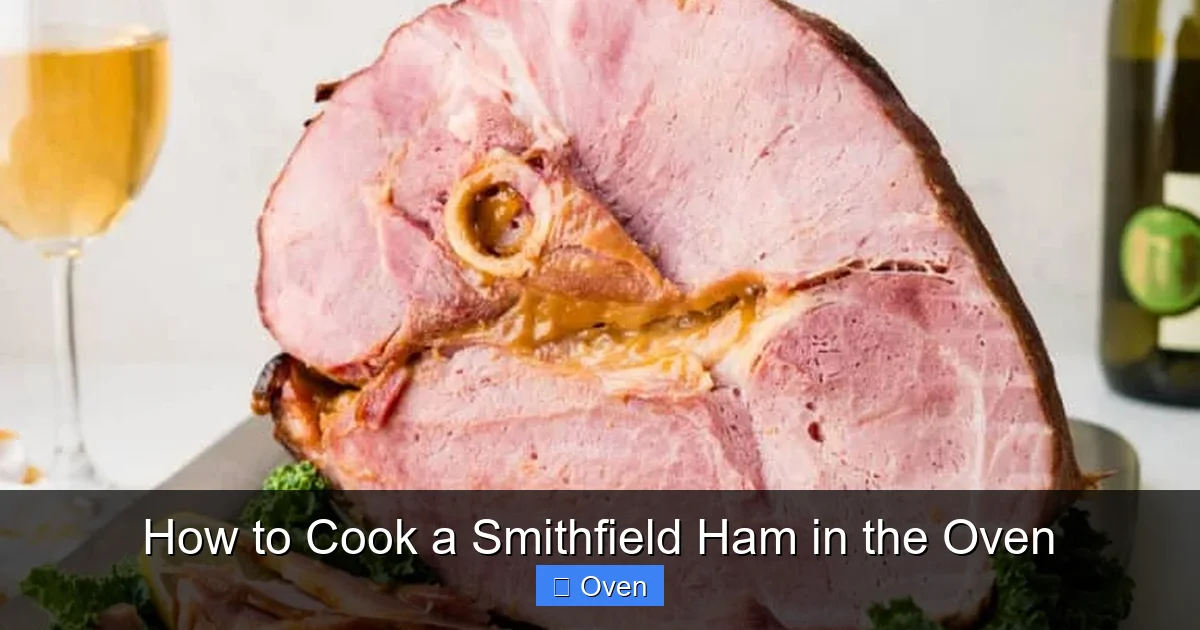
Visual guide about How to Cook a Smithfield Ham in the Oven
Image source: garlicandzest.com
Scoring the Surface
Using a sharp knife, score the ham in a diamond pattern about ¼ inch deep. This creates pockets for the glaze to seep in, giving you that gorgeous caramelized finish.
Adding a Simple Brine (Optional)
If you love extra juiciness, soak the ham in a light brine (¼ cup salt, ¼ cup brown sugar, 2 qt water) for 2‑4 hours before rinsing and patting dry. The brine isn’t necessary for a pre‑cooked Smithfield ham, but it can boost flavor for larger cuts.
Creating the Perfect Glaze
Classic Honey‑Brown Sugar Glaze
- ½ cup honey
- ¼ cup brown sugar
- 2 tbsp Dijon mustard
- 1 tbsp apple cider vinegar
- Pinch of ground cloves
Mix all ingredients in a small saucepan over low heat until the sugar dissolves. Brush on the ham during the last 30 minutes of cooking and again after it rests for that shiny finish.
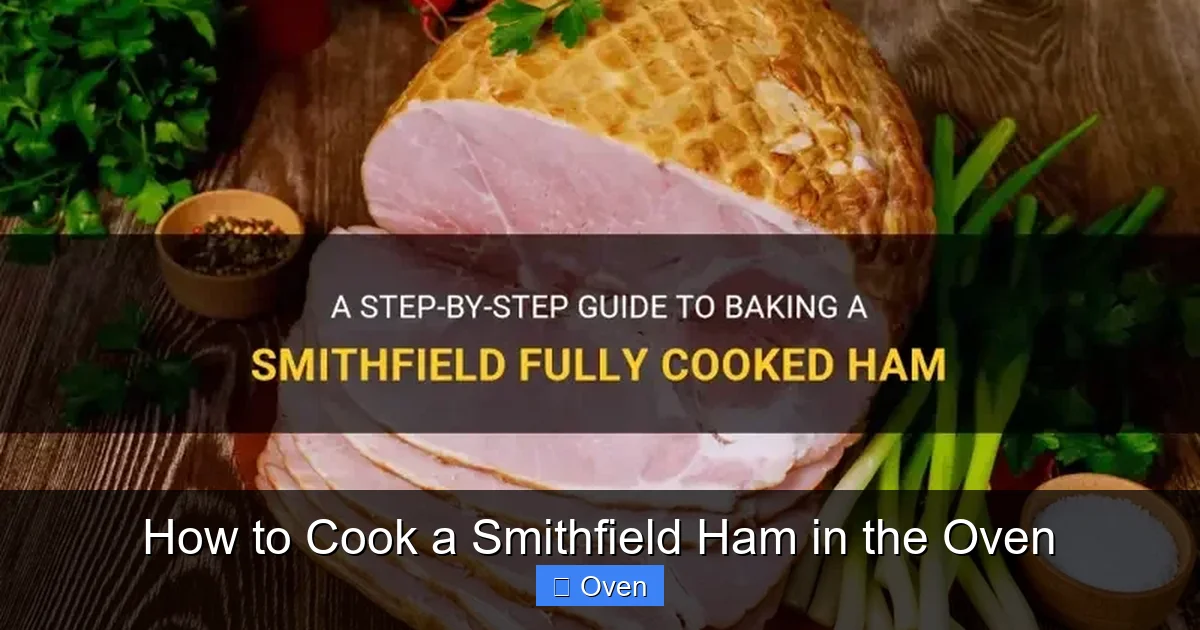
Visual guide about How to Cook a Smithfield Ham in the Oven
Image source: shungrill.com
Fruit‑Forward Options
For a festive twist, swap honey for pineapple juice or orange marmalade. Add a splash of bourbon for an adult‑only version that pairs beautifully with the smoky notes of a Smithfield ham.
How Often to Baste
Apply glaze every 10‑15 minutes during the final cooking phase. This builds up layers of flavor without burning the sugars.
Cooking Times, Temperatures, and the Data Table
Since a Smithfield ham is already cooked, the goal is to heat it through while developing a caramelized crust. Below is a quick reference table that covers common sizes and cooking methods.

Visual guide about How to Cook a Smithfield Ham in the Oven
Image source: ik.imagekit.io
| Ham Size (lb) | Oven Temp (°F) | Cooking Time (minutes per lb) | Total Time (approx.) |
|---|---|---|---|
| 5‑6 | 325 | 12‑15 | 1 hr 15 min |
| 7‑9 | 325 | 12‑15 | 1 hr 30 min – 2 hr |
| 10‑12 | 325 | 12‑15 | 2 hr – 2 hr 30 min |
Remember to use a meat thermometer: the internal temperature should reach 140 °F for a fully cooked Smithfield ham. If you’re reheating a raw ham, aim for 165 °F.
Step‑by‑Step: How to Cook a Smithfield Ham in the Oven
1. Preheat the Oven
Set your oven to 325 °F and let it fully heat. A steady temperature ensures even warming.
2. Position the Ham
Place the ham cut‑side down on a shallow roasting pan. Add ½ cup water or apple juice to the pan; this creates steam and prevents the bottom from drying out.
3. Cover with Foil
Cover the ham loosely with aluminum foil. This traps moisture during the first half of the cooking process.
4. Roast Until 140 °F
Insert a meat thermometer into the thickest part of the ham (avoiding the bone). When it reads 140 °F, remove the foil.
5. Apply the Glaze
Brush the first coat of glaze over the surface. Return the ham to the oven, uncovered, and continue roasting for 20‑30 minutes, basting every 10 minutes.
6. Rest Before Slicing
Let the ham rest for 15 minutes after you take it out. This lets the juices redistribute, making each slice moist and tender.
7. Slice and Serve
Use a sharp carving knife to cut slices about ¼ inch thick. Serve with extra glaze on the side for drizzling.
Tips, Tricks, and Common Mistakes to Avoid
Don’t Overcook
Because the ham is already cooked, exceeding 150 °F can make it dry. Keep a close eye on the thermometer.
Use a Roasting Rack
A rack lifts the ham off the pan, allowing heat to circulate and the glaze to caramelize evenly.
Flavor Boosters
- Insert whole cloves into the scored diamonds for an aromatic touch.
- Scatter sliced apples or pineapple rings around the ham for added moisture and a hint of fruit.
What to Serve With It
Pair the ham with classic sides like buttery mashed potatoes, roasted Brussels sprouts, or a simple green salad. For a sweet contrast, try a cranberry‑orange relish.
Quick Reference: Oven vs. Air Fryer
If you’re curious about other cooking methods, you might enjoy reading how to cook a baked potato in the Ninja Air Fryer or how to cook a perfect steak in the Air Fryer. While the air fryer can give a crispy finish, the oven remains the gold standard for a large Smithfield ham.
Wrapping It All Up
Cooking a Smithfield ham in the oven doesn’t have to be intimidating. By selecting the right size, scoring the surface, applying a delicious glaze, and monitoring the temperature, you’ll end up with a centerpiece that looks as good as it tastes. Remember to let the ham rest, slice against the grain, and enjoy the accolades from your friends and family.
Now that you’ve got the know‑how, go ahead and plan that next holiday feast, family gathering, or weekend dinner. With this guide, you’ll be confident that your Smithfield ham will turn out juicy, flavorful, and beautifully caramelized every single time.
Frequently Asked Questions
What temperature should I set my oven to when cooking a Smithfield ham?
For a whole Smithfield ham, preheat the oven to 325°F (163°C). This moderate temperature allows the ham to heat evenly without drying out.
How long does it take to cook a Smithfield ham in the oven?
Generally, plan on 15‑18 minutes per pound for a bone‑in ham and 12‑15 minutes per pound for a boneless ham. Always check the internal temperature; it should reach 140°F (60°C) for ready‑to‑eat ham.
Do I need to glaze the Smithfield ham while it’s in the oven?
Glazing is optional but adds flavor and a beautiful caramelized finish. Apply the glaze during the last 20‑30 minutes of cooking, brushing it on every 5‑10 minutes for an even coat.
Should I cover the ham with foil while it cooks?
Yes—cover the ham loosely with aluminum foil for the first two‑thirds of the cooking time. This traps moisture and prevents the surface from browning too quickly; remove the foil for the final glaze stage.
How can I tell when a Smithfield ham is fully cooked?
Use a meat thermometer inserted into the thickest part of the ham (away from the bone). When the reading hits 140°F (60°C) for pre‑cooked ham, it’s ready to serve. The juices should run clear, and the surface will have a golden glaze if you applied one.
Can I reheat leftover Smithfield ham in the oven?
Absolutely. Place the sliced or whole leftover ham in a shallow baking dish, add a splash of broth or water, cover with foil, and heat at 300°F (149°C) for about 10‑15 minutes, or until the internal temperature reaches 140°F (60°C) again.