How to Cook Ribs Low and Slow in the Oven
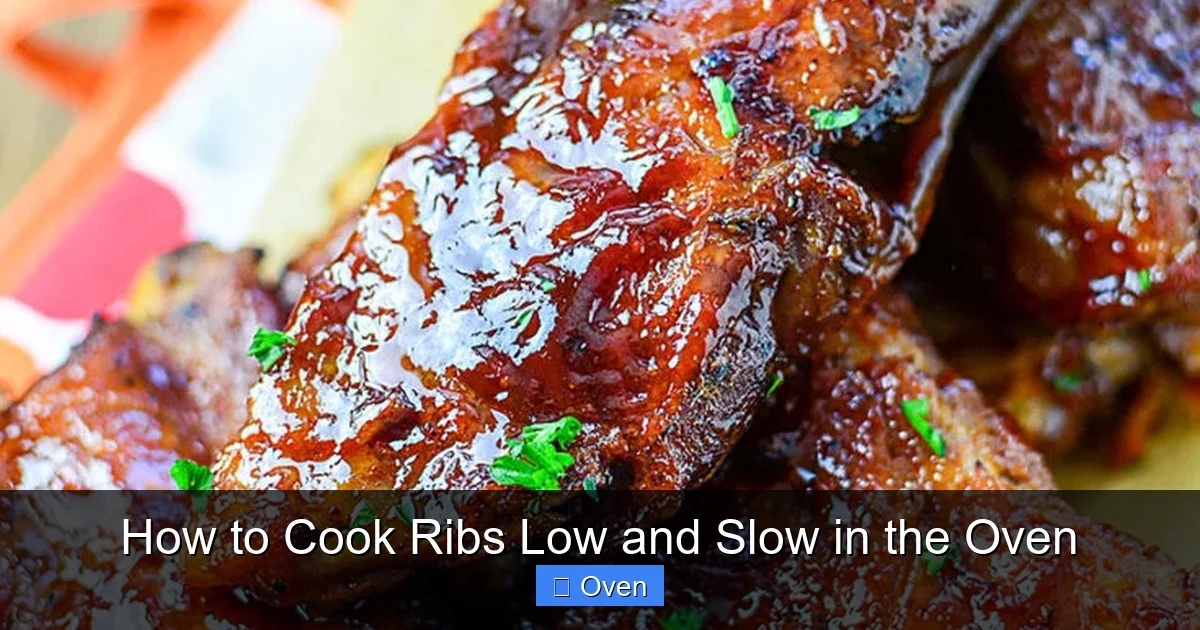
Ready to impress with restaurant‑style ribs without a smoker? This guide shows you how to cook ribs low and slow in the oven, from trimming and brining to finishing with a sticky glaze. Follow these simple steps for tender, flavorful ribs every time.
Key Takeaways
- Low temperature, long time: Cooking ribs at 275°F for 3‑4 hours keeps them juicy and tender.
- Prep matters: Removing the silver skin and seasoning with a dry rub unlocks deeper flavor.
- Wrap in foil: Sealing steam inside locks moisture and prevents drying.
- Finish with sauce: A quick glaze or BBQ sauce adds caramelized flavor and shine.
- Rest before cutting: Letting ribs rest lets juices redistribute for a better bite.
[FEATURED_IMAGE_PLACEHOLDER]
Introduction
There’s something undeniably comforting about the aroma of slow‑cooked ribs wafting through the kitchen. The meat should be buttery, the bark crisp, and the flavor deep enough to make you forget you ever cooked in a grill or a smoker. The good news? You can achieve that same mouth‑watering result right in your oven. With a low temperature, plenty of time, and a few key techniques, oven‑cooked ribs become an absolute crowd‑pleaser.
In this article, we’ll walk through every step—from choosing the right cut to the final glaze. We’ll also share side‑dish ideas, storage tips, and how to adapt the recipe if you’re short on time. By the end, you’ll be armed with a fool‑proof method to serve fall‑apart ribs without leaving the house.
Choosing the Right Ribs
The Big Players: Baby Back vs. Spare Ribs
When it comes to ribs, two main varieties dominate: baby back ribs and spare ribs. Baby backs are shorter, curve‑shaped, and leaner, while spare ribs are longer, flatter, and have more meat between the bones.
For oven cooking, baby backs are a favorite because they’re thinner and cook more evenly. Spare ribs, however, offer a richer flavor and a more dramatic presentation. Pick the cut that fits your taste and the amount of time you’re willing to spend.
Look for Marbling and Color
Check the meat for a subtle marbling of fat. A bit of fat is essential for flavor and tenderness. The meat should have a pinkish hue—dark or grayish meat can indicate age or poor quality.
Ask the Butcher
Don’t hesitate to talk to your butcher. They can trim the silver skin, separate the ribs, and even suggest the best backcut for your oven method.
Preparing the Ribs for Low‑and‑Slow Cooking
Remove the Silver Skin
Silver skin is a tough, silvery membrane that can make ribs chewy. Slide a knife under the membrane and pull it off. This step is crucial for a tender result.
Season with a Dry Rub
Combine equal parts brown sugar, paprika, salt, black pepper, garlic powder, onion powder, and a pinch of cayenne. Rub the mixture all over the ribs, pressing it into the meat. Let the ribs sit covered in the fridge for at least 2 hours or overnight to allow the flavors to penetrate.
Optional Brine for Extra Juiciness
For an extra moisture boost, soak the ribs in a simple brine (1 cup salt per gallon of water) for 1–2 hours. Rinse and pat dry before applying the rub.
Cooking Process: Low and Slow in the Oven
Preheat and Prepare
Set your oven to 275°F (135°C). While it heats, line a baking sheet with aluminum foil and place a wire rack on top. This setup keeps the ribs elevated and allows air circulation.
Wrap and Bake
Place the ribs rib‑side up on the rack. Cover them tightly with foil, sealing the edges to trap steam. Bake for 3 to 4 hours, depending on the size and thickness. The goal is a fork‑tender texture.
Check for Doneness
Insert a fork into the meat; it should glide in with minimal resistance. The internal temperature should reach 190–203°F (88–95°C) for optimal tenderness.
Finish with a Glaze
Remove the foil, increase the oven temperature to 425°F (220°C), and brush your favorite sauce (BBQ, honey‑mustard, or a homemade glaze) over the ribs. Return to the oven for 10–15 minutes, or until the glaze caramelizes and forms a shiny crust.
Serving Suggestions and Side Dishes
Classic Sides
- Coleslaw for crunch
- Macaroni and cheese for comfort
- Cornbread for a Southern touch
Quick Side Ideas
In a hurry? Steam a bag of frozen corn or roast a bag of frozen broccoli at 400°F for 20 minutes. Both options pair wonderfully with ribs and keep preparation simple.
How to Leverage Other Kitchen Appliances
If you have a slow cooker, you can start the ribs there for 6–8 hours before finishing them in the oven for that last caramelized touch. For a quick alternative, try how to make chicken and rice in a slow cooker for a complete meal with minimal hassle.
Storage, Reheating, and Leftovers
Storing Ribs
Cool the ribs completely, then wrap tightly in plastic wrap and aluminum foil. Store in the refrigerator for up to 4 days or freeze for up to 3 months.
Reheating Tips
Reheat wrapped ribs in a preheated 300°F oven for 20–25 minutes. Use a small drizzle of water or sauce to keep them moist.
Using Leftovers
Shred the meat and use it in tacos, sandwiches, or tacos. Add fresh lettuce, pico de gallo, and a squeeze of lime for a quick meal.
Common Mistakes and How to Avoid Them
Cooking Too High
Higher temperatures can dry out the meat. Stick to 275°F for the bulk of the cooking time.
Skipping the Foil Wrap
Without foil, the ribs lose steam and become tough. Always cover them tightly.
Not Resting the Meat
Resting allows juices to redistribute. Let the ribs sit 10 minutes before slicing.
Using the Wrong Rub
A rub that’s too salty or too sweet can overpower the meat. Balance flavors and taste as you go.
Conclusion
Cooking ribs low and slow in the oven turns a simple cut of meat into a show‑stopper. By focusing on temperature, time, and technique, you’ll achieve tender, flavorful ribs that melt in your mouth. Whether you’re feeding a crowd or treating yourself, this method guarantees consistent results. Grab your ribs, your favorite rub, and let the oven do the heavy lifting. Bon appétit!
FAQs
How long does it take to cook ribs low and slow in the oven?
It usually takes 3 to 4 hours at 275°F (135°C), depending on the size of the rack. Check for tenderness before removing.
Can I use a different seasoning instead of a dry rub?
Yes! A wet glaze, marinades, or even a simple salt‑pepper combo work well. Just make sure the ribs are covered evenly.
What’s the best side dish for oven‑cooked ribs?
Classic options include coleslaw, baked beans, and cornbread. For a quick fix, try steaming frozen broccoli or roasted corn.
Can I cook ribs in a slow cooker?
Absolutely. Cook at 180°F for 6–8 hours, then finish in the oven for a caramelized crust.
How do I keep ribs moist if I’m short on time?
Wrap the ribs tightly in foil and use a lower oven temperature to slow the cooking process, or finish them with a glaze to seal in moisture.
What’s the best way to store leftover ribs?
Wrap them tightly in plastic wrap and foil, refrigerate for up to 4 days, or freeze for up to 3 months. Reheat gently in the oven or microwave.
This is a comprehensive guide about How To Cook Ribs Low And Slow In The Oven.
Key Takeaways
- Understanding How To Cook Ribs Low And Slow In The Oven: Provides essential knowledge
Frequently Asked Questions
What is How To Cook Ribs Low And Slow In The Oven?
How To Cook Ribs Low And Slow In The Oven is an important topic with many practical applications.