Corningware Oven Safe to What Temperature
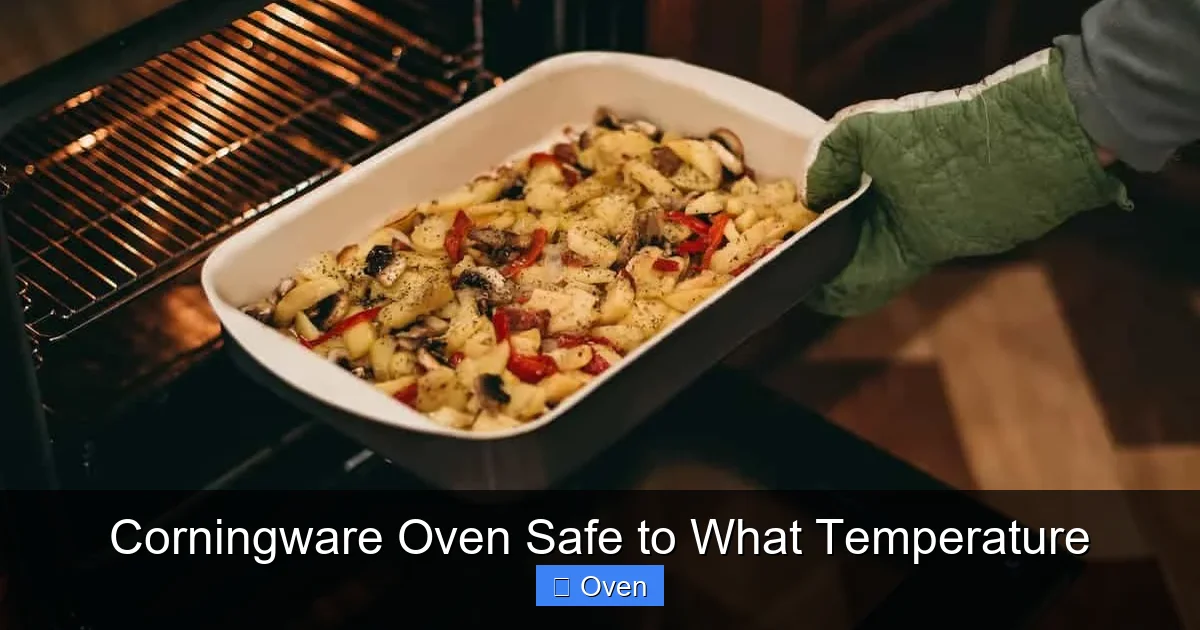
Corningware is oven‑safe, but each piece has a temperature ceiling you must respect. Typically, classic Corningware can handle up to 350 °F (177 °C), while newer stoneware lines may go higher. Follow our guide to avoid cracks, maintain performance, and get the most out of your cookware.
Key Takeaways
- Standard temperature limit: Most vintage Corningware pieces are safe to 350 °F (177 °C).
- Modern stoneware range: Newer Corningware stoneware can endure 425 °F (218 °C) or more.
- Gradual heating matters: Always preheat the oven and avoid sudden temperature changes.
- Never use under a broiler: Direct flame can cause thermal shock and breakage.
- Check the bottom: Look for the “oven‑safe” symbol or temperature rating stamped on the base.
- Cleaning tips: Hand‑wash or use a gentle cycle; avoid abrasive pads that can weaken the glaze.
- Replace when cracked: Even a tiny hairline crack can grow under heat, so retire damaged pieces.
📑 Table of Contents
- Introduction: Why Knowing the Temperature Limit Matters
- 1. The History Behind Corningware’s Heat‑Resistance
- 2. Official Temperature Ratings
- 3. Practical Tips for Safe Oven Use
- 4. Common Mistakes and How to Fix Them
- 5. Extending the Life of Your Corningware
- 6. When to Choose a Different Cookware Material
- Conclusion: Cook Confidently With Corningware
Introduction: Why Knowing the Temperature Limit Matters
Imagine you’re pulling a fresh lasagna out of the oven, only to find your beloved Corningware dish cracked in half. It’s a kitchen nightmare that could be avoided with a little knowledge. Corningware has been a kitchen staple for decades because it combines the durability of glass‑ceramic with the convenience of a one‑dish meal. But, like any material, it has its limits.
Understanding the exact temperature that Corningware can tolerate helps you:
- Prevent costly breakage.
- Maintain the dish’s non‑stick glaze.
- Get the best browning and caramelization without risk.
Let’s dive into the science, the specifications, and the practical tips that keep your Corningware safe and sizzling.
1. The History Behind Corningware’s Heat‑Resistance
From Pyroceram to Modern Stoneware
Corningware was first introduced in the 1950s, made from a patented glass‑ceramic called Pyroceram. This material can handle rapid temperature changes, which is why you could take it straight from the freezer to the oven. Over the years, Corning expanded the line to include stoneware, which is slightly different in composition but still oven‑safe.
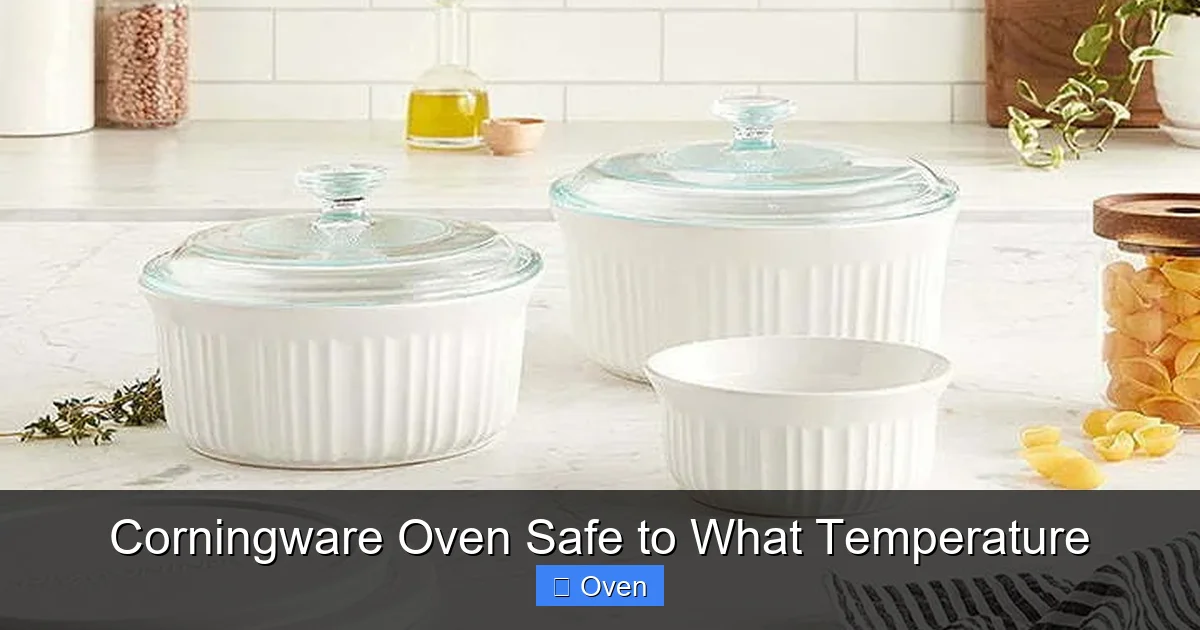
Visual guide about Corningware Oven Safe to What Temperature
Image source: rideable.org
How the Material Handles Heat
Both Pyroceram and stoneware have a crystalline structure that expands uniformly when heated. This uniform expansion prevents the stress points that cause ordinary glass to shatter. However, each formulation has a maximum safe temperature, usually printed on the bottom of the dish.
2. Official Temperature Ratings
Classic Corningware (Pyroceram)
The original Pyroceram pieces are rated for **350 °F (177 °C)**. This includes the iconic casserole dishes, mixing bowls, and bakeware. You can safely roast vegetables, bake casseroles, and even cook a turkey (see our best pan to cook turkey in oven guide for tips on even cooking).
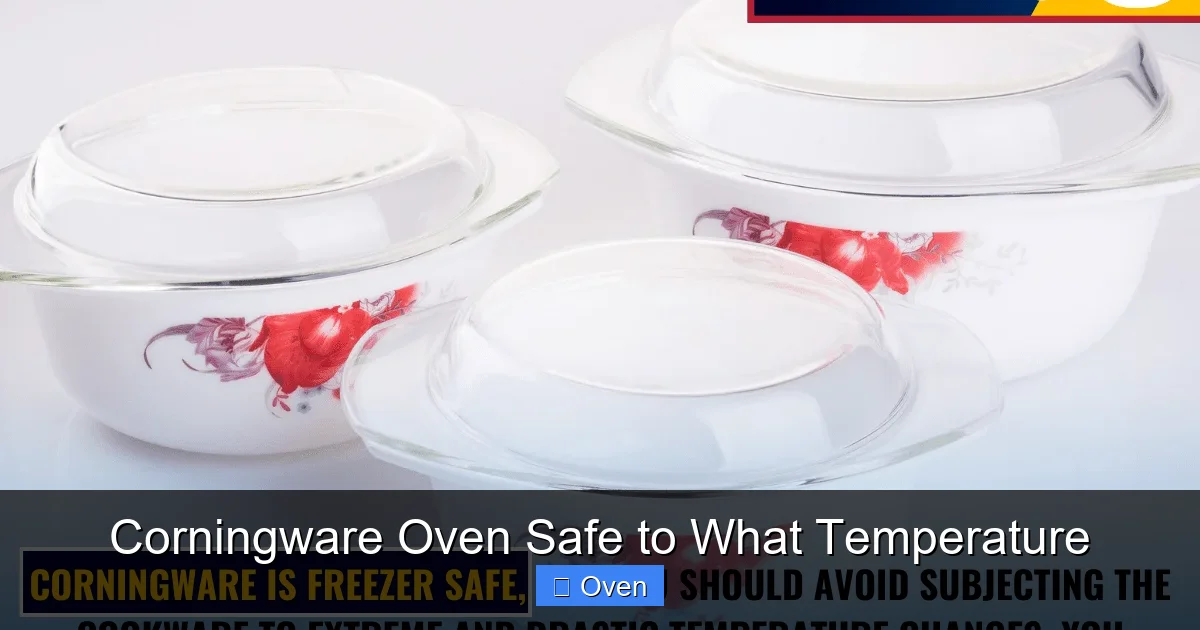
Visual guide about Corningware Oven Safe to What Temperature
Image source: kitchenseer.com
Modern Stoneware and Newer Lines
Newer stoneware lines, introduced in the 2000s, often carry a higher rating—**425 °F (218 °C)** or sometimes up to **450 °F (232 °C)**. Check the bottom of your dish; a small icon of an oven with a number indicates the max temperature.
What About Broiling?
Broiling creates direct, intense heat from above. Even though the material can survive high oven temps, the sudden heat of a broiler can cause thermal shock. The manufacturer’s guidelines universally advise against using Corningware under a broiler.
3. Practical Tips for Safe Oven Use
Preheat Gradually
Never place a cold Corningware dish into a hot oven. Always preheat the oven first, then put the dish inside. This reduces the risk of a sudden temperature jump.
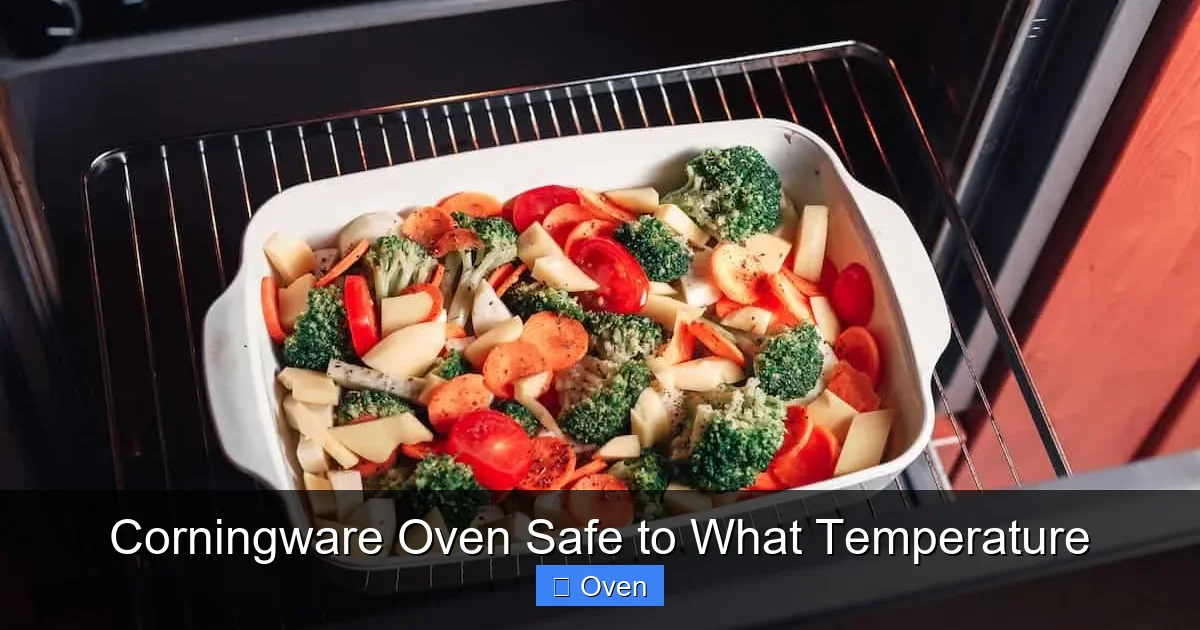
Visual guide about Corningware Oven Safe to What Temperature
Image source: thenymelrosefamily.com
Avoid Thermal Shock
When removing a dish, place it on a heat‑proof mat rather than a cold countertop. If you need to add cold ingredients (like a splash of milk) to a hot dish, do it slowly to let the temperature even out.
Use the Right Rack Position
Place the dish on the middle rack for even heat distribution. If you’re cooking a recipe that calls for a top‑heat setting, consider using a metal baking sheet underneath the Corningware to buffer the heat.
Don’t Stack Dishes
Stacking two Corningware pieces can trap heat and cause uneven expansion, leading to cracks.
4. Common Mistakes and How to Fix Them
Over‑Cooking at High Temperatures
If you accidentally exceed the temperature limit, you may notice a faint “hissing” sound or a faint discoloration of the glaze. Let the dish cool slowly; do not slam it into cold water.
Using Metal Utensils
While the interior glaze is fairly tough, metal spatulas can scratch the surface over time, creating weak spots. Opt for silicone or wooden tools.
Cleaning Errors
Dishwashers are generally safe, but high‑temperature rinse cycles can stress the glaze. Use a gentle cycle and avoid abrasive scrubbers.
5. Extending the Life of Your Corningware
Regular Inspection
Every few months, inspect the bottom and sides for hairline cracks. Even a tiny fracture can expand when heated, so retire any compromised piece.
Seasoning the Surface
For bakeware that you use often, a light coating of oil before the first use can help seal the glaze. This is similar to “seasoning” a cast‑iron skillet.
Storing Properly
Store dishes upright, not stacked, to avoid pressure on the rims.
6. When to Choose a Different Cookware Material
If your recipe demands temperatures above 425 °F, consider switching to a metal roasting pan or a high‑heat ceramic. For example, a crisp pizza crust often requires 475 °F (246 °C) or higher. In such cases, a pot that goes from stove to oven made of cast iron or stainless steel will perform better.
Conclusion: Cook Confidently With Corningware
Corningware remains a beloved kitchen workhorse because it blends durability with versatility. By respecting its temperature limits—350 °F for classic Pyroceram and up to 425 °F for newer stoneware—you can avoid cracks, preserve the beautiful glaze, and continue to serve up delicious meals for years to come. Remember the golden rules: preheat gradually, never broil, and inspect regularly. With these habits, your Corningware will stay safe, stylish, and oven‑ready.
Frequently Asked Questions
What is the maximum oven temperature for classic Corningware?
Classic Corningware made from Pyroceram is safe up to 350 °F (177 °C). Exceeding this can cause the glaze to discolor or the dish to crack.
Can I use newer Corningware stoneware at 450 °F?
Many newer stoneware pieces are rated for 425 °F (218 °C) and some up to 450 °F (232 °C). Always check the bottom of the dish for the specific rating.
Is it safe to put a cold Corningware dish directly into a hot oven?
No. Sudden temperature changes can cause thermal shock. Preheat the oven first, then place the dish inside.
Can I use Corningware under the broiler?
No. The intense, direct heat of a broiler can cause the glass‑ceramic to crack.
How do I clean Corningware without damaging it?
Hand‑wash with warm, soapy water or use a gentle dishwasher cycle. Avoid abrasive pads and high‑heat rinse cycles.
What should I do if I notice a hairline crack in my Corningware?
Stop using the piece immediately. Even small cracks can expand under heat, so retire the dish to prevent breakage.