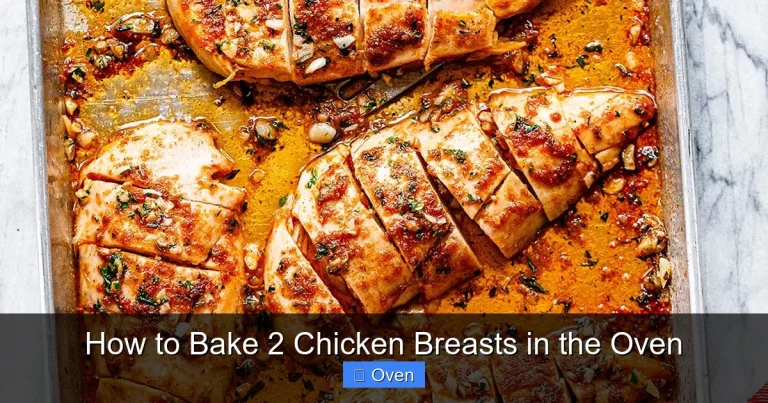
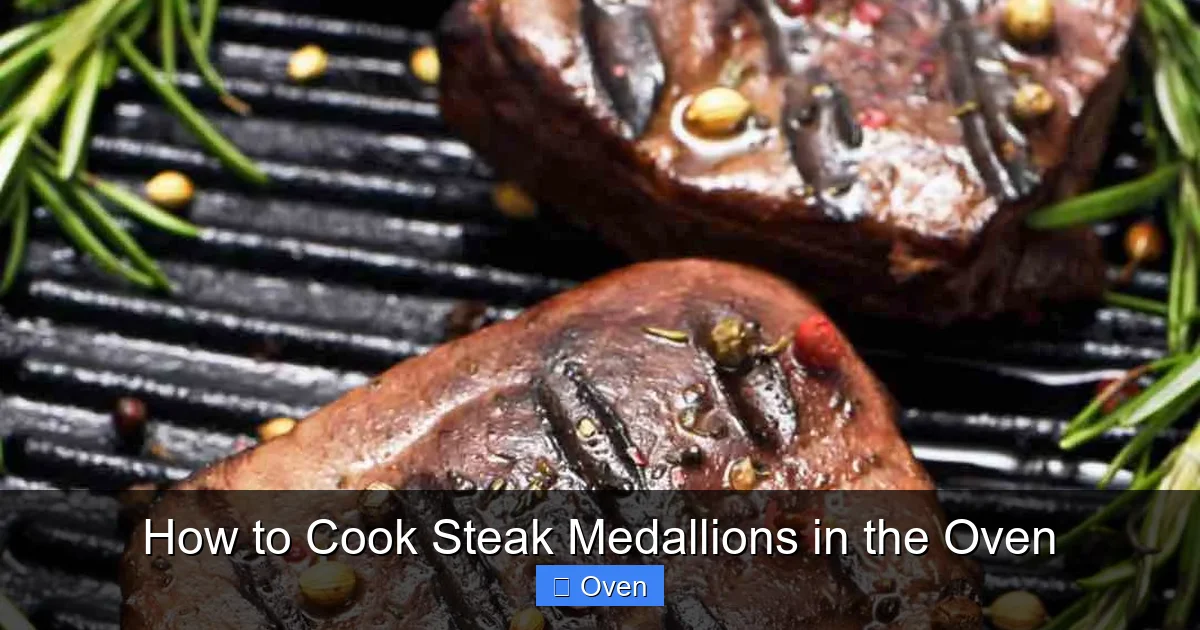
How to Cook Steak Medallions in the Oven
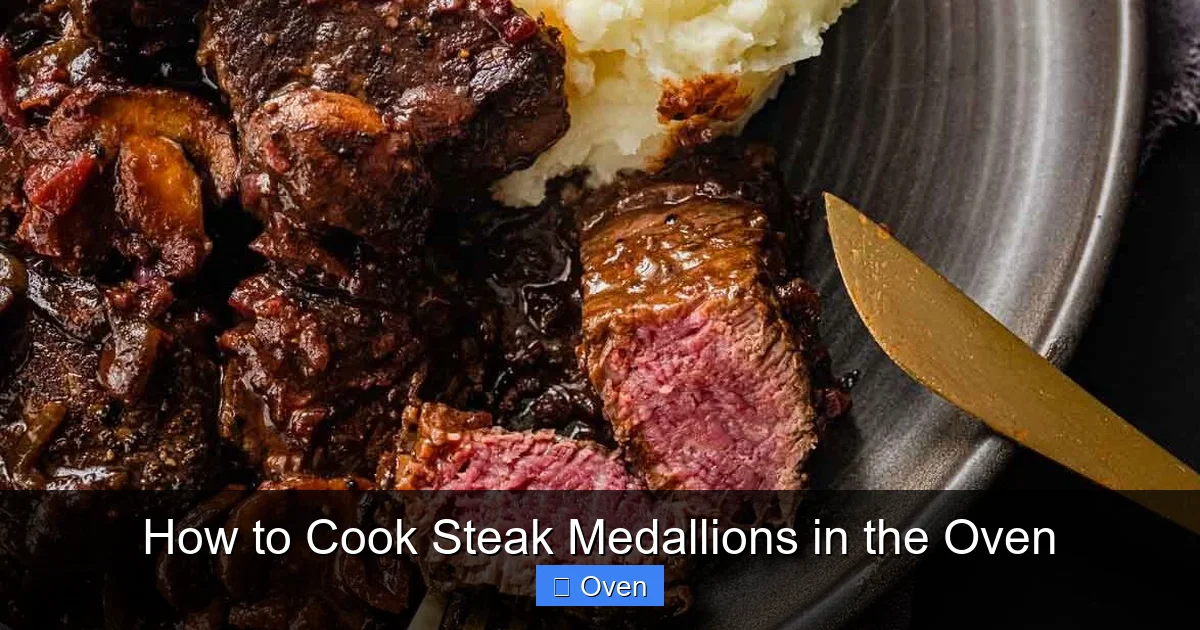
Master the art of oven‑cooked steak medallions with our clear, friendly guide. From selecting the right cut to achieving that perfect crust, you’ll learn everything you need to impress yourself and guests.
Key Takeaways
- Choosing the right cut: Opt for tender, flavorful meats like ribeye or sirloin for best results.
- Proper seasoning: A simple salt‑pepper rub unlocks natural flavors before browning.
- Pre‑heat the oven: A hot oven (425°F) ensures a beautiful sear and even cooking.
- Use a cast‑iron skillet: It retains heat and creates a caramelized crust.
- Resting time matters: Let the medallions rest for 5–10 minutes to redistribute juices.
- Pair with complementary sides: Roasted veggies or a fresh salad balance the richness.
- Experiment with sauces: A classic béarnaise or a quick garlic butter finish elevates flavor.
📑 Table of Contents
Introduction
When you think of steak, images of a sizzling grill or a high‑end steakhouse come to mind. But what if you could achieve that same mouth‑watering experience right in your own kitchen, using nothing more than an oven? Cooking steak medallions in the oven is surprisingly simple—and it gives you a consistent, restaurant‑quality result without the fuss of a grill.
In this guide, we’ll walk you through every step: from picking the perfect cut to the final plating. Whether you’re a seasoned cook or a culinary newbie, you’ll find easy tips, helpful tricks, and a few creative variations that will keep your dinner routine exciting.
1. Selecting the Right Steak for Oven Medallions
Why Cut Size Matters
Steak medallions are essentially bite‑size rounds cut from a larger steak. Because they’re thin, they cook fast and can easily overcook if you’re not careful. Choosing a cut that’s naturally tender and well‑marbled is key.
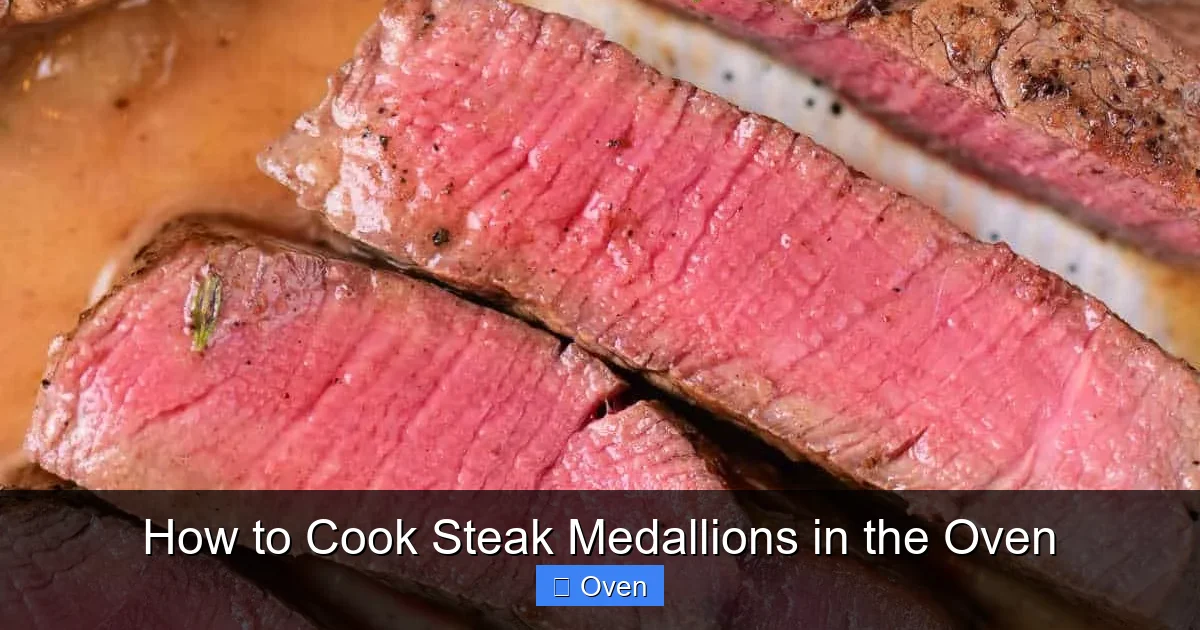
Visual guide about How to Cook Steak Medallions in the Oven
Image source: temeculablogs.com
Top Cuts for Oven Cooking
- Ribeye: Rich marbling makes it juicy and flavorful.
- Sirloin: A bit leaner but still tender; great for a healthier option.
- Filet Mignon: Extremely tender, though pricier.
- New York Strip: Strong beefy taste with moderate marbling.
When you’re slicing, aim for 1/2 inch thick medallions. Consistency in thickness ensures even cooking.
Thawing and Preparing the Meat
If you’re starting from frozen, thaw in the fridge overnight. Pat the steak dry with paper towels—dry surface equals better sear. This step is vital whether you’re going for a classic sear or a buttery finish.
2. Seasoning: The Foundation of Flavor
Simple Salt‑Pepper Rub
A straightforward seasoning of kosher salt, freshly ground black pepper, and a pinch of garlic powder is surprisingly effective. Apply the rub evenly on both sides of the medallions.
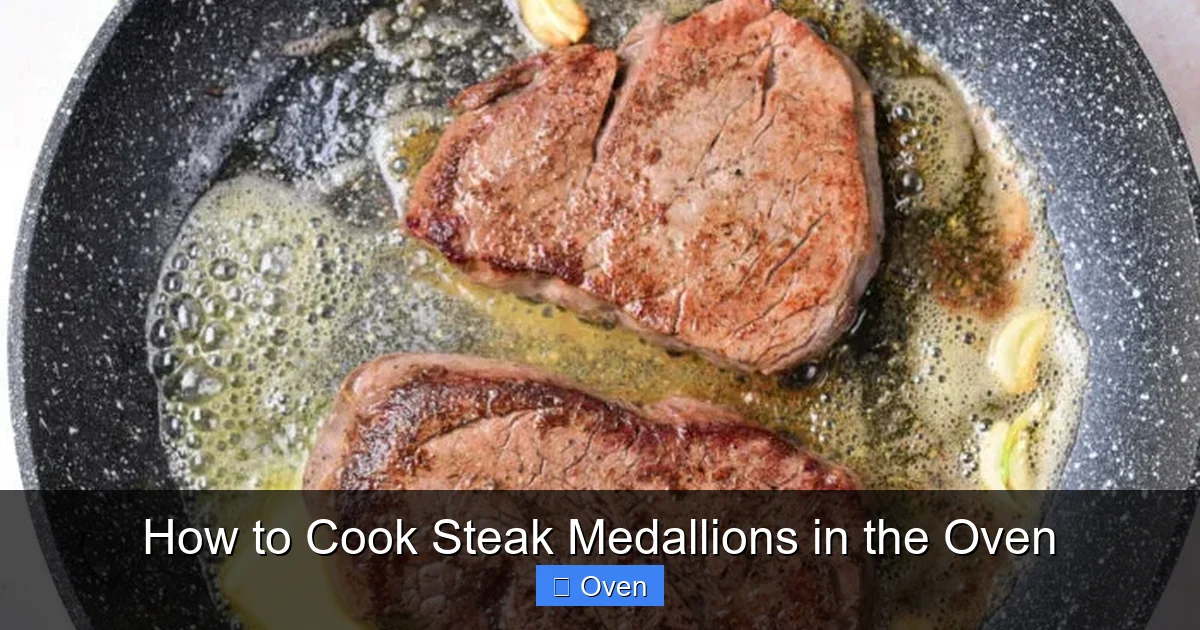
Visual guide about How to Cook Steak Medallions in the Oven
Image source: temeculablogs.com
Advanced Flavor Variations
- Herb Blend: Add dried thyme, rosemary, and oregano for an aromatic kick.
- Spicy Touch: Sprinkle smoked paprika or cayenne for a subtle heat.
- Umami Boost: Finish with a dash of Worcestershire sauce or soy sauce before cooking.
Remember, you can always add more seasoning after cooking if needed.
3. Equipment & Prep: The Cast‑Iron Advantage
Why Cast Iron?
Cast iron retains heat exceptionally well, giving the steak a beautiful crust while staying juicy inside. It also distributes heat evenly, which is crucial for oven cooking.
Visual guide about How to Cook Steak Medallions in the Oven
Image source: cdn.shopify.com
Pre‑Heat the Skillet
Place your skillet in the oven while it pre‑heats to 450°F (230°C). This ensures the pan is hot enough to sear the steak medallions the moment they hit the surface.
Adding Oil
Use a high‑smoke‑point oil like canola or grapeseed. Lightly coat the skillet to prevent sticking but avoid excessive oil which can make the steak soggy.
4. Cooking Process: Step‑by‑Step
Step 1: Sear the Medallions
Once the skillet is hot, place the medallions in a single layer. Let them sear for about 2 minutes on the first side without moving them. This creates a caramelized crust.
Step 2: Flip & Finish
Flip the medallions and sear the other side for another 1.5–2 minutes. The goal is a golden brown exterior while the interior remains pink.
Step 3: Check Internal Temperature
Use a instant-read thermometer: 125°F for rare, 135°F for medium‑rare, 145°F for medium. Because medallions cook quickly, keep a close eye on the temperature.
Step 4: Rest the Meat
Transfer the medallions to a plate and tent loosely with foil. Let them rest for 5–10 minutes. Resting allows the juices to redistribute, ensuring each bite is juicy.
5. Finishing Touches: Sauces & Sides
Bouillabaisse‑Inspired Sauce
Combine a splash of white wine, a knob of butter, and fresh herbs in a small saucepan. Reduce until thickened slightly, then drizzle over the rested medallions.
Garlic Butter Finish
In the last minute of cooking, add a tablespoon of butter and minced garlic to the skillet. Spoon the melted butter over the steak for an extra layer of flavor.
Side Pairings
- Roasted Vegetables: Carrots, asparagus, and red onions roasted at 400°F complement the steak’s richness.
- Mashed Potatoes: Creamy mash is a classic match.
- Fresh Salad: A crisp green salad with vinaigrette balances the meal.
For a quick side, try baked potatoes in the Ninja Air Fryer—they’re easy and pair wonderfully with steak medallions.
6. Troubleshooting & Tips
Too Tough? The Fix Is Resting
If your steak feels dry, it may have been overcooked. Resting helps re‑moisturize the meat, so never skip this step.
Uneven Cooking?
Make sure your oven temperature is accurate. Using an oven thermometer can help verify the heat.
Hard to Get a Good Sear?
Let the skillet pre‑heat longer, or use a higher heat setting. If you’re worried about burning, reduce the heat slightly after the first sear.
Conclusion
Cooking steak medallions in the oven is a game‑changer for those who crave restaurant quality without the grill. By selecting the right cut, seasoning properly, and using a cast‑iron skillet, you’ll achieve that coveted crust and juicy interior every time. Pair your medallions with a simple sauce and a side of roasted veggies, and you’ve got a meal that’s both impressive and comforting. Give this method a try next weekend, and enjoy the confidence that comes with mastering a new cooking skill.
Frequently Asked Questions
What is the best cut of steak for oven medallions?
Ribeye and sirloin are top choices because they’re tender and well‑marbled. Filet mignon is excellent for a more luxurious option, but it’s pricier.
How thick should the steak medallions be?
Keep them around ½ inch thick. Thin, uniform slices cook evenly and avoid overcooking.
Can I use a non‑stick skillet instead of cast iron?
Yes, but cast iron provides superior heat retention and a better crust. A non‑stick pan can work if pre‑heated properly.
Do I need to sear the steak before baking?
Seared steak in an oven gives the best crust. If you skip searing, the steak may cook slower and lack flavor.
How long should I let the steak rest?
Rest the steak for 5 to 10 minutes. This allows juices to redistribute, keeping the meat moist.
What sauces pair well with steak medallions?
Garlic butter, béarnaise, or a simple reduction of red wine and herbs work great. Experiment to find your favorite.