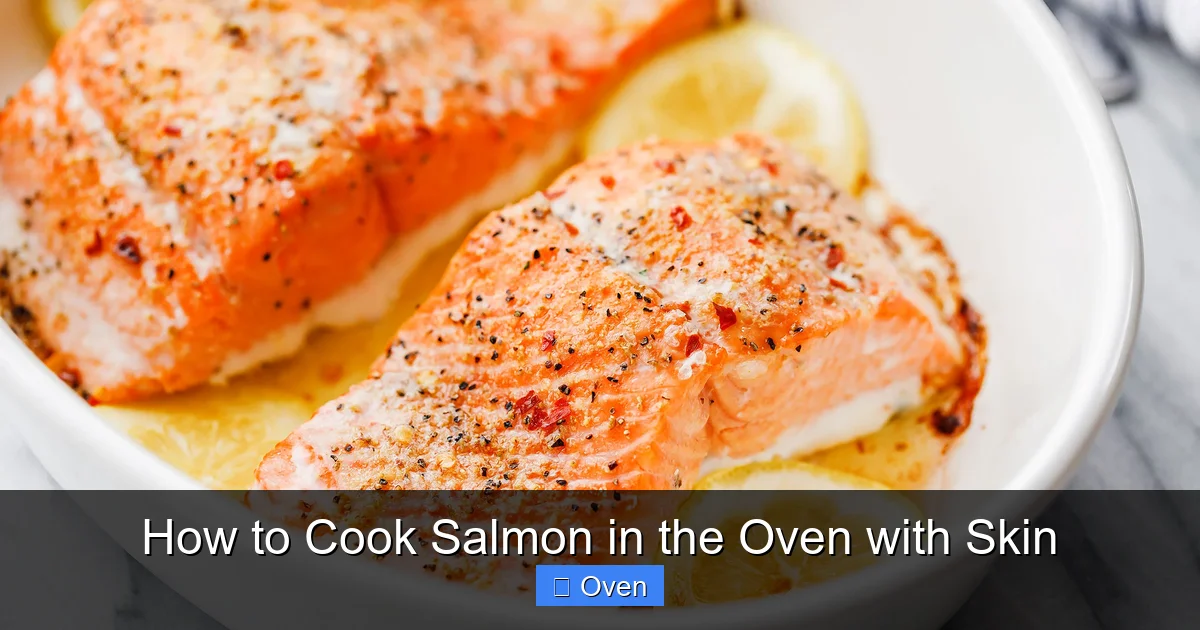
How to Cook Salmon in the Oven with Skin
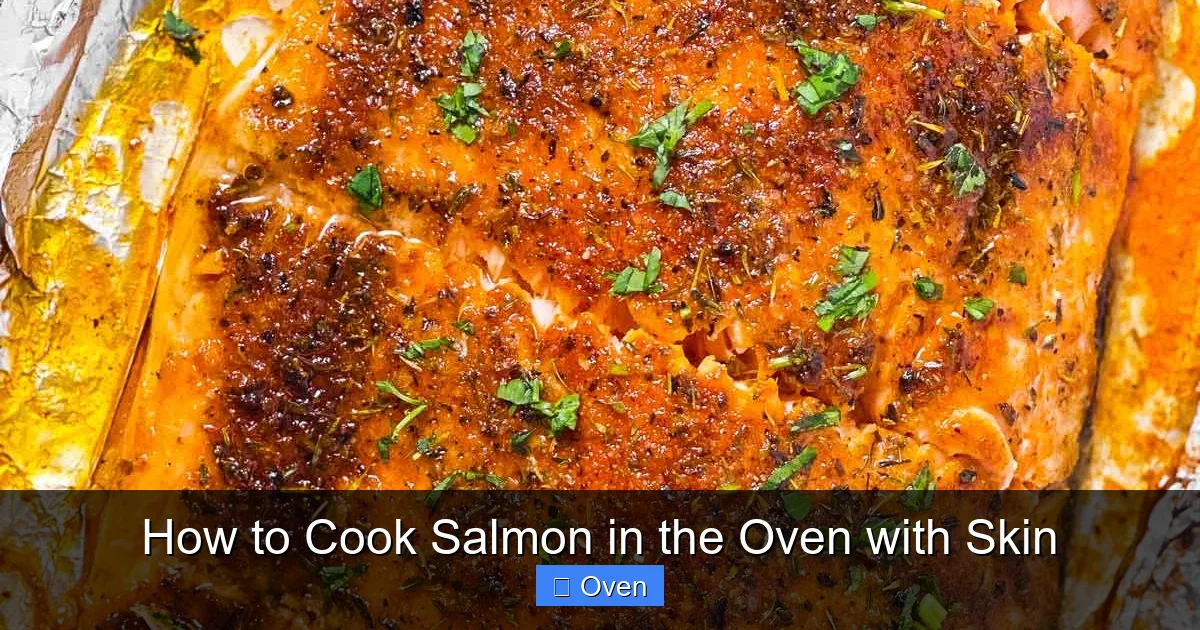
Want restaurant‑quality salmon without the hassle? This guide shows you how to cook salmon in the oven with skin so it stays moist inside and turns delightfully crisp outside. Follow the easy steps, seasoning ideas, and troubleshooting tips for flawless results every time.
Key Takeaways
- Skin‑first method: Starting with the skin side down protects the flesh and creates a crisp crust.
- Temperature matters: Baking at 400°F (200°C) gives the perfect balance of tenderness and browning.
- Simple seasoning: Olive oil, salt, and pepper are enough, but herbs, citrus, and spices add excitement.
- Rest before serving: A 5‑minute rest lets juices redistribute for maximum moisture.
- Versatile side ideas: Pair with roasted veggies, a baked potato, or a fresh salad for a complete meal.
- Safety tip: Salmon is done at an internal temperature of 145°F (63°C) or when it flakes easily.
- Leftover magic: Cold salmon skin can be reheated crisp in the oven or used in salads.
📑 Table of Contents
- Introduction: Why Oven‑Baked Salmon with Skin Is a Game Changer
- 1. Choosing the Right Salmon
- 2. Preparing the Salmon for the Oven
- 3. The Perfect Baking Technique
- 4. Serving Ideas and Side Pairings
- 5. Troubleshooting Common Issues
- 6. Storing and Repurposing Leftovers
- Conclusion: Your Go‑To Method for Perfect Oven‑Baked Salmon
Introduction: Why Oven‑Baked Salmon with Skin Is a Game Changer
Salmon is a nutritional powerhouse—rich in omega‑3 fatty acids, protein, and vitamin D. Yet, many home cooks shy away from it because they fear dry, overcooked flesh or soggy skin. Baking salmon in the oven with the skin on solves both problems. The skin acts as a natural barrier, keeping the meat moist, while the high heat crisps it to a satisfying crunch.
Unlike pan‑searing, which demands constant attention, the oven method is hands‑off, consistent, and perfect for busy weeknights. Whether you’re feeding one or a family, you can scale the recipe easily. Below you’ll find a step‑by‑step guide, seasoning variations, side‑dish pairings, and troubleshooting tips to make your salmon shine every time.
1. Choosing the Right Salmon
Fresh vs. Frozen
Both fresh and properly thawed frozen salmon work well. If you buy frozen, place the fillets in the refrigerator overnight or run them under cold water for quick thawing. Pat dry with paper towels—dry skin is the secret to crispiness.
Visual guide about How to Cook Salmon in the Oven with Skin
Image source: tastefullygrace.com
Skin On, Flesh Up
Always keep the skin on. It protects the delicate flesh from direct heat and adds texture. Look for fillets that are uniform in thickness (about 1‑inch thick) for even cooking.
Wild vs. Farmed
Wild salmon tends to have a deeper flavor and firmer texture, while farmed salmon is milder and more forgiving if slightly overcooked. Choose based on taste preference and budget.
2. Preparing the Salmon for the Oven
Seasoning Basics
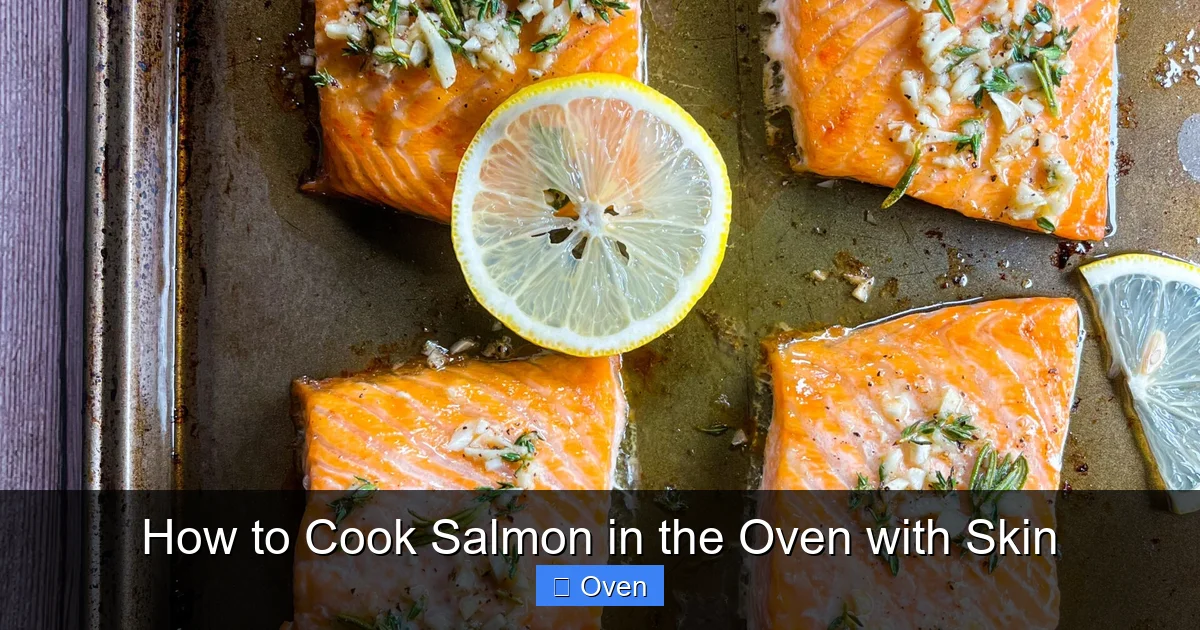
For a classic result, drizzle each fillet with 1 tablespoon of olive oil, then sprinkle generously with kosher salt and freshly ground black pepper. The oil helps the skin crisp and the seasoning adheres.
Visual guide about How to Cook Salmon in the Oven with Skin
Image source: eatwell101.com
Flavor Boosters
- Lemon zest & juice: Adds brightness.
- Fresh herbs (dill, thyme, parsley): Infuse aromatic notes.
- Garlic powder or minced garlic: Gives a subtle pungency.
- Spice rubs: Try smoked paprika, cumin, or a pinch of cayenne for heat.
Mix any additional seasonings with the olive oil before brushing onto the fillet. Keep the skin side smooth—no clumps of seasoning that could prevent crisping.
Preparing the Baking Sheet
Line a rimmed baking sheet with parchment paper or lightly oil a shallow roasting pan. Place the fillets skin‑side down, leaving a little space between each piece for airflow.
3. The Perfect Baking Technique
Preheat the Oven
Set the oven to 400°F (200°C) and let it fully preheat. A hot oven creates a quick seal on the salmon, locking in juices.

Visual guide about How to Cook Salmon in the Oven with Skin
Image source: easychefideas.com
Bake Time and Temperature
For 1‑inch thick fillets, bake for 12‑15 minutes. Thicker cuts need 2‑3 minutes more; thinner pieces may be ready in 10 minutes. The rule of thumb is 10 minutes per inch of thickness.
Checking Doneness
Insert an instant‑read thermometer into the thickest part; it should read 145°F (63°C). Alternatively, gently press the top of the fillet with a fork—if it flakes easily, it’s done.
Optional Broil Finish
If you love extra‑crunchy skin, switch the oven to “broil” for the last 1‑2 minutes. Watch closely to avoid burning.
4. Serving Ideas and Side Pairings
Classic Lemon‑Herb Salmon
After baking, squeeze fresh lemon juice over the fillet and sprinkle chopped dill. Serve with a side of roasted asparagus or green beans.
Asian‑Inspired Glaze
Brush the hot salmon with a mixture of soy sauce, honey, and a dash of sesame oil. Garnish with toasted sesame seeds and sliced scallions.
Hearty Meal Pairings
Complete the plate with:
- Baked potato for a comforting carb.
- Steamed broccoli or cauliflower (see our frozen broccoli guide for quick prep).
- A simple mixed green salad tossed with vinaigrette.
5. Troubleshooting Common Issues
Skin Sticks to the Pan
If the skin adheres, it’s usually because the surface was wet or the pan wasn’t hot enough. Pat the skin dry, use a little extra oil, and ensure the oven is fully preheated.
Dry or Overcooked Salmon
Overcooking is the biggest culprit. Use a timer, check internal temperature early, and remember that the salmon continues to cook for a minute or two after removal.
Uneven Cooking
Uneven thickness leads to uneven results. If your fillet is tapered, fold the thinner end under the thicker part to create a uniform shape before baking.
6. Storing and Repurposing Leftovers
Refrigeration
Cool the salmon to room temperature (no more than 2 hours), then store in an airtight container. It will keep for 3‑4 days.
Re‑crisping the Skin
To revive crispness, place the leftover skin side up on a baking sheet and heat at 375°F (190°C) for 5‑7 minutes.
Creative Uses
- Flake cold salmon into a salad with capers and avocado.
- Mix with Greek yogurt, dill, and lemon for a quick spread on toast.
- Layer in a sushi roll or grain bowl for added protein.
Conclusion: Your Go‑To Method for Perfect Oven‑Baked Salmon
Cooking salmon in the oven with skin is a foolproof technique that delivers moisture, flavor, and a satisfyingly crunchy crust—all with minimal effort. By selecting the right fillet, seasoning simply or creatively, and baking at the ideal temperature, you’ll achieve restaurant‑quality results at home. Pair with your favorite sides, store leftovers wisely, and enjoy the versatility of this nutritious fish whenever you like.
Give this method a try tonight—your taste buds (and your family) will thank you!
Frequently Asked Questions
Do I need to flip the salmon while it bakes?
No. Baking skin‑side down protects the flesh and allows the skin to crisp without flipping.
Can I use a convection oven?
Yes. Reduce the temperature to 375°F (190°C) and check for doneness a couple of minutes earlier.
Is it okay to bake frozen salmon without thawing?
Yes, but add 5‑7 minutes to the cooking time and ensure the internal temperature reaches 145°F.
What’s the best way to tell if the skin is crispy enough?
The skin should be golden‑brown and lift easily with a fork. If it still looks soggy, give it a quick broil for 1‑2 minutes.
Can I add a glaze during the last few minutes of baking?
Absolutely. Brush on a honey‑soy or maple‑mustard glaze during the final 5 minutes for a caramelized finish.
How long can cooked salmon be kept in the fridge?
Store in an airtight container for up to 4 days. Reheat gently in the oven to retain texture.