What Temp to Bake Salmon at in the Oven
Master the art of baking salmon with confidence. This guide breaks down the ideal oven temperatures, cooking times, and flavor‑enhancing techniques so you can achieve a tender, flaky fillet every time.
Key Takeaways
- Temperature Range: 350°F–425°F is optimal, depending on thickness and desired doneness.
- Cooking Time: Roughly 10–15 minutes per inch of fillet thickness at 400°F.
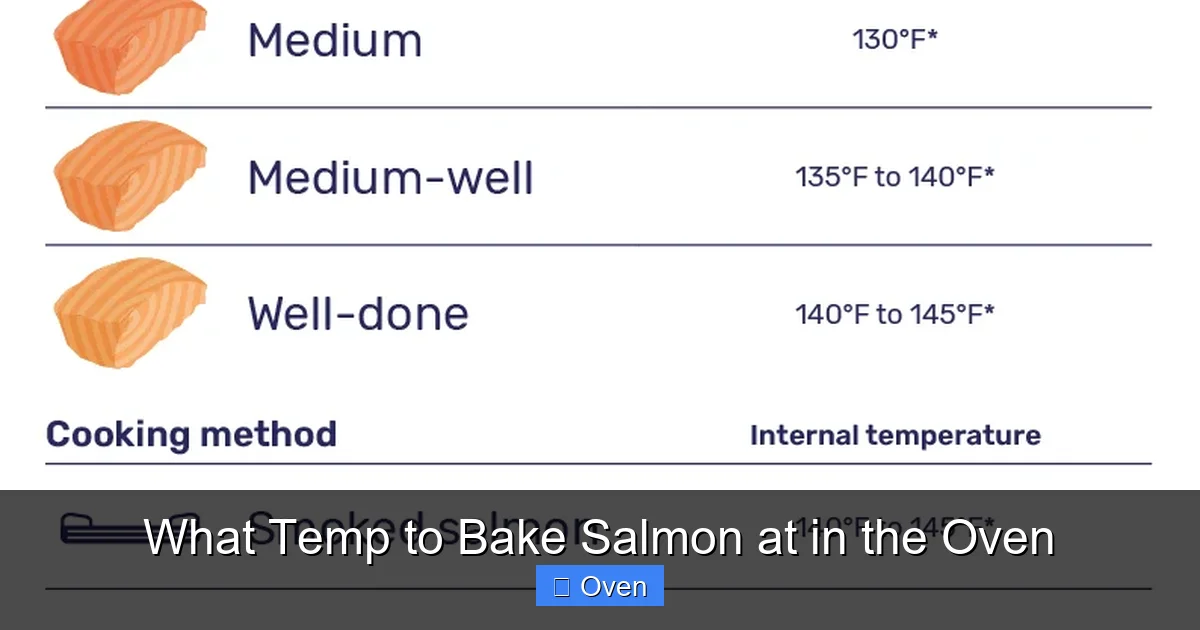
- Internal Temperature: Aim for 125°F–130°F for medium‑rare or 135°F for fully cooked.
- Prep Matters: Patting dry, seasoning, and using parchment or foil helps lock in moisture.
- Finishing Touches: A squeeze of lemon or a drizzle of herb butter brightens the flavor.
- Pairings: Roasted veggies, quinoa, or a fresh salad balance the richness of salmon.
- Safety First: Always check internal temp with a food thermometer to avoid under‑cooking.
📑 Table of Contents
Introduction
Salmon is a superstar in the kitchen. Its buttery texture, vibrant color, and heart‑healthy omega‑3s make it a favorite for quick weeknight dinners and elegant holiday feasts alike. Yet, one question keeps creeping up: What temp to bake salmon at in the oven? It’s a simple query, but the answer can make the difference between a dry, rubbery fillet and a moist, melt‑in‑your‑mouth masterpiece.
Don’t worry—this article will walk you through the science behind the right temperature, give you a handy rule of thumb, and sprinkle in some flavor hacks and side‑dish ideas. By the end, you’ll feel confident turning any salmon fillet into a showstopper.
Why Temperature Matters
The Science of Protein Denaturation
When salmon cooks, its proteins tighten and shrink. Too hot, and the proteins contract too quickly, squeezing out moisture and leaving the fish dry. Too cool, and the fish stays undercooked, risking food safety and an unappetizing texture.
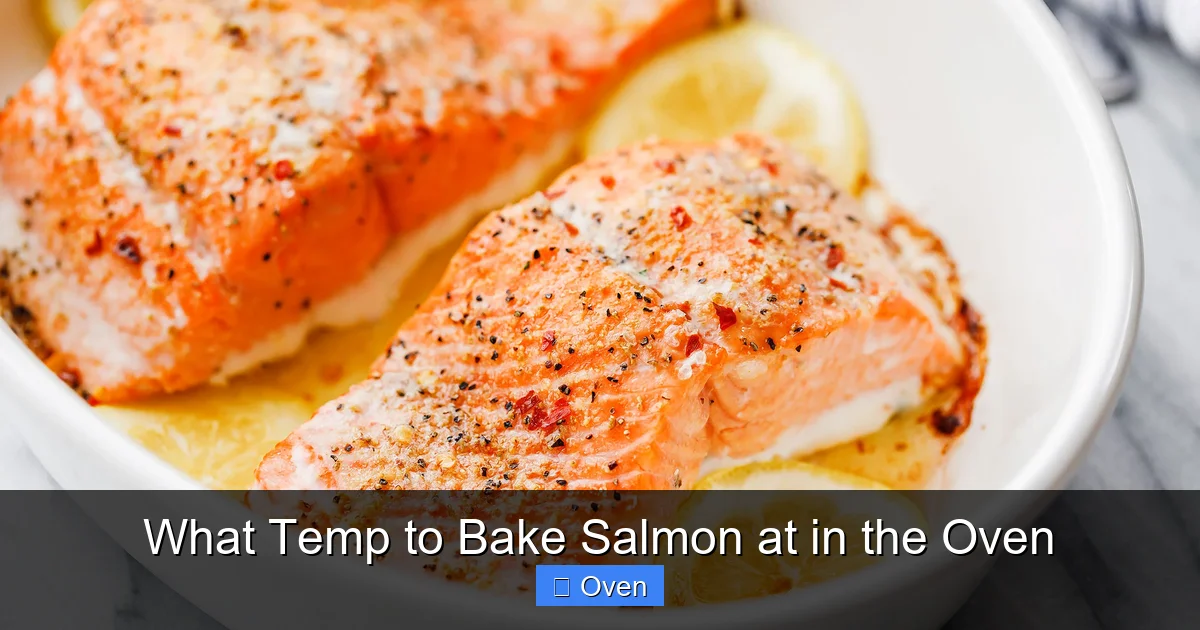
Visual guide about What Temp to Bake Salmon at in the Oven
Image source: eatwell101.com
Internal vs. Oven Temperature
The oven’s surface temperature isn’t the same as the fish’s internal temperature. A higher oven temperature will sear the outside faster, but you still need to monitor the internal temp to ensure doneness. A quick tip: use a meat thermometer that pops out at 125°F–130°F for a tender, slightly pink center.
Finding the Sweet Spot: 350°F to 425°F
Low and Slow (350°F)
Cooking at 350°F gives you a gentle, even heat that’s great for thicker fillets or stacks of salmon. It allows the fish to stay moist while developing a subtle caramelized crust if you finish it under the broiler.
Visual guide about What Temp to Bake Salmon at in the Oven
Image source: i.pinimg.com
Moderate Heat (400°F)
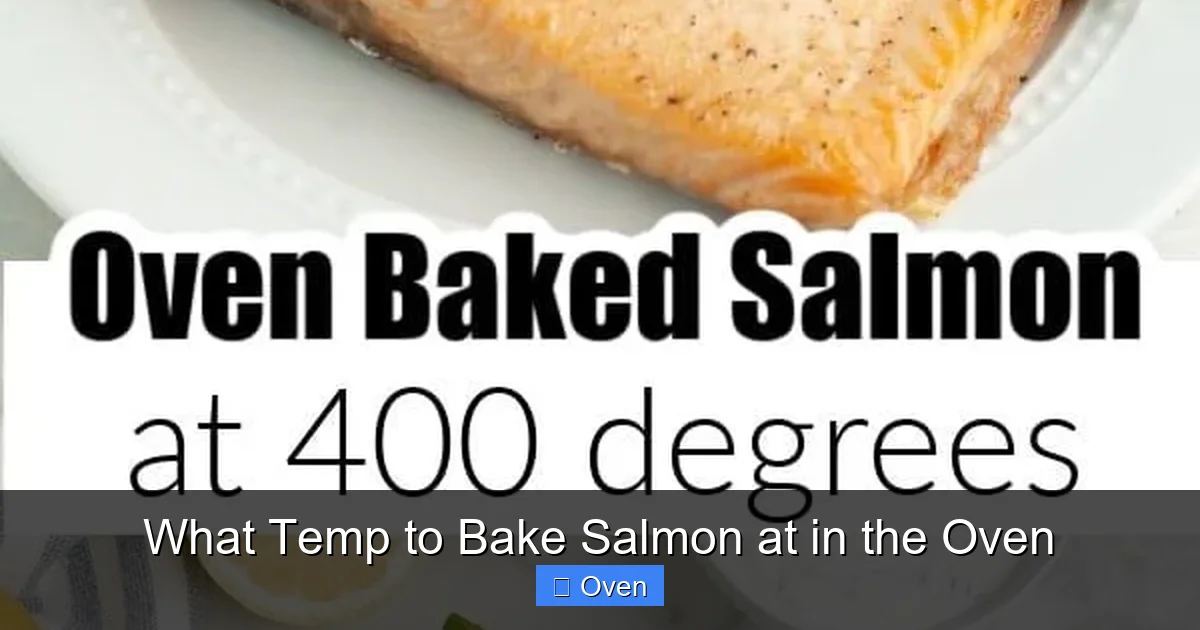
400°F is the most popular choice for a balanced result. It cooks the fillet quickly, preserves moisture, and creates a nice golden top. Most recipes, including our own, recommend this temperature for a 1‑inch thick fillet.
High Heat (425°F)
Use 425°F when you want a crispier exterior or have a thinner fillet. The fish will finish faster—usually 8–12 minutes—but keep a close eye on it to avoid over‑browning.
How Long Does It Take?
The 10‑Minute Rule
A reliable starting point: 10 minutes per inch of thickness at 400°F. So a 1‑inch thick filet takes about 10 minutes, a 1.5‑inch piece about 15 minutes.
Visual guide about What Temp to Bake Salmon at in the Oven
Image source: recipes.net
Adjust for Thickness and Oven Variance
- Thin fillets (½ inch) need 6–8 minutes.
- Thick steaks (1.5 inches) may need 18–20 minutes.
- Ovens vary—always check the internal temp.
Using a Thermometer
Insert the probe into the thickest part of the fillet. When it reads 125°F–130°F, the salmon is ready for medium‑rare. For a firmer bite, aim for 135°F. This method guarantees safety and texture.
Prep Steps for Perfect Salmon
Pat It Dry
Moisture on the surface hinders browning. Use paper towels to blot the fillet before seasoning.
Seasoning Basics
- Simple Salt & Pepper: Classic and lets the fish shine.
- Herb Mix: Combine dill, parsley, thyme, and a pinch of garlic powder.
- Spicy Kick: Add smoked paprika, cayenne, or chili flakes.
Use Foil or Parchment for Easy Cleanup
Line a baking sheet with parchment or foil, brush with a little oil, and place the salmon skin side down. This keeps the fish from sticking and makes cleanup a breeze.
Finishing Touches
Broil for a Golden Top
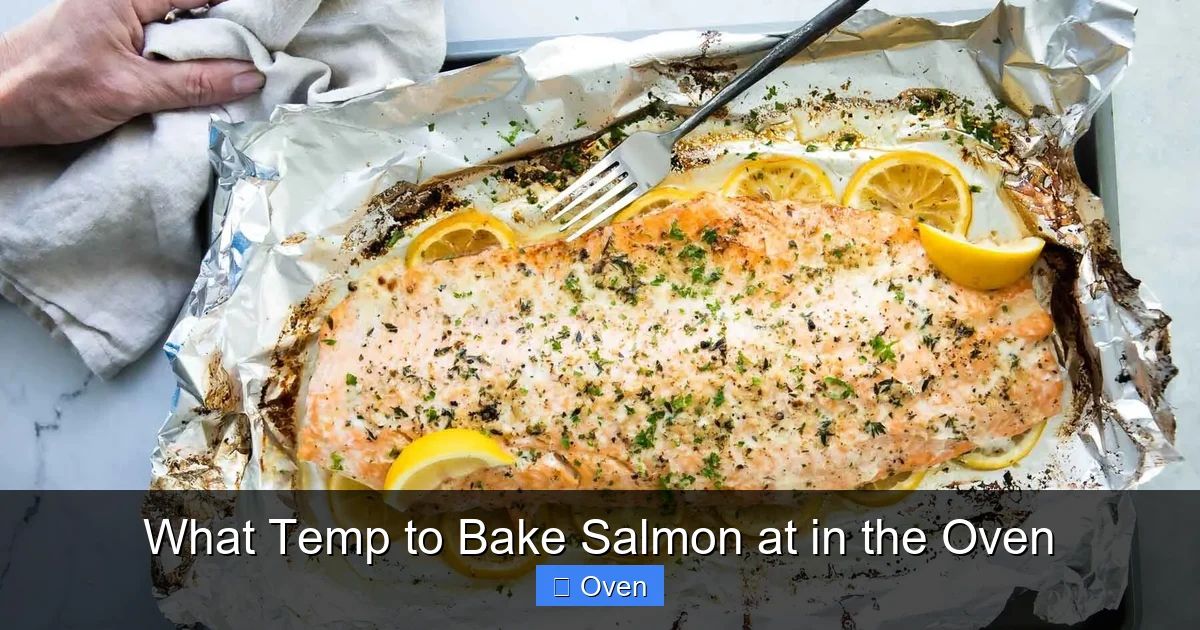
After the salmon reaches the target internal temp, switch the oven to broil for 2–3 minutes. Watch closely—this step adds a delightful crunch.
Lemon, Butter, or Sauce
- Lemon Butter: Melt butter with minced garlic and lemon zest; drizzle over the fish.
- Simple Sauce: A quick dill yogurt sauce or a honey‑mustard glaze pairs wonderfully.
- Fresh Herbs: Sprinkle chopped parsley or chives just before serving for a burst of color.
Side Dish Ideas to Complement Your Salmon
Roasted Vegetables
Roast carrots, broccoli, or asparagus at 400°F for 20–25 minutes. The caramelized edges echo the salmon’s crisp exterior.
Quinoa or Rice Pilaf
Cook quinoa in fish stock for extra flavor. Toss with lemon zest and chopped dill to match the salmon.
Fresh Green Salad
A crisp salad with mixed greens, cucumber, and a vinaigrette provides a light contrast to the rich fish.
Common Mistakes and How to Avoid Them
- Overcooking: Keep an eye on the timer and use a thermometer.
- Not Patting Dry: Moisture leads to steaming instead of roasting.
- Skipping the Broil: A quick broil adds texture and visual appeal.
- Ignoring Thickness: Adjust time based on fillet size.
Conclusion
Now that you know the ideal temperature range, cooking times, and finishing tricks, baking salmon has never been easier—or more delicious. Whether you’re a seasoned chef or a kitchen newbie, these simple guidelines will help you consistently produce a salmon fillet that’s flaky, juicy, and packed with flavor.
Next time you’re in the grocery store, pick up a fresh fillet, follow our temperature and timing tips, and treat yourself to a gourmet meal without leaving your home. Happy baking!
Frequently Asked Questions
What internal temperature should salmon reach?
For a tender, slightly pink center, aim for 125°F–130°F. If you prefer it fully cooked, go up to 135°F.
Can I bake salmon at 425°F?
Yes, 425°F works well for thinner fillets or if you want a crispier skin. Just keep an eye on the cooking time—around 8–12 minutes for a 1‑inch thick piece.
Do I need to use parchment paper?
It’s not mandatory, but parchment or foil makes cleanup easier and prevents the salmon from sticking to the pan.
How do I know when the salmon is done?
Use a food thermometer to check for 125°F–130°F. Visually, the flesh should be opaque and flake easily with a fork.
Can I add garlic to the salmon?
Absolutely! Fresh minced garlic or garlic powder adds a wonderful aroma. Mix it into your herb blend or rub it directly on the fillet.
What’s a quick sauce to pair with baked salmon?
A simple lemon butter sauce or a dill yogurt dip works beautifully and can be made in under five minutes.