How to Cook a Brisket Point in the Oven
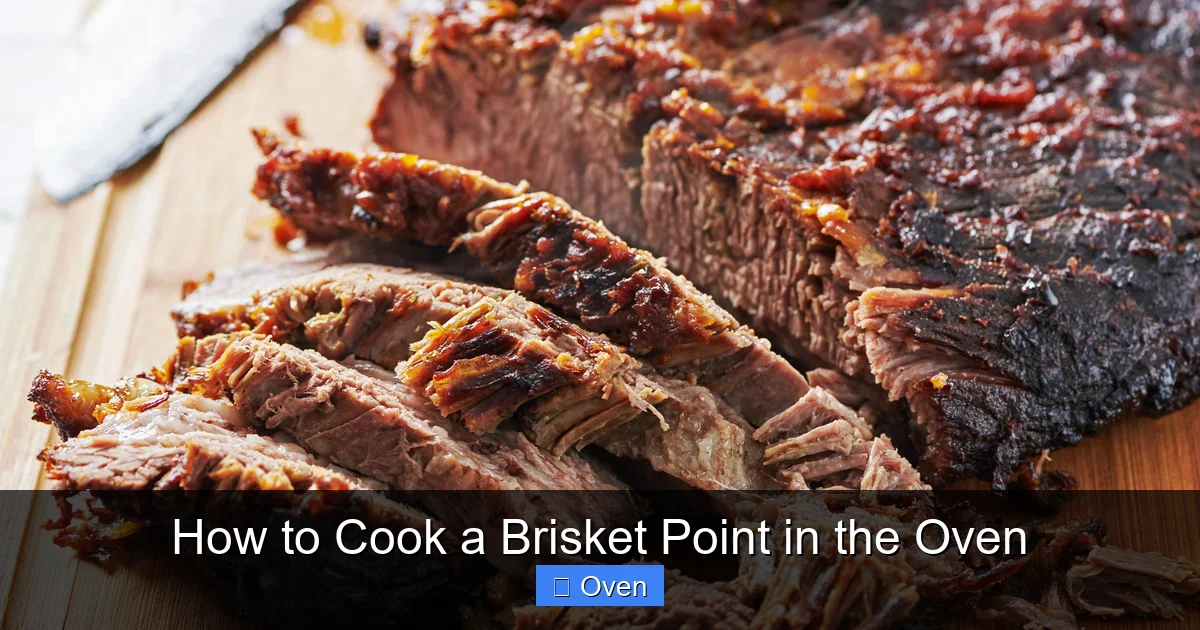
Cooking a brisket point in the oven is simple, affordable, and delivers melt‑in‑your‑mouth meat. Follow our easy prep, low‑and‑slow bake, and finish‑off steps, and you’ll have a show‑stopping dinner without a smoker. All the tricks you need are right here.
Key Takeaways
- Low‑and‑slow is essential: Cooking at 225‑250°F breaks down collagen for tenderness.
- Season early: A dry rub applied 12‑24 hours before cooking maximizes flavor.
- Moisture matters: Adding a water pan or spritzing keeps the meat from drying out.
- Rest before slicing: Let the brisket rest 30‑45 minutes to lock in juices.
- Use a meat thermometer: Target 195‑205°F for perfect pull‑apart texture.
- Optional bark boost: Finish under the broiler for a caramelized crust.
- Versatile side ideas: Pair with roasted potatoes, steamed veggies, or a fresh salad.
📑 Table of Contents
- Introduction: Why the Oven Is Your Best Friend for Brisket Point
- 1. Selecting the Perfect Brisket Point
- 2. Preparing the Brisket: Rubs, Marinating, and Resting
- 3. Setting Up the Oven for Low‑and‑Slow Cooking
- 4. The Cooking Process: From First Hour to Finish
- 5. Resting, Slicing, and Serving
- 6. Troubleshooting Common Issues
- Conclusion
Introduction: Why the Oven Is Your Best Friend for Brisket Point
If you’ve ever dreamed of a Texas‑style brisket but don’t own a smoker, the oven is a reliable, budget‑friendly alternative. The key is patience and a few simple techniques that turn a tough cut of beef into a fork‑tender masterpiece. In this guide we’ll walk you through every step— from choosing the right brisket point to serving it up with pride.
Unlike a stovetop or grill, the oven provides a steady, controllable heat that mimics the low‑and‑slow environment of a smoker. You’ll achieve that coveted “bark” on the outside while the interior stays juicy and flavorful. Ready to learn how to cook a brisket point in the oven? Let’s get started!
1. Selecting the Perfect Brisket Point
What Is the Brisket Point?
The brisket comes from the chest of the cow and has two muscles: the flat (lean) and the point (marbled). The point is richer in fat, which makes it ideal for slow cooking because the fat renders into the meat, keeping it moist.
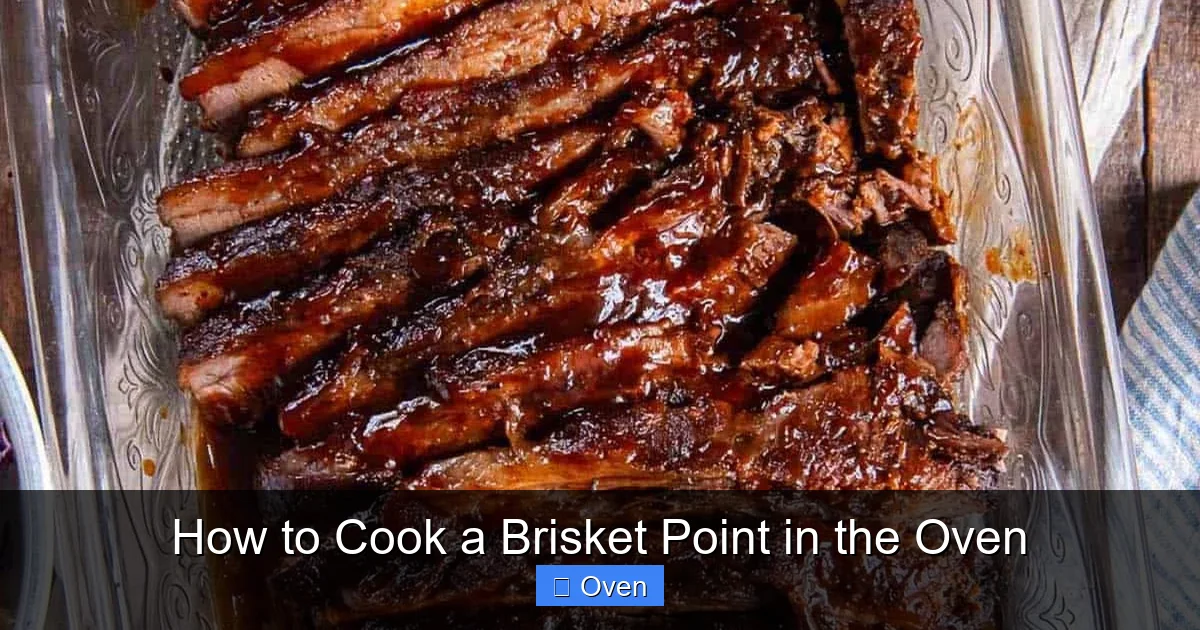
Visual guide about How to Cook a Brisket Point in the Oven
Image source: i.pinimg.com
Size and Weight Guidelines
- Look for a point that weighs 5‑8 lb for a family‑size meal.
- Choose a piece with a uniform thickness; this helps it cook evenly.
- Check the fat cap— a ¼‑inch layer is perfect for flavor without excess grease.
Where to Buy
Local butcher shops often have the freshest cuts and can even trim the fat for you. If you shop at a grocery store, ask the meat counter staff to slice a point with a good fat cap.
2. Preparing the Brisket: Rubs, Marinating, and Resting
Dry Rub Basics
A classic Texas‑style rub is simple and lets the beef shine:
- 2 tbsp kosher salt
- 2 tbsp coarse black pepper
- 1 tbsp paprika
- 1 tsp garlic powder
- 1 tsp onion powder
- ½ tsp cayenne (optional for heat)
Mix the spices, then pat the brisket dry with paper towels. Coat the meat evenly, pressing the rub into the surface.
Timing the Rub
For maximum flavor, wrap the seasoned brisket in plastic wrap and refrigerate for at least 12 hours, preferably 24 hours. This “dry‑age” step allows the salt to penetrate and break down muscle fibers.
Optional Wet Marinade
If you prefer a moist rub, combine the dry spices with ¼ cup Worcestershire sauce and ¼ cup apple cider vinegar. Brush the mixture over the meat and let it sit for 4‑6 hours.
3. Setting Up the Oven for Low‑and‑Slow Cooking
Temperature and Rack Placement
Preheat your oven to 225‑250°F (107‑121°C). Place a heavy-duty roasting pan on the lower rack and fill it halfway with hot water. The steam generated will keep the brisket from drying out.
Using a Water Pan
The water pan also helps regulate the oven temperature, reducing hot spots. If you don’t have a roasting pan, a disposable aluminum pan works just as well.
Covering the Brisket
Wrap the seasoned brisket tightly in a double layer of heavy-duty foil or place it in a covered Dutch oven. This traps moisture and creates a gentle braising environment.
4. The Cooking Process: From First Hour to Finish
First 3‑4 Hours – The Smoke‑Free “Smoke”
Even without a smoker, you can achieve a smoky flavor by adding a small amount of liquid smoke (½ tsp) to the water pan. Keep the oven door closed; every opening drops the temperature.
Mid‑Cook Spritzing (Optional)
Every 2‑3 hours, open the foil briefly and spritz the brisket with a mixture of equal parts apple juice and beef broth. This adds layers of flavor and keeps the surface moist.
Checking Internal Temperature
Insert an instant‑read thermometer into the thickest part of the point. When it reaches 165‑170°F (74‑77°C), the connective tissue is starting to melt, but the meat isn’t yet fork‑tender. Most briskets finish at 195‑205°F (90‑96°C).
Unwrapping for the Bark
Once the brisket hits ~190°F, remove the foil, increase the oven temperature to 275°F, and cook uncovered for 30‑45 minutes. This step creates a caramelized bark.
Optional Broiler Finish
If you love an extra crust, switch the oven to broil for the last 5‑7 minutes. Keep a close eye on it— the bark can go from perfect to burnt in seconds.
5. Resting, Slicing, and Serving
Why Resting Matters
Resting allows the juices to redistribute. Transfer the brisket to a cutting board, tent loosely with foil, and let it rest for 30‑45 minutes.
Slicing Technique
Slice against the grain for maximum tenderness. The point’s grain can change direction, so watch the muscle fibers and adjust your cuts accordingly.
Side Dish Pairings
Serve the brisket with classic sides like creamy coleslaw, baked beans, or roasted vegetables. For a quick oven‑side, try roasted potatoes— the same oven can handle them while the brisket rests. Need a potato idea? Check out our guide on how to cook a baked potato in the Ninja Air Fryer for inspiration.
Storing Leftovers
- Cool the brisket to room temperature within two hours.
- Slice and place in airtight containers with a splash of broth.
- Refrigerate for up to 4 days or freeze for up to 3 months.
6. Troubleshooting Common Issues
Dry Brisket
If the meat turns out dry, it likely cooked at too high a temperature or missed the water pan. Next time, keep the oven at 225°F and ensure the foil is sealed tightly.
Too Much Bark (Bitter)
Over‑exposing the meat to high heat can create a burnt crust. Reduce the uncovered cooking time or lower the final temperature to 250°F.
Undercooked Interior
Use a reliable meat thermometer; low‑quality probes can give false readings. If the internal temp stalls below 190°F after several hours, increase the oven heat slightly and continue cooking.
Conclusion
Cooking a brisket point in the oven may sound intimidating, but with the right preparation and a patient, low‑and‑slow approach, you’ll achieve restaurant‑quality results at home. Remember the core steps: select a well‑marbled point, season ahead, bake low, add moisture, finish with a bark, and rest before slicing. Pair it with your favorite sides, and you have a hearty, crowd‑pleasing meal that proves the oven can rival any smoker.
Now that you’ve mastered the basics, feel free to experiment with different rubs, sauces, or even a smoky chipotle glaze. Happy cooking!
Frequently Asked Questions
What temperature should I set my oven to for a brisket point?
Set the oven to a low 225‑250°F (107‑121°C). This range breaks down collagen without drying the meat.
How long does it take to cook a 6‑lb brisket point?
Expect about 8‑10 hours total, depending on the exact oven temperature and the meat’s thickness.
Do I need a water pan when cooking brisket in the oven?
While not mandatory, a water pan adds steam, keeps the environment moist, and helps maintain a steady temperature.
Can I use a slow cooker instead of the oven?
Yes, but a slow cooker won’t produce the crispy bark that an oven can. You can finish the brisket under a broiler for that final crust.
Should I wrap the brisket in foil for the entire cook?
Wrap it for the first 5‑6 hours to trap moisture, then unwrap for the last 30‑45 minutes to develop bark.
How do I know when the brisket is done?
Insert a meat thermometer into the thickest part; the target internal temperature is 195‑205°F (90‑96°C) for a tender, pull‑apart texture.