Cookware for Flat Top Electric Stove
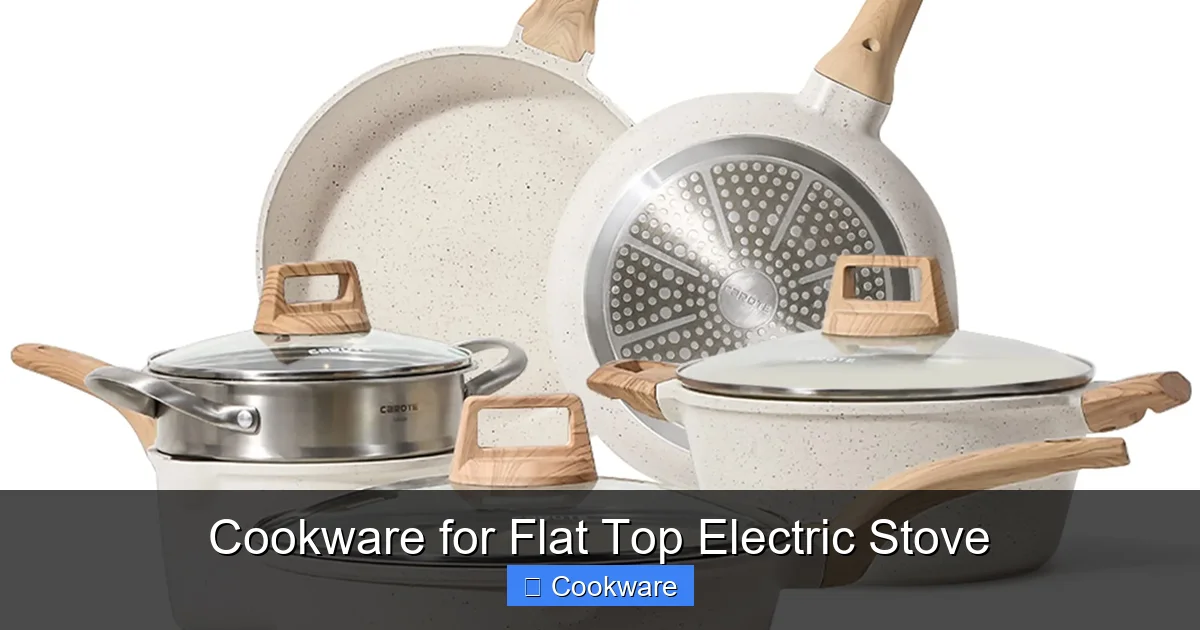
Choosing the right cookware for a flat top electric stove can transform everyday meals into culinary delights. This guide walks you through ideal materials, essential features, and smart buying tips, so you never worry about hot spots or warped pans again. Get ready to cook smarter, faster, and with better results.
Key Takeaways
- Material matters: Aluminum‑core stainless steel, cast iron, and carbon steel offer the best heat control on flat tops.
- Flat bottoms are essential: Even contact prevents scratches and ensures consistent heating.
- Size matching: Choose pans that fit the burner size to avoid energy waste and overheating.
- Non‑stick coatings: Look for PTFE‑free options for health and durability.
- Maintenance tips: Proper cleaning and occasional seasoning extend the life of your cookware.
- Budget vs. performance: You don’t need a $500 set; a few well‑chosen pieces outperform cheap full sets.
- Smart accessories: Heat plates and drip pans protect the stove surface and improve cooking results.
📑 Table of Contents
- Why Flat Top Electric Stoves Need Special Cookware
- Top Materials for Flat Top Electric Stove Cookware
- Design Features That Matter
- How to Choose the Right Set for Your Kitchen
- Maintenance Tips to Extend the Life of Your Cookware
- Smart Accessories That Complement Your Cookware
- Putting It All Together: A Sample Shopping List
- Conclusion
Why Flat Top Electric Stoves Need Special Cookware
Flat top electric stoves—whether glass‑ceramic or coil‑type—heat differently than gas or induction tops. The heat source sits underneath a smooth surface, so the pan’s bottom does all the work of transferring that heat to your food. If the cookware isn’t designed for this setup, you’ll notice hot spots, uneven cooking, and even warping over time.
Think of the stove as a silent partner. It provides steady, gentle heat, but it can’t “talk” to a pan that has a warped base or a thick, uneven bottom. That’s why selecting the right cookware for flat top electric stove is as important as choosing the right recipes.
Top Materials for Flat Top Electric Stove Cookware
Not all metals behave the same on an electric surface. Below are the three best performers, plus a quick look at their pros and cons.
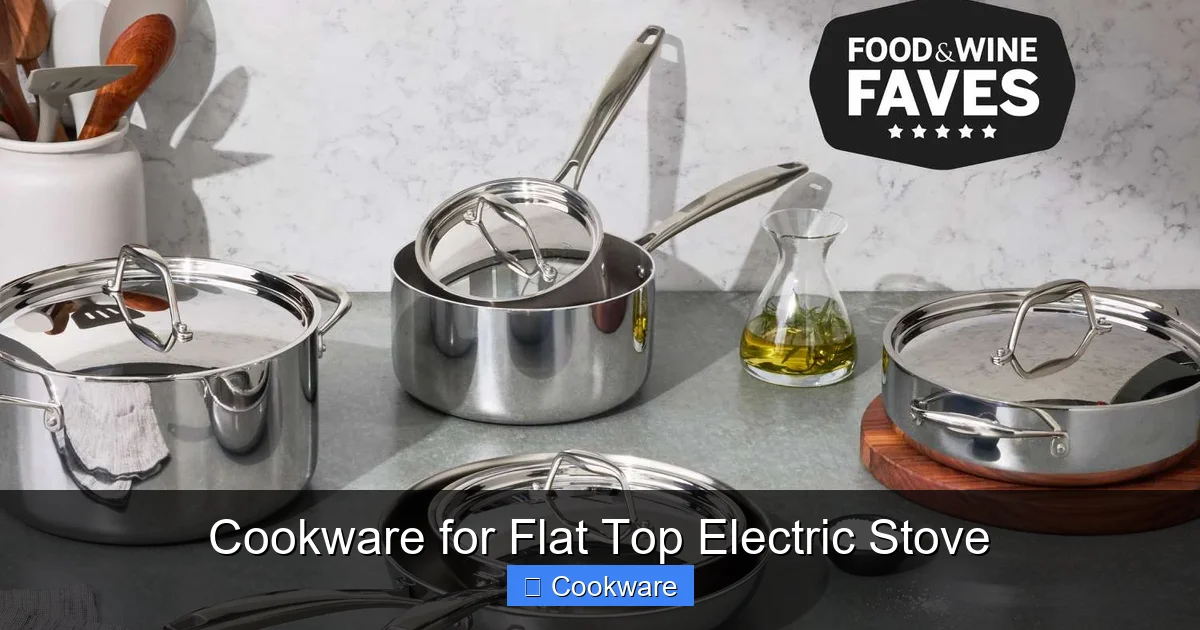
Visual guide about Cookware for Flat Top Electric Stove
Image source: foodandwine.com
1. Aluminum‑Core Stainless Steel
This hybrid combines a stainless steel exterior (great for durability and a sleek look) with an aluminum core that spreads heat evenly. The result is fast heating without hot spots.
- Pros: Excellent heat conductivity, dishwasher‑safe, resistant to rust.
- Cons: Higher price point than plain stainless steel.
If you love searing steaks and then deglazing the pan for a sauce, this material is a winner. Many reviewers rank it as the top choice in the Best Pots And Pans For Electric Stove roundup.
2. Cast Iron (Enameled or Bare)
Cast iron holds heat like a champion. Once it’s hot, it stays hot, which is perfect for dishes that need steady simmering or a crispy crust.
- Pros: Superior heat retention, natural non‑stick when seasoned, works on any heat source.
- Cons: Heavy, requires seasoning (unless enameled), can scratch glass tops if dragged.
A thin, flat‑bottomed cast‑iron skillet is ideal for flat tops. For those who want extra protection, consider a heat plate—see our guide to the Best Cast Iron Heat Plates For Electric Stove.
3. Carbon Steel
Carbon steel sits between stainless and cast iron. It heats quickly, is lighter than cast iron, and develops a natural patina over time.
- Pros: Fast heating, light weight, becomes non‑stick with seasoning.
- Cons: Needs regular seasoning, can rust if not cared for.
Professional chefs love carbon steel woks for stir‑fry on electric tops. Check out our Best Carbon Steel Wok For Electric Stove article for top picks.
Design Features That Matter
Beyond material, certain design elements make cookware truly flat‑top friendly.
Flat, Smooth Bottoms
A perfectly flat base maximizes contact with the stove surface, eliminating air gaps that cause uneven heating. Avoid pans with ridges, warped edges, or thick “puckering.”
Appropriate Diameter
Match the pan size to the burner. A 10‑inch pan on a 6‑inch coil burns more energy and can overheat the edges, while a tiny pan on a large burner may heat too quickly and scorch food.
Weight and Stability
Heavier pans stay put and distribute heat more evenly, but they must still be easy to lift. A good rule of thumb: a 12‑inch skillet should weigh around 3‑4 pounds.
Non‑Stick Coatings
Modern PTFE‑free coatings (like ceramic or silicone‑based) are safe and easy to clean. However, they can degrade faster on high heat, so keep the temperature moderate—no more than medium‑high for most electric tops.
How to Choose the Right Set for Your Kitchen
Most cooks don’t need a full 12‑piece set. Instead, focus on a few versatile pieces that cover most cooking tasks.
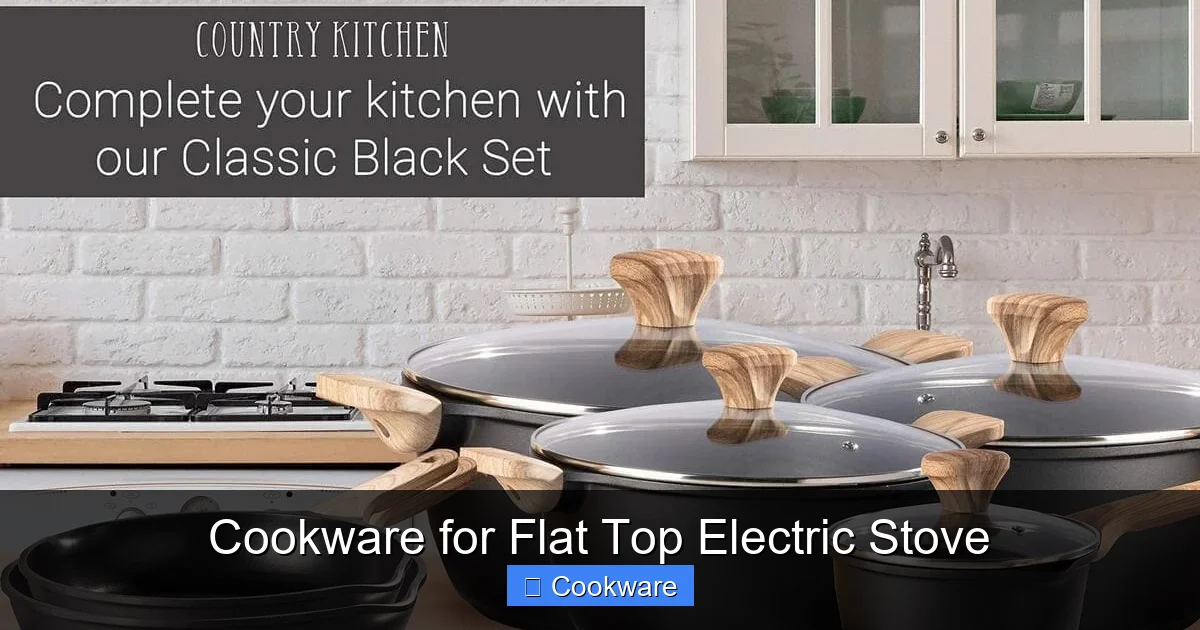
Visual guide about Cookware for Flat Top Electric Stove
Image source: thekitcheneye.com
Essential Pieces
- 10‑inch sauté pan: Ideal for browning, sauces, and one‑pan meals.
- 12‑inch skillet: Perfect for steaks, eggs, and stir‑fry.
- 2‑quart saucepan: Great for grains, soups, and reheating.
- 1‑quart sauté or sauce pan with lid: For smaller sauces or reductions.
- Cast‑iron griddle or heat plate: Adds a solid cooking surface for pancakes, bacon, or delicate fish.
Budget vs. Premium
If you’re on a budget, look for a stainless‑steel set with an aluminum core. It offers many of the same benefits as high‑end brands without the premium price. For premium cooks, a mix of enameled cast iron and carbon steel provides the ultimate heat control.
Maintenance Tips to Extend the Life of Your Cookware
Proper care keeps your pans performing like new and protects your flat top from scratches.
Cleaning
- For stainless steel: Warm, soapy water and a soft sponge. Avoid abrasive pads.
- For cast iron: Rinse with hot water, scrub with a non‑metal brush, and dry immediately.
- For carbon steel: Lightly scrub, dry, and apply a thin oil coat.
- Non‑stick: Hand‑wash with a soft cloth; avoid metal utensils.
Seasoning Cast Iron & Carbon Steel
Heat a thin layer of high‑smoke‑point oil (like grapeseed) in the pan over medium heat until it starts to smoke. Let it cool, wipe excess oil, and repeat once a month.
Protecting the Stove Surface
Always lift pans—never slide them—on glass‑ceramic tops. Use a silicone mat or a heat‑resistant trivet when moving heavy cookware. A drip pan (see Best 9 Inch Drip Pan For Electric Stove) catches spills and prevents staining.
Smart Accessories That Complement Your Cookware
Investing in a few accessories can make cooking on a flat top even easier.
Heat Plates & Griddles
These flat metal sheets sit between the stove and your pan, providing an extra layer of protection and uniform heat distribution. They’re especially handy for delicate foods like fish fillets.
Silicone Handles & Lids
Heat‑resistant silicone handles keep you safe when the pan gets hot, and silicone‑sealed lids trap steam without warping the stove.
Cookware Stands
When you need to store multiple pans, a sturdy stand keeps them organized and prevents scratches on the stove surface. Check out our Best Cookware Stands For Storing Pots and Pans for ideas.
Putting It All Together: A Sample Shopping List
Here’s a practical list that covers 90% of home cooking needs on a flat top electric stove.
- Aluminum‑core 10‑inch sauté pan – stainless exterior, flat base.
- 12‑inch cast‑iron skillet – enameled for easy cleaning.
- 2‑quart stainless steel saucepan – tight‑fitting lid.
- Carbon‑steel wok (12‑inch) – for stir‑fry and high‑heat searing.
- 9‑inch drip pan – protects the stovetop.
- Silicone heat plate – adds a buffer for delicate dishes.
This mix gives you the quick heat of aluminum, the retention of cast iron, and the versatility of carbon steel—all with flat, stove‑friendly bottoms.
Conclusion
Choosing the right cookware for flat top electric stove doesn’t have to be overwhelming. Focus on flat, smooth bottoms, match the material to your cooking style, and pick a few essential pieces instead of a massive set. With proper care and a few smart accessories, your pans will stay level, your stove will stay pristine, and your meals will taste better than ever.
Remember: the best cookware is the one that fits your habits, your budget, and your stove’s surface. Start with one or two high‑quality pieces, and build your collection over time. Happy cooking!
Frequently Asked Questions
Can I use regular non‑stick pans on a flat top electric stove?
Yes, but choose pans with a flat, smooth base and avoid ultra‑high heat. Moderate temperatures protect the coating and the glass surface.
Is cast iron too heavy for a glass‑ceramic top?
Cast iron is safe as long as it has a flat bottom and you lift it instead of sliding. Using a heat plate adds extra protection.
Do I need a special pan for induction‑compatible electric stoves?
Induction tops require magnetic material (like stainless steel or cast iron). If your electric stove is not induction, any flat‑bottomed cookware will work.
How often should I season my carbon steel wok?
Season it after each wash, or at least once a month if you use it regularly. A thin layer of oil heated until it smokes creates a natural non‑stick surface.
What size pan should I buy for a 6‑inch coil burner?
A 8‑ to 10‑inch pan fits best. It covers the burner without extending too far, ensuring even heat and energy efficiency.
Can I put a stainless steel pan in the dishwasher?
Most stainless steel pans are dishwasher‑safe, but hand‑washing preserves the shine and prevents water spots.