Non Stick Non Scratch Cookware
Non Stick Non Scratch Cookware combines the convenience of effortless food release with the durability of scratch-resistant surfaces. This innovative cookware makes meal prep easier while protecting your kitchen tools and countertops from damage. Say goodbye to ruined pans and stuck-on food with these game-changing kitchen essentials.
Key Takeaways
- Scratch Resistance: Non scratch coatings protect against metal utensils and abrasive cleaners, extending cookware lifespan.
- Non-Stick Performance: Advanced coatings prevent food from sticking, making cooking and cleanup a breeze.
- Material Quality: High-grade materials like ceramic, Teflon, or hard-anodized aluminum ensure even heat distribution.
- Utensil Compatibility: Safe for wooden, silicone, and plastic utensils without risking surface damage.
- Easy Maintenance: Dishwasher-safe options and simple hand-washing routines keep cookware looking new.
- Health Safety: Free from harmful chemicals like PFOA and PTFE when choosing reputable brands.
- Versatile Use: Suitable for various cooking methods, from sautéing to frying, across different stove types.
📑 Table of Contents
Why Non Stick Non Scratch Cookware Is a Kitchen Game-Changer
Imagine flipping a pancake without it sticking, or scrambling eggs in a pan that never leaves bits behind. Non stick non scratch cookware makes this possible. But what exactly makes it so special? Let’s break it down.
Understanding the Dual Benefit
The magic lies in combining two key features: a non-stick surface and scratch resistance. Traditional non-stick pans solve the sticking problem but often scratch easily. Meanwhile, scratch-resistant coatings protect against wear but may not release food as smoothly. Together, they offer the best of both worlds.
Real-World Benefits You Can Feel
No more scraping with metal spatulas or using harsh steel wool for cleaning. These pans work with gentle utensils and mild detergents. You’ll notice your scrambled eggs slide right off, and your favorite stir-fry ingredients won’t cling to the surface. It’s like having a helper in the kitchen that never complains.
Materials Behind the Magic
Not all non stick non scratch cookware is created equal. The material matters a lot. Here’s what to look for:
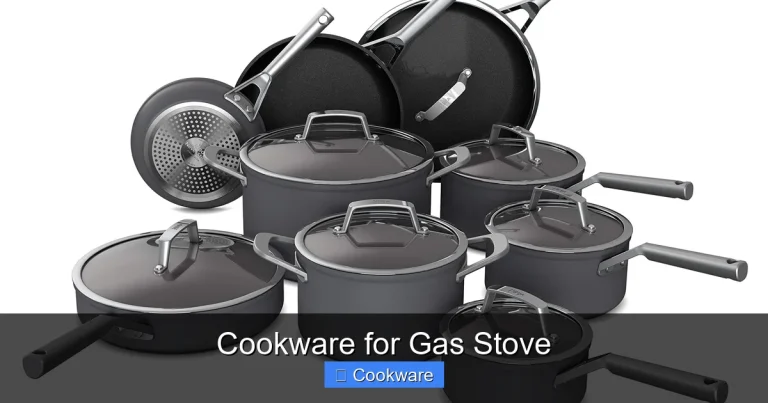
Visual guide about Non Stick Non Scratch Cookware
Image source: images.pexels.com
Ceramic Coatings
Ceramic-coated pans use a tough, non-toxic surface. They’re great for those avoiding synthetic chemicals. However, they require gentler care and aren’t as durable as some other options.
Teflon and PFOA-Free Alternatives
Modern non stick pans often use PFOA-free Teflon. These are safe when used correctly and offer excellent food release. Just avoid high heat and metal utensils to preserve the coating.
Hard-Anodized Aluminum
This material is incredibly durable and naturally resistant to scratches. When paired with a non-stick layer, it delivers both strength and performance. It heats quickly and evenly, making it a versatile choice.
Choosing the Right Set for Your Kitchen
With so many options, picking the right non stick non scratch cookware can feel overwhelming. Here’s how to narrow it down:
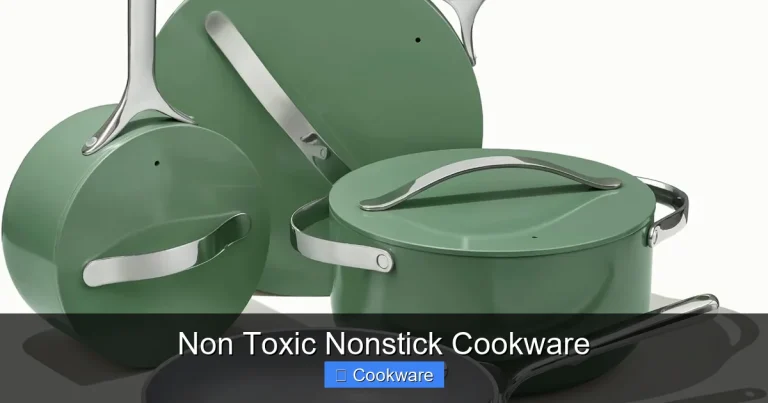
Visual guide about Non Stick Non Scratch Cookware
Image source: nurie-land.com
Consider Your Cooking Style
If you love searing steaks, look for pans designed for high heat. For delicate foods like eggs or fish, a lighter coating works better. Match your cookware to your most-used cooking techniques.
Check the Utensil Compatibility
Some pans tolerate wooden spoons, others need silicone tools. Read the label to ensure your usual kitchen tools won’t damage the surface. A good non stick pan that doesn’t scratch will clearly state what utensils are safe.
Look for Oven-Safe Options
Many sets include pans rated for oven use. This adds flexibility, letting you start dishes on the stove and finish in the oven. Confirm the maximum temperature before buying.
Maintaining Your Investment
Your new cookware can last years with proper care. Here’s how to keep it in top shape:
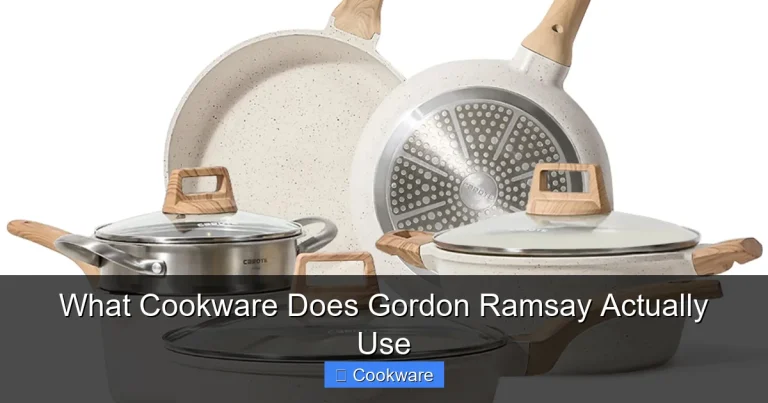
Visual guide about Non Stick Non Scratch Cookware
Image source: tblg.k-img.com
Daily Cleaning Tips
Hand wash with warm soapy water and a soft sponge. Avoid abrasive cleaners or steel wool. For stuck-on residue, let the pan soak before wiping clean. Eggs won’t stick if you preheat the pan and add oil or butter first.
Storage Solutions
Don’t stack pans directly on top of each other. Use pan protectors or store them separately to prevent accidental scratches. If space is tight, consider a hanging system or shelf liner to keep surfaces apart.
Avoid High Heat
Even premium non stick coatings degrade under extreme temperatures. Follow the manufacturer’s guidelines and use medium heat whenever possible. Never preheat an empty pan on high heat.
Common Mistakes to Avoid
Even the best non stick non scratch cookware can fail if mishandled. Here’s what to avoid:
Using Metal Utensils
Metal spoons and spatulas are the #1 cause of scratched surfaces. Switch to wooden, silicone, or nylon tools. They work just as well and protect your investment.
Ignoring Temperature Limits
High heat isn’t always better. It can warp pans and damage coatings. If a recipe calls for high heat, use the right pan material and monitor closely.
Overloading the Dishwasher
While many non stick pans are dishwasher safe, hand washing extends their life. If you must use the dishwasher, place the pan on the top rack and avoid overcrowding.
Final Thoughts: Is It Worth It?
Absolutely. Non stick non scratch cookware simplifies cooking, reduces cleanup time, and protects your kitchen tools. Whether you’re a busy parent, a meal prep enthusiast, or just tired of scrubbing burned-on food, this cookware pays for itself in convenience.
Investing in a quality set means fewer replacements and better meals. Look for reputable brands with warranties and clear care instructions. With the right set, your kitchen will feel fresh, functional, and frustration-free.
Frequently Asked Questions
Are non stick pans safe to use?
Yes, modern non stick pans are generally safe when used correctly. Avoid high heat and metal utensils to prevent coating degradation. Choose PFOA-free options for added peace of mind.
Can I use metal utensils on non stick cookware?
No, metal utensils will scratch the surface. Use wooden, silicone, or nylon tools instead to preserve the non stick and non scratch properties.
How do I clean non stick non scratch pans?
Hand wash with warm soapy water and a soft sponge. Avoid abrasive cleaners. For tough stains, let the pan soak before gently scrubbing.
What is the difference between non stick and scratch resistant coatings?
Non stick coatings prevent food from adhering, while scratch resistant coatings protect against physical damage. Many modern pans combine both features for optimal performance.
How long do non stick non scratch pans last?
With proper care, they can last 3-5 years. Avoid high heat, use gentle utensils, and hand wash when possible to extend their lifespan.
Are these pans suitable for all stove types?
Most non stick non scratch cookware works on gas, electric, and ceramic stoves. Check the label for induction compatibility, as some may require a magnetic base.