Utensils for Nonstick Cookware
Choosing the right utensils for nonstick cookware is essential to protect the delicate coating and extend the life of your pans. This guide walks you through the safest materials, essential tools, and easy maintenance tricks so you can cook confidently without scratches or wear.
Key Takeaways
- Material matters: Wood, silicone, and certain plastics are safest for nonstick surfaces.
- Shape and size count: Flat, thin spatulas glide easily, while sturdy tongs give you control.
- Avoid metal: Even stainless steel can damage the coating; reserve metal tools for stainless steel pans.
- Heat resistance: Look for utensils rated for at least 400°F (200°C) to prevent melting.
- Care is simple: Hand‑wash with mild soap and avoid abrasive scrubbers.
- Organize wisely: A drawer organizer keeps your nonstick‑friendly tools handy and protected.
- Upgrade wisely: Investing in a high‑quality set saves money and protects your cookware over time.
📑 Table of Contents
- Why the Right Utensils Matter for Nonstick Cookware
- Best Materials for Nonstick‑Friendly Utensils
- Essential Utensils for Every Nonstick Kitchen
- How to Choose the Right Utensil Set
- Maintenance Tips to Keep Your Nonstick Coating Intact
- Choosing Utensils for Specific Cooking Tasks
- Investing in Quality: Why It Pays Off
- Putting It All Together: A Sample Kitchen Setup
- Conclusion
Why the Right Utensils Matter for Nonstick Cookware
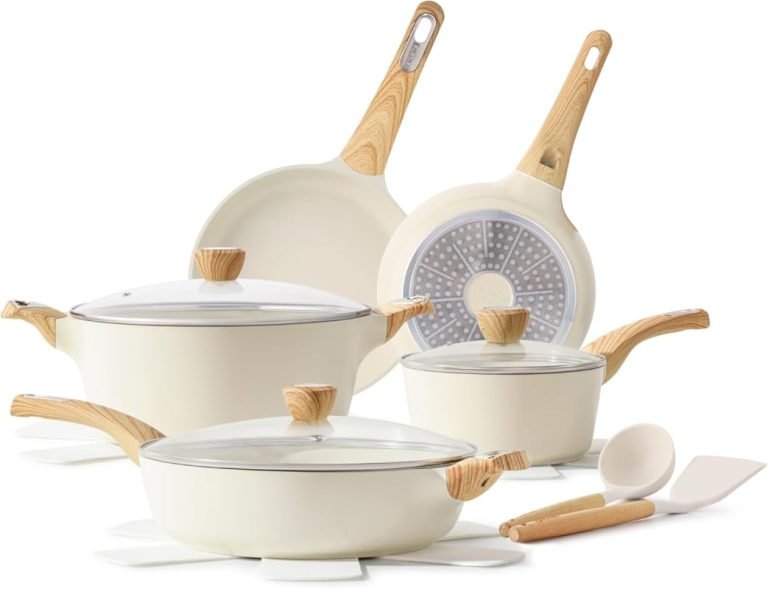
Nonstick pans have become kitchen staples because they require less oil and clean up quickly. However, the coating that makes them “nonstick” is also fragile. Scratches, chips, and premature wear often happen when the wrong utensil meets the surface. Using the proper utensils for nonstick cookware not only preserves the slick finish but also keeps your food tasting great and your pan lasting years.
Think of it like a shoe: you wouldn’t wear heavy boots on a delicate silk dress. The same principle applies to cooking tools. The right spatulas, spoons, and tongs act gently, letting the pan do its job without fighting the coating.
Best Materials for Nonstick‑Friendly Utensils
Wood
Classic wooden spoons and spatulas are a favorite for a reason. They’re naturally soft, heat‑resistant, and won’t scratch. Look for hardwoods like maple or beech, which resist warping better than soft pine.
Visual guide about Utensils for Nonstick Cookware
Image source: t4.ftcdn.net
Silicone
Silicone has become a kitchen hero. It can handle temperatures up to 450°F (232°C) and is completely non‑abrasive. Choose food‑grade silicone that’s BPA‑free for safety.
Plastic (High‑Density Polyethylene)
Not all plastics are created equal. High‑density polyethylene (HDPE) is sturdy, heat‑resistant, and gentle on coatings. Avoid cheap, low‑melting‑point plastics that can melt or leave residue.
What to Avoid
Metal tools, especially stainless steel, are fine for stainless steel pans but can gouge nonstick surfaces. Even “non‑scratch” metal can leave micro‑scratches that grow over time. Also, avoid wooden tools that have been soaked in water for long periods—they can swell and become rough.
Essential Utensils for Every Nonstick Kitchen
Spatulas
A thin, flexible silicone spatula slides under eggs or pancakes without tearing the coating. Look for a beveled edge for extra lift.
Visual guide about Utensils for Nonstick Cookware
Image source: 4.bp.blogspot.com
Turners
For flipping burgers or fish, a silicone or wood turner with a broad, flat surface distributes pressure evenly.
Tongs
Silicone‑tipped tongs give you a firm grip on vegetables or meat while protecting the pan’s interior.
Whisks
Ball‑handle silicone whisks stir sauces without scratching. If you prefer metal whisks, use them only in stainless steel pots, not on nonstick.
Scrapers
Soft silicone scrapers are perfect for lifting stuck‑on bits after a gentle soak. They’re also great for spreading batter.
How to Choose the Right Utensil Set
When shopping for a set, keep these criteria in mind:

Visual guide about Utensils for Nonstick Cookware
Image source: images.europeanwatch.com
- Heat rating: Minimum 400°F (200°C) for stovetop use.
- Length: Handles should be long enough to keep hands away from heat.
- Ergonomics: Comfortable grips reduce fatigue.
- Storage compatibility: A set that fits neatly in a drawer organizer helps keep tools clean and ready.
For ideas on organizing large utensils, check out our guide on the best kitchen drawer organizer for large utensils. A tidy drawer means you’ll always reach for the right tool instead of a metal spoon.
Maintenance Tips to Keep Your Nonstick Coating Intact
Gentle Cleaning
Always hand‑wash your pans with a soft sponge and mild dish soap. Avoid abrasive pads, steel wool, or harsh detergents that can wear down the coating.
Seasoning (When Needed)
Some newer nonstick pans benefit from a light rub of oil before the first use. This “seasoning” fills microscopic pores, creating a smoother surface.
Drying and Storage
After washing, dry the pan completely to prevent water spots. Store with a protective layer—like a paper towel or a silicone mat—between pans to avoid contact scratches.
Repair vs. Replace
If the coating starts to peel or shows deep scratches, it’s time to replace the pan. Continuing to cook on a damaged surface can release unwanted particles into food.
Choosing Utensils for Specific Cooking Tasks
Eggs and Pancakes
A thin silicone spatula with a flexible edge slides under delicate foods without breaking them.
Searing and Stir‑Frying
Silicone turners with a sturdy base allow you to toss ingredients quickly while keeping the pan’s surface safe.
Sauces and Gravies
A silicone whisk mixes without creating tiny scratches that could harbor bacteria.
Grilling Indoors
If you love a nonstick grill pan, use silicone tongs and a wide silicone spatula to flip veggies without dragging the coating.
Investing in Quality: Why It Pays Off
Cheap utensils may seem attractive, but they often warp, melt, or break, leading you to replace them—and potentially your cookware—more often. A mid‑range set of silicone and wood tools typically costs $30‑$60 and lasts years. Think of it as an insurance policy for your nonstick investment.
For a broader view on cookware compatibility, you might explore our list of the best non‑stick cookware for induction cooktops. Pairing the right pan with the right utensil set creates a seamless cooking experience.
Putting It All Together: A Sample Kitchen Setup
Imagine a weekend brunch: you’re flipping omelets, sautéing mushrooms, and whisking a quick hollandaise. Here’s how the ideal set of utensils for nonstick cookware works:
- Silicone egg turner: Slides under the omelet, lifts gently, and flips without tearing.
- Wooden spoon: Stirs the mushrooms, absorbing heat without warping.
- Silicone whisk: Whips the hollandaise, creating a smooth sauce without scratching.
- Silicone‑tipped tongs: Moves the finished omelet to the plate, keeping the pan pristine.
All tools are stored in a drawer organizer that keeps them separated, preventing accidental bumps.
Conclusion
Choosing the right utensils for nonstick cookware is a small step that makes a big difference. By selecting wood, silicone, or high‑density plastic tools, you protect the coating, extend the life of your pans, and enjoy hassle‑free cooking. Pair these tools with proper cleaning, smart storage, and occasional seasoning, and your nonstick kitchen will stay slick and reliable for years to come.
Frequently Asked Questions
Can I use metal utensils on nonstick pans?
It’s best to avoid metal on nonstick surfaces. Even stainless steel can cause micro‑scratches that degrade the coating over time.
What temperature should I avoid with silicone utensils?
Most silicone tools are safe up to 450°F (232°C). Exceeding this can cause the silicone to melt or warp.
Are wooden utensils safe for all types of nonstick pans?
Yes, solid hardwoods like maple or beech are safe. Just avoid using wet wood that may swell and become rough.
Do I need to season my nonstick pan?
Some newer nonstick pans benefit from a light coat of oil before first use. Check the manufacturer’s instructions for your specific pan.
How often should I replace my nonstick utensils?
When a utensil shows signs of wear—cracks, melting, or loss of flexibility—replace it to keep the pan protected.
Can I put silicone utensils in the dishwasher?
Most high‑quality silicone tools are dishwasher safe, but hand‑washing prolongs their life and prevents warping.