Cookware for High Heat Cooking
Cookware for high heat cooking requires materials designed to withstand intense temperatures without compromising performance or safety. From stainless steel and cast iron to specialized non-stick coatings, the right pots and pans ensure even heat distribution and longevity. Pair them with heat-resistant tools and proper techniques for optimal results.
Key Takeaways
- Material matters: Stainless steel, cast iron, and carbon steel excel in high heat without warping or leaching toxins.
- Non-stick isn’t universal: Look for PTFE-free coatings rated for 500°F+ to avoid chemical breakdown.
- Preheating prevents sticking: Warm your pan before adding ingredients to reduce food clinging and burning.
- Avoid sudden temperature shifts: Thermal shock can crack ceramic or glass cookware—let pots cool gradually.
- Safety gear is non-negotiable: Use heat-resistant gloves and arm sleeves to protect yourself when handling hot cookware.
📑 Table of Contents
Why High Heat Cookware Matters
Cooking at high temperatures isn’t just about searing steaks or achieving a perfect crust—it’s about using the right tools for the job. Whether you’re stir-frying on a searing hot wok or baking bread in a cast-iron Dutch oven, your cookware must handle the heat without warping, cracking, or releasing harmful chemicals. The wrong choice can lead to ruined meals, damaged kitchenware, or even safety hazards. That’s why investing in cookware designed for high heat is essential for both performance and peace of mind.
High heat cooking typically involves temperatures above 400°F (200°C), common in techniques like broiling, pan-searing, and deep frying. Materials like stainless steel and cast iron thrive here, while others, like standard non-stick coatings, may degrade or emit toxic fumes. Understanding which materials are safest and most effective ensures your cookware lasts longer and delivers consistent results. Plus, pairing your pots and pans with the right utensils and accessories—like heat-resistant gloves or a durable stovetop grate—adds another layer of protection and convenience.
Top Materials for High Heat Cooking
Stainless Steel: The Versatile Workhorse
Stainless steel is a go-to for high heat cooking due to its durability and resistance to corrosion. Look for grades like 304 or 316, which contain chromium and nickel to withstand intense temperatures up to 1,200°F (650°C). Brands like All-Clad and Cuisinart offer multi-ply stainless steel cookware with aluminum or copper cores for even heat distribution. Ideal for searing, boiling, and simmering, stainless steel also works well on induction stoves. Just remember to preheat the pan thoroughly to avoid sticking.
Visual guide about Cookware for High Heat Cooking
Image source: creativefabrica.com
Tip: Avoid overheating empty stainless steel pans, as this can cause discoloration or warping. Use medium-high heat for most tasks and let the pan reach temperature before adding food.
Cast Iron: The Heat Retention King
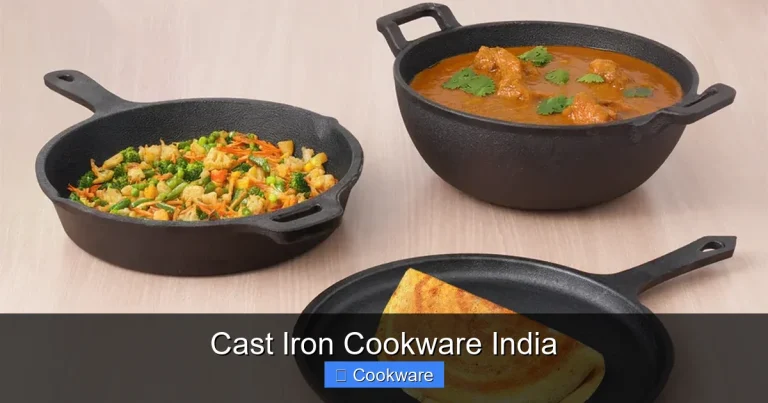
Cast iron’s ability to retain and evenly distribute heat makes it perfect for high-temperature cooking. Whether you’re making cornbread in a skillet or frying chicken, this material excels at maintaining consistent heat. However, it’s prone to rusting if not seasoned properly. Lodge and USA Pan are trusted brands for pre-seasoned cast iron cookware. While it’s heavy and requires hand-washing, its longevity and performance justify the effort.
Tip: Season your cast iron with vegetable oil before first use and after cleaning. Store it in a dry place to prevent moisture buildup.
Carbon Steel: The Lightweight Alternative
Carbon steel offers similar heat retention to cast iron but is lighter and easier to handle. Popular in woks and griddles, it’s ideal for stir-frying and searing. With proper seasoning, it develops a non-stick surface over time. Brands like Carbon Steel and Lodge sell pre-seasoned options that are ready to use. Note that carbon steel requires more maintenance than stainless steel and isn’t dishwasher-safe.
Tip: Avoid using acidic ingredients like tomatoes in unseasoned carbon steel, as they can strip the seasoning.
Ceramic and Glass: Heat-Resistant but Fragile
Ceramic and glass cookware can handle high heat, but they’re more fragile than metal options. Pyrex glass bowls are great for oven-to-table serving, while ceramic baking dishes excel at even heat distribution. However, sudden temperature changes can cause thermal shock, leading to cracks. Use caution when moving ceramic or glass from the oven to a cold surface.
Tip: Place ceramic or glass cookware on a heat-resistant surface, like a trivet, to prevent direct contact with countertops.
Non-Stick Coatings: Use with Caution
Modern non-stick cookware often boasts high heat resistance, but not all coatings are created equal. Traditional PTFE (Teflon) breaks down at temperatures above 500°F (260°C), releasing toxic fumes. Instead, opt for ceramic-based non-stick coatings or reinforced PTFE with ceramic layers, like those from GreenLife or ScanPan. These are safer for high-heat applications and easier to clean.
Tip: Use wooden or silicone utensils to avoid scratching non-stick surfaces, which can shorten their lifespan.
Essential Features of High Heat Cookware
Thermal Shock Resistance
Thermal shock occurs when cookware experiences rapid temperature changes, causing expansion or contraction that can lead to cracks. Materials like cast iron and stainless steel handle this better than glass or ceramic. Always preheat or cool your cookware gradually to minimize stress.
Example: When baking in a cast-iron Dutch oven, let it sit on the counter for 10 minutes before placing it in a preheated oven.
Heat-Resistant Handles
Handles that can’t withstand high temperatures are a safety hazard. Look for ovens mitts with silicone or Bakelite coatings that stay cool to the touch, even when the pan is scorching. Brands like OXO and Joseph Joseph offer ergonomic, heat-resistant handles for added safety.
Example: The Lodge Pre-Seasoned Cast Iron Dutch Oven comes with a sturdy, heat-resistant handle for easy oven-to-table serving.
Durability and Longevity
Investing in high-quality cookware means it should last for years, even with frequent high-heat use. Avoid thin or flimsy materials that warp or dent easily. Instead, choose thick-gauge stainless steel or enameled cast iron for long-term reliability.
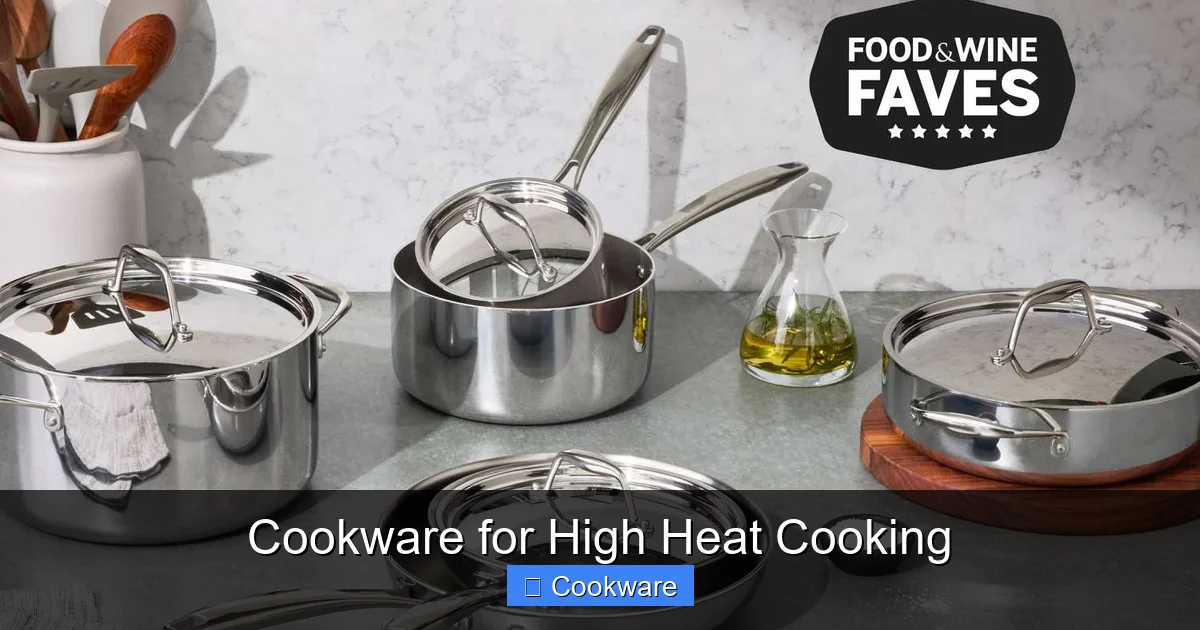
Example: The All-Clad D3 Stainless Steel Cookware Set features triple-ply construction for even heating and durability.
Top Brands for High Heat Cookware
When selecting cookware for high heat, prioritize brands known for quality and innovation. Here are some top picks:
Visual guide about Cookware for High Heat Cooking
Image source: foodandwine.com
- All-Clad: Renowned for premium stainless steel cookware with excellent heat conductivity.
- Lodge: Offers affordable, pre-seasoned cast iron skillets and Dutch ovens.
- GreenLife: Specializes in ceramic non-stick cookware safe for high heat.
- ScanPan: Combines ceramic non-stick coatings with stainless steel interiors for durability.
These brands are widely available at retailers like Amazon, Williams Sonoma, and Bed Bath & Beyond. Always check product specifications to ensure the cookware meets your heat requirements.
Tips for Maintaining High Heat Cookware
Proper care extends the life of your cookware and keeps it performing at its best:
- Hand wash only: Dishwashers can damage non-stick coatings and seasoning.
- Dry thoroughly: Moisture can cause rust in cast iron or corrosion in stainless steel.
- Avoid metal utensils: They can scratch surfaces, especially non-stick coatings.
- Store properly: Stack pots with a protective layer between them to prevent scratches.
Example: After washing your stainless steel pans, dry them immediately with a clean towel to prevent water spots and mineral buildup.
FAQs
What’s the best material for high heat cooking?
Stainless steel and cast iron are top choices due to their durability and heat resistance. Ceramic non-stick coatings are also safe if labeled for high temperatures.
Can I use non-stick cookware on high heat?
Only if it’s specifically designed for high heat (above 500°F). Avoid traditional PTFE coatings, which can release toxic fumes at extreme temperatures.
How do I prevent my cast iron from rusting?
Season it regularly with oil and dry it thoroughly after use. Store it in a dry place to avoid moisture buildup.
Is carbon steel better than cast iron for high heat?
Carbon steel is lighter and heats up faster, but cast iron retains heat longer. Both are excellent, but carbon steel requires more maintenance.
What’s the safest non-stick option for high heat?
Ceramic non-stick coatings, like those from ScanPan or GreenLife, are safer than traditional PTFE. They’re PTFE-free and PFOA-free, making them eco-friendly and healthier.
How do I know if my cookware is heat-resistant?
Check the manufacturer’s specifications for temperature limits. Look for labels like “oven-safe to 500°F” or “induction-compatible.”
“`
Frequently Asked Questions
What is Cookware For High Heat Cooking?
Cookware For High Heat Cooking is an important topic with many practical applications.