How to Cook a Small Roast in the Oven
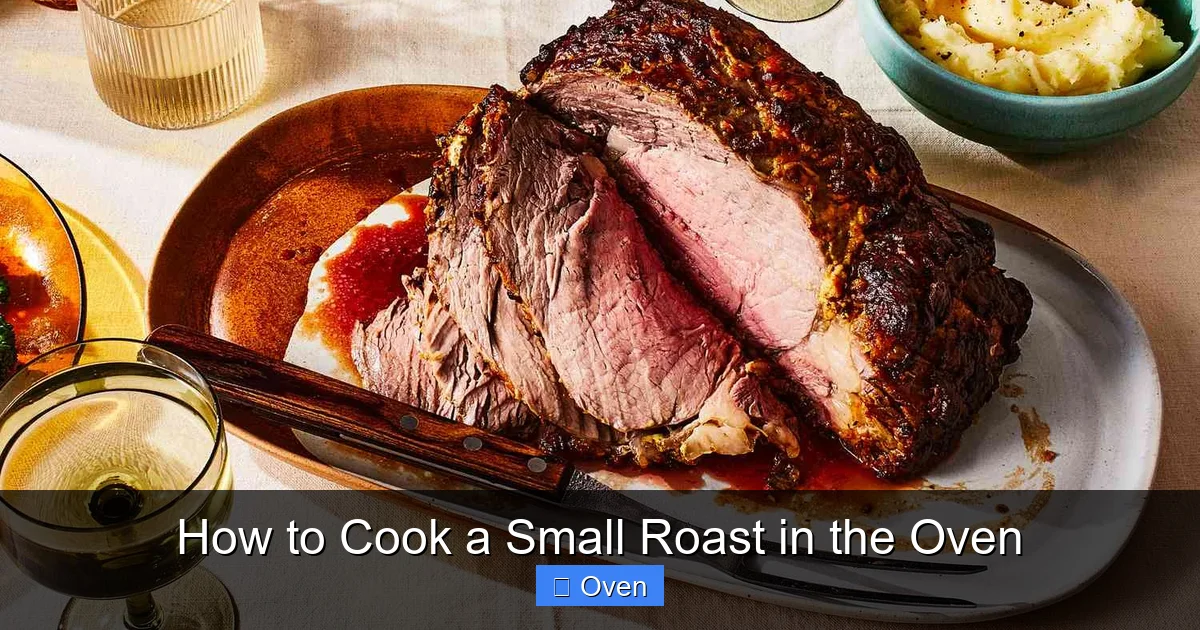
Small roasts are perfect for family dinners or meal prep, offering a tender and flavorful meal without the hassle of a large cut. This guide walks you through every step, from choosing the right cut to letting it rest for the best results. Get ready to impress with minimal effort and maximum flavor!
Key Takeaways
- Choose the Right Cut: Select smaller roasts like chuck eye or sirloin tip for even cooking and rich flavor.
- Prep Is Key: Pat the roast dry, trim excess fat, and let it come to room temperature before cooking.
- Season Generously: Use a mix of salt, pepper, and herbs to enhance the natural taste of the meat.
- Monitor Temperature: Use a meat thermometer to ensure the roast reaches the ideal internal temperature.
- Let It Rest: Allow the roast to rest for 10-15 minutes to lock in juices and tenderize the meat.
- Slice Against the Grain: Cut the roast into thin slices for a more tender and appealing presentation.
- Pair With Sides: Serve with roasted vegetables or mashed potatoes for a complete and satisfying meal.
📑 Table of Contents
Introduction: Why a Small Roast in the Oven Is Your New Go-To Meal
There’s something undeniably satisfying about a perfectly cooked roast. But if you’re like many home cooks, the idea of tackling a massive prime rib or a huge chuck roast can feel overwhelming. That’s where small roasts shine. These versatile cuts are easier to handle, cook faster, and still deliver all the flavor and comfort you crave. Whether you’re cooking for two or just want a stress-free weeknight dinner, learning how to cook a small roast in the oven is a game-changer.
Small roasts come in various cuts, from chuck eye to sirloin tip, each offering its own unique texture and taste. The key is understanding how to prepare, season, and cook them to perfection. Unlike their larger counterparts, small roasts don’t need hours in the oven. With the right technique, you can have a mouthwatering meal on the table in under an hour. Plus, they’re incredibly forgiving, making them ideal for busy cooks who want to create something special without the fuss.
This guide will walk you through everything you need to know, from selecting the best cut to slicing and serving. By the end, you’ll have the confidence and skills to make a small roast in the oven that’s juicy, flavorful, and absolutely delicious every single time.
Choosing the Right Small Roast Cut
Not all roasts are created equal, and picking the right cut is crucial for success. Small roasts typically range from 2 to 4 pounds, making them perfect for family meals or meal prep. Here are some of the best options to consider:
Chuck Eye Roast
Also known as the “little brother” of prime rib, chuck eye roast is tender, juicy, and full of flavor. It’s part of the chuck primal, which means it has plenty of marbling to keep it moist during cooking. This cut is ideal for those who love a classic roast beef with a rich, buttery texture.
Sirloin Tip Roast
Sirloin tip, sometimes called bottom sirloin, is another excellent choice. It’s slightly leaner than chuck eye but still delivers great taste. This cut is perfect for those who prefer a leaner roast and are careful about not overcooking. It’s also budget-friendly, making it a great option for everyday meals.
Round Tip Roast
If you’re looking for a leaner option, round tip roast is worth considering. It’s part of the round primal and is very lean, so it requires a bit more attention to cooking time to avoid drying out. However, when cooked properly, it offers a firm, sliceable texture that’s great for sandwiches or salads.
Bottom Round Roast
Bottom round is another lean cut that benefits from slow cooking or marinating. While it may not be as tender as chuck eye, it’s a great choice for those who want a flavorful, affordable roast. Marinating it beforehand can help tenderize the meat and add extra flavor.
Preparing Your Small Roast for the Oven
Preparation is half the battle when it comes to cooking a small roast. Taking the time to properly prep your roast will ensure even cooking and a better final result. Here’s how to get started:
Remove the Roast from the Refrigerator
Take the roast out of the fridge at least 30 minutes before cooking. This allows it to come to room temperature, which helps it cook more evenly. Cold meat cooks unevenly, with the outside heating up faster than the inside, leading to overcooked edges and undercooked centers.
Pat the Roast Dry
Use paper towels to thoroughly dry the surface of the roast. Moisture can steam instead of sear, preventing that beautiful browning we all love. A dry surface also helps seasonings adhere better, ensuring every bite is flavorful.
Trim Excess Fat
While some fat is essential for flavor and moisture, too much can leave your roast greasy. Trim away any thick pieces of fat cap, leaving a thin layer to baste the meat as it cooks. This step is especially important for leaner cuts like bottom round.
Score the Surface (Optional)
If your roast has a thick fat cap, consider scoring it with a sharp knife in a crosshatch pattern. This helps the fat render more evenly and allows seasonings to penetrate deeper into the meat. Just be careful not to cut into the meat itself.
Seasoning and Flavoring Your Small Roast
Seasoning is where you can really get creative with your small roast. While salt and pepper are classics, there are countless ways to add flavor. The key is to balance the seasonings so they enhance, not overpower, the natural taste of the meat.
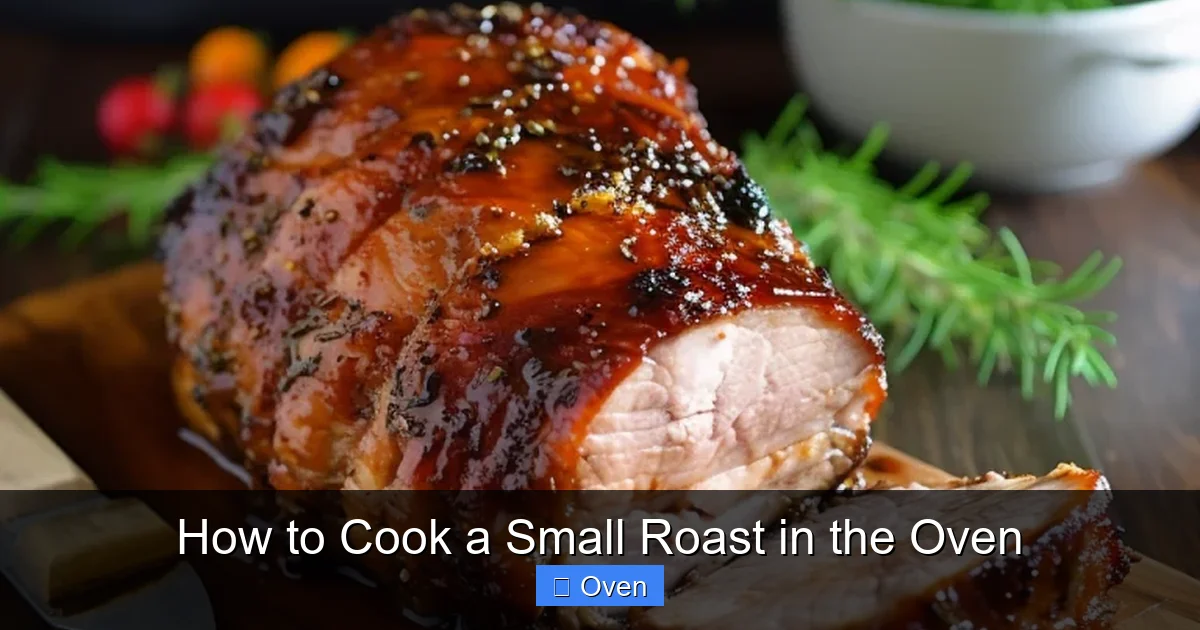
Visual guide about How to Cook a Small Roast in the Oven
Image source: recipes.net
Simple Salt and Pepper Method
For a classic approach, generously season the roast with kosher salt and freshly ground black pepper. This simple combination allows the quality of the meat to shine. Don’t be shy with the salt— it’s essential for drawing out moisture and creating a nice crust.
Herb and Garlic Rub
Create a flavorful rub by mixing together olive oil, minced garlic, dried rosemary, thyme, and a pinch of red pepper flakes. Rub this mixture all over the roast, making sure to get it into any scores you’ve made. Let it sit for 15-30 minutes to allow the flavors to penetrate.
Marinating for Extra Flavor
If you have time, marinating your roast can add depth of flavor. A simple marinade of olive oil, lemon juice, garlic, and herbs works well. Place the roast in a zip-top bag or shallow dish, pour in the marinade, and refrigerate for at least 2 hours or overnight. Just remember to pat the roast dry before cooking to remove excess moisture.
Cooking Your Small Roast to Perfection
Now comes the fun part—actually cooking your small roast. The method you choose will depend on your desired outcome, but here are the most common approaches:
Preheating the Oven
Preheat your oven to 325°F (165°C). This temperature is ideal for even cooking without burning the outside before the inside is done. While the oven heats, you can prepare your roasting pan. A roasting pan with a rack is best, as it allows air to circulate around the roast for even cooking.
Roasting Methods
You can roast your small roast uncovered or covered. Uncovered roasting allows for browning and a nice crust, while covered roasting keeps it moist. For a small roast, uncovered is usually fine, but if you’re concerned about drying, cover it loosely with foil for the first part of cooking, then remove it for the final browning.
Using a Meat Thermometer
Invest in a good meat thermometer to ensure your roast is cooked to perfection. For medium-rare, aim for an internal temperature of 135°F (57°C), while well-done should reach 160°F (71°C). Insert the thermometer into the thickest part of the roast, being sure not to touch the bone or fat.
Cooking Time Guidelines
Small roasts typically take 1.5 to 2 hours to cook, depending on size and desired doneness. As a general rule, plan for about 20-25 minutes per pound at 325°F. However, always rely on temperature rather than time for the most accurate results.
Resting and Slicing Your Small Roast
Once your roast reaches the desired temperature, it’s time to let it rest. This step is crucial and often overlooked, but it makes a big difference in the final result. Here’s what to do:
Let It Rest
Transfer the roast to a cutting board and tent it loosely with foil. Let it rest for 10-15 minutes. During this time, the juices will redistribute throughout the meat, making it more tender and flavorful. If you cut into it too soon, those precious juices will run out, leaving your roast dry.
Slice Against the Grain
Identify the direction of the muscle fibers and slice perpendicular to them. This makes the meat easier to chew and more tender. Thick slices are great for sandwiches, while thin slices work well for salads or plated dishes.
Serve Immediately
After resting and slicing, serve your roast right away. Small roasts don’t hold heat well, so they’re best enjoyed fresh out of the oven. Pair with your favorite sides for a complete meal.
Serving Suggestions and Side Dishes
Your small roast is only as good as its accompaniments. Here are some ideas to round out your meal:
Roasted Vegetables
Roast some carrots, parsnips, and potatoes alongside your roast for a one-pan meal. Toss them with olive oil, salt, and herbs, and add them to the pan during the last 45 minutes of cooking. They’ll soak up the flavorful drippings and make a perfect side.
Mashed Potatoes
Creamy mashed potatoes are a classic pairing with roast beef. They’re easy to make and provide a comforting contrast to the savory meat. For an extra touch, mix in some sour cream and butter for a rich, velvety texture.
Gravy from Pan Drippings
Don’t throw away those flavorful drippings! Make a simple gravy by whisking flour into the pan juices, then gradually adding beef broth. Bring it to a boil and let it thicken. This adds an extra layer of flavor to your dish.
Salad or Steamed Vegetables
For a lighter option, serve your roast with a fresh green salad or steamed broccoli. These lighter sides help balance the richness of the meat and add color to your plate.
Frequently Asked Questions
What is the best temperature to cook a small roast in the oven?
The ideal temperature for cooking a small roast is 325°F (165°C). This temperature ensures even cooking without burning the exterior before the interior is done. It also allows for good browning while keeping the meat moist and tender.
How long does it take to cook a small roast in the oven?
Small roasts typically take 1.5 to 2 hours to cook, depending on size and desired doneness. As a general rule, plan for about 20-25 minutes per pound at 325°F. However, always rely on a meat thermometer for the most accurate results.
Should I cover a small roast while cooking?
For small roasts, it’s best to cook them uncovered to allow for proper browning and a nice crust. If you’re concerned about the roast drying out, you can loosely tent it with foil for the first part of cooking, then remove it for the final browning stage.
How do I know when my small roast is done?
The best way to determine doneness is by using a meat thermometer. For medium-rare, the internal temperature should reach 135°F (57°C), while well-done should reach 160°F (71°C). Insert the thermometer into the thickest part of the roast, avoiding bone or fat.
Do I need to rest a small roast after cooking?
Yes, resting is essential for a small roast. Let it rest for 10-15 minutes before slicing. This allows the juices to redistribute throughout the meat, resulting in a more tender and flavorful final product. Skipping this step can lead to dry, less juicy meat.
What should I serve with a small roast?
Small roasts pair well with a variety of sides. Classic options include roasted vegetables, mashed potatoes, and gravy. For a lighter meal, consider a fresh salad or steamed vegetables. Don’t forget to use the flavorful pan drippings to make a simple gravy for an extra touch.