How to Broil Filet Mignon in the Oven
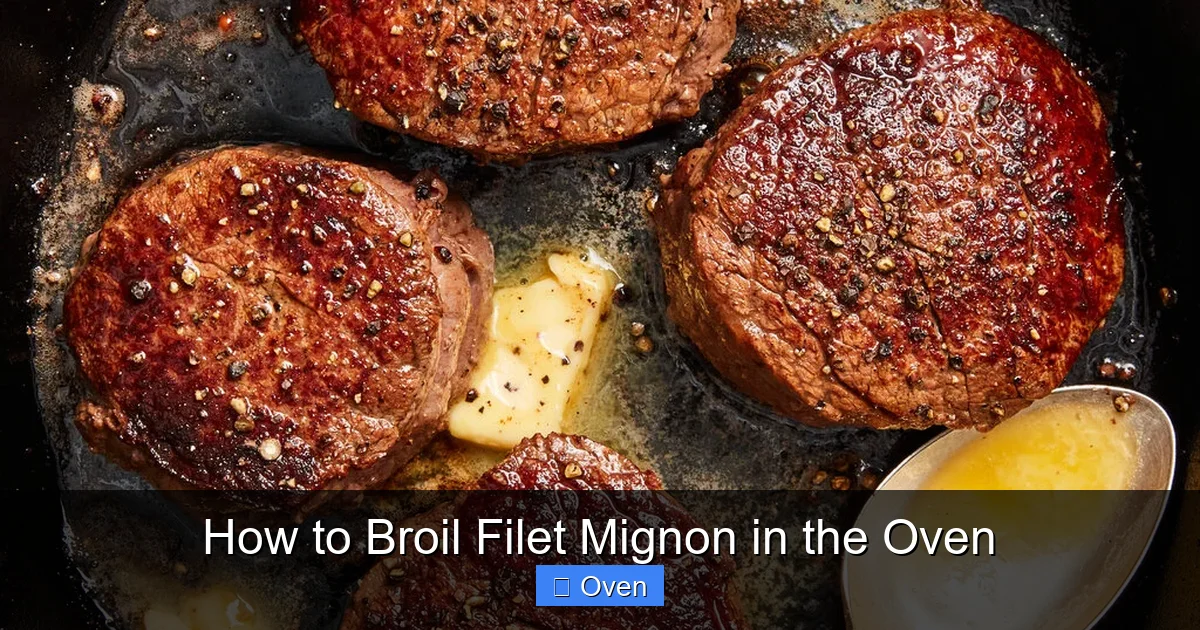
Broiling filet mignon is a quick and effective way to cook this premium cut. By preheating your oven to high heat and following simple steps, you can achieve a perfectly cooked steak with a caramelized crust. Remember to let the steak rest after cooking to lock in juices.
Key Takeaways
- Preheat the Broiler: Ensure the oven is fully preheated to the highest setting for even cooking.
- Room Temperature Steak: Let the steak sit out for 30 minutes to ensure even cooking.
- Use a Heavy Pan: A cast-iron or stainless-steel pan works best for even heat distribution.
- Cook Time: Typically 5-7 minutes per side for a 1-inch thick steak.
- Check for Doneness: Use a meat thermometer to reach 130-135°F for medium-rare.
- Rest the Steak: Allow 5-10 minutes of rest time before slicing to retain juices.
- Slice Against the Grain: This tenderizes the meat and makes it easier to chew.
📑 Table of Contents
Introduction: Why Broil Filet Mignon?
There’s a reason filet mignon is often called the “king of steaks.” This premium cut from the tenderloin is incredibly soft and buttery, making it a favorite for special occasions. But cooking it perfectly can feel intimidating. That’s where broiling comes in. It’s a quick, hands-off method that delivers a beautiful sear and a juicy interior every time. Whether you’re a weeknight cook or a weekend chef, learning how to broil filet mignon in the oven is a game-changer.
Preparation: Setting Up for Success
Bring the Steak to Room Temperature
One of the most important steps is letting your filet mignon sit at room temperature for about 30 minutes before cooking. This ensures the steak cooks evenly. Cold steak can lead to uneven doneness, with a raw center and overcooked edges. If you’re short on time, you can speed this up by placing the steak in a warm oven for a few minutes.
Seasoning the Steak
Simplicity is key with filet mignon. A generous pinch of salt and freshly ground black pepper is all you need. Some people like to add garlic powder or onion powder for extra flavor, but the steak’s natural taste should shine. Avoid marinating, as it can make the meat too soft. After seasoning, let the steak sit for a few minutes to allow the salt to draw out some moisture, which will help create a better crust.
Preheating the Oven for Perfect Results
Setting the Broiler to High Heat
Preheat your oven on broil setting at the highest temperature. Most ovens have a “HI” or “HI/LO” setting. The goal is to get the oven as hot as possible. This intense heat is what creates that beautiful, caramelized crust on the steak. While the oven is preheating, position the top rack about 6 inches from the broiler element. This ensures the steak gets direct heat without burning.
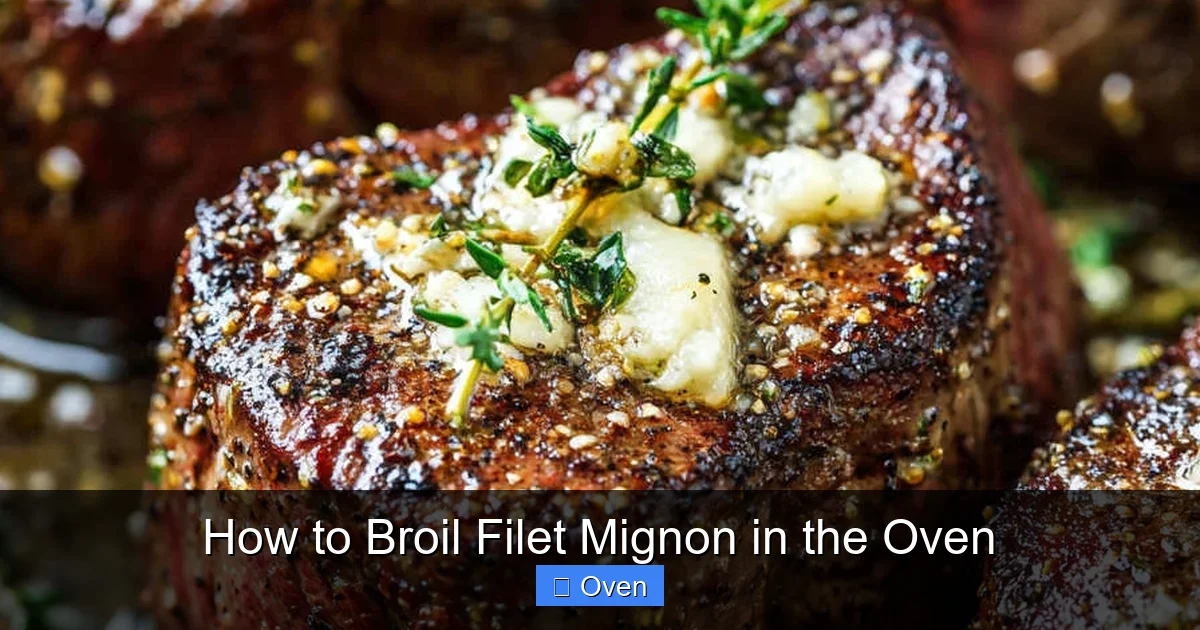
Visual guide about How to Broil Filet Mignon in the Oven
Image source: ichisushi.com
Choosing the Right Pan
Use a heavy, oven-safe pan. Cast iron is ideal because it retains and distributes heat evenly. A stainless-steel pan with a thick base also works well. Avoid thin pans that can warp under high heat. Line the pan with aluminum foil for easy cleanup, but make sure the foil is heavy-duty to prevent tearing under the broiler.
Cooking Process: Step-by-Step Instructions
Positioning the Steak in the Oven
Once the oven is preheated, place the seasoned steak in the prepared pan. Make sure the steak is spaced out to allow heat to circulate. If you’re cooking multiple steaks, don’t overcrowd the pan. This can lead to steaming instead of broiling, which isn’t what we want.
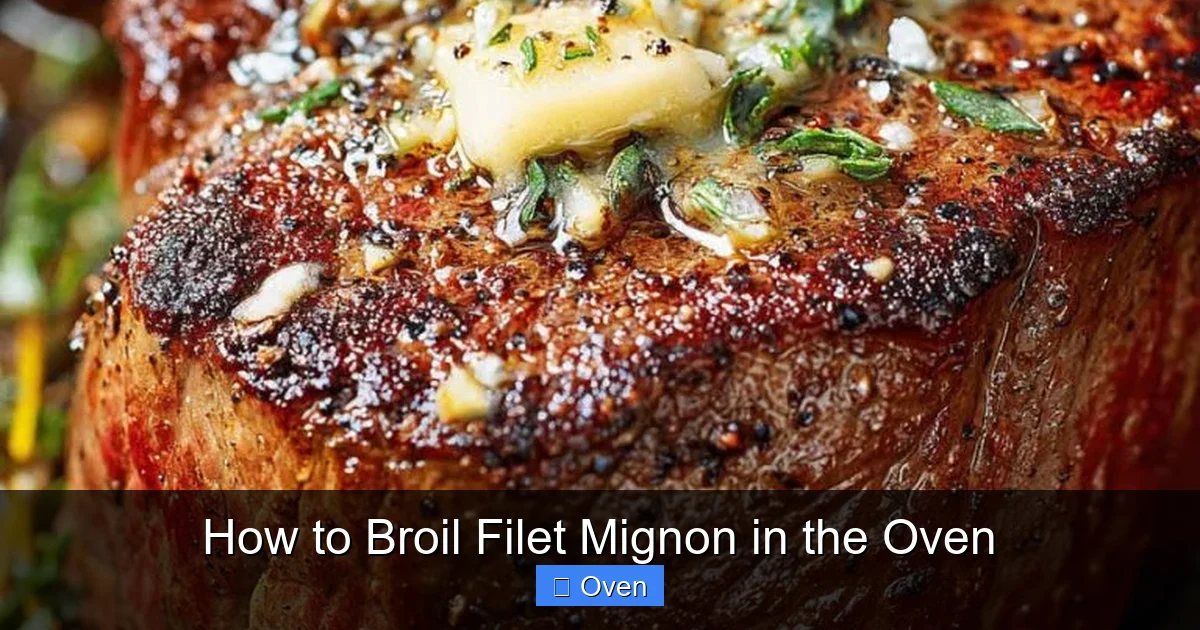
Visual guide about How to Broil Filet Mignon in the Oven
Image source: ichisushi.com
Timing the Cooking Process
Broil the steak for about 5-7 minutes on the first side. The exact time depends on the thickness of the steak and your desired doneness. For a 1-inch thick steak, 5-7 minutes per side is a good starting point. Thicker steaks may need an extra minute or two. Keep an eye on the steak, as the broiler can go from perfect to overcooked quickly.
Checking for Doneness: How to Tell When It’s Done
Using a Meat Thermometer
The most reliable way to check doneness is with a meat thermometer. Insert the probe into the thickest part of the steak. For medium-rare, the internal temperature should reach 130-135°F. Well-done steak will be around 160°F. If you don’t have a thermometer, you can check the texture. Medium-rare steaks will feel firm but still have some give when pressed.
Visual Cues
Look for a rich, brown crust on the surface. The juices should be pinkish-red for medium-rare. If the juices run clear, the steak is likely well-done. Remember that the steak will continue to cook a bit after being removed from the oven, so it’s okay if it’s slightly underdone when you take it out.
Resting the Steak: The Final Step for Juicy Results
Why Resting is Crucial
After removing the steak from the oven, let it rest for 5-10 minutes. This allows the juices to redistribute throughout the meat. If you cut into the steak too soon, the juices will spill out, leaving the meat dry. During this time, you can prepare any sides or make a quick pan sauce using the leftover juices in the pan.
Keeping the Steak Warm
To keep the steak warm while resting, tent it loosely with foil. Don’t seal it completely, as this can make the crust soggy. If you’re preparing multiple steaks, you can keep them warm in a low oven (around 200°F) while the first batch rests.
Serving Tips and Pairings
Slicing Against the Grain
When it’s time to serve, slice the steak against the grain. This means cutting perpendicular to the muscle fibers. This technique shortens the fibers, making the steak easier to chew and more tender. Arrange the slices on a plate with a sprinkle of fresh herbs like parsley or thyme for a pop of color.
Perfect Side Dishes
Filet mignon pairs beautifully with classic sides. Consider a simple arugula salad with a lemon vinaigrette, roasted garlic mashed potatoes, or a side of grilled asparagus. For something indulgent, try a compound butter that melts over the hot steak. If you’re interested in other oven-cooked proteins, check out our guide on how to cook a sirloin steak in the oven for more inspiration.
Frequently Asked Questions
How long do I broil filet mignon?
For a 1-inch thick filet mignon, broil for about 5-7 minutes per side. Thicker steaks may need an extra minute or two. Always check the internal temperature to ensure it reaches your desired doneness.
Can I marinate filet mignon before broiling?
While marinating can add flavor, it’s not necessary for filet mignon. The steak’s natural tenderness means it doesn’t need acid to break down fibers. A simple seasoning of salt and pepper is usually sufficient.
How do I know when filet mignon is done?
Use a meat thermometer to check the internal temperature. For medium-rare, aim for 130-135°F. The juices should be pinkish-red, and the steak will feel firm but still have some give when pressed.
What temperature should I set the broiler to?
Set your oven to the highest broil setting. Most ovens have a “HI” or “HI/LO” option. The intense heat is crucial for creating a caramelized crust on the steak.
Do I need to let the steak rest after broiling?
Yes, always let the steak rest for 5-10 minutes after cooking. This allows the juices to redistribute, making the steak more tender and juicy. Tent it loosely with foil to keep it warm.
Can I use a different cut of steak for this method?
Yes, you can use other cuts like ribeye or sirloin. However, adjust the cooking time based on thickness. Thicker cuts will need more time, while thinner steaks may cook faster. Check out our guide on cooking steak medallions in the oven for more tips.
=== META DESCRIPTION ===Learn the perfect method for how to broil filet mignon in the oven. Achieve a juicy, tender steak with our simple step-by-step guide.
=== QUICK SUMMARY ===
Broiling filet mignon is a quick and effective way to cook this premium cut. By preheating your oven to high heat and following simple steps, you can achieve a perfectly cooked steak with a caramelized crust. Remember to let the steak rest after cooking to lock in juices.
=== KEY TAKEAWAYS ===
Key Takeaways
- Preheat the Broiler: Ensure the oven is fully preheated to the highest setting for even cooking.
- Room Temperature Steak: Let the steak sit out for 30 minutes to ensure even cooking.
- Use a Heavy Pan: A cast-iron or stainless-steel pan works best for even heat distribution.
- Cook Time: Typically 5-7 minutes per side for a 1-inch thick steak.
- Check for Doneness: Use a meat thermometer to reach 130-135°F for medium-rare.
- Rest the Steak: Allow 5-10 minutes of rest time before slicing to retain juices.
- Slice Against the Grain: This tenderizes the meat and makes it easier to chew.
=== MAIN CONTENT ===
[FEATURED_IMAGE_PLACEHOLDER]
Introduction: Why Broil Filet Mignon?
There’s a reason filet mignon is often called the “king of steaks.” This premium cut from the tenderloin is incredibly soft and buttery, making it a favorite for special occasions. But cooking it perfectly can feel intimidating. That’s where broiling comes in. It’s a quick, hands-off method that delivers a beautiful sear and a juicy interior every time. Whether you’re a weeknight cook or a weekend chef, learning how to broil filet mignon in the oven is a game-changer.
Preparation: Setting Up for Success
Bring the Steak to Room Temperature
One of the most important steps is letting your filet mignon sit at room temperature for about 30 minutes before cooking. This ensures the steak cooks evenly. Cold steak can lead to uneven doneness, with a raw center and overcooked edges. If you’re short on time, you can speed this up by placing the steak in a warm oven for a few minutes.
Seasoning the Steak
Simplicity is key with filet mignon. A generous pinch of salt and freshly ground black pepper is all you need. Some people like to add garlic powder or onion powder for extra flavor, but the steak’s natural taste should shine. Avoid marinating, as it can make the meat too soft. After seasoning, let the steak sit for a few minutes to allow the salt to draw out some moisture, which will help create a better crust.
Preheating the Oven for Perfect Results
Setting the Broiler to High Heat
Preheat your oven on broil setting at the highest temperature. Most ovens have a “HI” or “HI/LO” setting. The goal is to get the oven as hot as possible. This intense heat is what creates that beautiful, caramelized crust on the steak. While the oven is preheating, position the top rack about 6 inches from the broiler element. This ensures the steak gets direct heat without burning.
Choosing the Right Pan
Use a heavy, oven-safe pan. Cast iron is ideal because it retains and distributes heat evenly. A stainless-steel pan with a thick base also works well. Avoid thin pans that can warp under high heat. Line the pan with aluminum foil for easy cleanup, but make sure the foil is heavy-duty to prevent tearing under the broiler.
Cooking Process: Step-by-Step Instructions
Positioning the Steak in the Oven
Once the oven is preheated, place the seasoned steak in the prepared pan. Make sure the steak is spaced out to allow heat to circulate. If you’re cooking multiple steaks, don’t overcrowd the pan. This can lead to steaming instead of broiling, which isn’t what we want.
Timing the Cooking Process
Broil the steak for about 5-7 minutes on the first side. The exact time depends on the thickness of the steak and your desired doneness. For a 1-inch thick steak, 5-7 minutes per side is a good starting point. Thicker steaks may need an extra minute or two. Keep an eye on the steak, as the broiler can go from perfect to overcooked quickly.
Checking for Doneness: How to Tell When It’s Done
Using a Meat Thermometer
The most reliable way to check doneness is with a meat thermometer. Insert the probe into the thickest part of the steak. For medium-rare, the internal temperature should reach 130-135°F. Well-done steak will be around 160°F. If you don’t have a thermometer, you can check the texture. Medium-rare steaks will feel firm but still have some give when pressed.
Visual Cues
Look for a rich, brown crust on the surface. The juices should be pinkish-red for medium-rare. If the juices run clear, the steak is likely well-done. Remember that the steak will continue to cook a bit after being removed from the oven, so it’s okay if it’s slightly underdone when you take it out.
Resting the Steak: The Final Step for Juicy Results
Why Resting is Crucial
After removing the steak from the oven, let it rest for 5-10 minutes. This allows the juices to redistribute throughout the meat. If you cut into the steak too soon, the juices will spill out, leaving the meat dry. During this time, you can prepare any sides or make a quick pan sauce using the leftover juices in the pan.
Keeping the Steak Warm
To keep the steak warm while resting, tent it loosely with foil. Don’t seal it completely, as this can make the crust soggy. If you’re preparing multiple steaks, you can keep them warm in a low oven (around 200°F) while the first batch rests.
Serving Tips and Pairings
Slicing Against the Grain
When it’s time to serve, slice the steak against the grain. This means cutting perpendicular to the muscle fibers. This technique shortens the fibers, making the steak easier to chew and more tender. Arrange the slices on a plate with a sprinkle of fresh herbs like parsley or thyme for a pop of color.
Perfect Side Dishes
Filet mignon pairs beautifully with classic sides. Consider a simple arugula salad with a lemon vinaigrette, roasted garlic mashed potatoes, or a side of grilled asparagus. For something indulgent, try a compound butter that melts over the hot steak. If you’re interested in other oven-cooked proteins, check out our guide on how to cook a sirloin steak in the oven for more inspiration.
=== FAQS ===
How long do I broil filet mignon?
For a 1-inch thick filet mignon, broil for about 5-7 minutes per side. Thicker steaks may need an extra minute or two. Always check the internal temperature to ensure it reaches your desired doneness.
Can I marinate filet mignon before broiling?
While marinating can add flavor, it’s not necessary for filet mignon. The steak’s natural tenderness means it doesn’t need acid to break down fibers. A simple seasoning of salt and pepper is usually sufficient.
How do I know when filet mignon is done?
Use a meat thermometer to check the internal temperature. For medium-rare, aim for 130-135°F. The juices should be pinkish-red, and the steak will feel firm but still have some give when pressed.
What temperature should I set the broiler to?
Set your oven to the highest broil setting. Most ovens have a “HI” or “HI/LO” option. The intense heat is crucial for creating a caramelized crust on the steak.
Do I need to let the steak rest after broiling?
Yes, always let the steak rest for 5-10 minutes after cooking. This allows the juices to redistribute, making the steak more tender and juicy. Tent it loosely with foil to keep it warm.
Can I use a different cut of steak for this method?
Yes, you can use other cuts like ribeye or sirloin. However, adjust the cooking time based on thickness. Thicker cuts will need more time, while thinner steaks may cook faster. Check out our guide on cooking steak medallions in the oven for more tips.