How to Cook Sea Scallops in the Oven
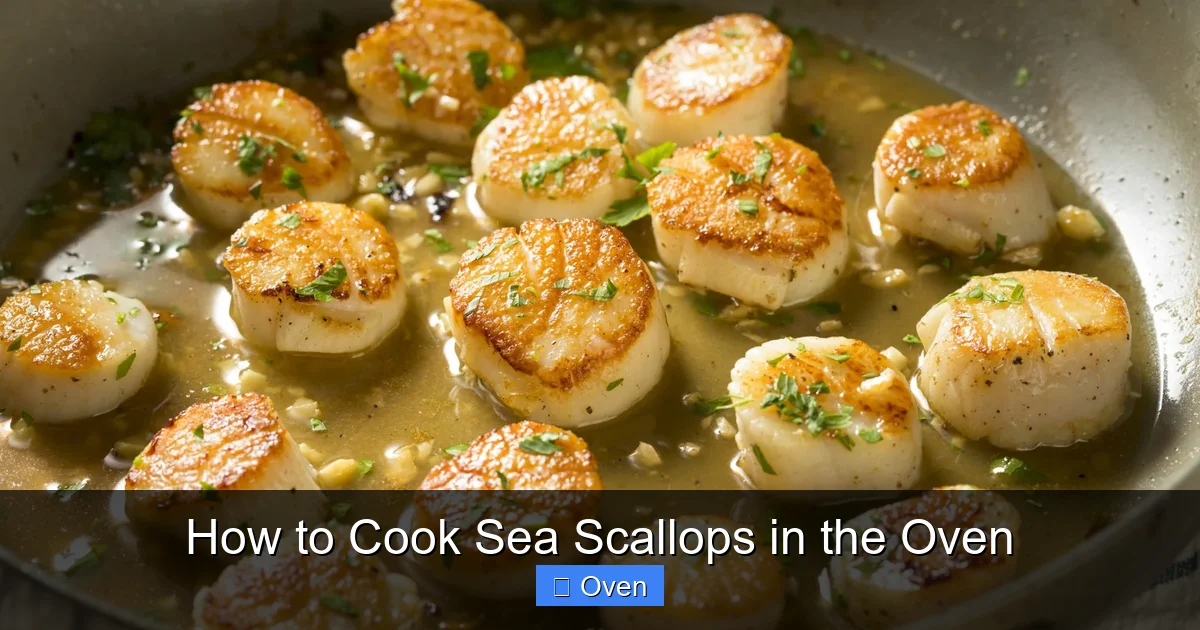
Sea scallops in the oven are surprisingly simple to master with the right technique. This guide walks you through everything from preparation to plating. You’ll learn how to achieve perfectly seared, tender scallops every single time.
There’s something undeniably luxurious about a plate of perfectly cooked sea scallops. These delicate morsels have earned their reputation as a restaurant favorite, but here’s the secret: they’re incredibly approachable when you know the right techniques. Today, we’re diving deep into how to cook sea scallops in the oven – a method that’s both foolproof and impressive enough for your finest dinner parties.
Key Takeaways
- Pat Dry Thoroughly: Removing moisture is crucial for achieving that perfect golden sear on your scallops.
- Season Just Before Cooking: Salt draws out moisture, so apply seasonings right before they go into the oven.
- Use High Heat: A hot oven (400-425°F) creates the ideal environment for caramelization without overcooking.
- Don’t Overcrowd the Pan: Give each scallop space to ensure even cooking and proper browning.
- Watch Timing Carefully: Scallops cook quickly – typically 8-12 minutes depending on size.
- Test for Doneness: They’re ready when opaque throughout and lightly browned on both sides.
- Let Rest Briefly: Allowing them to rest helps redistribute juices for maximum flavor.
📑 Table of Contents
Why Oven-Cooked Scallops Are Perfect for Home Cooks
If you’ve ever been intimidated by scallops, the oven might just become your new best friend. Unlike stovetop methods that require constant attention and perfect timing, oven cooking offers a more relaxed approach. The gentle, consistent heat ensures your scallops cook evenly without the risk of burning or overcooking. Plus, you can multitask while they’re baking – perfect for busy home cooks!
The Beauty of Hands-Off Cooking
What makes oven-cooked scallops so appealing is their predictability. Once they’re in the oven, they pretty much take care of themselves. This means you can focus on preparing your side dishes or pouring a glass of wine while dinner does its thing. The result? Restaurant-quality scallops without the stress.
Choosing the Best Sea Scallops
Not all scallops are created equal, and starting with quality ingredients is half the battle. When shopping for sea scallops, look for these telltale signs of freshness:
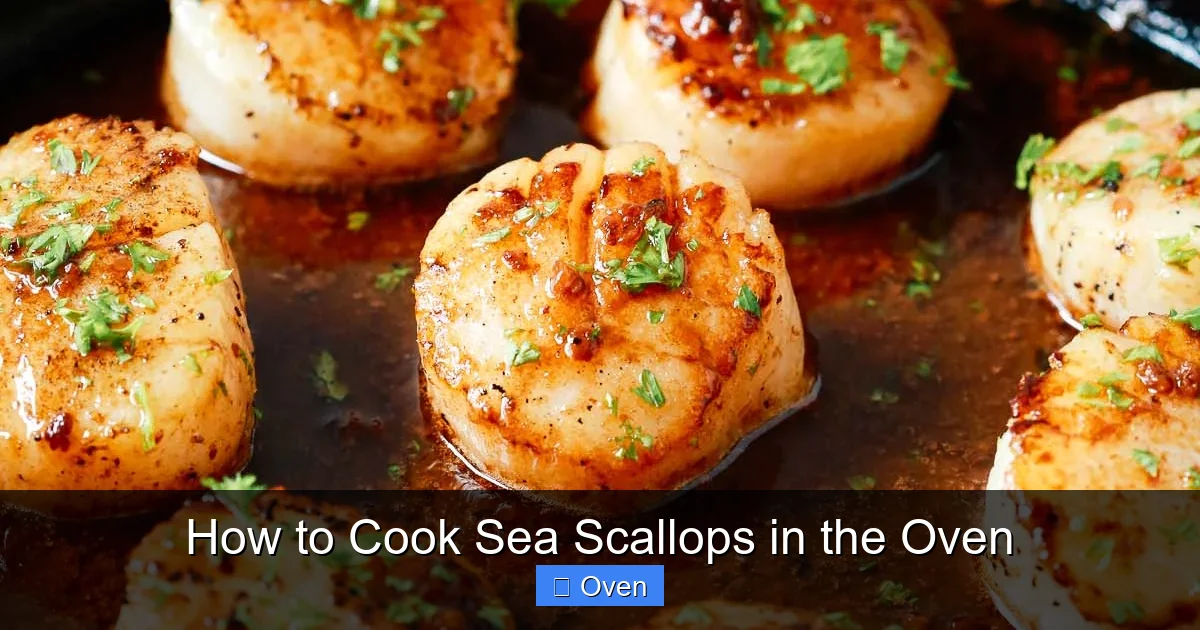
Visual guide about How to Cook Sea Scallops in the Oven
Image source: primaverakitchen.com
What to Look For
- Size: Choose dry-packed scallops rather than wet-packed. Dry scallops are typically larger and have better flavor.
- Color: Fresh scallops should be creamy white or slightly pale with a natural sheen.
- Smell: They should smell like the ocean – clean and briny, never fishy or ammonia-like.
- Texture: Firm and plump scallops that spring back when gently pressed are your best bet.
Avoid These Common Mistakes
One of the biggest frustrations with scallops is ending up with rubbery or tough results. This often happens when scallops are wet or overcooked. By choosing high-quality, dry-packed scallops and following proper technique, you’ll avoid these pitfalls entirely.
Preparation: Setting Yourself Up for Success
Proper preparation is absolutely crucial when it comes to perfect scallops. Even experienced cooks skip these steps, but trust me – they make all the difference.
Visual guide about How to Cook Sea Scallops in the Oven
Image source: images.coplusk.net
Drying is Everything
The most important step in preparing scallops is removing excess moisture. Wet scallops won’t sear properly and can end up steaming instead of browning. Here’s how to do it right:
- Place scallops on a clean kitchen towel or paper towels.
- Gently pat each scallop dry on both sides.
- Let them air dry for a few minutes while you preheat the oven.
This simple step ensures you’ll get that beautiful golden crust that makes scallops so irresistible.
Seasoning Strategically
When it comes to seasoning, less is often more. Scallops have a delicate flavor that can easily be overwhelmed. I recommend:
- Salt (preferably sea salt or kosher salt)
- Freshly ground black pepper
- A touch of garlic powder or onion powder for extra depth
- Optional: a pinch of dried thyme or parsley for herbal notes
Remember to season just before cooking – this prevents the salt from drawing out moisture too early.
Setting Up Your Oven and Pan
Now that your scallops are prepped, it’s time to get your oven ready. The right setup makes all the difference in achieving that perfect texture.

Visual guide about How to Cook Sea Scallops in the Oven
Image source: inspiredtaste.net
Temperature Matters
For oven-cooked scallops, you want a temperature between 400-425°F. Here’s why this range works perfectly:
- 400°F: Gentler cooking, excellent for larger scallops
- 425°F: Faster cooking with more browning (ideal for smaller scallops)
I typically go with 425°F for that perfect golden color, but feel free to experiment based on your preference.
Choosing the Right Pan
Your pan choice affects the final result significantly. Here are the best options:
- Baking sheet: Creates beautiful edges and allows for even cooking
- Skillet: If you have an oven-safe skillet, you can start searing on the stovetop then finish in the oven
- Stoneware: Retains heat well and gives a nice texture
I personally love using a rimmed baking sheet lined with parchment paper for easy cleanup and perfect presentation.
Cooking Your Sea Scallops
This is where the magic happens! Follow these steps for consistently perfect results.
Preheating and Prep
While your oven preheats, arrange your scallops on your prepared pan. Place them at least 1 inch apart – crowding is the enemy of good scallops. Lightly drizzle with olive oil, then season generously.
The Cooking Process
Once your oven reaches temperature, carefully place the pan inside. Here’s what to expect:
- First 5 minutes: The scallops will start to expand and set
- Minutes 5-8: They’ll begin to turn opaque on the bottom
- Final 2-4 minutes: Check for doneness and remove when slightly underdone (they continue cooking in the pan)
Total cooking time is typically 8-12 minutes depending on size. Don’t open the oven door too often – this can cause temperature fluctuations.
Checking for Doneness
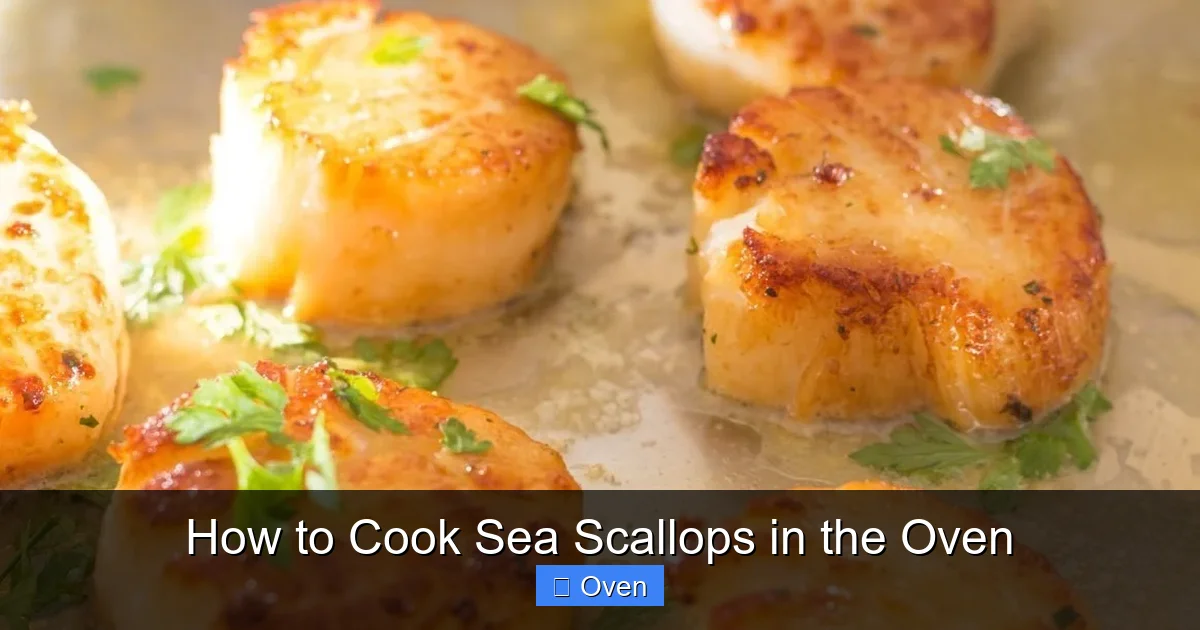
Perfectly cooked scallops should be opaque throughout and lightly browned on the bottom. They should feel firm but still yield slightly to gentle pressure. If you’re unsure, cut one open – it should be completely white with no translucent areas.
Pro tip: Remove them from the oven when they look slightly underdone. They’ll finish cooking in the hot pan and won’t end up overcooked.
Serving and Presentation Tips
Now that your scallops are cooked to perfection, it’s time to think about presentation. A beautiful plate makes any dish more appealing, especially when entertaining guests.
Simple Yet Elegant Plating
Here’s a foolproof plating method that always impresses:
- Spoon a small pool of sauce or risotto onto the center of each plate
- Place 2-3 scallops slightly overlapping on top
- Drizzle with any accumulated pan juices
- Garnish with fresh herbs like parsley or microgreens
The key is odd numbers – three scallops per person looks more natural than two or four.
Complementary Side Dishes
Scallops pair beautifully with many sides. Some of my favorites include:
- Creamy mashed potatoes
- Roasted vegetables like asparagus or Brussels sprouts
- A simple green salad with lemon dressing
- Risotto or buttered noodles
If you’re looking for inspiration, check out our guide on oven-cooked salmon for complementary side ideas.
Common Troubleshooting and Solutions
Even with the best intentions, things can go wrong with scallops. Here’s how to handle the most common issues:
Problem: Scallops Won’t Brown
Cause: Pan isn’t hot enough or scallops were too wet.
Solution: Ensure your pan is properly preheated and always pat scallops completely dry before cooking.
Problem: Overcooked or RubberY Scallops
Cause: Cooking time was too long or temperature too high.
Solution: Check for doneness earlier than recommended and remove from oven when slightly underdone.
Problem: Steak Looks Uneven
Cause: Scallops were crowded in the pan.
Solution: Make sure to leave adequate space between each scallop for even heat distribution.
Advanced Tips for Next-Level Scallops
Once you’ve mastered basic oven scallops, try these advanced techniques to elevate your dish:
Butter Basting Method
Melt 2-3 tablespoons of butter in your pan during the last few minutes of cooking. Spoon the melted butter over the scallops repeatedly for a rich, restaurant-quality finish.
Herb Oil Drizzle
Make a simple herb oil by heating olive oil with fresh thyme, rosemary, and garlic. Drizzle over plated scallops for an elegant touch.
If you’re interested in other protein preparations, our oven salmon steak guide offers similar techniques that work beautifully with scallops too.
Frequently Asked Questions
How long do you cook scallops in the oven?
The cooking time for sea scallops in the oven typically ranges from 8-12 minutes depending on their size. Smaller scallops will cook faster, usually around 8 minutes, while larger ones may need closer to 12 minutes. The key is to check for doneness rather than relying solely on time.
Should I sear scallops before baking?
While searing before baking can add extra flavor and texture, it’s not necessary for excellent results. Many people prefer the simpler approach of simply baking seasoned scallops. However, if you do want to sear first, use a hot skillet with a little oil, sear for 1-2 minutes per side, then finish in the oven.
What temperature should I cook scallops at?
The ideal oven temperature for cooking sea scallops is between 400-425°F. A temperature of 425°F works well for most situations, providing good browning while ensuring the inside cooks through properly. Lower temperatures like 400°F are gentler and work well for very large scallops.
How do I know when scallops are done?
Scallops are done when they’re completely opaque throughout and lightly browned on the bottom. They should feel firm but still yield slightly to gentle pressure. A good test is to cut into one – it should be fully white with no translucent areas remaining.
Do I need to peel scallops before cooking?
No peeling is required for sea scallops. However, you may notice a small square piece of muscle on one side – this is the scallop’s natural anchor and is perfectly edible. Some people prefer to remove it, but it’s completely fine to leave it on for extra flavor and texture.
Can I cook frozen scallops in the oven?
While fresh or thawed scallops are definitely preferred, you can cook frozen scallops in the oven. Simply increase the cooking time by 50-75% and ensure they’re fully thawed before cooking. However, thawed scallops will yield better texture and flavor compared to cooking them straight from frozen.