How Long to Cook a Pasty in the Oven
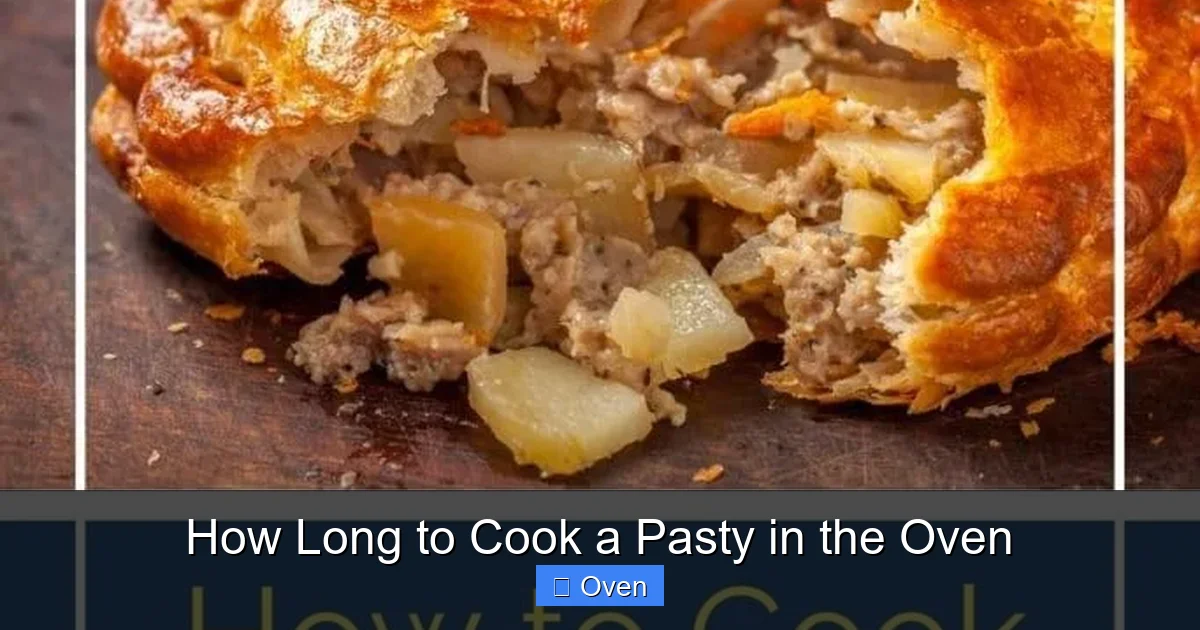
Cooking pasties in the oven is straightforward when you know the right timing and temperature. Whether you’re making traditional Cornish pasties or homemade versions, achieving that perfect golden crust with a thoroughly cooked filling requires attention to size, heat, and preparation. This guide covers everything from preparation to serving, ensuring your pasties turn out delicious every single time.
Key Takeaways
- Standard cooking time: Most pasties cook for 25-35 minutes at 375°F (190°C) for golden perfection.
- Size matters: Smaller pasties (6-inch) need 20-25 minutes while larger ones (8-inch) require 35-45 minutes.
- Temperature sweet spot: 375°F provides even cooking without burning the pastry exterior.
- Preparation is key: Proper sealing and egg wash ensure attractive appearance and prevent leakage.
- Doneness indicators: Look for golden-brown color and steam escaping from the sides to confirm thorough cooking.
- Rest before serving: Let cooked pasties rest 5-10 minutes for easier handling and better texture.
- Safe internal temperature: Fillings should reach 165°F (74°C) for food safety assurance.
📑 Table of Contents
The Art of Perfect Oven-Baked Pasties
There’s something magical about a well-made pasty fresh from the oven. The golden pastry glistens with egg wash sheen, while steam escapes from carefully crimped edges. Whether you’re a Cornish pasty purist or experimenting with creative fillings, getting the cooking time right makes all the difference between a disappointing meal and pure comfort food heaven.
Pasties have been satisfying hungry souls for centuries. Originally created as portable meals for Cornish miners, these hand pies became beloved throughout Britain and beyond. Today, they’re perfect for family dinners, lunch boxes, or satisfying that craving for something hearty and delicious. But timing them perfectly in your home oven can feel like guesswork without proper guidance.
I’ve burned my share of pasties over the years. Some came out soggy with undercooked fillings. Others looked perfect but were cold inside. Through trial and error, I learned that successful pasty cooking comes down to understanding size, temperature, and visual cues. Let me share what I’ve discovered so you can skip the mistakes and dive straight into delicious results.
Understanding Your Pasty Types and Sizes
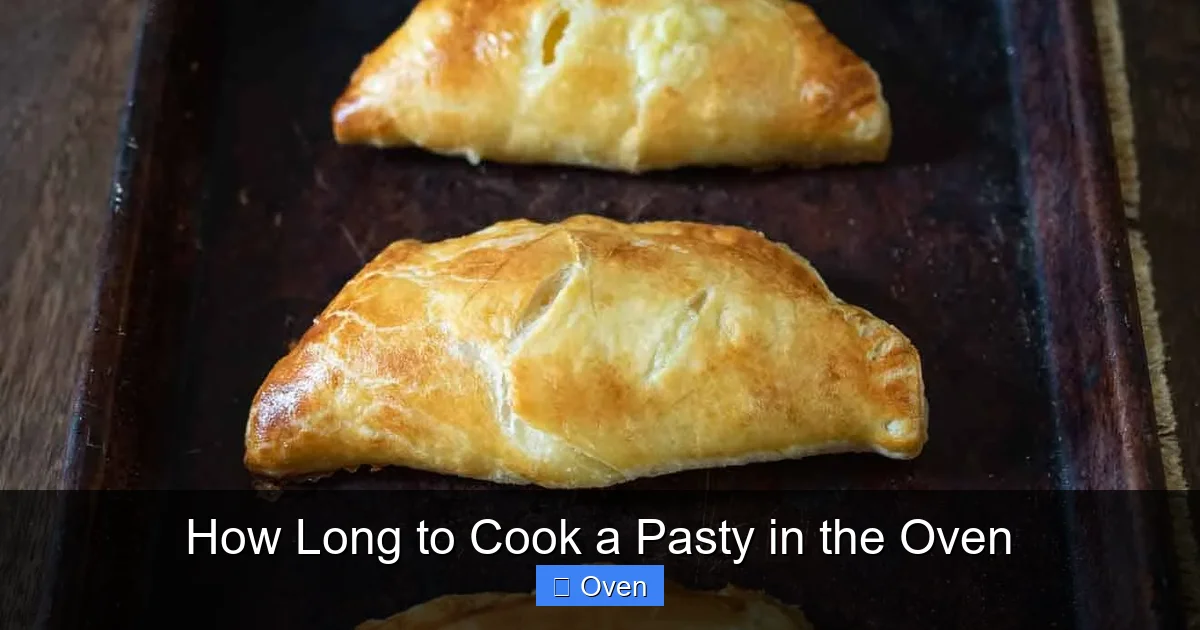
Visual guide about How Long to Cook a Pasty in the Oven
Image source: culinaryginger.com
Before we dive into timing specifics, it helps to know what you’re working with. Pasties come in various sizes and styles, each requiring slightly different approaches.
Traditional Cornish Pasties
Authentic Cornish pasties follow strict guidelines. They’re typically 6-inch rounds filled with beef, potato, swede (rutabaga), and onion. The filling must be raw when assembled, which affects cooking time significantly. These pasties need thorough cooking to ensure the meat reaches safe temperatures while keeping the pastry perfectly golden.
Homemade Variations
Many home cooks create smaller, personal-sized pasties or experiment with different fillings. You might find chicken and mushroom, cheese and vegetable, or even sweet fruit versions. Pre-cooked fillings reduce overall cooking time, while raw ingredients demand longer exposure to heat.
Size Matters for Timing
The diameter of your pasty directly impacts cooking duration. Here’s a general breakdown:
Small pasties (4-5 inches): 15-20 minutes
Medium pasties (6 inches): 25-30 minutes
Large pasties (7-8 inches): 35-45 minutes
Always check the thickest part of your filling to ensure thorough cooking, regardless of size.
Preparing Pasties for Optimal Oven Cooking
Great timing starts with proper preparation. Even the most precise cooking schedule fails if your pasties aren’t ready for the oven.
Perfect Pastry Preparation
Your pastry should be cold but pliable. Work quickly to prevent sticking and maintain that flaky texture we all crave. Roll to about 1/8-inch thickness for most recipes. Too thin and you risk tearing during filling. Too thick and the exterior will burn before the center cooks through.
Filling Considerations
Raw fillings like traditional beef require longer cooking times. Pre-cooked ingredients such as leftover roast beef or sautéed vegetables cook faster. Always drain excess moisture from vegetables to prevent soggy pastry bottoms. Season your filling generously – the pastry acts as a barrier that mutes flavors.
Sealing Techniques
Proper sealing prevents filling leakage and ensures even heat circulation. Crimp edges firmly using your fingers or a fork. Press out air pockets as you seal – trapped air creates uneven cooking and potential explosions in your oven.
Egg Wash Excellence
Don’t skip the egg wash! It creates that beautiful golden finish and helps seal any tiny gaps in your pastry. Beat one egg with a tablespoon of water and brush generously over each pasty before baking.
Temperature and Timing Guidelines
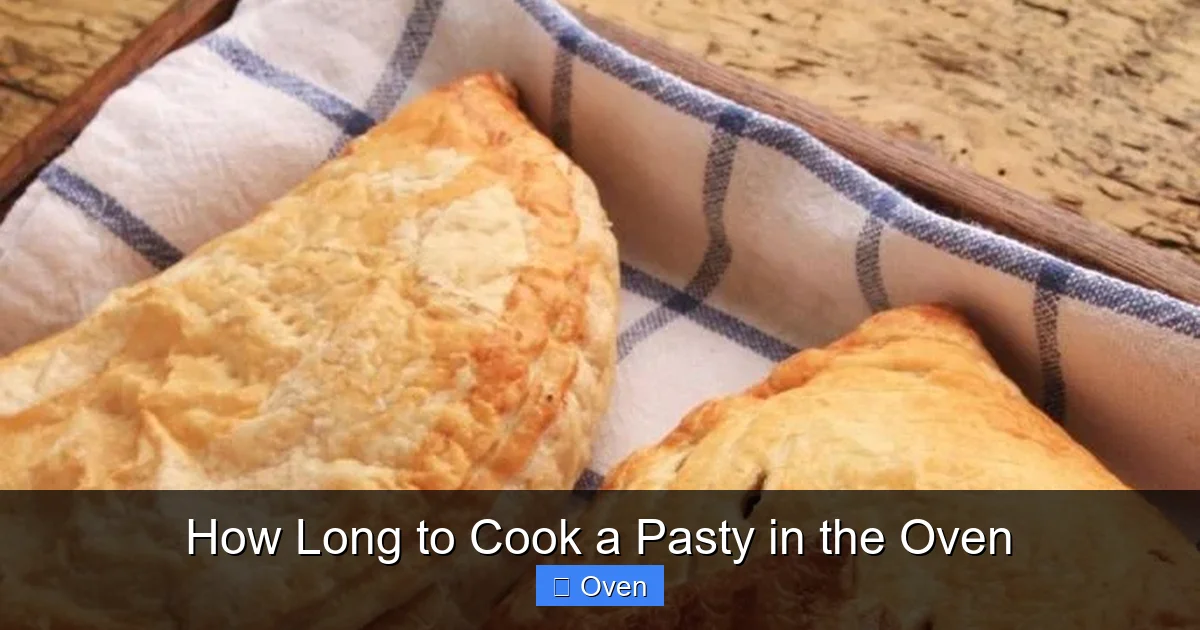
Visual guide about How Long to Cook a Pasty in the Oven
Image source: sarahscoopeats.com
Now for the main event – how long to cook a pasty in the oven for perfect results.
The Sweet Spot Temperature
Most pasties achieve their best texture at 375°F (190°C). This temperature allows the pastry to brown gradually while giving fillings time to cook through. Higher temperatures create burnt exteriors with raw centers. Lower temperatures dry out the pastry before fillings reach proper doneness.
Detailed Timing Charts
For standard 6-inch traditional pasties with raw beef filling:
- Initial bake: 25 minutes at 375°F
- Reduce heat to 350°F for final 5-10 minutes if browning too quickly
- Total time: 30-35 minutes
For smaller 4-5 inch pasties:
- Cook at 375°F for 15-20 minutes
- Watch carefully – they cook faster than you think
For large 7-8 inch pasties:
- Start at 375°F for 30 minutes
- Continue at 350°F until golden and heated through
- Total time: 35-45 minutes
Visual Doneness Indicators
Your pasties are ready when they show these signs:
- Deep golden brown color all over
- Steam visibly escaping from crimped edges
- Firm, flaky texture when gently pressed
- Pastry pulls slightly away from the pan edges
Special Techniques and Troubleshooting
Even experienced cooks encounter challenges. Here’s how to handle common issues.
Preventing Soggy Bottoms
Nothing ruins a pasty faster than a soggy bottom. Try these proven methods:
- Pre-bake pastry shells for 5 minutes before adding filling
- Use a light dusting of flour or breadcrumbs on the pastry base
- Ensure fillings are well-drained and not overly moist
- Place pasties on parchment-lined baking sheets for better heat circulation
Dealing with Uneven Browning
If your pasties brown too quickly on top while remaining pale below:
- Rotate baking sheets halfway through cooking
- Reduce oven temperature by 25°F and extend cooking time
- Use the lower third of your oven for more even heat distribution
Handling Frozen Pasties
Frozen pasties require special attention. They typically need 10-15 minutes longer than fresh versions. No need to thaw – just add the extra time and check for doneness using the same visual cues.
Serving and Storage Tips
Perfect timing means nothing if you don’t serve and store properly.
Resting Period Importance
Let your pasties rest for 5-10 minutes after cooking. This allows fillings to set slightly, making them easier to handle and preventing scalding hot fillings from burning your mouth. It also gives the pastry time to develop its final texture.
Storage Best Practices
Cool completely before storing. Refrigerate within two hours of cooking. Properly stored pasties keep 2-3 days in the refrigerator. Reheat gently in a 300°F oven for best texture retention – microwaves make pastry rubbery and unappetizing.
Freezing for Later
Unbaked pasties freeze beautifully. Place on baking sheets to freeze individually, then transfer to freezer bags. Bake from frozen, adding 10-15 minutes to your normal cooking time.
Creative Variations Worth Trying
Once you master basic timing, experiment with these crowd-pleasers:
Breakfast Pasties
Fill with scrambled eggs, cheese, and cooked bacon. These cook faster due to pre-cooked ingredients – typically 20-25 minutes at 375°F.
Sweet Dessert Pasties
Apple cinnamon or cherry pasties satisfy dessert cravings. Sweet versions often benefit from a sprinkle of sugar on top before baking.
Vegetarian Options
Mushroom and cheese, or roasted vegetable pasties work wonderfully. Since vegetables cook down during preparation, these usually match standard timing guidelines.
Remember that any time you’re cooking savory items in the oven, similar principles apply whether you’re working with chicken at 375°F or carefully timing roast beef perfection. The key is understanding how heat affects different ingredients and adjusting accordingly.
Final Thoughts on Perfect Pasty Success
Cooking pasties in the oven doesn’t have to be complicated. With the right temperature, appropriate timing for your size, and attention to preparation details, you’ll achieve consistently excellent results. Remember that ovens vary – use these guidelines as starting points and adjust based on your specific appliance.
The investment in learning proper pasty timing pays dividends in family satisfaction and meal planning flexibility. These versatile hand pies work for any occasion, from casual weeknight dinners to elegant entertaining. Plus, once you master the technique, you can customize fillings to suit any taste preference or dietary requirement.
Start with simple traditional recipes, nail your timing, then branch out into creative territory. Your family will thank you for the delicious, comforting meals that perfect oven-cooked pasties provide.
Frequently Asked Questions
How long to cook a pasty in the oven at 350°F?
At 350°F, pasties typically need 35-45 minutes for standard 6-inch sizes. The lower temperature requires extra time but provides gentler cooking that prevents burning while ensuring thorough internal heating.
Can I cook pasties from frozen without thawing?
Yes, frozen pasties can go directly into a 375°F oven. Add 10-15 minutes to your normal cooking time and rely on visual cues rather than strict timing. Look for steam escaping and deep golden coloring.
What temperature indicates a properly cooked pasty?
Your pasty filling should reach 165°F (74°C) for food safety. Use a meat thermometer inserted through a small slit in the pastry. The exterior should be golden brown with flaky, firm texture throughout.
How do I prevent pasties from getting soggy on the bottom?
Pre-bake pastry shells briefly, ensure fillings are well-drained, and use parchment paper for better heat circulation. You can also dust the pastry base with flour or breadcrumbs to absorb excess moisture.
Why do my pasties burst open during cooking?
Air trapped inside pasties expands during heating and causes bursting. Press out air pockets thoroughly when sealing, and make small steam vents in the top if needed. Proper crimping technique also prevents separation during cooking.
Can I reheat cooked pasties in the oven?
Absolutely! Reheat cooked pasties at 300°F for 10-15 minutes until warmed through. This gentle reheating method preserves the pastry texture much better than microwaving, which tends to make pastry rubbery and tough.