Viking Titanium Cookware
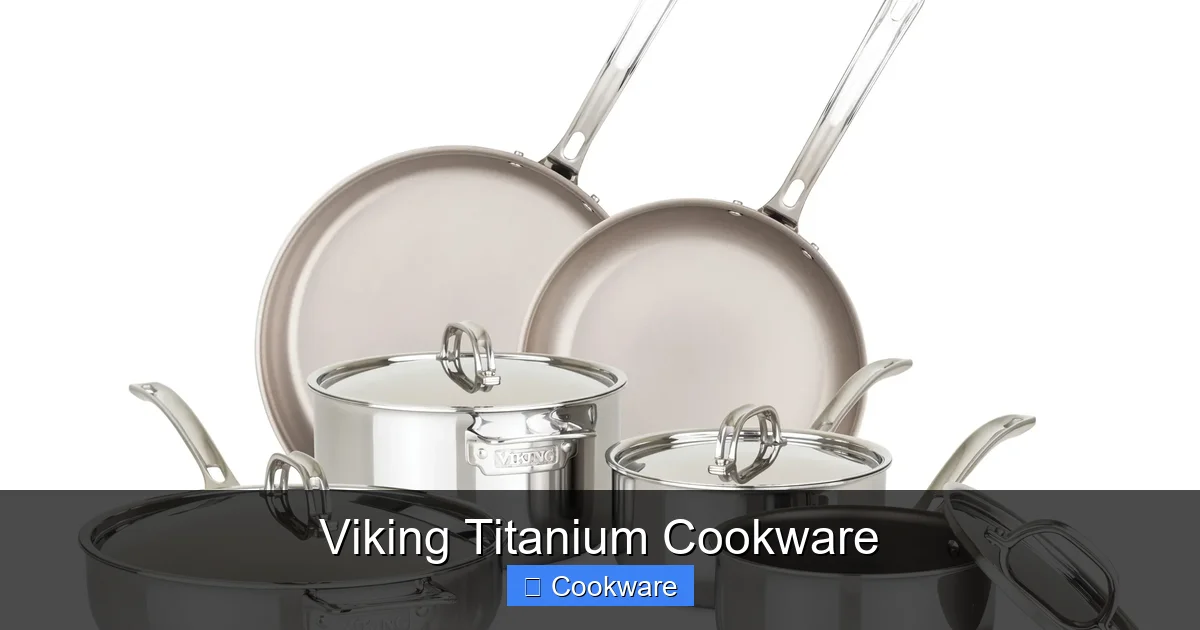
Viking Titanium Cookware offers a professional-grade cooking experience by combining the strength of titanium with high-end thermal conductivity. It is exceptionally durable, scratch-resistant, and designed for chefs who want a long-lasting alternative to traditional non-stick pans.
Have you ever felt like your pans just can’t keep up with your cooking style? Maybe you’re tired of non-stick coatings that peel after six months, or perhaps you’re frustrated with heat spots that burn your garlic while the rest of the pan is cold. If you are looking for a “forever” set of pans, you have likely come across Viking Titanium Cookware. It sounds like something designed for a space mission, and in many ways, it is.
Viking is a name known for high-end professional appliances. When they brought that same energy to their cookware line, they didn’t just make another pan. They created a tool that bridges the gap between the ruggedness of stainless steel and the ease of non-stick. It is designed for people who love to cook and want tools that don’t fail them during a dinner party or a busy weeknight meal prep.
In this guide, we are going to dive deep into what makes this line special. We will talk about the materials, how it performs in the kitchen, and whether it actually lives up to the hype. Whether you are a home cook or a seasoned pro, understanding the tech behind Viking Titanium Cookware can help you decide if it is the right fit for your kitchen.
Key Takeaways
- Extreme Durability: The titanium reinforcement makes these pans much harder to scratch or chip than standard coatings.
- Superior Heat Control: Designed for even heating to eliminate hot spots and prevent food from burning.
- Versatile Use: Works across various heat sources, including gas, electric, and induction cooktops.
- Low Maintenance: Easier to clean than cast iron and more resilient than basic Teflon pans.
- Professional Quality: Built to handle the rigors of a high-volume kitchen while looking sleek in a home setting.
📑 Table of Contents
What Exactly is Viking Titanium Cookware?
To understand Viking Titanium Cookware, we first have to talk about titanium. Titanium is a metal known for its incredible strength-to-weight ratio. It is used in aerospace and medical implants because it is biocompatible and nearly indestructible. In the world of cookware, titanium isn’t usually the entire pan. Instead, it is used to reinforce the cooking surface.
The Science of the Surface
Most non-stick pans use a PTFE coating. While convenient, these can scratch easily. Viking integrates titanium particles into the surface. This creates a reinforced barrier. Think of it like adding rebar to concrete. The titanium makes the surface much harder. This means you can use your utensils with more confidence, and the non-stick properties last significantly longer than your average store-bought set.
Why Titanium Matters for Home Cooks
For the average person, this means less frequent replacements. We have all been there—buying a cheap set of pans only to throw them away a year later because the coating started flaking. Viking Titanium Cookware aims to end that cycle. By using these advanced materials, they provide a surface that resists wear and tear while still allowing eggs to slide right off the pan.
Performance and Heat Distribution
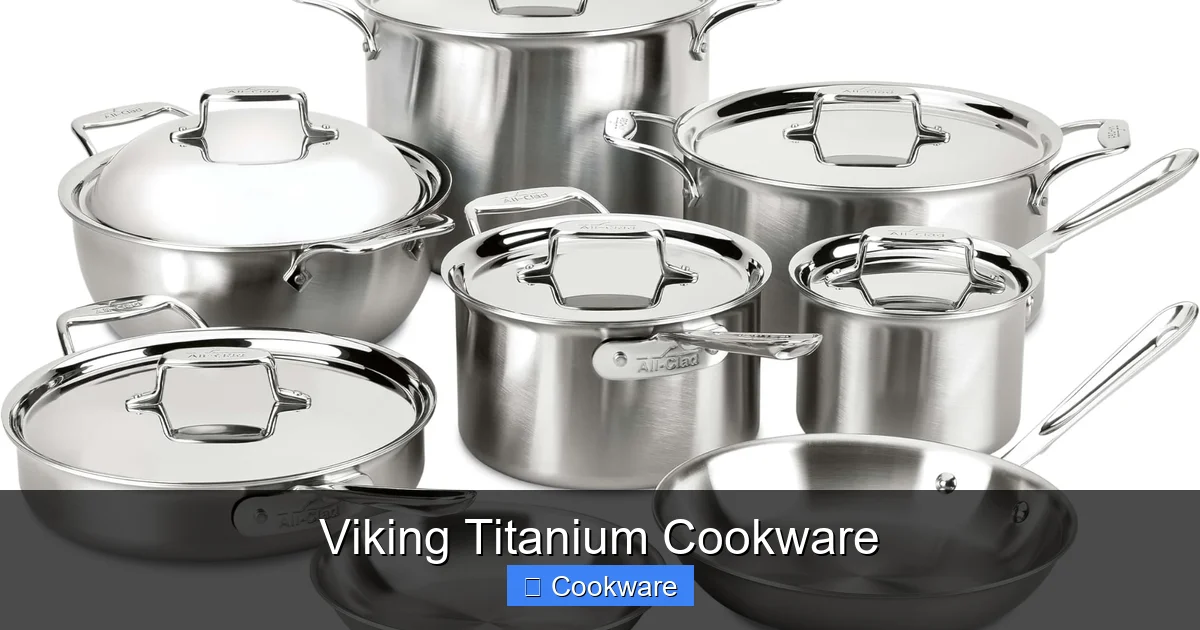
A pan is only as good as its heat management. If you have “hot spots,” your food cooks unevenly. You might find that the center of your steak is charred while the edges are raw. Viking solves this through a multi-layered construction process.
Visual guide about Viking Titanium Cookware
Image source: m.media-amazon.com
Consistent Thermal Conductivity
Viking uses a heavy-gauge base that spreads heat evenly across the entire surface. Whether you are searing a scallop or simmering a delicate sauce, the temperature remains stable. This is crucial for precision cooking. When you have consistent heat, you have more control over the final result of your dish.
Responsiveness to Temperature Changes
One of the best things about this cookware is how quickly it responds to changes in the dial. If your butter starts to brown too quickly, lowering the heat results in an almost immediate drop in temperature. This responsiveness prevents overcooking and gives you the confidence to experiment with high-heat techniques like searing and sautéing.
If you are comparing this to other high-end options, you might also be looking at best stainless steel cookware for induction cooktop options. While stainless steel is great for searing, the titanium-reinforced surface of the Viking line offers a bit more versatility for those who want a mix of sear and slide.
Durability and Long-Term Value
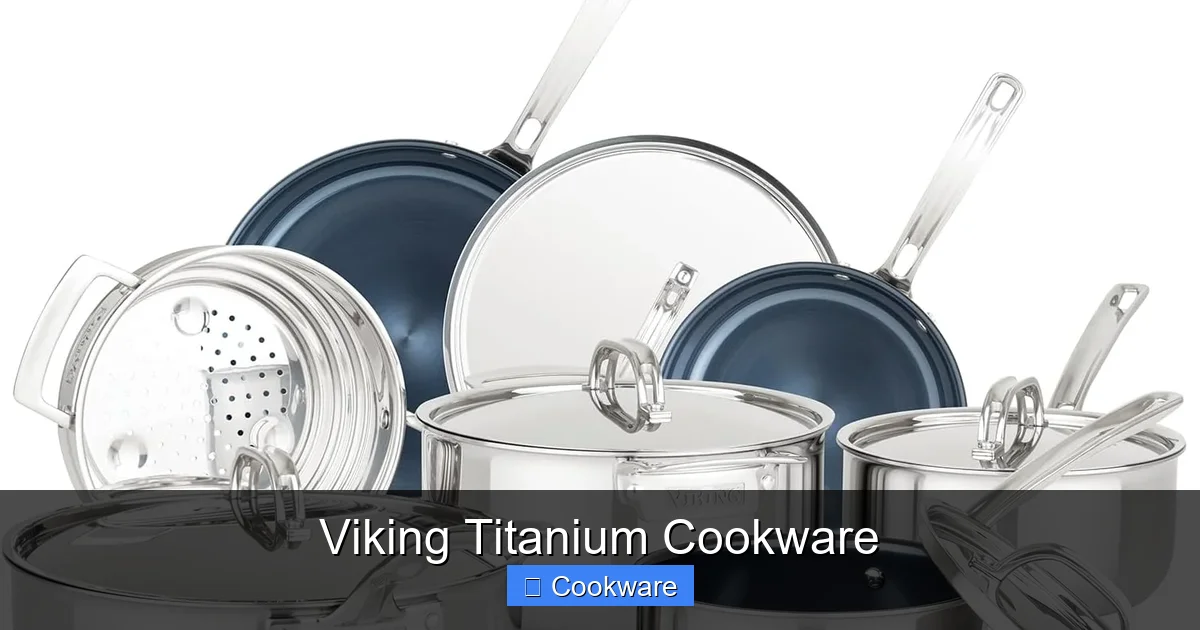
When you invest in professional-grade gear, you are paying for longevity. Viking Titanium Cookware is built to be a workhorse. The construction is heavy and sturdy, meaning the pans won’t warp under high heat. Warping is a common problem with cheaper aluminum pans, where the bottom bows, leaving gaps between the pan and the burner.
Visual guide about Viking Titanium Cookware
Image source: m.media-amazon.com
Scratch Resistance
While no pan is truly “indestructible,” the titanium reinforcement provides a massive advantage. It handles metal utensils better than standard non-stick pans (though silicone or wood is still recommended to maximize the life of the pan). The surface is designed to withstand the friction of constant stirring and flipping.
The “Forever Pan” Mindset
Buying a set of Viking pans is an investment. It costs more upfront, but you save money over a decade because you aren’t replacing your pans every two years. It is the same logic as buying a high-quality knife set. For instance, if you appreciate the durability of titanium in your tools, you might also be interested in a best titanium cutlery 15 piece knife block set to match the aesthetic and strength of your pans.
How it Compares to Other Materials
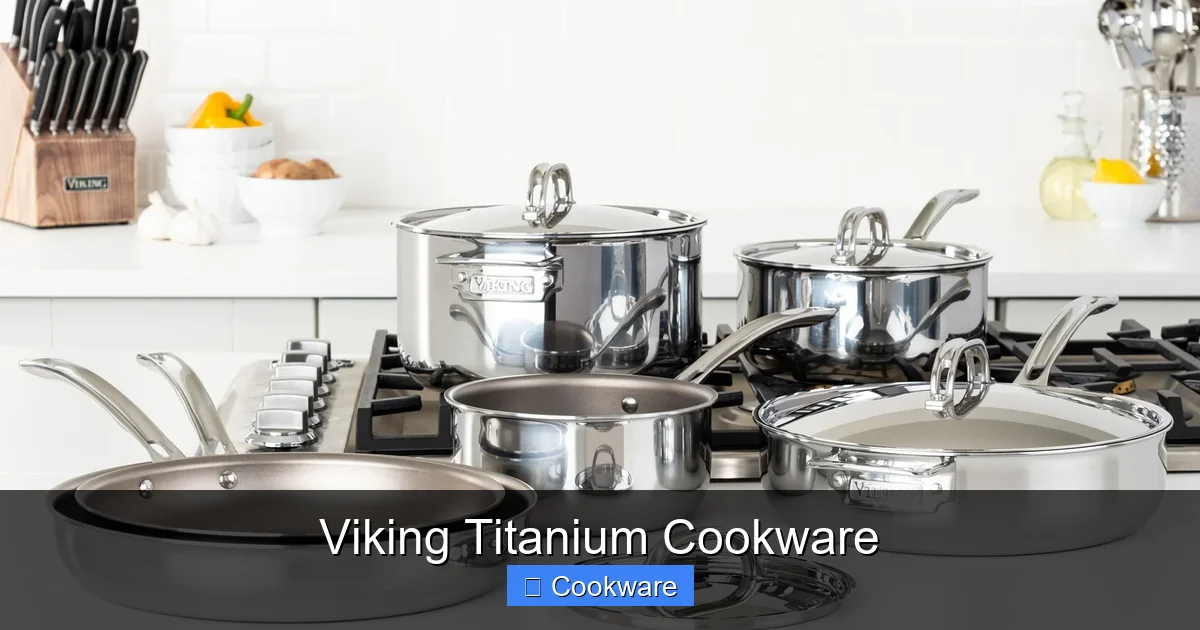
To really see where Viking Titanium Cookware fits, we need to compare it to the other heavy hitters in the kitchen: cast iron, stainless steel, and hard-anodized aluminum.
Visual guide about Viking Titanium Cookware
Image source: vikingculinaryproducts.com
Titanium vs. Cast Iron
Cast iron is legendary for heat retention, but it is heavy and requires “seasoning.” If you don’t maintain a cast iron skillet, it rusts. Viking Titanium Cookware gives you a similar level of durability without the high-maintenance chore of seasoning. You get the strength without the weight and the rust risk.
Titanium vs. Stainless Steel
Stainless steel is the gold standard for professional kitchens because it is non-reactive and great for deglazing. However, food sticks to stainless steel if your temperature isn’t perfect. Viking’s titanium surface offers the ease of non-stick with a durability that approaches that of stainless steel. If you find that traditional pans are too sticky, you might explore best stainless steel cookware that doesn’t stick, but the Viking line is specifically engineered for that “easy-release” experience.
Titanium vs. Hard-Anodized Aluminum
Hard-anodized pans are great and very common. They are durable and heat well. However, the titanium reinforcement in Viking’s line takes that durability a step further. It’s essentially a more “armored” version of the hard-anodized experience.
Practical Tips for Using and Caring for Your Cookware
Even the best cookware can be ruined if treated poorly. To make sure your Viking Titanium Cookware lasts for decades, follow these simple guidelines.
Cooking Tips for Best Results
- Avoid Extreme Temperature Shocks: Don’t take a piping hot pan and plunge it into cold water. This can cause “thermal shock,” which may stress the materials. Let the pan cool down naturally for a few minutes first.
- Use the Right Fats: While the pans are non-stick, a small amount of butter or olive oil enhances the flavor and adds an extra layer of protection to the surface.
- Medium-High is the Sweet Spot: Because these pans conduct heat so efficiently, you rarely need to use the “High” setting. Medium-high is usually plenty for searing, and medium is perfect for most other tasks.
Cleaning and Maintenance
Keeping your pans clean is easy, but a few habits make a big difference. Use a soft sponge or a microfiber cloth. Avoid steel wool or abrasive scouring pads, as these can eventually wear down even the toughest titanium reinforcement.
Most Viking Titanium pieces are dishwasher safe, but hand-washing is always the gold standard. The harsh chemicals in dishwasher pods can dull the finish over time. A quick scrub with warm soapy water is all you need. Once clean, store them properly. If you have a lot of gear, using best cookware stands for storing pots and pans can prevent them from scratching each other in a crowded cabinet.
Who is Viking Titanium Cookware For?
Not everyone needs professional-grade titanium pans. If you only cook once a week or mostly heat up frozen meals, these might be overkill. However, there are specific types of cooks who will absolutely love this line.
The Home Gourmet
If you love experimenting with complex recipes—like a French omelet or a pan-seared salmon—you need precision. The heat control and release properties of these pans make the process stress-free.
The Busy Parent
When you’re cooking for a family, you need gear that can take a beating. You need pans that can go from a quick breakfast to a hearty dinner without failing. The durability of the titanium surface means you spend less time worrying about the equipment and more time feeding your family.
The Health-Conscious Cook
Because the non-stick surface is so effective, you can use significantly less oil and butter. This is a great way to reduce calories without sacrificing the texture of your food.
Final Verdict: Is It Worth the Price?
When you look at the price tag of Viking Titanium Cookware, it can be intimidating. But the value isn’t in the initial cost; it’s in the cost-per-use. If you buy a cheap set every two years, you spend more in the long run than if you buy one high-quality set that lasts fifteen years.
The combination of titanium strength, professional heat distribution, and ease of cleaning makes this one of the most versatile options on the market. It removes the fear of sticking and the frustration of uneven heating. You get a professional experience in your own home kitchen.
In short, if you are tired of the “disposable” nature of modern cookware and want a set that feels substantial, performs consistently, and looks beautiful on your stove, Viking is a fantastic choice. It is a tool that empowers you to cook better, faster, and with more confidence.
Summary of Pros and Cons
Pros: Incredible durability, excellent heat distribution, works on all stovetops, easy to clean, and a sleek professional design.
Cons: Higher initial investment and heavier than cheap aluminum pans.
Whether you are searing, sautéing, or simmering, these pans provide a reliable foundation for any meal. Investing in your tools is investing in your passion for cooking. With Viking, you are getting a piece of engineering that brings restaurant-quality results to your dining table.
Frequently Asked Questions
Is Viking Titanium Cookware safe for induction stoves?
Yes, it is designed to be compatible with all heat sources. This includes gas, electric, and induction cooktops, making it a versatile choice for any kitchen.
Can I use metal utensils with these pans?
While the titanium reinforcement makes them much more resistant to scratches than standard non-stick pans, we still recommend silicone or wooden utensils to ensure the longest possible lifespan.
How do I know if my pans are overheating?
If you see the oil shimmering or starting to smoke, the pan is likely too hot. Because of the efficient heat distribution, you should generally stay at medium to medium-high heat for most cooking tasks.
Are these pans PFOA and PTFE free?
Viking focuses on high-safety standards. Always check the specific model packaging, but their titanium lines are engineered to be safer and more durable alternatives to traditional cheap non-stick coatings.
Do I need to season Viking Titanium Cookware?
No, unlike cast iron, these pans do not require seasoning. They are ready to use straight out of the box and maintain their properties without the need for oil-layering.
How do I prevent the pans from scratching in the cupboard?
The best way to protect your investment is to use pan protectors or store them on a dedicated cookware rack. This prevents the bottoms of one pan from scratching the surface of another.