Ceramic Cookware Sets
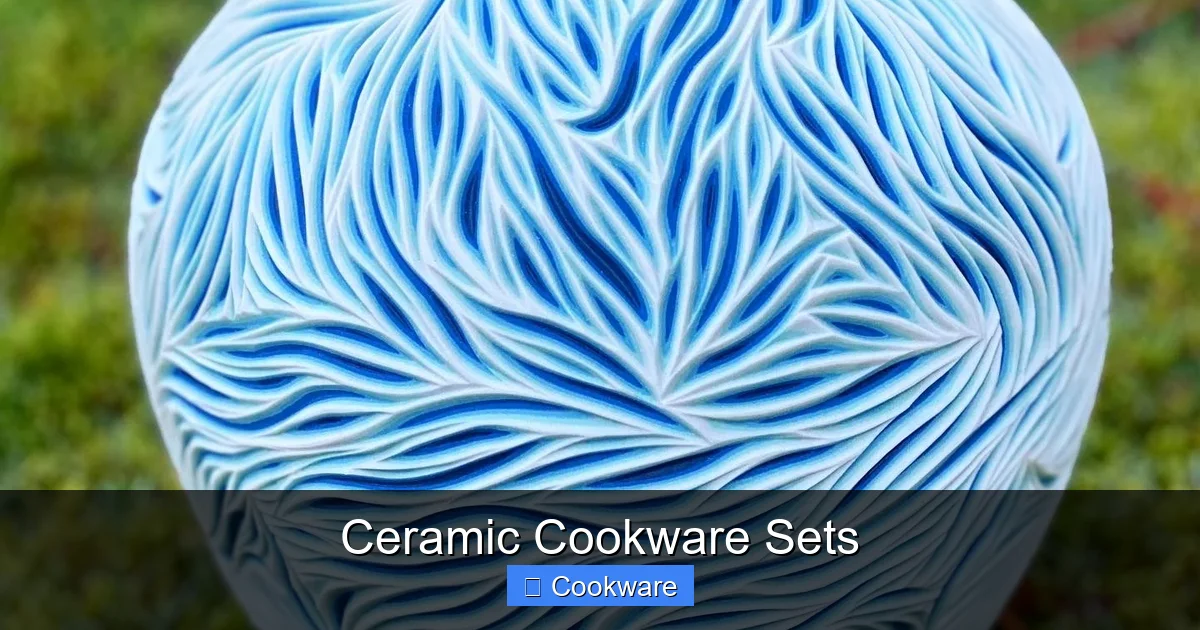
Ceramic Cookware Sets offer a healthy, non‑stick cooking surface that heats evenly and is easy to clean, making them ideal for everyday meals. They combine modern style with practical performance, providing a safe alternative to traditional non‑stick coatings. Whether you’re sautéing vegetables or simmering sauces, these sets deliver reliable results while keeping your kitchen looking fresh.
Ceramic Cookware Sets have become a popular choice for home cooks who want a blend of safety, performance, and style. Unlike traditional non‑stick pans that rely on synthetic chemicals, ceramic coatings are derived from natural minerals and are free of PTFE and PFOA. This makes them an attractive option for those who are conscious about what touches their food. In this guide, we’ll explore everything you need to know about Ceramic Cookware Sets, from how they’re made to how to care for them, and we’ll share practical tips to help you get the most out of your investment.
Key Takeaways
- Non‑Toxic Surface: Ceramic Cookware Sets are free from PTFE and PFOA, providing a safer cooking experience.
- Even Heat Distribution: The ceramic coating spreads heat uniformly, reducing hot spots and preventing food from burning.
- Easy Cleanup: Most pieces are dishwasher safe and require only a quick wipe‑down after use.
- Versatile Use: Suitable for stovetop, oven, and even some broiler applications, depending on the manufacturer’s guidelines.
- Stylish Appearance: Available in a range of colors and finishes, these sets add a modern touch to any kitchen décor.
- Durability Tips: Proper utensil selection and gentle cleaning extend the life of the ceramic coating.
📑 Table of Contents
- What Are Ceramic Cookware Sets?
- Benefits of Using Ceramic Cookware Sets
- How Ceramic Cookware Sets Compare to Other Materials
- Choosing the Right Ceramic Cookware Sets for Your Needs
- Care and Maintenance Tips for Ceramic Cookware Sets
- Top Recommendations and Where to Buy Ceramic Cookware Sets
- Final Thoughts on Ceramic Cookware Sets
What Are Ceramic Cookware Sets?
Ceramic Cookware Sets consist of pots and pans that have a metal base—usually aluminum or stainless steel—covered with a layer of ceramic-based coating. The coating is created through a sol‑gel process where silica (the main component of glass) is combined with other inorganic materials and then baked onto the cookware at high temperatures. The result is a smooth, glass‑like surface that offers non‑stick properties without the use of synthetic fluoropolymers.
When you hear the term “Ceramic Cookware Sets,” think of a collection that might include a fry pan, a saucepan, a sauté pan, and a stockpot, all sharing the same ceramic finish. The metal core provides excellent heat conductivity, while the ceramic top layer ensures food releases easily and cleanup is a breeze. Many manufacturers also offer matching lids, utensils, and even bakeware items that share the same aesthetic.
Benefits of Using Ceramic Cookware Sets
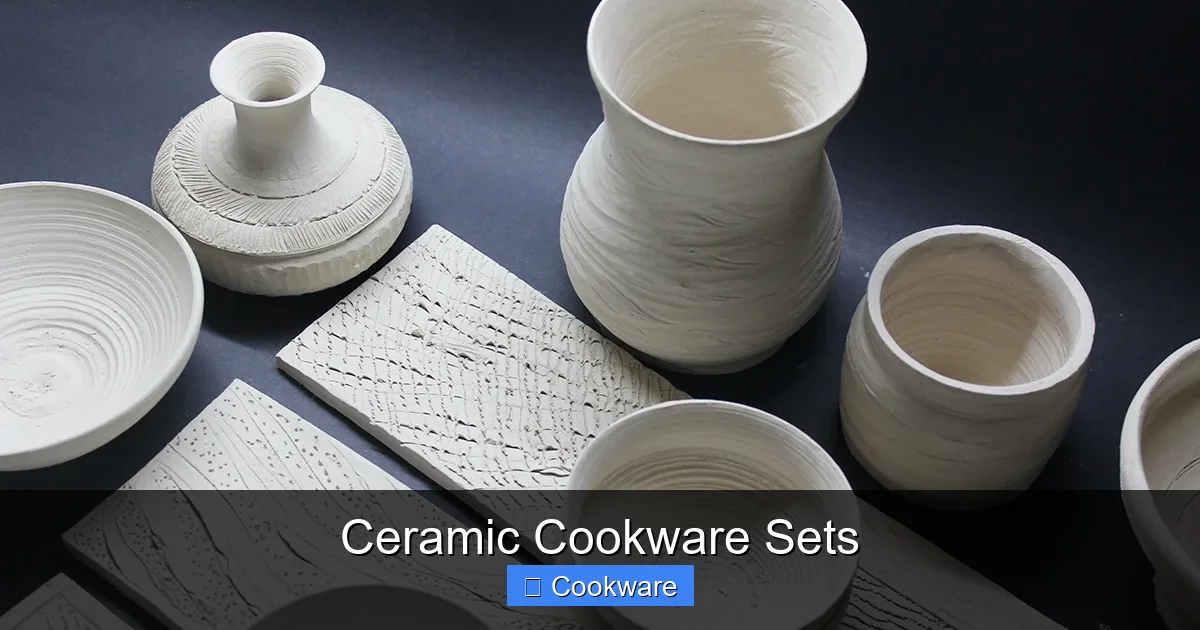
Visual guide about Ceramic Cookware Sets
Image source: mir-s3-cdn-cf.behance.net
One of the biggest advantages of Ceramic Cookware Sets is their health‑friendly profile. Because the coating does not contain PTFE or PFOA, there’s no risk of harmful fumes being released at high temperatures. This makes them a safer choice for families, especially when cooking at high heat for searing or stir‑frying.
Another benefit is the even heat distribution. The aluminum or stainless‑steel core spreads heat quickly and uniformly across the cooking surface, which helps prevent hot spots that can cause food to stick or burn. This uniformity is particularly useful when preparing delicate dishes like sauces, custards, or omelets.
Ceramic coatings are also known for their easy release properties. Foods such as eggs, pancakes, and fish slide off the surface with minimal oil or butter, which can help reduce overall fat intake. After cooking, most residue can be wiped away with a soft sponge, and many pieces are dishwasher safe, saving you time and effort.
Finally, Ceramic Cookware Sets often come in vibrant colors and sleek designs that can brighten up your kitchen. Whether you prefer a classic white, a bold red, or a modern matte black, there’s likely a set that matches your personal style and complements your existing cookware.
How Ceramic Cookware Sets Compare to Other Materials
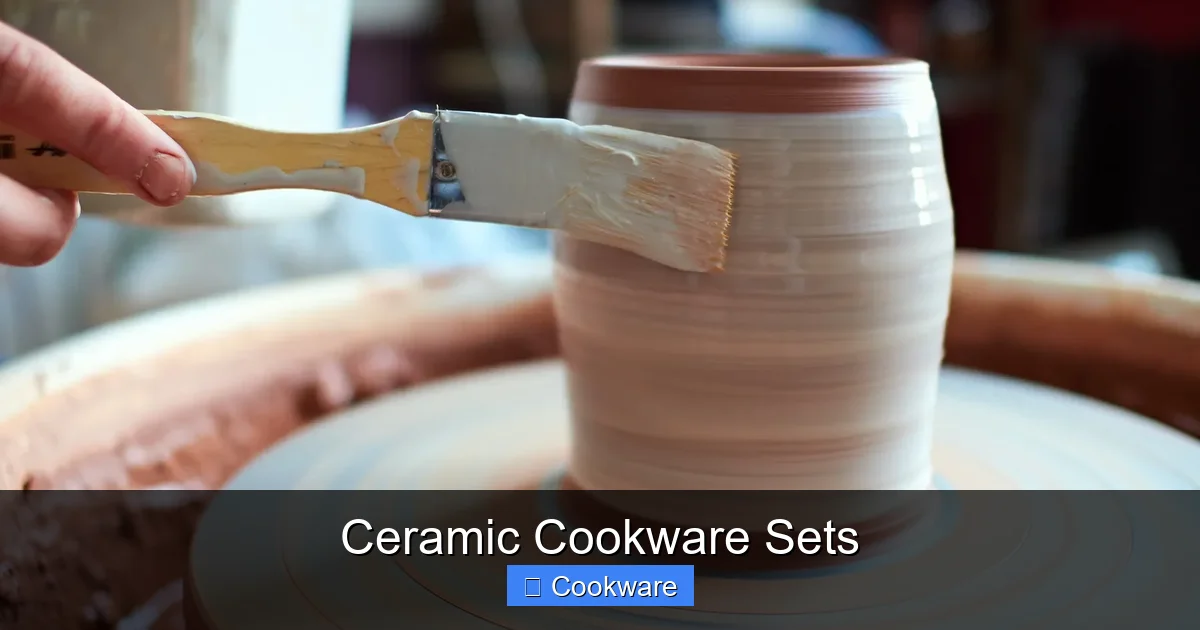
Visual guide about Ceramic Cookware Sets
Image source: artnews.com
When deciding on new cookware, it’s helpful to see how Ceramic Cookware Sets stack up against alternatives like traditional non‑stick, stainless steel, and cast iron.
Ceramic vs. Traditional Non‑Stick
Traditional non‑stick pans rely on PTFE (commonly known as Teflon) for their slick surface. While effective, PTFE can break down at temperatures above 500°F (260°C), releasing potentially harmful fumes. Ceramic Cookware Sets, on the other hand, remain stable at higher temperatures—often up to 800°F (425°C)—without emitting toxic gases. However, ceramic coatings may not be as ultra‑slick as PTFE, so a tiny bit of oil or butter can improve performance, especially for very sticky foods.
Ceramic vs. Stainless Steel
Stainless steel pans are prized for their durability and ability to develop a fond (the browned bits) that adds flavor to sauces. They require proper preheating and oil to prevent sticking. Ceramic Cookware Sets provide a naturally non‑stick surface, making them more forgiving for beginners and reducing the need for excess fat. However, stainless steel generally outlasts ceramic in terms of scratch resistance and can handle metal utensils, whereas ceramic benefits from silicone, wood, or plastic tools.
Ceramic vs. Cast Iron
Cast iron offers unmatched heat retention and can go from stovetop to oven seamlessly. It also develops a natural non‑stick patina over time with proper seasoning. Ceramic Cookware Sets are lighter and easier to handle, making them ideal for everyday tasks like sautéing vegetables or reheating leftovers. Cast iron, while virtually indestructible, is heavier and requires more maintenance to prevent rust. For those who want low‑maintenance, easy‑clean cookware, ceramic is often the more convenient choice.
Choosing the Right Ceramic Cookware Sets for Your Needs
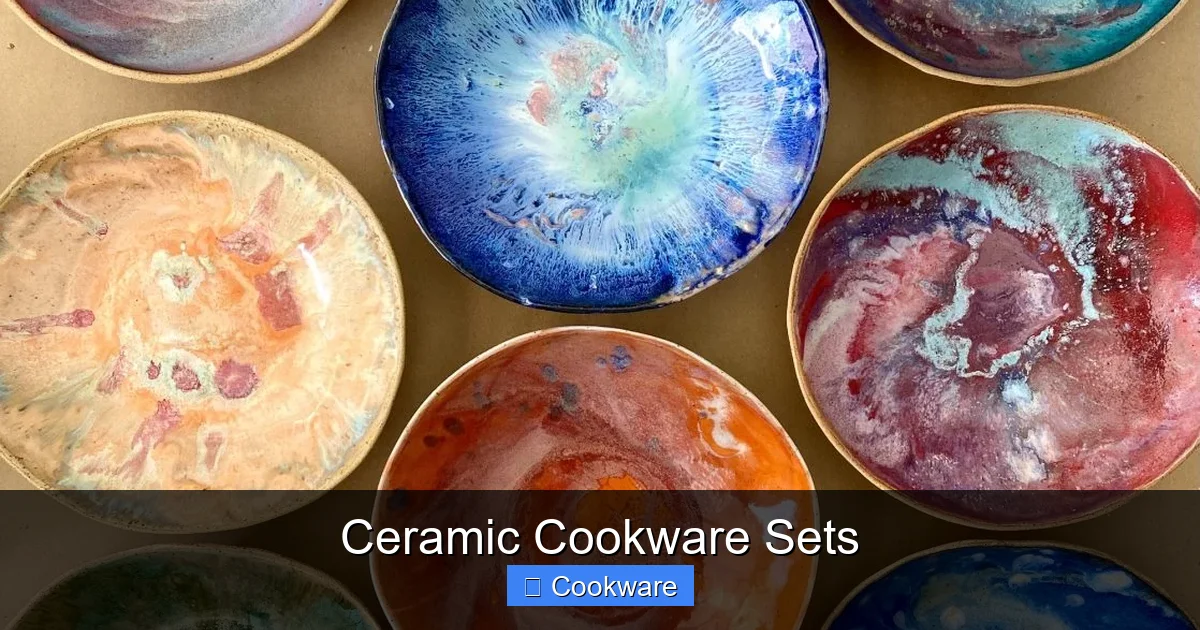
Visual guide about Ceramic Cookware Sets
Image source: ceramicreview.com
Selecting the perfect Ceramic Cookware Sets involves considering size, composition, and intended use. Start by thinking about the types of meals you prepare most often. If you frequently make large batches of soup or pasta, a stockpot with a capacity of 6‑8 quarts will be useful. For everyday sautéing and frying, a 10‑inch fry pan and a 2‑quart saucepan cover most bases.
Next, examine the base material. Aluminum cores heat quickly and are lightweight, making them ideal for quick‑response cooking. Stainless steel cores offer greater durability and are compatible with induction cooktops, but they may be slightly heavier. Some premium sets feature a tri‑ply construction (stainless steel‑aluminum‑stainless steel) for optimal heat distribution and induction compatibility.
Check the oven‑safe temperature rating as well. Many Ceramic Cookware Sets can withstand temperatures up to 450°F (230°C) in the oven, which is sufficient for finishing dishes like frittatas or baked pasta. If you need higher oven temperatures, look for sets specifically rated for 500°F+.
Finally, consider the aesthetic and any extra features. Some sets include tempered glass lids with steam vents, ergonomic stays‑cool handles, and compatibility with metal utensils (though using softer utensils prolongs the coating’s life). If you enjoy making specialty items, you might also want to look at complementary products. For example, if you love homemade rice dishes, you could pair your Ceramic Cookware Sets with a rice cooker with ceramic inner pot for perfectly steamed grains. If weekend brunches are your thing, a ceramic waffle maker with removable plates makes cleanup a breeze. And for those who enjoy homemade tortillas, a 10 inch electric tortilla maker ceramic dish works beautifully alongside your ceramic pans.
Care and Maintenance Tips for Ceramic Cookware Sets
To keep your Ceramic Cookware Sets performing at their best, follow a few simple care guidelines. First, always allow the pan to cool before washing. Placing a hot ceramic pan under cold water can cause thermal shock, which may lead to cracking or delamination of the coating.
When cleaning, use a soft sponge or cloth with mild dish soap. Avoid abrasive scrubbers like steel wool or harsh scouring pads, as they can scratch the ceramic surface. For stuck‑on food, fill the pan with warm, soapy water and let it soak for 10‑15 minutes before gently wiping away the residue. Most ceramic pans are dishwasher safe, but hand washing tends to extend the life of the coating.
Use only silicone, wood, or plastic utensils while cooking. Metal utensils can create micro‑scratches that gradually degrade the non‑stick properties. If you notice a slight loss of slickness over time, you can rejuvenate the surface by heating the pan lightly, adding a tiny amount of oil, and wiping it evenly with a paper towel—this process is sometimes called “seasoning” ceramic cookware, though it’s not required as often as with cast iron.
Store your Ceramic Cookware Sets carefully to prevent chipping. If you stack pans, place a soft cloth or paper towel between each piece. Hanging pots and pans on a rack is another excellent way to avoid contact damage.
Top Recommendations and Where to Buy Ceramic Cookware Sets
While specific brand recommendations can change over time, there are a few key features to look for when shopping for high‑quality Ceramic Cookware Sets. Seek out sets that advertise a PTFE‑ and PFOA‑free coating, offer a solid aluminum or stainless‑steel base, and provide clear oven‑safe temperature guidelines. Reading customer reviews can give insight into real‑world durability and performance.
Many reputable kitchenware retailers carry Ceramic Cookware Sets both online and in‑store. Major e‑commerce platforms often have detailed product pages with photos, specifications, and user feedback, making it easy to compare options. Specialty kitchen shops may allow you to handle the pans before purchasing, letting you assess weight, handle comfort, and balance.
When you find a set that meets your criteria, consider purchasing from a retailer that offers a good warranty or satisfaction guarantee. This protects your investment in case any manufacturing issues arise. Remember to keep the original packaging and receipt, as some manufacturers require proof of purchase for warranty claims.
Final Thoughts on Ceramic Cookware Sets
Ceramic Cookware Sets bring together safety, convenience, and style in a package that suits a wide range of cooking tasks. Their non‑toxic, easy‑clean surface makes them a smart choice for health‑conscious cooks, while the even heat distribution helps achieve consistent results. By selecting the right base material, following proper care guidelines, and pairing your set with complementary ceramic kitchen tools, you can enjoy years of reliable performance.
Whether you’re whipping up a quick weekday stir‑fry, simmering a hearty stew, or preparing a weekend brunch feast, Ceramic Cookware Sets provide the versatility and peace of mind you need to cook with confidence. Explore the options, pick the set that fits your kitchen’s rhythm, and start experiencing the benefits of ceramic cooking today.
Frequently Asked Questions
Are Ceramic Cookware Sets safe to use at high temperatures?
Most Ceramic Cookware Sets are safe up to around 450°F (230°C) for stovetop use and can handle oven temperatures up to the same limit, with some premium models rated higher. Always check the manufacturer’s specific temperature guidelines to avoid damaging the coating.
Can I use metal utensils with Ceramic Cookware Sets?
It’s best to avoid metal utensils because they can scratch or wear down the ceramic coating over time. Silicone, wood, or plastic utensils are gentler and help preserve the non‑stick surface.
How do I prevent food from sticking to my ceramic pan?
Preheat the pan on medium heat before adding oil or food, and use a modest amount of fat to create a thin lubricating layer. Avoid cooking on excessively high heat, as this can cause food to bond to the surface.
Are Ceramic Cookware Sets dishwasher safe?
Many ceramic pans are labeled dishwasher safe, but hand washing with a soft sponge and mild detergent tends to extend the life of the coating. If you do use a dishwasher, place the pans on the top rack and avoid harsh detergents.
What should I do if the ceramic coating starts to lose its non‑stick properties?
First, try a thorough cleaning to remove any built‑up residue. If the surface still feels sticky, you can lightly recondition it by heating the pan, adding a tiny drop of oil, and wiping it evenly with a paper towel. If the coating is visibly chipped or cracked, it’s time to replace the piece.
Can I use Ceramic Cookware Sets on an induction cooktop?
Only those sets with a magnetic base—typically stainless steel or a specially designed aluminum‑stainless composite—are induction compatible. Check the product specifications or look for an induction symbol on the packaging before purchasing.