Induction Cooktop Philippines
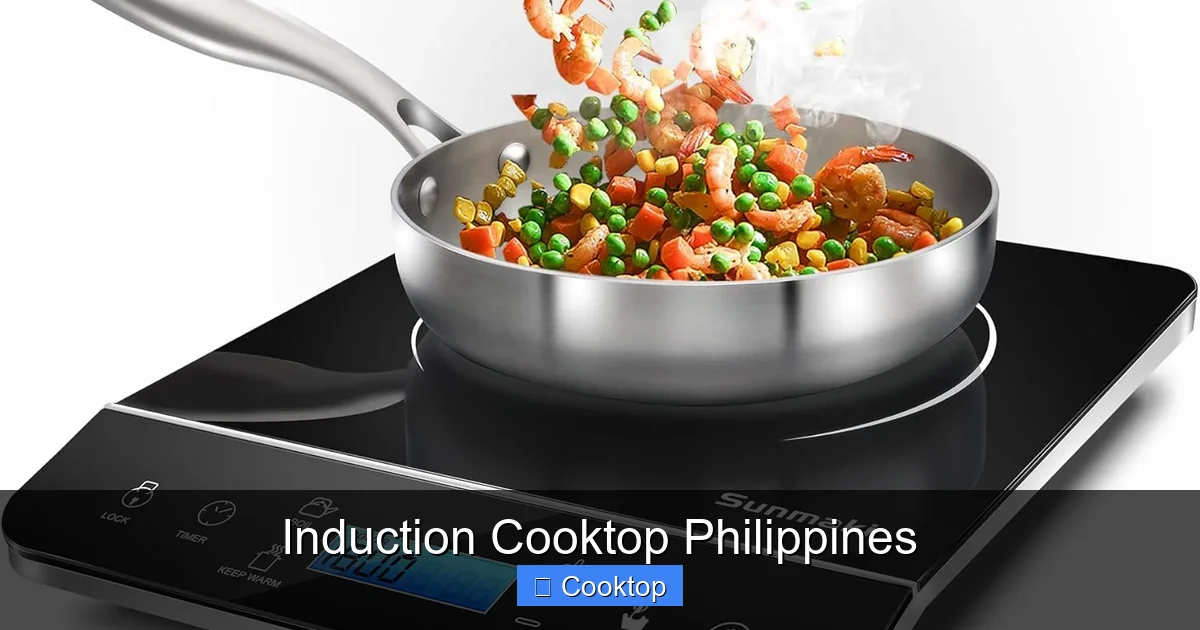
Induction cooktops are fast becoming a kitchen staple across the Philippines, offering speed, safety, and energy savings. Whether you live in a small apartment or a spacious house, there’s a model that fits your power needs and design preferences. This guide walks you through the latest options, key features, and easy cooking tips so you can make an informed purchase today. Explore our top picks and learn how to get the most out of your new induction cooktop!
Key Takeaways
- Why Induction Is Growing in the Philippines: Fast heating, precise control, and lower electricity bills make induction popular among Filipino homeowners.
- Power Levels Matter: Choose a cooktop with enough wattage for your pots and typical cooking tasks, especially in high‑altitude areas.
- Portability vs. Built‑in: Compact units suit renters, while freestanding or drop‑in models add a permanent, sleek look to any kitchen.
- Safety Features: Look for child lock, automatic shutoff, and pan‑detection to protect families and reduce accidents.
- Top Brands in the Market: Brands like Philips, Panasonic, and Tiger dominate the Philippine market with reliable performance.
- Maintenance Tips: Clean promptly, avoid abrasive pads, and store cords safely to extend the life of your induction cooktop.
📑 Table of Contents
- Why Induction Cooktops Are Gaining Popularity in the Philippines
- How Induction Technology Works and Its Benefits
- Types of Induction Cooktops: Compact, Freestanding, and Built‑in
- Key Features to Consider Before Buying
- Top Brands and Recommended Models in the Philippines
- Maintenance, Cooking Tips, and Final Verdict
Why Induction Cooktops Are Gaining Popularity in the Philippines
Every year, more Filipino households switch from gas to induction. The shift is not just a trend; it’s driven by real benefits that fit the local lifestyle. Induction cooktops heat food faster than traditional stoves, which means less time spent waiting for water to boil or oil to heat up. In a country where many families cook together, speed translates to more time for family meals and less stress in the kitchen.
Energy savings are another big draw. Induction uses electricity more efficiently, so your monthly bills stay lower than with older electric ranges. Safety also plays a huge role. Because the surface stays cool to the touch, accidental burns are rare. This is especially valuable in homes with children, where a simple touch can cause serious injuries.
Design is also a factor. Modern induction cooktops have sleek, minimalist looks that complement contemporary Filipino interiors. Whether you live in a high‑rise condo in Makati or a suburban house in Cebu, you can find a model that matches your kitchen’s aesthetic. The quiet operation is another plus—perfect for open‑plan living where noise can be distracting.
Fast Cooking Speed
When you place a pot on an induction surface, the magnetic field instantly heats the cookware. This direct heating method eliminates the wasted heat that gas or electric coils produce. You’ll notice the water starts bubbling in seconds, and a steak sears in minutes rather than tens of minutes. For busy families, this speed can cut daily cooking time by up to 30%.
Lower Energy Bills
Induction cooktops convert over 80% of the electricity they use directly into heat. Gas stoves, by contrast, lose a lot of heat to the surrounding air. Over a year, the average Filipino household can save around PHP 1,200‑1,500 on electricity by switching to induction. Those savings add up, especially during the hot summer months when air‑conditioners already strain the power grid.
Safety First
The cooktop surface remains cool unless a magnetic pan is present. This reduces the risk of accidental burns, a common concern in households with kids. Many models also include child‑lock functions, automatic shutoff when no pot is detected, and overheat protection. These features give parents peace of mind and help prevent kitchen accidents.
How Induction Technology Works and Its Benefits
Understanding the science behind induction helps you appreciate why it’s such a smart choice. Induction cooktops rely on electromagnetic induction, a principle discovered by Michael Faraday. When you turn the cooktop on, an alternating current creates a magnetic field under the glass‑ceramic surface. This field interacts with ferromagnetic materials in your cookware, generating heat directly inside the pot or pan.
Because heat is generated inside the cookware, there’s virtually no heat loss to the air. This means the area around the cooktop stays cool, which is why you can safely touch the surface just a few centimeters away from the pan. The result is faster boiling, quicker searing, and more precise temperature control.
Precision is another major benefit. Most induction cooktops let you set temperature in 10‑degree increments, giving you fine‑tuned control that gas stoves can’t match. Digital displays show the exact temperature, and many models include preset cooking programs for rice, soup, or sautéing. For Filipino cooking styles that require delicate temperature adjustments—like maintaining a low simmer for sinigang—these features are invaluable.
Energy Efficiency
Induction cooktops have an efficiency rating of 85‑90%, compared to 40‑50% for gas and 70‑80% for electric coils. This means more of the electricity you pay for turns into usable heat. Over a year, the higher efficiency can shave off a noticeable portion of your electric bill, especially if you use your cooktop daily.
Precise Temperature Control
Digital controls allow you to set the exact temperature you need. Whether you’re melting chocolate at 120°C or keeping a broth at a gentle 80°C, induction lets you do it without guesswork. Some models even have a “pause” function that remembers the last temperature setting, so you can quickly resume cooking without recalibrating.
Fast Warm‑up and Cool‑down
When you need to heat a large pot of water for batch cooking, induction does it in minutes. The rapid heating also means the cooktop cools down quickly after you remove the pan, reducing the risk of burns from residual heat. This quick cool‑down is a safety plus for households with elderly members or young children.
Types of Induction Cooktops: Compact, Freestanding, and Built‑in
Choosing the right size and style depends on your kitchen layout and cooking habits. In the Philippines, three main categories dominate the market: compact or portable units, freestanding (counter‑top) models, and built‑in or drop‑in cooktops.
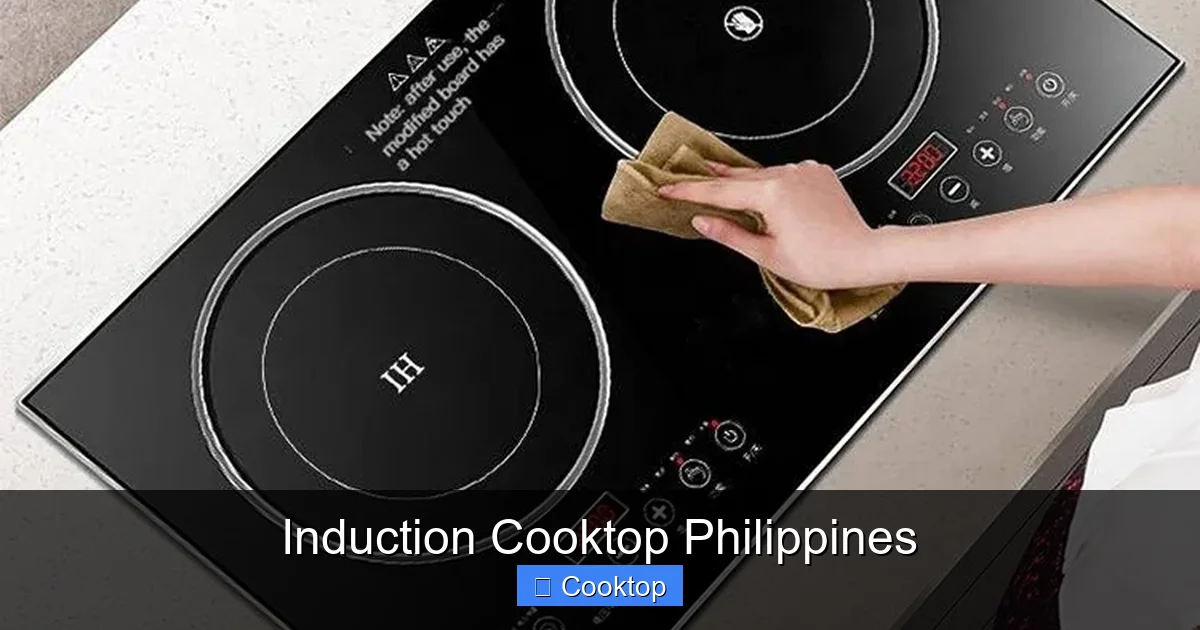
Visual guide about Induction Cooktop Philippines
Image source: down-ph.img.susercontent.com
Compact models are perfect for studio apartments, dorm rooms, or as a secondary cooktop in larger kitchens. They usually feature 1‑2 burners, low wattage (around 1,200‑1,500 W), and a lightweight design that you can move around easily. Freestanding cooktops sit directly on your kitchen counter, offering more power (often 2,000‑2,500 W) and multiple burners, making them suitable for everyday family cooking.
Built‑in or drop‑in cooktops are installed into a kitchen island or countertop, giving a seamless, professional look. They often come with additional features like downdraft ventilation, touch controls, and higher wattage for larger pots. If you’re remodeling a new home or want a sleek, permanent solution, a built‑in model is the way to go.
Compact & Portable Models
These units weigh between 5‑10 kg and are designed for easy transport. They typically have 1‑2 burners and can be plugged into any standard wall outlet. For students living in shared apartments or renters who can’t modify the kitchen, a compact induction cooktop is a lifesaver. You can also take it on vacation or bring it to a relative’s house for gatherings.
Freestanding (Counter‑top) Cooktops
Freestanding models are the most popular among Filipino families. They range from 2‑burner to 6‑burner configurations and often include features like timer functions, child locks, and variable power settings. Because they sit on the counter, you can easily add or remove them as your cooking needs change. Many Filipinos choose these for their flexibility and relatively affordable price points.
Built‑in & Drop‑in Cooktops
Built‑in cooktops provide a sleek, integrated look. They require a dedicated cutout in the countertop or a kitchen island and are usually more expensive. However, they often come with advanced features such as downdraft extraction, touch‑sensitive controls, and higher wattage for large cookware. If you’re designing a modern kitchen in Manila or Cebu, a built‑in induction cooktop can be a striking focal point.
When deciding, think about your cooking volume. If you frequently prepare large meals for extended families, a freestanding or built‑in unit with more burners will serve you better. For occasional cooking or small households, a compact model saves space and money.
Key Features to Consider Before Buying
Beyond size and style, several features impact how well an induction cooktop fits your lifestyle. Power output, control type, safety mechanisms, and extra functions all play a role.
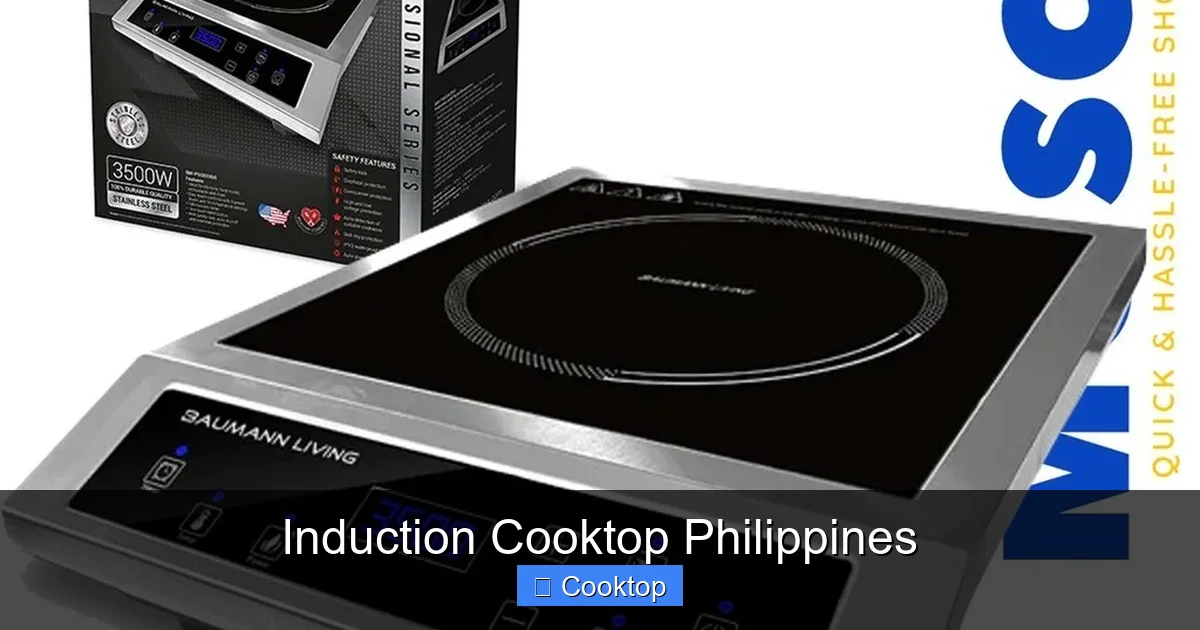
Visual guide about Induction Cooktop Philippines
Image source: down-ph.img.susercontent.com
First, check the wattage. A 1,200 W unit is enough for boiling water or light sautéing, while 2,400 W or higher is needed for heavy‑duty tasks like simmering a big pot of adobo or using large frying pans. If you often cook for big families, aim for at least 2,000 W per burner.
Next, look at the control interface. Touch‑sensitive panels are sleek and easy to clean, while dial or slider controls can be more tactile. Some models include digital displays that show exact temperature, which is helpful for precise cooking. Smart features like Wi‑Fi connectivity or smartphone apps are nice but not essential for most Filipino kitchens.
Safety features are a must. Automatic shutoff when a pan is removed, child lock, and overheat protection give you confidence. Some cooktops also have a “fade‑to‑zero” function that dims the display when not in use, saving energy. Downdraft ventilation, found in many built‑in models, pulls smoke and odors downward, which is ideal for open‑plan kitchens.
Power & Wattage
Power determines how quickly your food heats. For everyday cooking, 1,800‑2,200 W per burner is a good sweet spot. If you have large family meals or often use heavy pots, consider models with 2,500 W or higher. Always match the wattage to your typical cookware size; a high‑wattage cooktop with a small pan can waste energy.
Control Types
Touch controls offer a modern look and are easy to wipe clean. Dial controls provide tactile feedback, which some users prefer for adjusting heat levels. Slider controls let you fine‑tune temperature with a simple slide. Choose whatever feels most comfortable for your daily routine.
Safety Mechanisms
Child lock prevents accidental operation—a key concern in homes with kids. Pan detection automatically turns off the burner when no magnetic cookware is present, saving energy and reducing fire risk. Overheat protection shuts the unit down if it gets too hot, protecting both the appliance and your kitchen.
Extra Functions
Many induction cooktops include preset cooking programs for rice, soup, or stew. These programs automate temperature and timing, perfect for preparing Filipino favorites like sinigang or kare‑kare. Some models also have a “keep warm” function, which maintains a low temperature without burning food. Timer functions let you set cooking periods, useful when multitasking in a busy household.
Top Brands and Recommended Models in the Philippines
Brand reputation often reflects build quality, after‑sales support, and warranty terms. In the Philippine market, a few brands stand out for reliability and value.
Philips is known for its intuitive controls and sleek designs. The Philips HD4939/91 Induction Cooktop offers 4 burners with a total power of 6,400 W, making it suitable for large families. Panasonic provides robust performance with models like the Panasonic KX‑T12, featuring a 2,400 W per burner and a durable glass‑ceramic surface.
Tiger and Mirama are popular local choices, offering affordable options with decent performance. Tiger’s TI‑C2402 model includes a 2,000 W total output and a simple dial control, ideal for budget‑conscious buyers.
When picking a model, consider the number of burners, wattage, and any extra features you need. For a compact solution, the best 2‑burner drop‑in induction cooktop offers a good balance of power and space‑saving design. If you need a larger unit with downdraft, the best 30‑inch induction cooktop with downdraft provides ample cooking area and integrated ventilation. For cooking accessories, pair your new cooktop with the best frying pan for induction cooktop to get the most out of your meals.
Philips Induction Cooktops
Philips focuses on user‑friendly designs. Their models often include touch controls, preset cooking programs, and safety features like automatic shutoff. The HD4939/91 is a 4‑burner model with a total power of 6,400 W, perfect for families that cook frequently. The glossy black finish matches modern kitchen aesthetics, and the intuitive temperature dial makes it easy for anyone to use.
Panasonic Induction Cooktops
Panasonic emphasizes durability and performance. Their KX‑T12 model offers 2,400 W per burner, ensuring fast heating for large pots. The built‑in timer and child lock add convenience and safety. Panasonic’s after‑sales network across major Philippine cities means you can get support quickly if needed.
Tiger & Mirama Options
Tiger and Mirama target the budget segment without sacrificing essential features. Their compact models often include 1,200‑1,500 W output, which is enough for most everyday tasks. While they may lack advanced smart features, they provide reliable performance for simple cooking needs.
Choosing the Right Brand for You
Consider your budget, cooking habits, and kitchen space. If you cook often and need robust performance, invest in a higher‑wattage brand like Philips or Panasonic. For occasional use or limited budgets, Tiger or Mirama provide decent options. Always check the warranty length and after‑sales service availability in your area.
Maintenance, Cooking Tips, and Final Verdict
Even the best induction cooktop needs proper care to stay in top condition. Regular cleaning prevents food residue from damaging the glass surface, and proper storage protects the cord and accessories.
After each use, let the cooktop cool slightly, then wipe the surface with a soft, damp cloth. Avoid abrasive sponges or harsh chemicals, as they can scratch the glass. For stubborn spots, a mild dish soap works well. Never submerge the unit in water, and keep liquids away from the control panel.
Store the power cord neatly, coiling it without sharp bends. If you’re not using the cooktop for an extended period, unplug it to protect against power surges. Keep the manual handy for troubleshooting tips, and note the recommended cleaning schedule from the manufacturer.
Cooking with induction does require some adjustments. Magnetic cookware is a must—aluminum, copper, or glass pots need a ferromagnetic base to work. If you have non‑magnetic pans, you can add a magnetic insert or switch to induction‑compatible cookware. Many Filipinos already own stainless‑steel pots, which work perfectly.
When searing meat, pre‑heat the pan to the desired temperature before adding oil. Because the heat response is immediate, you can control the sear more precisely. For boiling, use a pot with a heavy bottom to distribute heat evenly. This prevents hot spots that can cause food to burn.
Finally, consider the overall value. Induction cooktops may have a higher upfront cost than gas stoves, but the long‑term savings on electricity and the safety benefits often outweigh the initial investment. In the Philippines, where many households rely on cooking for daily meals, an induction cooktop can become a cherished kitchen ally for years to come.
In summary, choose a model that matches your kitchen size, power needs, and budget. Look for reliable brands, essential safety features, and easy‑to‑clean surfaces. Pair your new cooktop with quality cookware—like the best frying pan for induction cooktop—to enjoy delicious meals with modern convenience. With proper care and smart usage, your induction cooktop will deliver fast, precise, and safe cooking for every Filipino family gathering.
Frequently Asked Questions
What is an induction cooktop and how does it work?
An induction cooktop uses electromagnetic fields to heat magnetic cookware directly, delivering fast and precise heating while keeping the surface cool. This technology is energy‑efficient and safe, making it ideal for Philippine homes.
Do I need special cookware for an induction cooktop?
Yes, the cookware must be magnetic. Stainless steel, cast iron, and enameled pots work well. Non‑magnetic pans like pure aluminum or glass need a ferromagnetic base or an induction adapter.
How much electricity does an induction cooktop use?
A typical 2,000 W induction cooktop consumes about 2 kWh per hour of use. Over a year, most families save PHP 1,200‑1,500 compared to gas or older electric stoves.
Can I install a built‑in induction cooktop in a small apartment?
Yes, compact or drop‑in models are designed for limited spaces. Choose a unit with 1‑2 burners and lower wattage to match your kitchen’s electrical capacity.
What safety features should I look for?
Look for child lock, automatic shutoff when no pan is detected, overheat protection, and a durable glass‑ceramic surface. These features help prevent accidents and extend the life of your cooktop.
How do I clean an induction cooktop?
Wipe the surface with a soft, damp cloth after cooling. Use mild dish soap for stubborn spots. Avoid abrasive pads and harsh chemicals. Keep liquids away from the control panel and unplug when not in use.