Top 2 Water Softener Salts for Septic Systems: Expert Picks
If you’re researching the Best Water Softener Salt For septic Systems, you’re in the right place. Softener salt can play a key role in protecting septic health by reducing mineral buildup that can stress your system. In this quick roundup, we compare two popular options and share practical notes to help you choose a salt that works well for septic health and everyday use. For additional context, check our related guides on the Best Water Softener Salt For Septic Systems, the Best Salt For Water Softener Pellets Or Crystals, and the Best Water Softener System For Hard Water guides.
Quick Product Comparison
| Product | Image | Check Price |
|---|---|---|
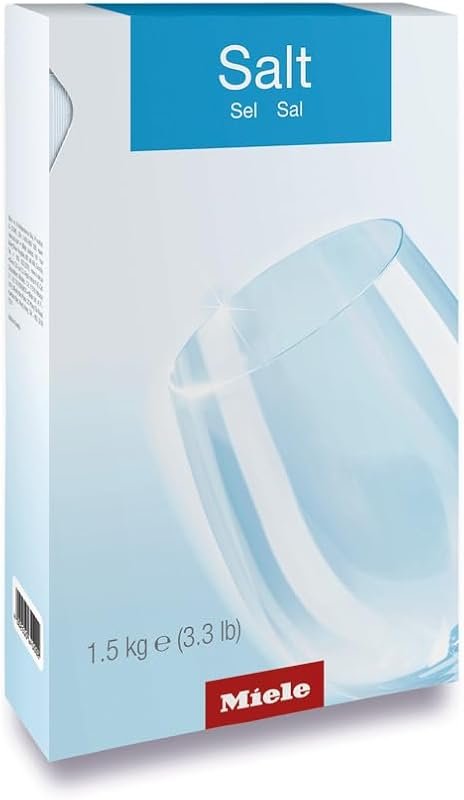
| 1. Miele Reactivation Salt Dishwasher Salt | |
Check Price |
| 2. Morton 1499 Clean Protect Water Softener Salt Pellets | 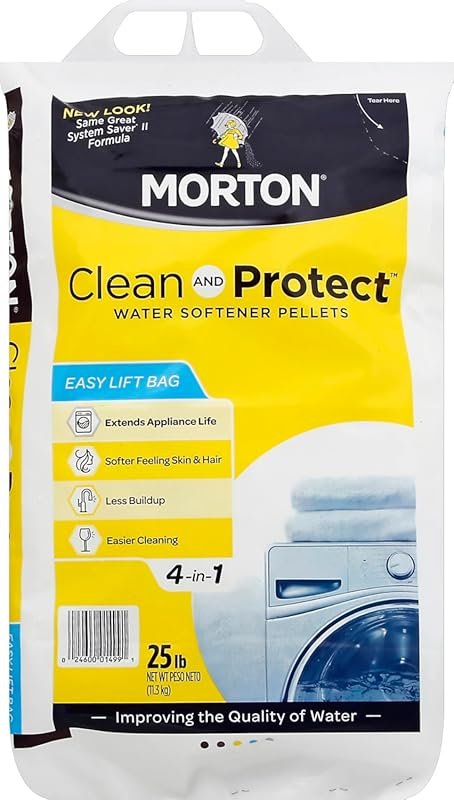 |
Check Price |
h3 style=”margin: 10px 0 30px 0; padding: 0; line-height: 1.3;”>1. Miele Dishwasher Salt with Extra Coarse Grains, Reactivation Salt to Protect Dishes from Limescale, 3.3 lb
★★★★★ 5/5
intro text here (2-3 sentences only)
Key Features That Stand Out
- ✓ Extra coarse grains promote better dissolution and reduced clumping
- ✓ Reactivation capability helps protect against limescale buildup
- ✓ Works well with standard dishwasher detergents for sparkling results
- ✓ Trusted Miele compatibility and reliability
Why We Recommend It
We value a salt that dissolves consistently and works with septic-friendly use. This Miele option is well-regarded for minimizing mineral deposits in the rinse cycle and for contributing to overall appliance longevity.
Best For
Best for households with high mineral content seeking dependable limescale protection in dishwashers while preserving septic-system health.
Pros and Cons
Pros:
- ✓ Strong limescale prevention
- ✓ Easy to dissolve in water softeners
- ✓ Compatible with many dishwashers
- ✓ Renowned brand reliability
Cons:
- Cons: Slightly premium price
- May require more frequent refills in very hard water areas
Customer Reviews
Customer Review: “I noticed less scale on dishes and my dishwasher runs more quietly since using this salt. A solid buy.” – Jamie T.
Customer Review: ” pricier than some options, but it lasts and keeps our glasses sparkling without residue.” – Michael R.
2. Morton Clean Protect 1499 Water Softener Salt Pellets, Water Softener Cleaner, 25 lb
★★★★☆ 4.5/5
intro text here (2-3 sentences only)
Key Features That Stand Out
- ✓ Pellets provide consistent density for steady softening
- ✓ Helps prevent mineral buildup in pipes and appliances
- ✓ Designed for easy handling and storage
- ✓ Trusted Morton brand with performance focus
Why We Recommend It
This Morton pellet option offers reliable performance with a focus on long-term system efficiency. It’s a solid choice for septic-conscious households seeking straightforward maintenance and good value.
Best For
Best for homes needing a dependable pellet option that is easy to store and measure.
Pros and Cons
Pros:
- ✓ Good mineral protection
- ✓ Easy handling and storage
- ✓ Solid value for the price
- ✓ Widely available
Cons:
- ✓ Pellets may require occasional stirring to prevent settling
- ✓ Some users may prefer crystals for rapid dissolution
Customer Reviews
Customer Review: “Pellets are easy to scoop and dissolve well in our system; no clogs so far.” – Linda K.
Customer Review: “Price is reasonable and the salt seems to keep our water soft with less scale.” – Aaron P.
Complete Buying Guide for Best Water Softener Salt For Septic Systems
Essential Factors We Consider
When choosing a salt for septic systems, look for products that dissolve evenly, minimize residue, and support overall system health. Consider whether you want pellets or crystals based on your softener model and local water hardness. For more on pellet versus crystal options, see our guide on the Best Salt For Water Softener Pellets Or Crystals.
Budget Planning
Salt costs vary by weight and packaging. Pellets can be slightly more expensive per pound but may offer easier handling and longer shelf life. If you’re on a tight budget, compare price-per-pound and consider storage space for larger bags.
Final Thoughts
For septic-aware households, choose a salt that minimizes mineral buildup and works well with your dishwasher and plumbing. Balanced choices like those highlighted here can help maintain both appliance performance and septic health while keeping costs reasonable.
Frequently Asked Questions
Q: Are water softener salts safe for septic systems?
A: Yes, when you choose the right salt type and use it as directed. Pellets or crystals that are specifically designed for residential water softeners generally perform well without harming septic bacteria when used in moderation.
Q: Pellets vs crystals, which is better for septic systems?
A: Pellets tend to dissolve more evenly and can reduce sediment, which is helpful for septic health. Crystals can work too, especially in standard systems, but may leave more dust in some setups.
Q: How often should I refill salt for my softener?
A: It depends on hardness, water usage, and the size of your salt tank. Check your system’s salt level weekly and top up as needed to maintain a consistent supply for smooth operation.
Q: Can I use rock salt in a household water softener with a septic system?
A: It’s not usually recommended. Rock salt can contain impurities and dust that may affect the resin bed and septic lines over time. Use salt intended for water softeners.
Ready to take the next step? Compare current prices and read more reviews on the two options above, or jump to related guides like our Best Water Softener Systems For Well Water and the Best Salt For Water Softener Pellets Or Crystals pages to broaden your understanding. For septic-health specifics, the Best Water Softener Salt For Septic Systems guide is a great starting point.
If you’re ready to buy, use the “Check Price on Amazon” buttons above for each product to see current pricing and availability.