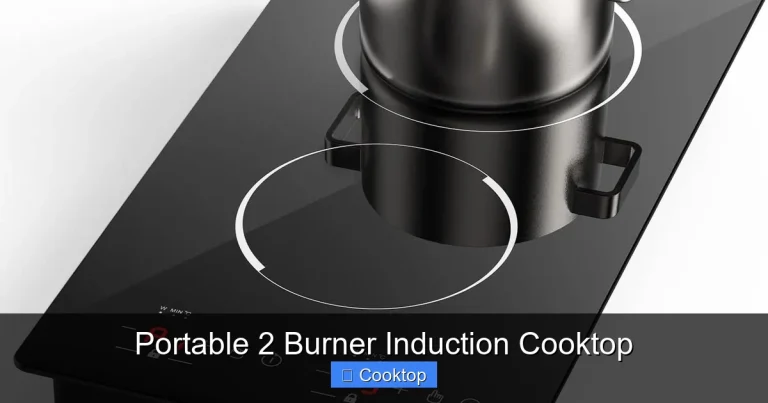
Budget Cooktop
A budget cooktop gives you reliable performance without a premium price tag. Whether you are a student, a young family, or simply looking to save, a well‑chosen budget model can meet most daily cooking needs. You’ll find that many entry‑level units still offer safety features, precise temperature control, and easy cleaning.
Key Takeaways
- Affordable Performance: Budget cooktops deliver solid cooking power and safety without the high cost of premium models.
- Versatile Options: You can find electric coil, glass‑ceramic, and portable versions that fit different kitchen layouts.
- Essential Features: Look for at least two burners, smooth temperature adjustments, and child‑lock safety.
- Brand Reliability: Trusted brands like Westinghouse, Hamilton Beach, and Emerson offer models that consistently earn positive reviews.
- Size Matters: Measure your countertop space to choose a cooktop that fits and leaves room for ventilation.
- Easy Maintenance: Most budget units have removable grates and smooth surfaces that are simple to wipe clean.
- Future‑Proof Investment: Even a low‑cost cooktop can be upgraded with accessories like a ceramic cooktop scraper or a cooktop cover.
📑 Table of Contents
What Is a Budget Cooktop?
When we talk about a budget cooktop, we mean a cooking surface that stays under a certain price point—usually $200 to $300—while still offering reliable performance. These units are not “cheap” knock‑offs; they are thoughtfully designed to meet everyday cooking needs without the premium brand markup.
Definition and Common Types
A budget cooktop typically uses electric heating elements. You will find three main styles:
- Electric coil cooktops – simple, inexpensive, and easy to replace.
- Glass‑ceramic cooktops – smooth, sleek, and often more efficient than coils.
- Portable electric cooktops – compact units that can sit on any countertop or even be moved.
Each type serves a slightly different audience. If you are renting a small apartment, a portable model may be the best fit. For a family that cooks daily, a glass‑ceramic surface can provide a smoother cooking experience.
Typical Price Range
Most budget cooktops sit between $150 and $300. Some brands even offer models under $100, but these often have fewer burners and limited features. It’s wise to set a realistic budget early. A $200 investment can buy you a unit with safety locks, adjustable heat, and a durable surface that will last for years.
Why Choose a Budget Cooktop?
The decision to go with a budget option is often driven by practical concerns. Let’s explore the top reasons why many homeowners and renters choose a budget cooktop over a high‑end model.
Cost Savings Without Compromise
Modern manufacturing has made it possible to produce reliable heating elements at low cost. You won’t sacrifice essential functions like temperature control or safety. Many budget models include dual‑speed burners and automatic shut‑off features that protect your kitchen.
When you compare a $250 budget cooktop to a $1,200 premium unit, you save $950. That money can go toward better cookware, a new set of pots, or even a kitchen renovation. The performance gap is noticeable but rarely a deal‑breaker for everyday meals.
Ideal for First‑Time Buyers
If you have just moved into a new place, a budget cooktop is a safe choice. It is lightweight, easy to install, and often comes with simple mounting brackets. You can also find units that match standard countertop dimensions, which means you won’t need custom cuts.
Another advantage is flexibility. Should you decide to upgrade later, a budget unit is easier to replace without feeling you wasted a large investment. This makes it perfect for temporary living situations or for those who like to change their kitchen style frequently.
Key Features to Look For
Choosing the right budget cooktop comes down to a few critical features. Below are the most important factors you should evaluate before clicking “buy.”
Burner Configuration
Most budget cooktops include two to four burners. Two‑burner models are great for small kitchens, while four‑burner units give you more flexibility for larger families. Look for burners that are evenly spaced and have a sturdy build.
When you read reviews, pay attention to the burner size. A 6‑inch burner works well for sauces, while an 8‑inch burner is better for boiling water or simmering stews. Having a mix of sizes can be a smart investment.
Temperature Control
Budget cooktops often use a simple dial or digital buttons for temperature adjustment. Choose a model that offers at least 6‑10 heat settings. Smooth, incremental adjustments let you bring water to a gentle simmer without overshooting the temperature.
Some units also feature rapid‑heat buttons that give an instant boost of heat. This can be handy for quickly bringing a pan to temperature, especially when you are cooking on a schedule.
Safety Features
Even an inexpensive cooktop should include basic safety mechanisms. Child‑lock functions prevent accidental burns. Automatic shut‑off sensors turn the unit off if it overheats or if a pot is left unattended for too long.
Another useful safety element is an overheat protection sensor. This keeps the surface from reaching dangerous temperatures, protecting both your kitchen and your family.
Surface Material
Glass‑ceramic surfaces are popular in budget models because they are smooth, easy to clean, and distribute heat evenly. Electric coil surfaces are cheaper but can be trickier to keep spotless. If you prefer a low‑maintenance option, go with a glass‑ceramic.
Consider also the scratch resistance of the surface. A tougher glass can handle the occasional bump from a heavy pan without leaving marks.
Top Budget Cooktop Brands
A handful of manufacturers dominate the budget market. Their models balance price, reliability, and feature set. Below are three brands that consistently earn high marks from users and experts.
Visual guide about Budget Cooktop
Image source: flatworldknowledge.lardbucket.org
Westinghouse
Westinghouse offers a line of budget electric cooktops that are known for durability. Their models often include four burners, a smooth surface, and a reliable temperature control dial. The brand’s customer support is also praised, which can be a lifesaver if something goes wrong.
When you compare Westinghouse to other budget brands, you’ll notice they tend to have a slightly higher price point but also more features. If you are looking for a unit that feels a bit more premium without breaking the bank, Westinghouse is a solid choice.
Hamilton Beach
Hamilton Beach is famous for kitchen appliances that are both affordable and functional. Their budget cooktops typically come with two or three burners, a simple control panel, and a lightweight design. Many users appreciate the easy‑clean surface and the fact that the units are often on sale during holiday promotions.
One standout feature is the rapid‑heat option, which many competitors lack at this price level. If you value speed and convenience, Hamilton Beach can be a great option.
Emerson
Emerson’s budget line focuses on reliability and safety. Their cooktops often include child‑lock and overheat protection as standard features. The units are also built with a sturdy metal frame, which adds longevity.
Emerson’s models tend to have a classic look with a black surface and simple dials. They are perfect for users who prefer a no‑frills approach and want a cooktop that simply works.
How to Choose the Right Size
Size is one of the most overlooked factors when buying a budget cooktop. A unit that is too large can overwhelm a small countertop, while a tiny model may leave you wishing for more burners.
Measuring Your Space
Start by measuring your countertop’s width and depth. Most budget cooktops are 30 inches wide, but you can also find 24‑inch and 36‑inch versions. Make sure there is at least 2‑3 inches of clearance on each side for ventilation and easy access.
Depth is usually around 20‑22 inches. Ensure the depth of your cabinets can accommodate the unit, especially if the cooktop has a built‑in grille or control panel that extends slightly beyond the cooking surface.
Burner Layout Considerations
Consider how many burners you need and where you want them placed. A typical four‑burner layout has a front‑left small burner, a front‑right medium burner, a back‑left large burner, and a back‑right medium or small burner. This arrangement works well for most family cooking.
If you have a limited space, a two‑burner model with a larger central burner can be a smart compromise. Some budget cooktops also offer flexible burner positions, allowing you to adjust the layout based on the size of your pots.
Maintenance and Cleaning Tips
Even the most affordable cooktop requires regular care to stay in top shape. Proper maintenance extends the life of the unit and keeps the cooking surface looking like new.
Daily Cleaning Routine
After each use, let the surface cool down completely. Use a soft, non‑abrasive sponge and mild dish soap to wipe away food splatters. For glass‑ceramic surfaces, avoid harsh chemicals that can damage the finish.
Remove any grates or burner caps and wash them in the sink. Dry them thoroughly before placing them back on the cooktop. This prevents rust and ensures even heating.
Deep Cleaning and Stain Removal
Once a week, give your cooktop a deeper clean. Sprinkle a little baking soda over the surface and spray with water to form a paste. Let it sit for a few minutes, then gently scrub with a soft cloth. This removes burnt‑on residues without scratching.
For stubborn stains, a mixture of vinegar and water works well. Apply with a spray bottle, let it sit for 5‑10 minutes, then wipe clean. Always follow up with a dry cloth to prevent water spots.
Remember to clean the control knobs and any electronic displays with a damp cloth. Avoid getting moisture into vents or control panels.
Conclusion
A budget cooktop is more than just an inexpensive cooking surface; it’s a practical solution that delivers reliable performance for everyday meals. By focusing on key features like burner configuration, temperature control, and safety mechanisms, you can find a model that meets your needs without overspending.
Whether you are furnishing a new apartment, updating a rental kitchen, or simply looking to save money on a home improvement project, the right budget cooktop can make a big difference. Brands such as Westinghouse, Hamilton Beach, and Emerson provide solid options, and careful sizing and maintenance will keep your unit running smoothly for years to come.
Take your time to compare models, read user reviews, and consider how you plan to use the cooktop. With the right choice, you’ll enjoy confident cooking, easy cleaning, and the satisfaction of saving money while still getting quality.
Frequently Asked Questions
What is the average lifespan of a budget cooktop?
Most budget cooktops last 5‑7 years with regular use. Proper cleaning and avoiding overheating can extend this period. If you notice uneven heating or flickering lights, it may be time for a replacement.
Can a budget cooktop be installed on a gas line?
No, budget cooktops are electric models. They plug into a standard household outlet or require a dedicated circuit. If you need a gas connection, you’ll need a different type of cooking surface.
Are budget cooktops energy efficient?
Many budget models are designed to be energy efficient, especially glass‑ceramic types that heat up quickly and retain heat well. Look for units with automatic shut‑off features to reduce wasted energy.
Do budget cooktops come with warranties?
Yes, most budget cooktops include a limited one‑year warranty covering defects in materials and workmanship. Some brands offer extended warranty options for an additional fee.
What cookware works best on a budget cooktop?
Use flat‑bottomed pans made of aluminum or stainless steel. Avoid copper or cast iron bottoms that may not make full contact with the heating elements, leading to uneven cooking.