How Long to Cook Salmon Oven 400
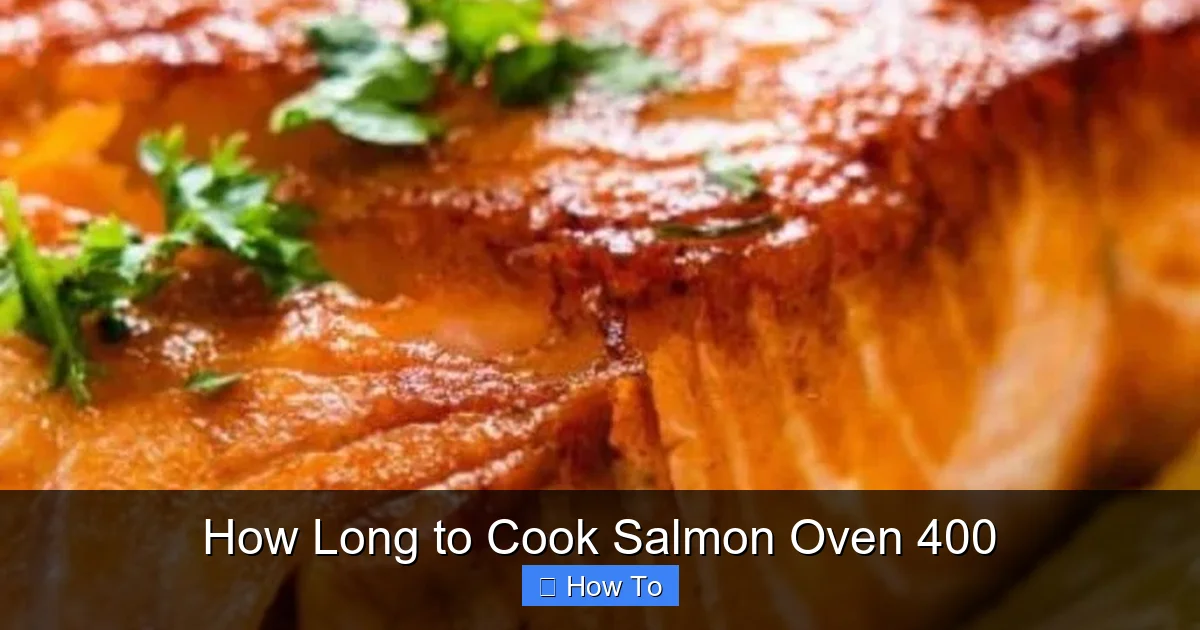
Cooking salmon in the oven at 400°F typically takes 12-15 minutes for fillets, but timing depends on thickness and preparation. Follow these steps to ensure tender, flaky results every time.
Key Takeaways
- Cook time varies: 12-15 minutes for 1-inch salmon fillets, longer for thicker cuts.
- Check internal temperature: 145°F is the safe minimum for fully cooked salmon.
- Skin-on vs. skinless: Skin-on fillets cook more evenly and retain moisture.
- Use parchment paper: Makes cleanup easier and prevents sticking.
- Rest before serving: Let salmon sit 2-3 minutes for optimal texture.
- Pair with sides: Lemon wedges, herbs, or roasted veggies elevate the dish.
📑 Table of Contents
How Long To Cook Salmon Oven 400: A Foolproof Guide
There’s nothing quite like oven-baked salmon at 400°F—it’s simple, healthy, and consistently delicious. Whether you’re a seasoned cook or a kitchen newbie, mastering this method ensures juicy, flaky results without guesswork. The key lies in understanding how oven heat interacts with salmon’s delicate flesh. At 400°F, the high heat sears the exterior while gently cooking the inside, locking in moisture. But timing is everything. Overcook by just a minute, and you’ll end up with dry, chalky fish. Undercook, and you risk foodborne illness.
This guide breaks down everything you need to know: from choosing the right salmon to adjusting cook times for different cuts. You’ll learn why skin-on fillets are a game-changer, how to season for maximum flavor, and why resting your salmon before serving matters. We’ll also cover common mistakes—like skipping a meat thermometer—and how to fix them. Ready to become a salmon-baking pro? Let’s dive in!
Why 400°F Is Ideal for Salmon
Preheating your oven to 400°F strikes the perfect balance between speed and tenderness. Salmon responds beautifully to this temperature because it’s hot enough to caramelize the skin (if you’re using skin-on) and create a slightly crispy exterior, while still cooking the fish evenly. Lower temperatures risk undercooking, while higher ones can dry out the meat.
When salmon cooks at 400°F, the Maillard reaction—the chemical process that browns proteins and adds depth of flavor—happens quickly. This means you’ll get that coveted golden crust without overcooking the center. Plus, the high heat helps render the skin crispy, adding a delightful textural contrast to the tender flesh.
How Thickness Affects Cook Time
One of the most common mistakes when baking salmon is assuming all fillets cook the same. **Thickness is the #1 factor determining how long to cook salmon oven 400**. A 1-inch fillet might only need 12 minutes, while a 2-inch steak could require 20-25 minutes. Always measure your salmon before cooking!
Here’s a quick reference:
– **1-inch thick**: 12-15 minutes
– **1.5-inch thick**: 18-22 minutes
– **2-inch thick**: 25-30 minutes
Pro tip: Place thicker cuts on the top rack of your oven to ensure even cooking. Thinner fillets go on the middle rack to avoid burning.
Skin-On vs. Skinless Salmon: What’s the Difference?
Cooking salmon with the skin on is highly recommended. The skin acts as a protective layer, preventing the flesh from drying out and helping the fish cook evenly. It also crisps up nicely in the oven, adding a satisfying crunch. If you’re using skinless salmon, you’ll need to be extra careful not to overcook it.
To prepare skin-on salmon:
1. Pat the fillet dry with paper towels.
2. Season the flesh side generously with salt, pepper, and your favorite herbs.
3. Place skin-side down on a parchment-lined baking sheet.
For skinless salmon, consider marinating it first to boost flavor and moisture retention.
How to Season Salmon for Oven Baking
Salmon’s rich, buttery flavor pairs well with both simple and bold seasonings. Start with a base of salt, pepper, and lemon juice. From there, you can get creative! Here are a few ideas:
– **Asian-inspired**: Soy sauce, ginger, garlic, and sesame oil.
– **Mediterranean**: Olive oil, oregano, dill, and capers.
– **Cajun twist**: Paprika, cayenne, garlic powder, and onion powder.
Avoid overloading the fish with wet marinades. Too much moisture can interfere with the Maillard reaction and prevent the skin from crisping. If using a marinade, pat the salmon dry before baking.
Step-by-Step: How to Cook Salmon in the Oven at 400°F
Ready to bake? Follow this foolproof method:
- Preheat: Set your oven to 400°F and position a rack in the middle.
- Prepare: Season salmon fillets (skin-on or skinless) and place them on a parchment-lined baking sheet.
- Bake: Cook for 12-15 minutes (adjust based on thickness).
- Check: Use a meat thermometer to ensure the internal temperature reaches 145°F.
- Rest: Let the salmon sit for 2-3 minutes before serving.
Common Mistakes to Avoid
Even with the best intentions, mistakes happen. Here’s how to fix them:
– **Mistake**: Overcooking salmon.
**Fix**: Invest in a meat thermometer. Take the salmon out of the oven as soon as it reaches 145°F.
– **Mistake**: Skipping the skin.
**Fix**: Always bake skin-on salmon for better texture and moisture.
– **Mistake**: Crowding the pan.
**Fix**: Give each fillet at least 2 inches of space on the baking sheet for even airflow.
How to Tell If Salmon Is Fully Cooked
The best way to check doneness is with a meat thermometer. Insert it into the thickest part of the fillet—it should read 145°F. If you don’t have a thermometer, look for these visual cues:
– The flesh should flake easily with a fork.
– The skin (if present) should be crisp and golden.
– The center should be slightly opaque, not translucent.
Resting Salmon: Why It Matters
Letting salmon rest for 2-3 minutes after baking might seem unnecessary, but it’s crucial. Resting allows the juices to redistribute, preventing them from spilling out when you cut into the fish. This results in a more tender, flavorful bite.
Pairing Salmon with Sides and Sauces
Elevate your salmon dish with complementary sides and sauces:
– **Roasted asparagus** or **zucchini** (link: How Long To Cook Roasted Asparagus In The Oven).
– **Garlic butter sauce** or **lemon dill sauce**.
– **Quinoa pilaf** or **wild rice**.
For inspiration, check out air fryer salmon recipes for alternative cooking methods.
FAQs About Cooking Salmon in the Oven at 400°F

Visual guide about How Long to Cook Salmon Oven 400
Image source: i.pinimg.com
How long does it take to cook salmon in the oven at 400°F?
It takes 12-15 minutes for 1-inch salmon fillets. Thicker cuts require more time—up to 25 minutes for 2-inch pieces.
Should I bake salmon with the skin on or off?
Bake salmon with the skin on! It prevents overcooking and adds a crispy texture. If using skinless salmon, marinate it to boost moisture.
Can I overcook salmon in the oven?
Yes, overcooking salmon at 400°F can make it dry and tough. Always use a meat thermometer to ensure it reaches 145°F.
What’s the best way to season salmon before baking?
Keep it simple: salt, pepper, lemon juice, and herbs like dill or parsley. For extra flavor, try a marinade or butter basting.
How do I know if my salmon is fully cooked?
The salmon should flake easily with a fork, and the center should be slightly opaque. A meat thermometer reading of 145°F confirms doneness.
Can I cook frozen salmon in the oven at 400°F?
Yes! Add 5-7 minutes to the cooking time for frozen fillets. Thawing first ensures more even cooking.
What sides pair well with oven-baked salmon?
Try roasted vegetables, quinoa, or a fresh salad. For inspiration, see How Long To Cook Zucchini At 400 In Oven for perfect side dishes.
Frequently Asked Questions
What is How Long To Cook Salmon Oven 400?
How Long To Cook Salmon Oven 400 is an important topic with many practical applications.