How to Calibrate an Oven Temperature 3
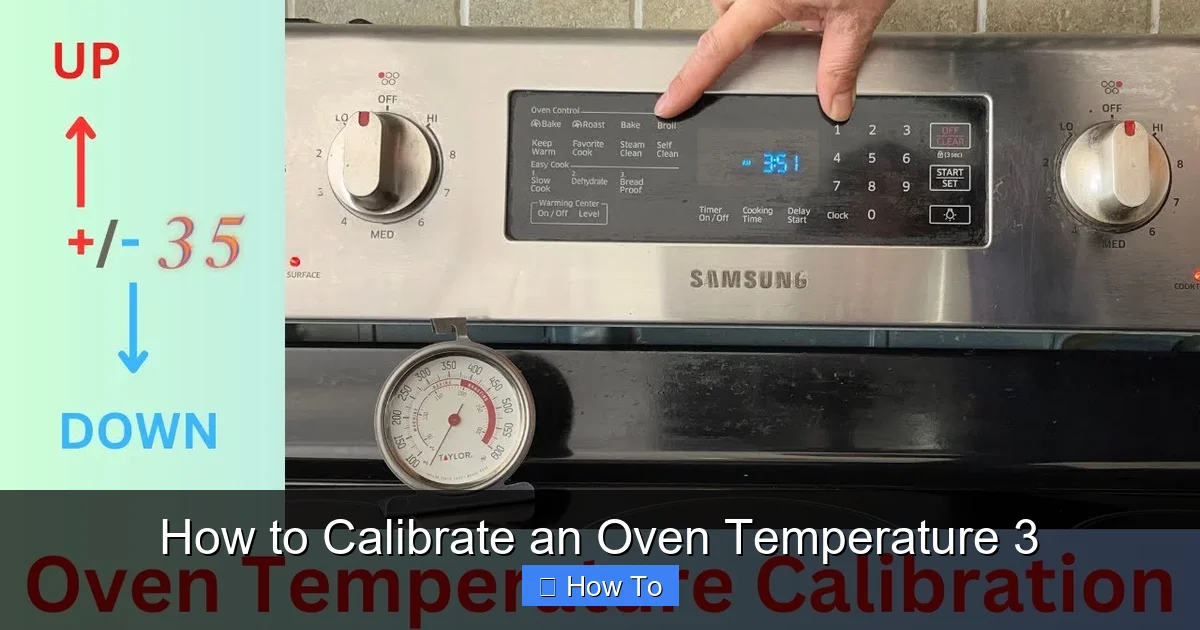
Master the art of oven calibration with our comprehensive guide on how to calibrate an oven temperature 3. Learn the tools, steps, and common pitfalls to ensure your oven delivers precise heat for flawless baking.
Key Takeaways
- Know Your Oven’s Accuracy: Most ovens have a built‑in error margin of ±10°F – calibrating can bring it to within ±2°F.
- Use a Reliable Thermometer: A high‑quality oven thermometer is essential; digital ones give instant readings propositions.
- Test With a Simple Bake: Chocolate chip cookies or a small loaf confirm your adjustments before tackling big dishes.
- Check Temperature Regularly: Ovens can drift over time; recalibrate every 6–12 months or after a power outage.
- Combine Calibration With Cleanliness: A clean oven ensures accurate heat distribution; see how to clean an extremely dirty oven for optimal results.
📑 Table of Contents
Understanding Why Calibration Matters
When you bake a cake or roast a brisket, the oven’s temperature is the foundation of flavor and texture. If the oven reads 350°F but is actually 360°F, your cookies will brown too quickly and your meat may dry out. Even a small discrepancy can wreak havoc on delicate pastries or cause uneven cooking in larger dishes.
Ovens are calibrated at the factory, but wear, age, and environmental changes can shift theAnyway, every oven can develop an error of ±10vvvv. Calibrating an oven temperature 3 is a simple yet powerful way to regain precision and confidence in your kitchen.
Gathering the Right Tools
1. Oven Thermometer
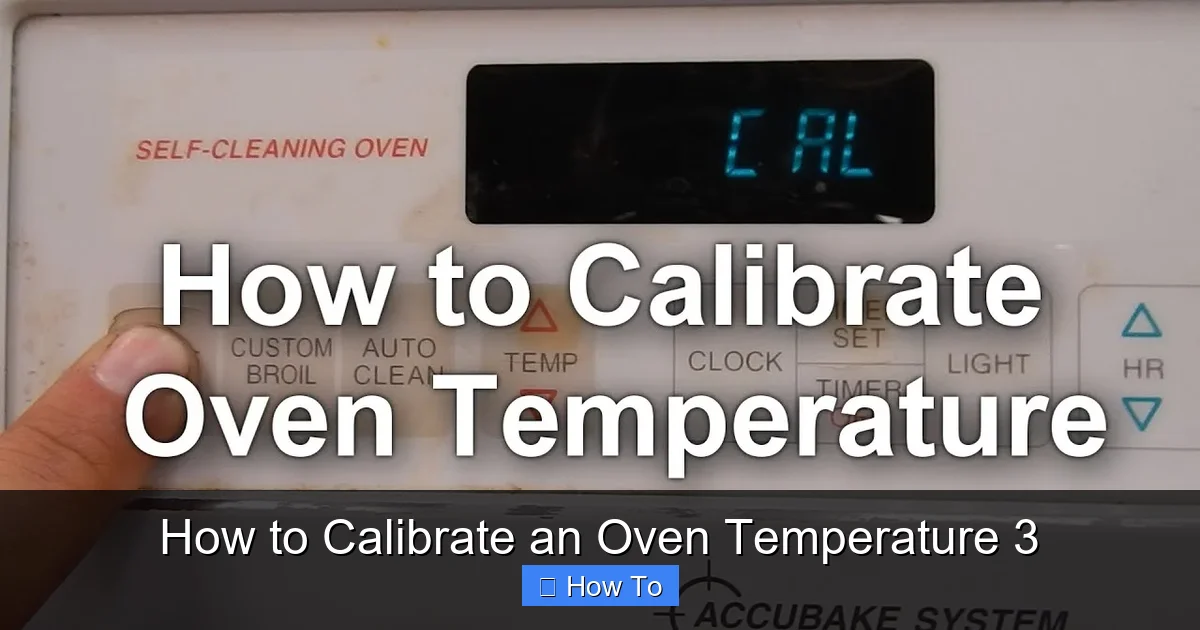
A clear, high‑accuracy digital thermometer is the cornerstone. Look φορά for a model that reads to the nearest 1°F and has a long, flexible probe. Traditional glass thermometers work, but they’re slower and harder to read.
Visual guide about How to Calibrate an Oven Temperature 3
Image source: i.ytimg.com
2. Oven‑Safe Thermometer Stand
To keep the probe centered, use a stand or a small heat‑resistant plate. This ensures the probe isn’t touching the walls or racks, which could skew the reading.
3. Calibration Chart or Reference Sheet
Many home bakers keep a simple chart: Desired Temp → Actual Temp (Measured). This quick reference helps you note the offset and adjust the oven setting.
Step‑by‑Step Calibration Process
Step 1: Pre‑heat and Prepare
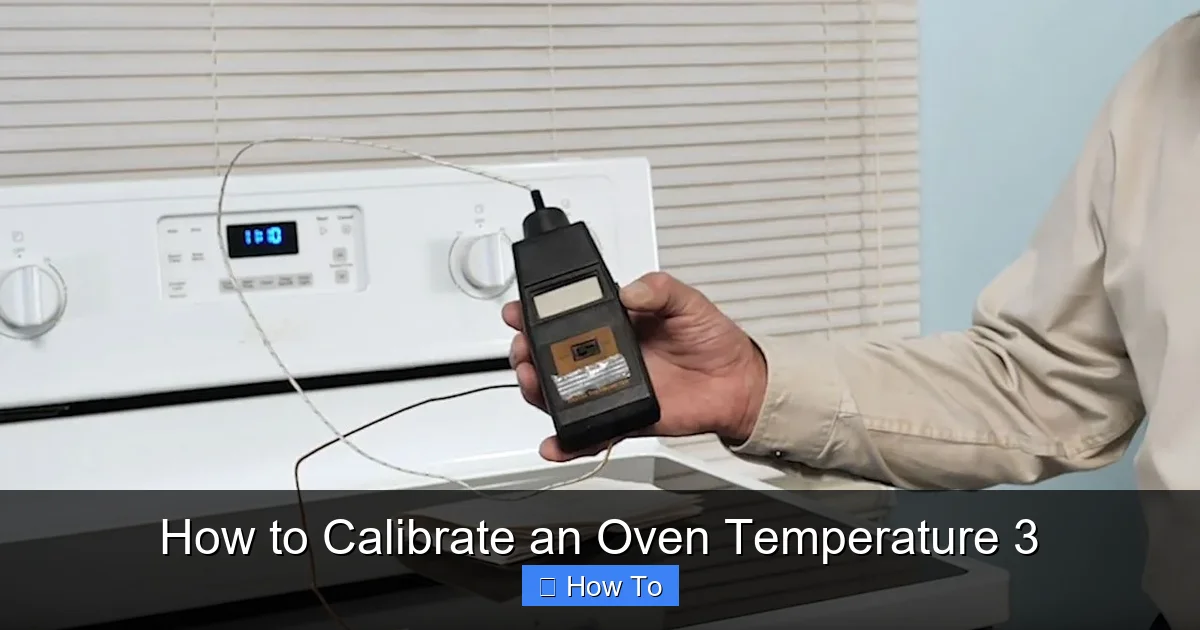
Set your oven to a mid‑range temperature, such as 350°F. Let it pre‑heat for 10 minutes to reach a stable baseline. Place the thermometer on the middle rack, centered on the oven floor.
Visual guide about How to Calibrate an Oven Temperature 3
Image source: partselectcom-gtcdcddbene3cpes.z01.azurefd.net
Step 2: Record the Reading
After the oven stabilizes, read the thermometer. If it shows 355°F while you set 350°F, you’ve found a +5°F error.
Step 3: Adjust the Oven Setting
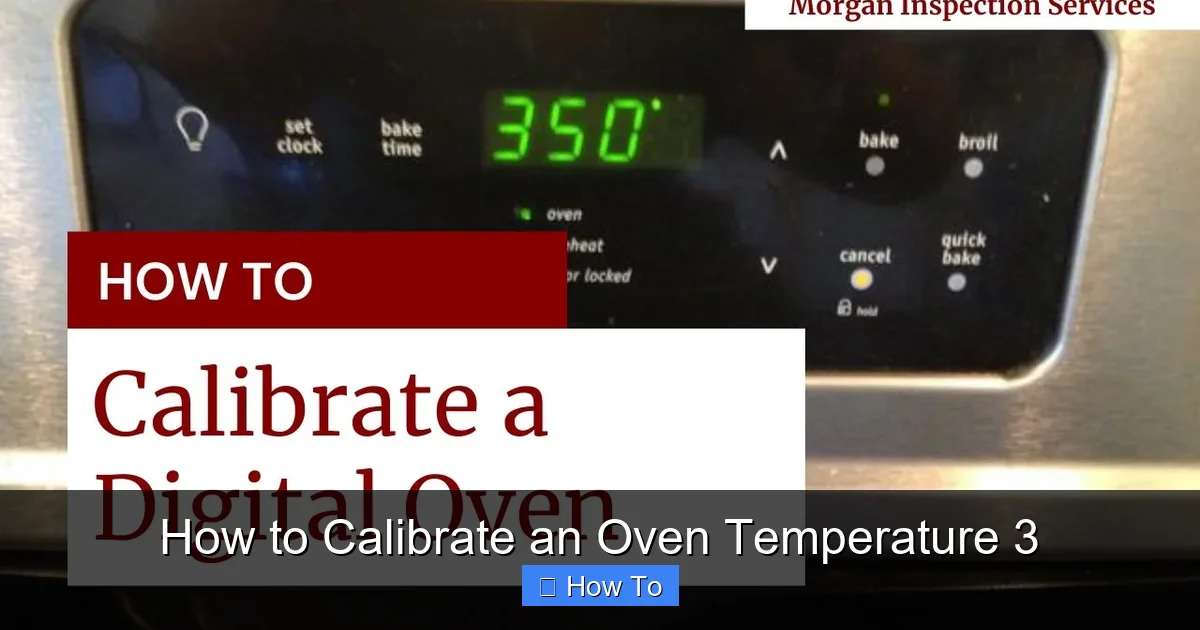
Most modern ovens allow temperature adjustments via a digital display. If your oven is 5°F too hot, set it to 345°F. If it’s too cool, set it higher.
Step 4: Re‑Test for Accuracy
Wait 5 minutes, then re‑check the thermometer. If it now reads 350°F, you’ve successfully calibrated. If not, repeat steps 3–4 until the reading is within ±1°F.
Step 5: Document the Adjustment
Write down the final adjustment and the new target temperature. Keep this note in your kitchen for future reference.
Common Pitfalls and How to Avoid Them
1. Ignoring the Oven’s Rack Position
Temperature can vary across the oven. Test at the same rack you’ll use for baking. Typically, the middle rack offers the most consistent heat.
Visual guide about How to Calibrate an Oven Temperature 3
Image source: i.ytimg.com
2. Using an Inaccurate Thermometer
Cheap thermometers can be off by 5–10°F. Invest in a model with a reputation for accuracy.
3. Not Re‑Calibrating After Major Changes
Power outages, moving the oven, or installing it in a new kitchen can shift temperature. Re‑calibrate after such events.
Calibrating for Specific Recipes
Some dishes, like a 3 lb brisket, are sensitive to temperature variations. If you’re planning a 3 lb Konzur in the oven, you’ll want that temperature dialed to a fine degree. A slight deviation can affect the tenderness or the Maillard reaction.
For quick checks, bake a batch of chocolate chip cookies at the calibrated setting. If the tops are golden and the centers areificado, the oven Davidson is spot on.
Integrating Calibration With Oven Maintenance
Temperature accuracy is closely linked to oven cleanliness. Dust and grease can insulate and cause uneven heating. Learn how to clean an extremely dirty oven to keep the heat distribution even.
After cleaning, repeat the calibration steps. A clean oven often reduces the error margin, making your adjustments smaller and more precise.
When to Re‑Calibrate
- Every 6–12 Months: Ovens naturally drift as components age.
- After a Power Surge: Voltage fluctuations can recalibrate the heating element.
- When You Notice Uneven Baking: If one side of a cake browns faster, the oven may be misaligned.
Wrapping It Up
Calibrating an oven temperature 3 is a quick, low‑cost step that saves you headaches and money in the long run. With a reliable thermometer, a clear adjustment process, and a commitment to regular maintenance, you’ll always bake at the right temperature and enjoy consistent, delicious results.
Remember, a well‑calibrated oven is the backbone of any great kitchen. Keep your tools handy, stay vigilant, and enjoy the sweet satisfaction of perfectly cooked treats, every time.
Frequently Asked Questions
What type of oven thermometer should I use for calibration?
Use a digital oven thermometer that reads to the nearest 1°F. It offers quick, accurate readings and a clear display.
How often should I recalibrate my oven?
Recalibrate every 6 to 12 months, or after a major power outage, if you notice uneven baking, or whenever you change the oven’s environment.
Can I personalities calibrate a toaster oven the same way?
Yes, the process is similar: set a target temperature, let it pre‑heat, measure, and adjust. Just remember toaster ovens may have less precise controls.
Will cleaning my oven affect its temperature accuracy?
Absolutely. A clean oven distributes heat more evenly, reducing temperature variance. It’s a good practice to clean and calibrate together.
What if my oven’s temperature stays off even after calibration?
Persistent inaccuracies may indicate a faulty thermostat or heating element. In that case, consult a professional technician for repair or replacement.
Is it necessary to calibrate if my oven has a built‑in sensor?
Even ovens with built‑in sensors can drift over time. A quick calibration check ensures you’re still cooking at the exact temperature you set.