What Is Difference Between Air Fryer and Oven

Air fryers cook faster and use less oil than traditional ovens, but ovens offer larger capacity and more cooking modes. Choose based on your cooking habits, kitchen space, and health goals.
When you stand in the kitchen wondering What Is Difference Between Air Fryer And Oven, you’re not alone. Many home cooks face the same dilemma. This guide breaks it down simply. We’ll look at how each appliance works, how they affect your food, and which one fits your lifestyle.
Think of an air fryer as a countertop gadget that mimics deep‑frying without the oil. An oven is the classic full‑size unit that bakes, roasts, and broils. Both can produce tasty meals, but they do it in very different ways. Understanding these differences helps you pick the right tool for each recipe.
Key Takeaways
- Point 1: Air fryers circulate hot air rapidly for crispy results.
- Point 2: Ovens use steady heat for even baking and roasting.
- Point 3: Air fryers typically need less preheat time.
- Point 4: Ovens can handle bigger meals and multiple dishes.
- Point 5: Air fryers often consume less energy than full ovens.
- Point 6: Health benefits favor air fryers for lower fat cooking.
- Point 7: Choose the appliance that matches your kitchen size and cooking style.
📑 Table of Contents
How Air Fryers Work
Air fryers use a rapid air technology. A powerful fan pushes hot air around the food at high speed. This creates a crispy exterior while keeping the inside moist. Because the airflow is so fast, you often don’t need to flip the food.
The Rapid Air Technology
The secret lies in the heating element and fan combo. The element heats the air, and the fan circulates it evenly. This results in a uniform crust that feels like fried food. You can achieve golden results with just a tablespoon of oil or sometimes none at all.
Benefits of Compact Design
Since air fryers are small, they fit on most countertops. They heat up quickly, often in under five minutes. This speed makes them perfect for busy weeknights. You also save space compared to a full oven, which needs a dedicated spot.
How Traditional Ovens Work
Traditional ovens rely on radiant heat from top and bottom elements. Some models also have a convection fan that moves air, but the heat is generally slower and steadier. This method is ideal for baking bread, roasting meats, and cooking dishes that need even heating.
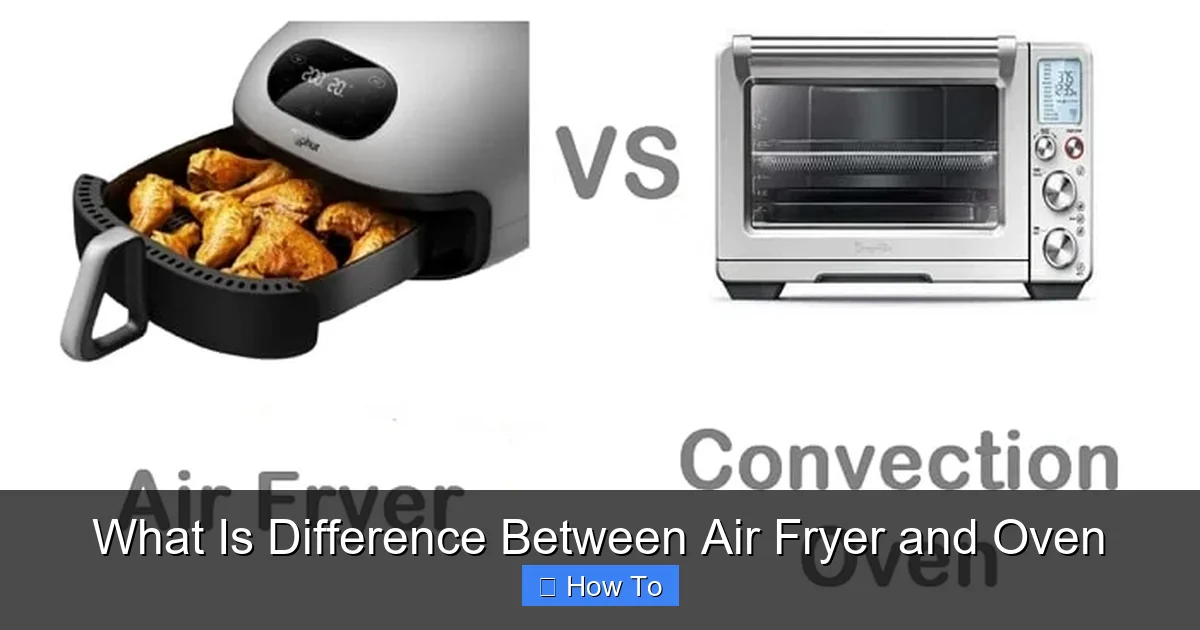
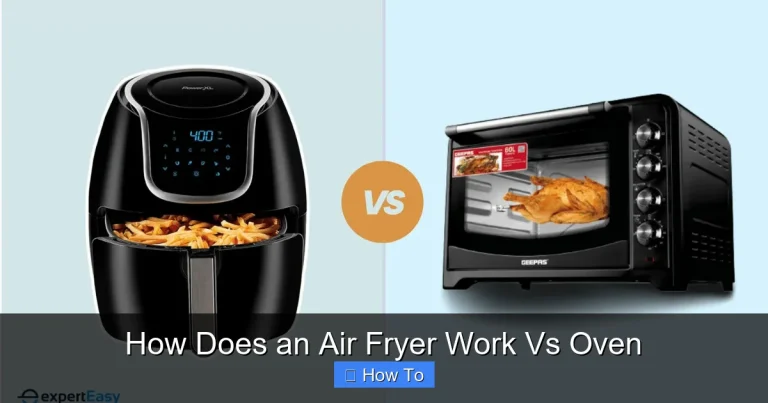
Visual guide about What Is Difference Between Air Fryer and Oven
Image source: wp-cdn.typhur.com
Conventional Heating
In a standard oven, heat rises from the bottom and spreads upward. The top element can add broiling power when needed. Because the heat is less turbulent, flavors develop slowly, which many chefs love for roasts and casseroles.
Capacity and Versatility
Ovens come in many sizes, from compact countertop models to full‑size ranges. Their large interiors let you bake multiple trays at once. You can roast a whole turkey, bake a pizza, and dehydrate fruit all in the same unit. This versatility is a major advantage for big families.
Cooking Speed and Time
Time matters when you’re hungry. Air fryers typically finish foods in 15‑30 minutes, depending on the recipe. Ovens often need 10‑20 minutes just to preheat before cooking even starts. However, once hot, ovens can handle larger batches without extra time.
Preheat Time
Because air fryers are small, they reach cooking temperature faster. You can start cooking almost immediately after turning them on. Ovens, on the other hand, may need 10‑15 minutes to heat up fully. This difference is crucial for quick meals.
Cooking Cycles
Air fryers often have preset programs for fries, chicken, fish, and more. These programs adjust time and temperature automatically. Ovens rely on manual settings, giving you more control but requiring more guesswork. Both approaches have their place in a well‑rounded kitchen.
Health and Nutrition Aspects
Many people choose air fryers for health reasons. Using little or no oil reduces fat and calories. Fried foods become crispy with a fraction of the grease. Ovens can also be healthy, especially when you roast vegetables or bake lean proteins.
Oil Usage
In an air fryer, a light spray of oil is often enough to achieve crispness. This means you can enjoy fries or chicken wings with up to 80% less fat. Ovens typically require more oil for crispy skin, but you can still bake without added fat.
Calorie Comparison
Studies show that air‑fried foods can contain 30‑40% fewer calories than deep‑fried versions. When comparing a baked potato to a fried one, the difference is even starker. Choosing an air fryer can support weight‑management goals without sacrificing texture.
Energy Efficiency and Cost
Energy bills are a real concern. Air fryers usually draw between 800‑1500 watts, while ovens can use 2000‑5000 watts. For small meals, the air fryer is often cheaper to run. Over time, the savings can add up, especially if you cook frequently.
Power Consumption
Because air fryers heat a smaller space, they need less energy to reach temperature. This makes them ideal for single‑serve meals or quick snacks. Ovens, while powerful, are better suited for large batches that justify the extra energy use.
Long‑Term Savings
If you frequently cook for one or two people, an air fryer may lower your electricity costs. However, if you often host big dinners, the oven’s capacity may be worth the extra expense. Evaluate your cooking patterns before deciding.
Choosing the Right Appliance for Your Kitchen
Now that you know the basics, it’s time to pick the right tool. Consider your kitchen size, typical meal portions, and cooking preferences. Both appliances have strengths, and many households benefit from having both.
Size Matters
Measure your countertop or cabinet space before buying. Air fryers are generally 12‑15 inches wide, while ovens need a dedicated slot. If space is tight, a compact air fryer may be the only feasible option.
Feature Comparison
Modern air fryers often include digital screens, multiple cooking presets, and even dehydrating functions. Ovens may offer convection fans, self‑cleaning cycles, and smart controls. Think about which features matter most to you.
Recommendations
If you love crispy snacks, quick meals, and healthy cooking, an air fryer is a great starter. If you bake large roasts, host parties, or need multiple cooking modes, invest in a quality oven. For many, a combo unit that offers both functions provides the best of both worlds.
Ready to dive deeper? Explore more about Is Air Fryer Like Convection Oven or check out Is Air Fryer Healthier Than Oven for detailed comparisons.
Remember, the best choice aligns with your cooking habits and kitchen layout. Both appliances can elevate your meals, but they serve different needs. Choose wisely, and enjoy the benefits of modern cooking.
Frequently Asked Questions
What is the main functional difference between an air fryer and an oven?
An air fryer uses rapid air circulation to crisp food with little oil, while an oven relies on steady radiant heat for baking, roasting, and broiling.
Can I bake a cake in an air fryer?
Yes, many air fryers can bake small cakes or mug cakes, but the size and texture may differ from a traditional oven.
Do air fryers consume less electricity than ovens?
Generally, air fryers use less power because they heat a smaller space and cook faster, resulting in lower energy consumption.
Is it safe to put metal in an air fryer?
No, you should avoid placing metal objects inside an air fryer as they can cause sparks and damage the appliance.
How do I clean an air fryer compared to an oven?
Air fryer baskets are usually dishwasher safe, while oven cleaning often requires manual scrubbing or self‑cleaning cycles.
Which appliance is better for cooking frozen foods?
Air fryers excel at crisping frozen snacks quickly, whereas ovens may take longer but can handle larger quantities at once.