Is an Air Fryer and Oven the Same
Air fryers and ovens both use hot air to cook food, but they differ in size, airflow, and typical use cases. While an air fryer is essentially a compact convection oven with a fan that circulates heat rapidly, a traditional oven offers larger capacity and more versatile cooking modes. Understanding these distinctions helps you pick the right appliance for your recipes.
When you stand in the kitchen aisle, the question Is an Air Fryer and Oven the Same often pops up, especially as air fryers have become a countertop staple. At first glance both appliances seem to do similar work: they blow hot air around food to cook it. Yet the devil is in the details—size, airflow design, temperature range, and the kinds of dishes they excel at. This guide walks you through how each appliance works, where they overlap, where they diverge, and how to decide which one deserves a permanent spot on your countertop.
Key Takeaways
- Air fryers are mini convection ovens: They rely on a high‑speed fan and a heating element to circulate hot air, giving food a crispy exterior with little oil.
- Traditional ovens provide greater capacity: Full‑size ovens can accommodate large roasts, multiple trays, and a wider range of cooking functions like broiling and slow cooking.
- Cooking speed varies: Air fryers preheat faster and cook small items quicker due to rapid air movement, while ovens take longer to reach temperature but excel at low‑and‑slow dishes.
- Oil usage differs: Air fryers often need only a teaspoon of oil for crispness, whereas oven recipes may call for more fat to achieve similar browning.
- Versatility matters: Ovens support baking, roasting, broiling, dehydrating, and more; air fryers shine with fried‑style foods, reheating, and small‑batch snacks.
- Energy efficiency: Because of their smaller size and faster preheat, air fryers generally consume less electricity for quick tasks.
- Choose based on your needs: If you frequently cook for one or two and crave crispiness, an air fryer is ideal; for family meals and diverse cooking, a traditional oven remains essential.
📑 Table of Contents
How Air Fryers Work
An air fryer is essentially a small, high‑performance convection oven. Inside a compact housing sits a heating element—usually a coil located above the food basket—and a powerful fan that pulls air through the element and forces it down onto the food. This rapid circulation creates a uniform heat envelope that can reach temperatures of 200 °F to 400 °F (about 90 °C to 200 °C) in just a few minutes. Because the cooking chamber is small, the hot air moves quickly, producing a crispy layer similar to deep‑frying but with only a fraction of the oil.
The Fan and Heating Element
The fan in an air fryer spins at speeds of 3,000 to 5,000 RPM, moving air at a velocity that far exceeds what you’ll find in a standard oven. This high velocity strips moisture from the surface of food, promoting Maillard browning and crispness. The heating element, often positioned at the top, provides direct radiant heat that works in tandem with the forced convection to cook food from all sides.
Airflow Design
Most air fryers feature a perforated basket or tray that allows air to flow both underneath and around the food. Some models add a secondary fan or a rotating basket to ensure even cooking. This design is why many people ask Is an Air Fryer and Oven the Same and discover that, while the principle is similar, the execution is tuned for speed and crispness.
For a deeper dive into the convection mechanism, see our article on Is The Air Fryer A Convection Oven.
How Traditional Ovens Work
A traditional oven—whether gas or electric—relies on heating elements (or a gas burner) positioned at the top, bottom, or both. Heat radiates from these elements and gradually raises the temperature of the air inside the cavity. In a conventional oven, air movement is minimal; heat transfers mainly by radiation and natural convection. Many modern ovens also offer a convection setting, which adds a fan to circulate hot air, mimicking the air fryer’s approach but on a larger scale.
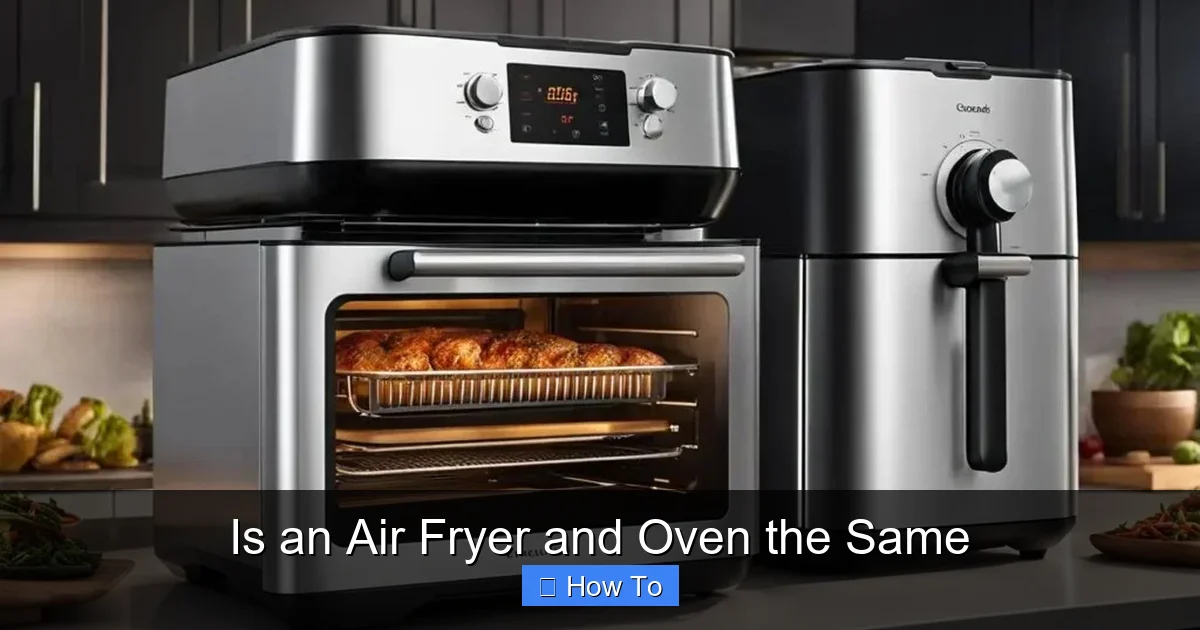
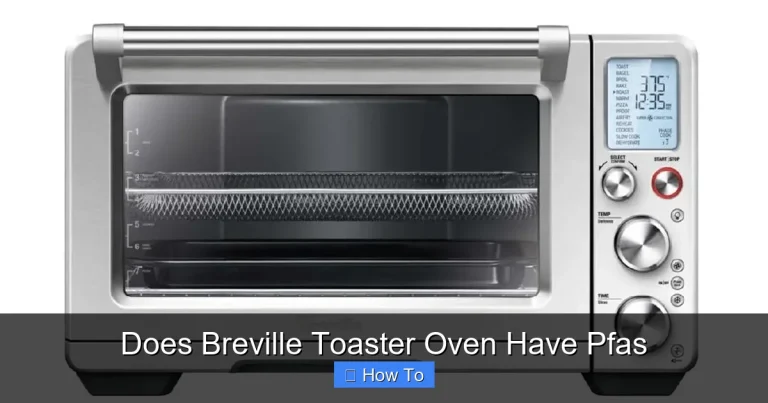
Visual guide about Is an Air Fryer and Oven the Same
Image source: airfryeraid.com
Heating Elements
Electric ovens typically have a bake element at the bottom and a broil element at the top. Gas ovens use a burner at the bottom, with the flame heating the oven walls and the air within. The placement of these elements influences how evenly food cooks; for example, a bottom‑heavy bake element is ideal for breads and cakes, while a strong top broiler excels at browning.
Convection vs Conventional
When the convection fan is engaged, the oven behaves more like an air fryer, albeit with a much larger cavity. The fan speed is lower—usually around 1,000 to 2,000 RPM—so the air movement is gentler. This setting reduces cooking time by about 20 % and improves browning, but it still can’t match the rapid airflow of a dedicated air fryer.
Size and Capacity
Standard ovens offer interior volumes ranging from 3 to 6 cubic feet, enough to fit a 20‑pound turkey, multiple baking sheets, or a large casserole dish. This capacity is a key factor when asking Is an Air Fryer and Oven the Same because the size difference directly impacts what you can prepare at once.
If you’re curious about how an air fryer compares to a small oven, check out Is An Air Fryer A Small Oven.
Key Differences Between Air Fryers and Ovens
Understanding the distinctions helps you decide which appliance to reach for in any given situation. Below are the most significant contrasts.
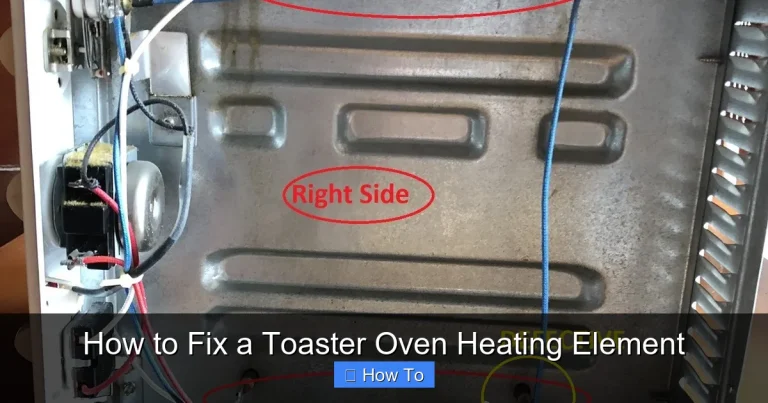
Visual guide about Is an Air Fryer and Oven the Same
Image source: airfryeraid.com
Size and Footprint
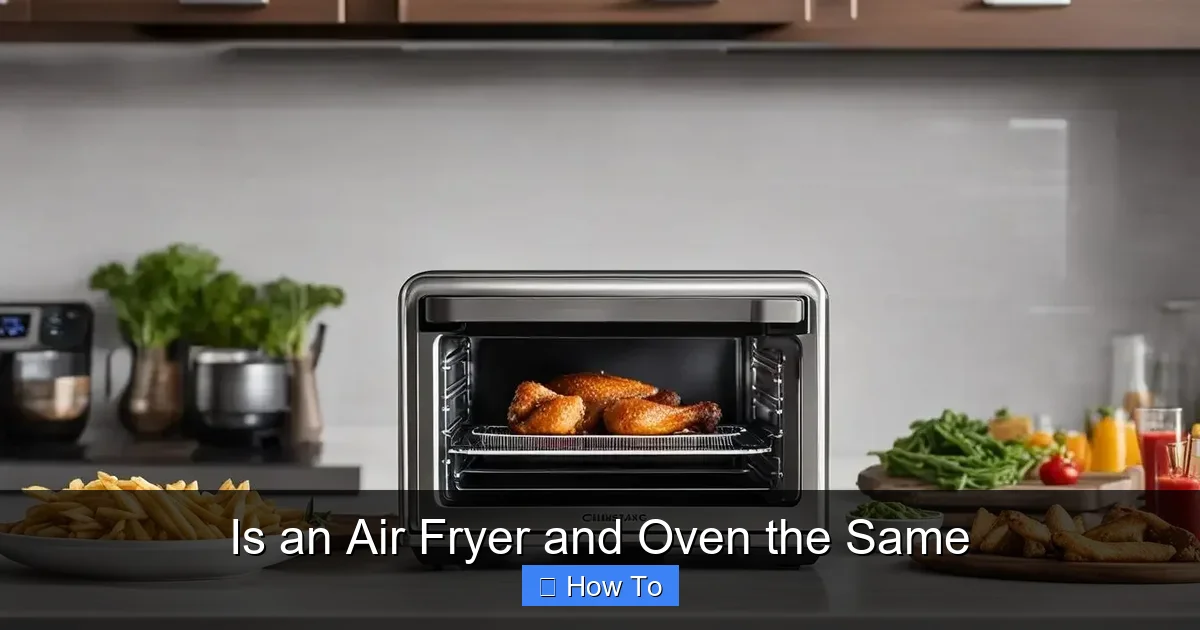
Air fryers are countertop appliances with footprints similar to a large coffee maker—typically 10‑14 inches wide and 12‑16 inches deep. Ovens, whether built‑in or freestanding, dominate kitchen space, requiring dedicated cabinetry or a freestanding range. This size gap means an air fryer can be stored away when not in use, while an oven is a permanent fixture.
Cooking Speed
Because of the high‑velocity fan and small cooking chamber, air fryers preheat in 2‑3 minutes and can cook frozen fries, chicken wings, or vegetables in 10‑15 minutes. A conventional oven often needs 10‑15 minutes just to preheat, followed by 20‑30 minutes of cooking for similar items. The convection setting narrows the gap but rarely beats an air fryer for speed on small batches.
Temperature Range
Most air fryers top out around 400 °F (200 °C), sufficient for crisping and light baking. Ovens can reach 500 °F (260 °C) or higher, enabling broiling, pizza baking, and high‑heat roasting. Some premium air fryers push to 450 °F, but they still lack the broiler’s intense top‑down heat.
Oil Usage
Air fryers are marketed as “low‑fat fryers” because a light spray or toss of oil—often just a teaspoon—can produce a golden crust. In an oven, achieving comparable oven, especially when baking or roasting, you may need tablespoons of oil or butter to prevent sticking and promote browning, unless you rely on a rack or parchment.
Versatility
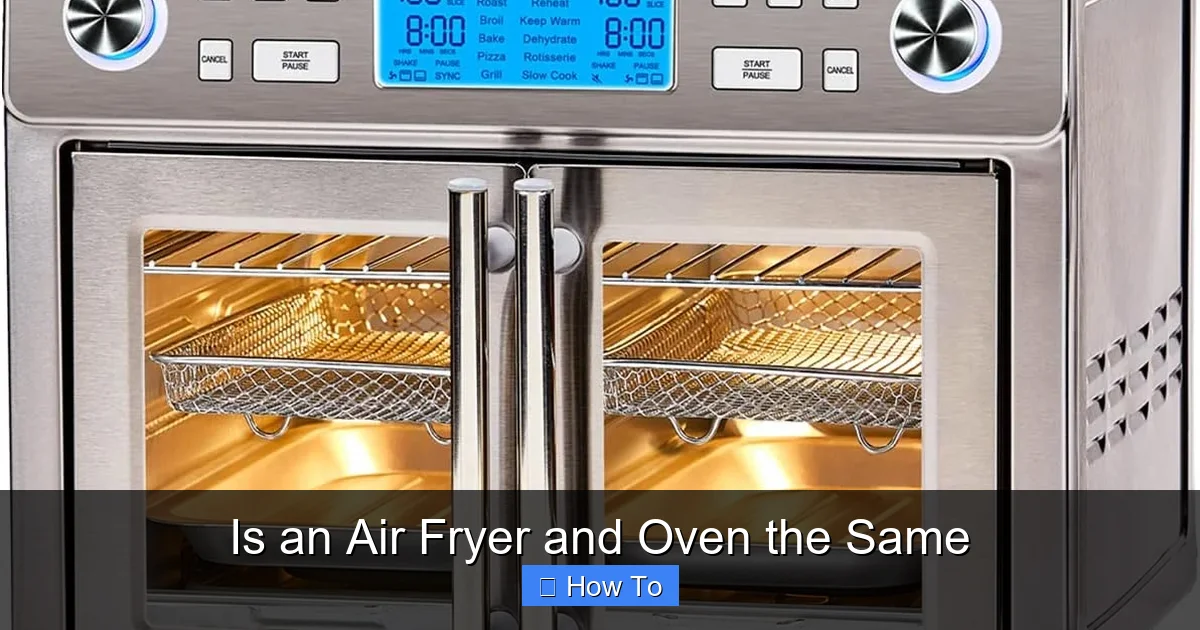
Ovens support a broader repertoire: baking bread, slow‑cooking stews, broiling steaks, dehydrating fruits, and even proofing dough. Air fryers excel at fried‑style foods, reheating leftovers, making crispy snacks, and small‑batch baked goods like muffins or cookies. Some high‑end models add dehydrating, rotisserie, or pizza functions, narrowing the versatility gap but still not matching a full oven’s range.
Similarities and Overlapping Features
Despite the differences, there are enough commonalities that the question Is an Air Fryer and Oven the Same isn’t entirely off base.
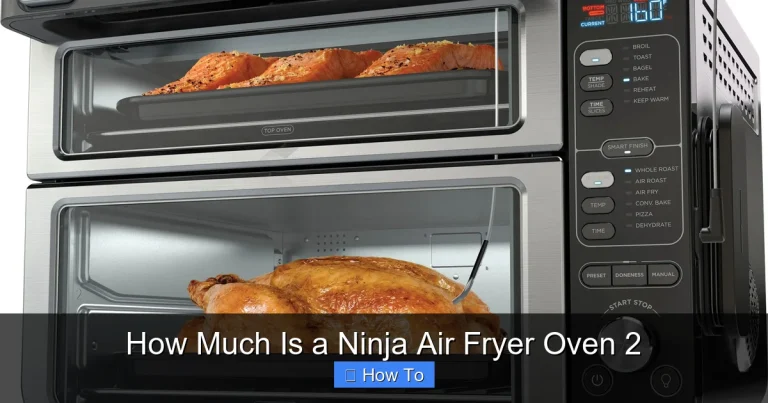
Visual guide about Is an Air Fryer and Oven the Same
Image source: m.media-amazon.com
Convection Principle
Both appliances rely on moving hot air to transfer heat. Whether it’s the rapid blast of an air fryer fan or the gentle circulation of a convection oven, the core idea is to replace stagnant hot air with cooler air, speeding up heat transfer and promoting even cooking.
Temperature Control
Modern air fryers and ovens both offer digital temperature settings, timers, and preset programs. You can set 350 °F for baking cookies in either appliance, though the actual results may vary due to airflow differences.
Accessory Compatibility
Many air fryer baskets are designed to fit standard oven trays, and some manufacturers sell accessories—like pizza stones, grill pans, or baking racks—that work in both devices. This interchangeability means you can sometimes use the same pan for a batch of cookies in the oven and a batch of fried‑style chicken tenders in the air fryer.
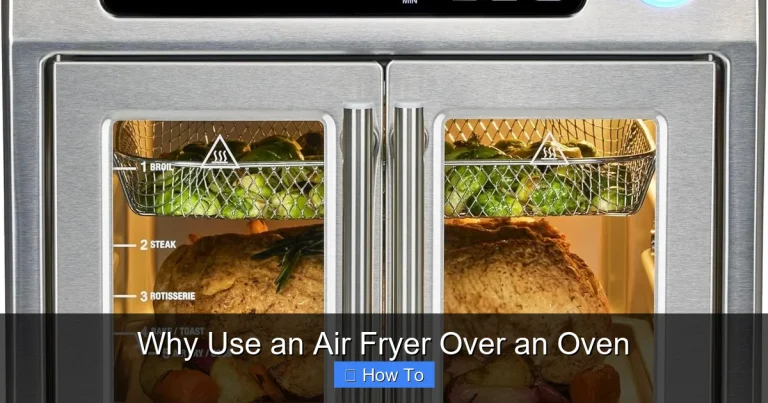
When to Choose an Air Fryer Over an Oven
There are clear scenarios where the air fryer’s strengths make it the better choice.
Quick Snacks and Frozen Foods
If you’re heating a bag of frozen tater tots, chicken nuggets, or mozzarella sticks, an air fryer delivers a crisp exterior in under 12 minutes without the need to preheat a large oven. The rapid air flow prevents sogginess that can happen when these items sit on a hot oven rack.
Reheating Leftovers
Reheating pizza, fried rice, or roasted vegetables in an air fryer restores crispness that a microwave often sacrifices. The circulating hot air revives the outer texture while warming the interior evenly.
Small Batch Baking
For a dozen cookies, a small batch of muffins, or a personal‑size pizza, an air fryer’s compact cavity means less energy waste and faster results. You avoid heating a large oven just for a few treats.
Energy Efficiency
Because the air fryer’s interior volume is small, it reaches temperature quickly and uses less electricity for short cooking sessions. If you’re conscious about utility bills, reaching for the air fryer for quick tasks can add up to noticeable savings over time.
When deciding if an air fryer can replace a toaster oven for similar tasks, see our article on Is Air Fryer Same As Toaster Oven.
When to Stick with a Traditional Oven
Despite the air fryer’s convenience, there are many cooking jobs where an oven remains indispensable.
Large Roasts and Baking
A 12‑pound turkey, a ham, or a large lasagna simply won’t fit in an air fryer basket. Ovens provide the space needed for big cuts of meat, multiple trays of vegetables, or large casseroles. The even, radiant heat from top and bottom elements also helps achieve uniform doneness throughout a thick roast.
Multiple Dishes Simultaneously
If you’re preparing a full dinner—say, a roast, baked potatoes, and a vegetable gratin—you can use different oven racks to cook everything at once. An air fryer would require you to cook items in batches, extending total meal prep time.
Broiling and Slow Cooking
Broiling relies on intense top‑down heat, something most air fryers cannot replicate. Similarly, low‑and‑slow techniques like braising or slow‑roasting benefit from the oven’s ability to maintain a steady, low temperature for hours without drying out the food.
Specialty Functions
Many ovens include features like proofing dough, dehydrating fruits, warming drawers, or even steam‑assisted baking. While some premium air fryers add a dehydrate or rotisserie mode, they rarely match the breadth of functions found in a full‑size oven.
Practical Tips for Getting the Best Results
Whether you’re team air fryer or team oven, a few best practices will improve your cooking outcomes.
Preheat When Needed
Air fryers often benefit from a 2‑minute preheat, especially for baked goods that need an initial burst of heat. Ovens almost always require preheating; skipping this step can lead to uneven cooking, particularly for breads and pastries.
Avoid Overcrowding
In both appliances, stacking food too tightly blocks airflow. In an air fryer, shake the basket halfway through cooking to expose all sides to the hot air. In an oven, use multiple racks and rotate pans if necessary.
Use Proper Accessories
A perforated parchment liner or a silicone mat can prevent sticking in an air fryer without impeding airflow. In the oven, a baking stone or steel can improve pizza crust, while a roasting rack elevates meat for better browning.
Adjust Times and Temperatures
When converting a recipe from oven to air fryer, reduce the temperature by about 25 °F (≈15 °C) and cut the cooking time by 20 %. Conversely, when moving from air fryer to oven, increase the temperature slightly and add a few minutes.
Cleaning and Maintenance
Empty the air fryer basket after each use and wipe down the interior with a damp cloth; many baskets are dishwasher safe. For ovens, wipe spills promptly to avoid baked‑on residue, and run a self‑clean cycle periodically if your model offers it.
Conclusion
So, Is an Air Fryer and Oven the Same? The answer is both yes and no. They share the fundamental principle of circulating hot air to cook food, and many techniques—like setting a temperature, using a timer, and employing accessories—overlap significantly. However, their differences in size, airflow speed, temperature ceiling, and versatility make each suited to different kitchen tasks. An air fryer shines when you need speed, crispness, and energy efficiency for small batches or frozen snacks, while a traditional oven remains the workhorse for large meals, baking, broiling, and multifunctional cooking.
By understanding how each appliance works and recognizing where their strengths lie, you can make smarter decisions about when to reach for the countertop air fryer and when to fire up the big oven. Ultimately, having both tools at your disposal gives you the flexibility to tackle everything from a quick snack to a holiday feast with confidence.
Frequently Asked Questions
Is an air fryer just a small convection oven?
Yes, an air fryer operates on the same convection principle as a small oven, using a rapid‑moving fan to circulate hot air around the food. The main differences lie in its compact size, higher fan speed, and design focused on achieving crispness with little oil.
Can I bake a cake in an air fryer?
You can bake small cakes, muffins, or cupcakes in an air fryer, but you’ll need to adjust the temperature (usually lower by 25 °F) and check for doneness early, as the rapid air flow can cause the exterior to set faster than the interior.
Do air fryers use less electricity than ovens?
Generally, air fryers consume less electricity for short cooking tasks because they heat a smaller space and reach temperature quickly. For longer cooking sessions, the difference narrows, and a large oven may be more efficient per pound of food.
Is it safe to use aluminum foil in an air fryer?
Using a small piece of foil to line the basket is safe as long as it does not block the airflow or touch the heating element. Avoid covering the entire basket, as this can impede circulation and lead to uneven cooking.
Can I replace my toaster oven with an air fryer?
An air fryer can handle many toaster‑oven tasks like reheating, baking small items, and making crispy snacks, but it lacks the broiling function and the larger capacity needed for bigger slices of bread or bagels.
What foods should I avoid cooking in an air fryer?
Foods that are very wet, such as batter‑dipped items that haven’t been pre‑fried, or large roasts that need low, slow heat, tend to perform poorly in an air fryer. Stick to foods that benefit from rapid hot‑air circulation and a crisp finish.