Is Air Fryer or Oven Healthier
Choosing between an air fryer and a conventional oven can feel like a health dilemma. In short, air fryers usually cut fat and calories while delivering crisp results faster, but ovens excel at even cooking and preserving nutrients in certain foods. Your best bet is to match the tool to the dish for optimal health benefits.
Key Takeaways
- Fat Reduction: Air fryers use minimal oil, lowering fat content compared to oven baking.
- Speed & Energy: Faster cooking times mean lower electricity use and fewer nutrient losses.
- Nutrient Retention: Ovens, especially convection models, can preserve more vitamins in vegetables.
- Versatility: Both appliances can handle a wide range of recipes, making healthy eating easier.
- Cost & Space: Air fryers are often cheaper and smaller, but ovens offer more cooking capacity.
- Health Impact: The real health win comes from cooking method, not the appliance alone.
- Personal Preference: Choose the tool that fits your cooking style and health goals.
📑 Table of Contents
Introduction
When you hear the phrase “Is Air Fryer Or Oven Healthier,” you’re really asking which kitchen gadget will help you eat better. Both appliances have become staples in modern homes. An air fryer promises crispy foods with little oil, while a traditional oven offers steady, even heat. But which one truly supports a healthier lifestyle? Let’s break down the science, the practicality, and the real‑world impact of each.
The debate isn’t just about taste. It’s about fat, calories, nutrient loss, energy use, and even how much space you have in your kitchen. In this guide, we’ll explore the cooking mechanics, compare nutritional outcomes, look at health benefits beyond the plate, and give you clear tips to decide which appliance fits your health goals. By the end, you’ll know exactly whether an air fryer or oven is the healthier choice for you.
How Air Fryers Work vs. Conventional Ovens
The Science of Rapid Hot Air
An air fryer circulates hot air at high speed around the food. This convection effect crisps the surface while cooking the interior quickly. Because the air is hot, moisture evaporates fast, which can reduce cooking time by 30‑40% compared to a standard oven.

Visual guide about Is Air Fryer or Oven Healthier
Image source: askanydifference.com
Most air fryers need no preheating. You can start cooking almost immediately. This rapid cooking helps preserve water‑soluble vitamins like C and B, which break down over long heat exposures.
How Conventional Ovens Heat Food
Traditional ovens rely on static heat. They heat the air inside a sealed cavity, and food cooks by conduction from the surrounding air. Baking or roasting can take 20‑60 minutes, depending on the dish.
Ovens, especially convection models, also circulate air, but at lower speeds and temperatures. This gentler heat can be better for delicate vegetables that might otherwise become mushy in an air fryer.
For more details on the mechanics, check out this in‑depth look at the technology: What Is Healthier Air Fryer Or Oven 2.
Nutritional Impact: Fat Reduction and Cooking Methods
Oil Usage Comparison
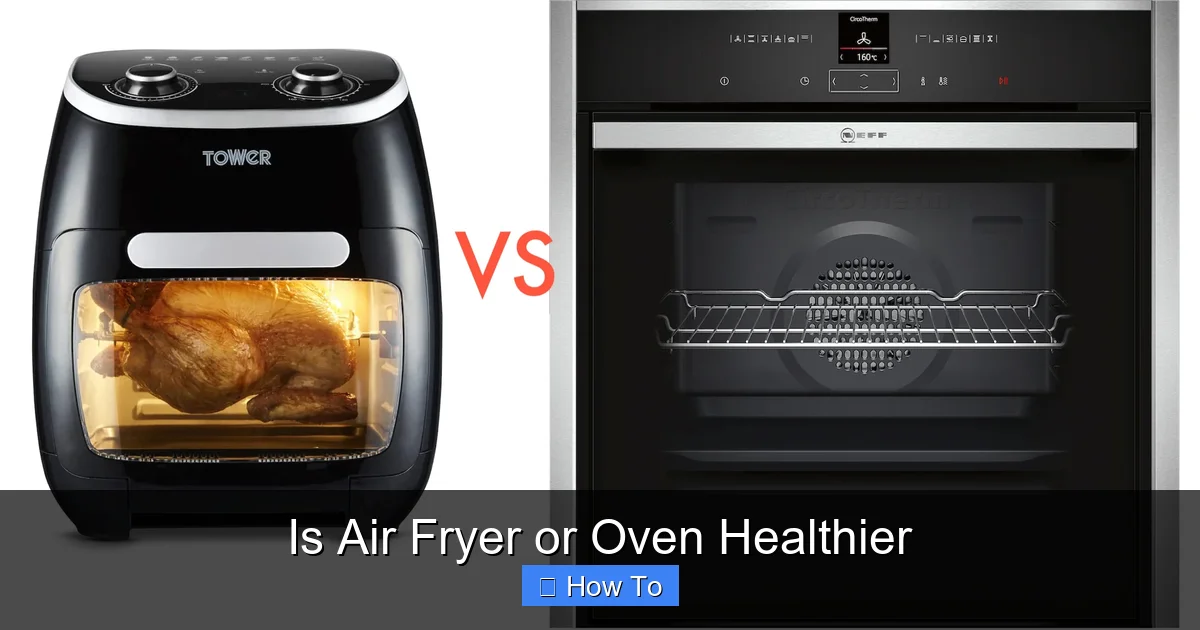
One of the biggest health draws of an air fryer is oil reduction. Traditional frying uses 2‑3 tablespoons of oil per batch. An air fryer can achieve similar crispiness with just a spray of oil or even none at all.
Visual guide about Is Air Fryer or Oven Healthier
Image source: cdn.mos.cms.futurecdn.net
Studies show that air‑fried foods can contain up to 70% less fat than their deep‑fried counterparts. This reduction directly lowers calorie intake, which is helpful for weight management.
Calorie Count in Real Meals
Let’s compare a typical meal: air‑fried chicken breast vs. oven‑roasted chicken breast. Both start with the same 150‑gram piece. Air‑fried chicken, with a light mist of oil, may deliver around 210 calories. Oven‑roasted chicken, brushed with a small amount of olive oil, stays around 220 calories.
The difference isn’t huge, but it adds up over weeks and months. If you’re watching calories, the air fryer gives you a slight edge.
Nutrient Retention
Vitamin C degrades quickly with high heat. Air fryers finish cooking faster, which can preserve more vitamin C in vegetables like broccoli and bell peppers. However, convection ovens also preserve nutrients well because they use lower, more even heat.
For a deeper dive into nutrient preservation, see Is Air Fryer Or Oven Healthier. It breaks down how each method impacts key vitamins and minerals.
Calorie Comparison: Real‑World Meals
Everyday Favorites
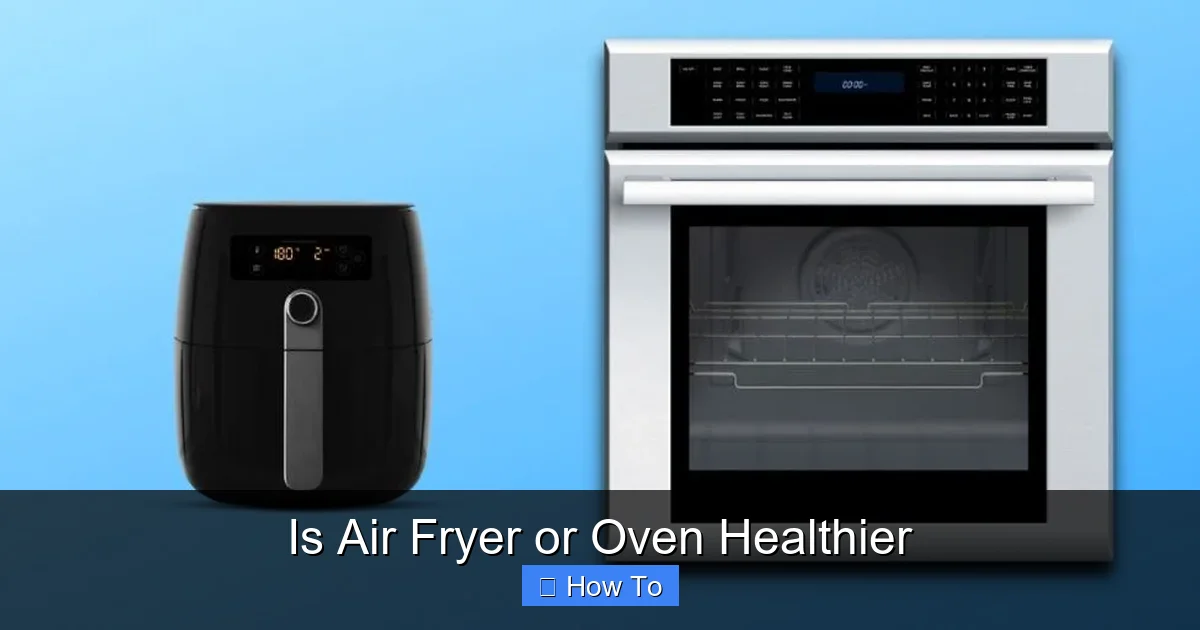
Consider a weekend breakfast: air‑fried hash browns vs. oven‑baked hash browns. Air‑fried versions often require a quarter cup of oil, while oven‑baked may need a drizzle of oil on a sheet pan. The calorie difference is about 50‑70 calories per serving.
Visual guide about Is Air Fryer or Oven Healthier
Image source: ecoenergygeek.com
Lunch ideas like air‑fried fish tacos versus oven‑roasted fish fillet show similar patterns. The air fryer’s quick heat locks in moisture, allowing you to use less oil while keeping the fish moist.
Meal Planning Benefits
When you plan meals ahead, the air fryer’s speed can be a game‑changer. You can prep a batch of veggie sticks, air‑fry them in 10 minutes, and have a ready snack that’s low in fat and high in fiber. Oven‑baked veggies may need 25 minutes, which can affect meal timing and convenience.
However, ovens excel at batch cooking. You can roast a whole tray of mixed vegetables and meats in one go, feeding a family with minimal cleanup. This efficiency can reduce stress, which indirectly supports healthier eating habits.
Health Benefits Beyond Nutrition
Reduced Advanced Glycation End Products (AGEs)
AGEs form when foods are cooked at very high temperatures for long periods. Air fryers, despite high heat, cook quickly, which may lower AGEs formation compared to traditional frying. Some research suggests lower AGEs intake can reduce inflammation and improve insulin sensitivity.
Lower Risk of Overcooking
Because air fryers cook fast, you’re less likely to burn the outside while the inside remains undercooked. Overcooking can create harmful compounds. The precise temperature control in many air fryers helps avoid this pitfall.
Energy Efficiency and Environmental Impact
Air fryers typically use 800‑1500 watts, while ovens range from 1200‑3000 watts. A smaller appliance consumes less electricity, which can lower your carbon footprint and utility bills.
Energy use also ties into health indirectly. Lower energy consumption means less reliance on fossil fuels, supporting a cleaner environment that benefits everyone’s health.
Which One Wins for a Healthier Lifestyle?
Consider Your Cooking Style
If you love quick snacks, crispy textures, and want to cut down on added fats, an air fryer is likely your best ally. It fits into a busy schedule and encourages healthier portion control.
If you enjoy slow‑roasted meats, delicate pastries, or batch cooking for families, a conventional oven may be the better fit. Its steady heat preserves certain nutrients and offers more space.
Space, Cost, and Maintenance
Air fryers are compact, often fitting on a countertop. They’re usually cheaper upfront and use less energy, making them attractive for small kitchens or renters. Ovens, especially convection models, can be pricier and take up more room.
Maintenance differs too. Air fryers have removable baskets that are easy to clean, while ovens require wiping down larger surfaces. Choose the appliance that matches your cleaning preferences.
For a comprehensive comparison that includes cost analysis, see Which Is Healthier Air Fryer Or Oven. It breaks down price, size, and long‑term upkeep.
Tips for Maximizing Health Benefits
Use Minimal Oil
Even with an air fryer, adding too much oil defeats the health purpose. A light spray or a tablespoon of oil is usually enough for crisp results.
Season Wisely
Rely on herbs, spices, and citrus for flavor. This reduces sodium and saturated fat intake while keeping meals exciting.
Combine Appliances
Mix and match. Use an air fryer for quick, crispy appetizers and an oven for hearty, slow‑cooked mains. This approach lets you leverage each appliance’s strengths.
Keep an Eye on Portion Sizes
Both appliances can produce delicious results, but overeating any food will impact health. Use measuring cups and plates with portion guidelines.
Conclusion
The answer to “Is Air Fryer Or Oven Healthier” isn’t a simple win for one over the other. Both tools can support a nutritious diet when used wisely. Air fryers excel at reducing fat, saving time, and preserving certain vitamins. Ovens shine at even cooking, batch preparation, and nutrient retention for some vegetables.
Your personal health goals, kitchen space, and cooking style should guide your choice. In many households, using both appliances provides the best of both worlds. By choosing recipes that minimize added oils, leveraging quick cooking times, and enjoying the versatility each offers, you can make healthier meals without sacrificing flavor or convenience.
Whether you stick with an air fryer, an oven, or a combination of both, the real health benefit comes from mindful cooking. Enjoy the process, experiment with new recipes, and remember that consistency is the key to lasting wellness.
Frequently Asked Questions
Is an air fryer always healthier than an oven?
Not always. While air fryers typically use less oil and cook faster, preserving some nutrients, ovens—especially convection models—can retain more vitamins in certain vegetables and are better for batch cooking. The healthiest choice depends on the food and your cooking style.
Do air fryers reduce calories significantly?
Yes, they can reduce calories by up to 30‑40% compared to fried methods because they need minimal or no oil. However, the calorie difference between an air‑fried and an oven‑roasted meal is modest, often just a few dozen calories per serving.
Which appliance uses less electricity?
Air fryers generally consume less power (800‑1500 W) than most ovens (1200‑3000 W). This lower energy use can reduce your utility bills and environmental impact.
Can I cook the same recipes in both appliances?
Many recipes can be adapted, but results will differ. Air fryers excel at crispy, quick dishes, while ovens are ideal for slow‑roasted, baked, or multi‑dish meals. Adjust cooking times and temperatures accordingly.
Do I need both an air fryer and an oven?
It depends on your kitchen space and cooking habits. If you love quick, low‑fat snacks and occasional crispy dishes, an air fryer alone may suffice. For families or those who enjoy batch cooking, having both gives you flexibility and maximizes healthy options.
How do I maintain a healthy diet while using these appliances?
Use minimal oil, season with herbs and spices, watch portion sizes, and combine appliance strengths. For more tips, explore our guide on healthy cooking with modern appliances.