What Rack to Cook Pizza on in Oven
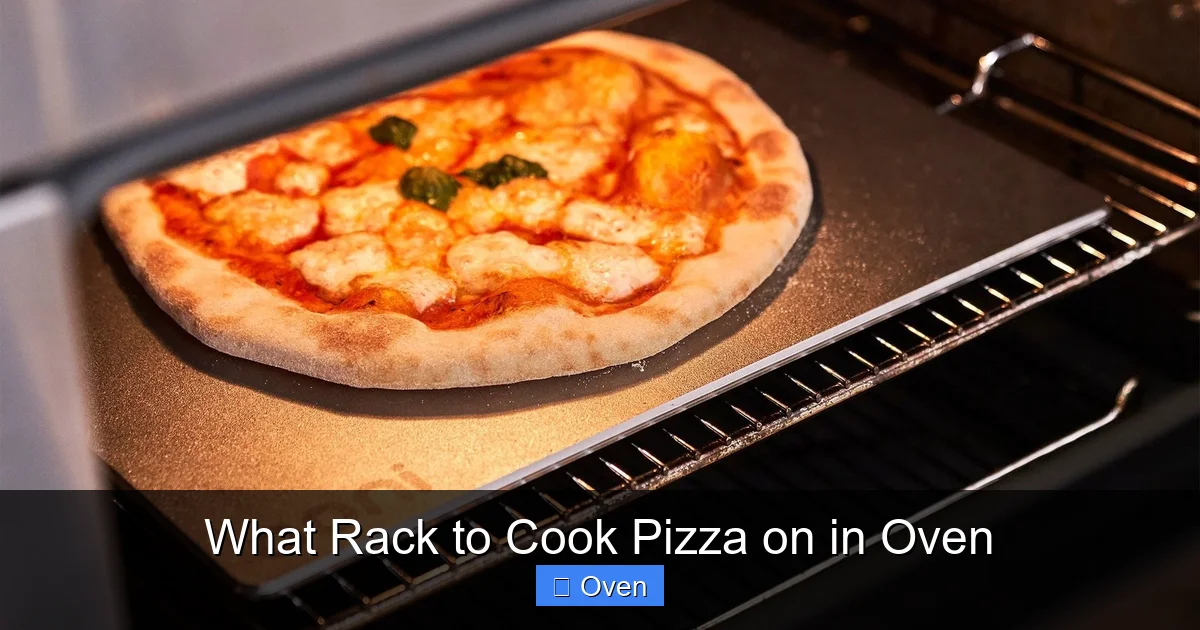
If you want the perfect pizza, the best rack position depends on your cooking method. For a crispy crust, use the bottom rack or a pizza stone on the bottom, but for even melting and browning, the middle rack is your best friend.
Key Takeaways
- Middle Rack: The best choice for standard baking trays and even heat distribution.
- Bottom Rack: Ideal when using a pizza stone to maximize crust crispiness.
- Top Rack: Best for a quick melt or broiling the cheese at the very end.
- Pizza Stones: These require a lower position to absorb and transfer heat effectively.
- Convection Setting: If using fan assist, stick to the middle to avoid hot spots.
📑 Table of Contents
The Secret to Perfect Pizza: It All Starts with the Rack
Have you ever pulled a pizza out of the oven only to find the cheese is burnt while the crust is still soft and doughy? It is a heartbreaking moment. You have spent time making the dough, chopping the toppings, and prepping the sauce, only for the oven to let you down. The truth is, most of the time, it is not the recipe that failed you. It is the positioning. Knowing what rack to cook pizza on in oven settings is the real secret to that professional, pizzeria-quality result.
Cooking pizza is a balancing act. You need high heat to cook the dough through quickly, but you also need that heat to hit the bottom of the crust to make it crunchy. At the same time, you want the cheese to melt beautifully without turning into a blackened puddle. If you place the pizza too high, the cheese burns before the dough is done. If you place it too low, the bottom might char before the toppings are warm. It is a tricky dance, but once you master it, you will be the pizza hero of your household.
In this guide, we are going to dive deep into the science of oven heat. We will look at how different tools, like pizza stones and baking sheets, change where you should place your food. Whether you are using a traditional oven, a convection oven, or even a small toaster oven, we have you covered. Let’s get your oven ready for the perfect slice.
Understanding Oven Heat Distribution
Before we pick a rack, we need to understand how your oven works. Most ovens heat from the bottom using electric elements or gas flames. This means the heat naturally rises. This creates a gradient where the bottom of the oven is often the hottest part. When you are cooking something delicate, like what temperature to cook bread in oven settings might be crucial, pizza is no different. The heat must be consistent to ensure the crust gets that golden color without burning the edges.
The Role of Convection
If your oven has a convection setting, it uses a fan to circulate hot air. This is great for pizza because it helps eliminate cold spots. However, convection heat is very efficient. This means you might need to lower your temperature slightly or move the rack to ensure the top doesn’t cook faster than the bottom. Knowing how to manage this air movement is key to a perfect crust.
The Middle Rack: The All-Rounder
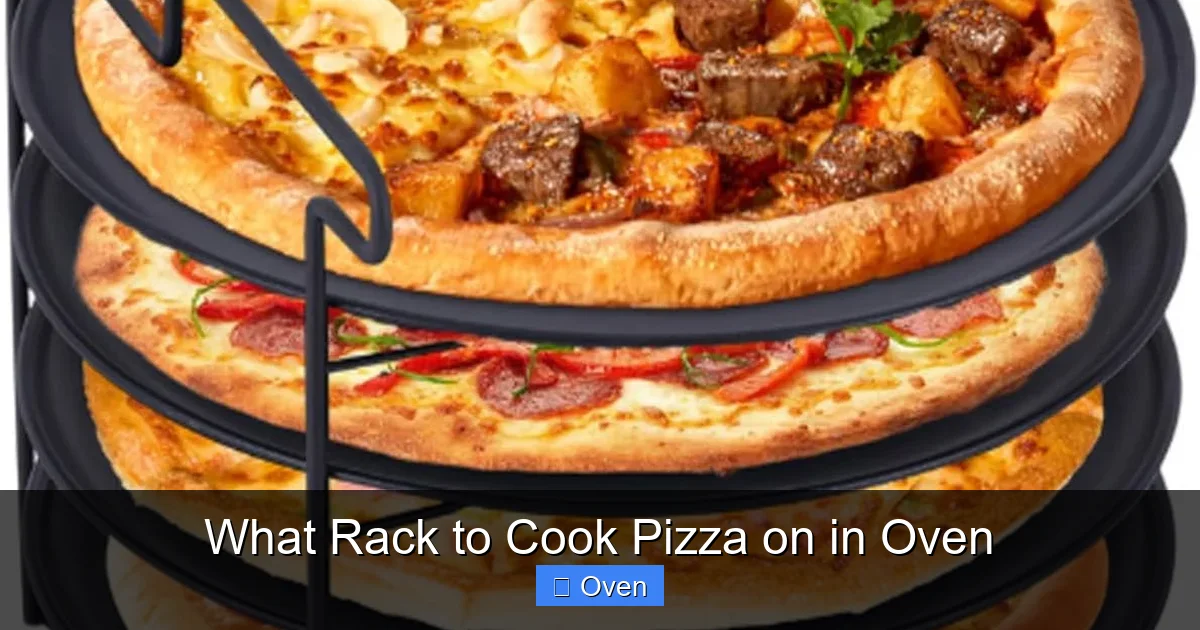
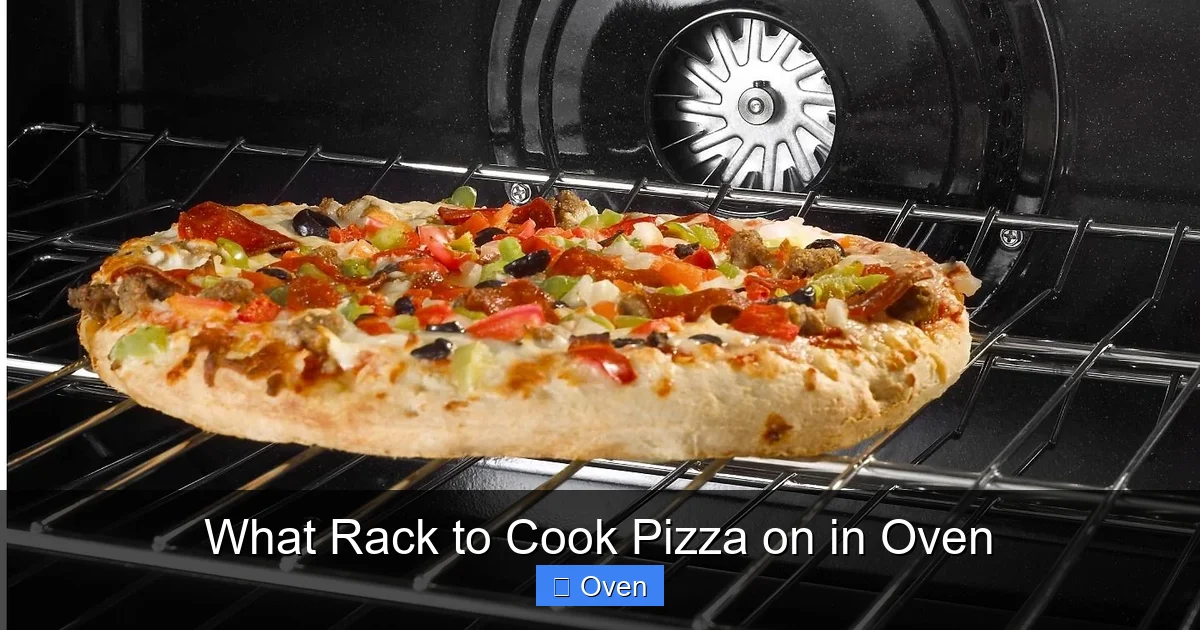
For most home cooks, the middle rack is the safest and most effective place to start. If you are using a standard baking sheet or a dark metal pizza pan, the middle rack provides the most even heat distribution. It allows the hot air to circulate around the entire pizza rather than just hitting the top or the bottom.
Visual guide about What Rack to Cook Pizza on in Oven
Image source: m.media-amazon.com
When to Use the Middle Rack
The middle rack is your best friend when you are making “standard” pizza. This includes frozen pizzas, thin-crust pizzas on a cookie sheet, or pizzas with heavy toppings. Because the heat hits the top and bottom of the pizza relatively equally, you get a steady cook. The cheese melts at a controlled pace, and the dough has enough time to rise and set without being scorched by a direct flame or element.
Tips for Middle Rack Success
If you find that your middle-rack pizzas are still a bit soft on the bottom, try using a dark-colored baking sheet. Dark metal absorbs more heat, which helps crisp up the bottom of the dough. If you are worried about the cheese browning too slowly, you can always move the pizza to the top rack for the last 60 seconds of cooking. This is a common trick used when learning how long to cook chicken breast in oven 450, where temperature precision is key. For pizza, it’s about managing that heat transition.
The Bottom Rack: The Crust Specialist
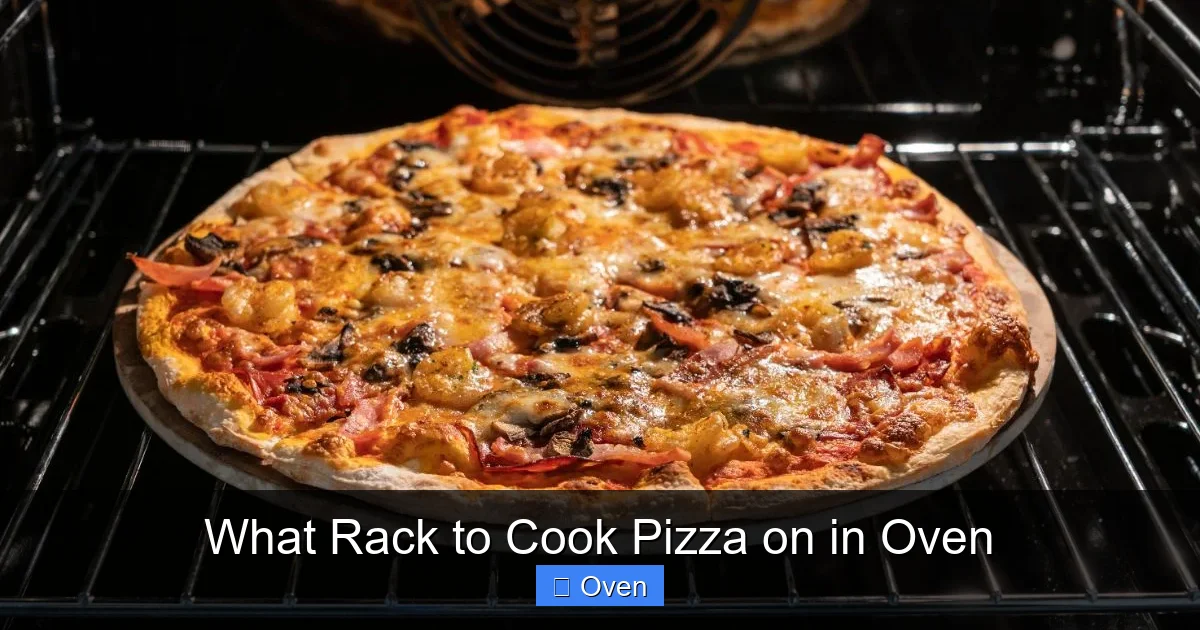
If your main goal is a crispy, crunchy crust that rivals a New York slice, you need to look toward the bottom rack. This is where the heat is most intense. By placing your pizza closer to the heat source, you are essentially “frying” the bottom of the dough with intense radiant heat.
Visual guide about What Rack to Cook Pizza on in Oven
Image source: breadopedia.com
Using a Pizza Stone
If you own a pizza stone, the bottom rack is almost certainly where it belongs. Pizza stones are designed to hold a massive amount of heat and transfer it directly into the dough. To do this effectively, the stone needs to be close to the bottom heating element. Most experts recommend placing the stone on the lowest rack position about 30 to 45 minutes before you are ready to bake. This “pre-heats” the stone so it can deliver that instant blast of heat to your dough.
The Risks of the Bottom Rack
While the bottom rack is great for crust, it is risky for toppings. If you place a pizza with lots of cheese and vegetables on the bottom rack without a stone, the cheese might burn before the dough is cooked. The bottom rack is best used with heavy-duty tools like stones or heavy cast iron pans that can protect the toppings while allowing the bottom to get hot.
The Top Rack: The Finisher
The top rack is rarely where you start a pizza, but it is a powerful tool for the “finish.” In professional kitchens, they often use high-heat infrared broilers to finish a pizza. In a home oven, the top rack serves a similar purpose through the broiler setting or simply by being closer to the top heating element.
Visual guide about What Rack to Cook Pizza on in Oven
Image source: recipes.net
The “Broil” Technique
If you have a pizza that looks perfectly cooked on the bottom but the cheese looks pale and unappetizing, you can move it to the top rack for a very short time. This is a high-stakes move. You must watch it closely through the oven window. A few seconds can be the difference between perfect golden cheese and a burnt mess. This technique is great for adding “leopard spotting” (those little charred bubbles) to the crust and cheese.
When to Avoid the Top Rack
Never start a raw pizza on the top rack. The heat is too direct and concentrated. You will end up with a pizza that looks finished on the outside but is completely raw and doughy on the inside. The top rack should be used for finishing, not for the heavy lifting of cooking the dough.
Comparing Cooking Methods: Pan vs. Stone vs. Screen
The tool you choose dictates the rack. Let’s break down the most common pizza-making tools and where they belong in your oven.
Pizza Pans and Baking Sheets
Pans are the most common tool for home cooks. They are easy to clean and provide a flat surface. For pans, stick to the middle rack. This ensures the heat reaches the top of the toppings and the bottom of the pan equally. If you are making something like how to cook a roast in a dutch oven, you know that heat retention in heavy pans is vital. The same applies here; a heavy pan on the middle rack provides a stable cooking environment.
Pizza Stones
Stones are the gold standard for crispy crusts. Because they are thick, they take a long time to heat up. As mentioned before, place these on the bottom rack. This allows the stone to soak up the heat from the bottom element and deliver it directly to your pizza base. Just remember to let the oven preheat for a long time—often 45 minutes to an hour—to ensure the stone is truly ready.
Pizza Screens
Screens are a middle ground between a pan and a stone. They allow air to circulate under the dough, which helps prevent a soggy bottom. Screens are best used on the middle rack. They are very efficient, so keep a close eye on your bake time to prevent the crust from becoming too hard or “biscuit-like.”
Summary Guide for Every Pizza Type
To make it easy for you, here is a quick cheat sheet for your next pizza night:
- Frozen Pizza: Middle rack. Follow the box instructions, but usually, the middle is best for even melting.
- Homemade Dough on a Baking Sheet: Middle rack. This ensures the toppings cook at the same rate as the dough.
- Homemade Dough on a Pizza Stone: Bottom rack. This maximizes the crust’s crunch.
- Thin Crust/Flatbreads: Middle or slightly lower rack. These cook very fast and need quick heat.
- Deep Dish/Pan Pizza: Middle rack. These need steady, even heat to cook through the thick layers of dough and cheese.
No matter which method you choose, remember that the most important factor is temperature. A hot oven is a happy oven. Whether you are making a simple cheese pizza or a complex gourmet creation, ensuring your oven is fully preheated is the first step to success. If you ever find yourself wondering about other oven tasks, like what temp to cook sweet potatoes in oven, you will see that temperature control is the universal secret to great cooking.
In conclusion, there is no single “correct” rack, but there is a “best” rack for your specific setup. If you want ease and consistency, go with the middle. If you want crunch, go with the bottom and a stone. If you want charred cheese, finish it on the top. Experiment, observe your oven’s hot spots, and eventually, you will be making restaurant-quality pizza in your own kitchen every single weekend.
Frequently Asked Questions
How do I know if my oven has hot spots?
You can test this by placing several pieces of bread on different parts of the oven rack at the same time. After a few minutes, check which ones brown the fastest. This will tell you where the heat is most concentrated.
Can I use a regular cookie sheet instead of a pizza stone?
Yes, you can! A regular baking sheet works perfectly fine on the middle rack. However, it won’t give you the same intense, even heat on the bottom of the crust that a pizza stone provides.
This usually happens because the oven wasn’t hot enough or the pizza was placed too high. If the heat doesn’t penetrate the bottom of the dough quickly, moisture gets trapped, resulting in a soggy base.
Should I use the convection setting for pizza?
Convection is great for even cooking, but it can be very aggressive. If you use it, consider lowering the temperature by about 25°F (15°C) to prevent the toppings from burning before the crust is done.
How long should I preheat my oven for pizza?
For standard baking, 10-15 minutes is usually enough. However, if you are using a pizza stone, you should preheat for at least 45 minutes to ensure the stone is fully saturated with heat.
Can I cook pizza in a toaster oven?
Yes, you can! However, toaster ovens have much smaller heating elements that are very close to the food. You should use the middle or lower rack and watch the pizza very closely to prevent burning.