How to Work an Air Fryer Oven
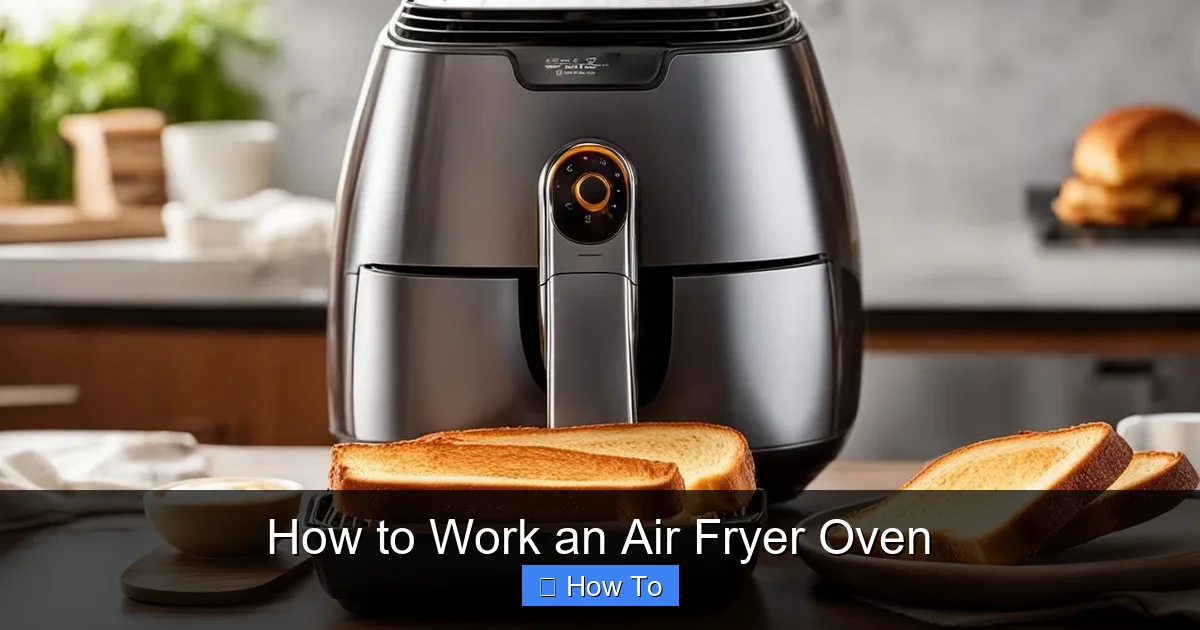
Master your air fryer oven with confidence! This guide covers everything from basic setup to advanced cooking tricks, ensuring you get juicy, crispy results with minimal oil.
Key Takeaways
- Set Up Right: Preheat, adjust racks, and use the correct tray for optimal airflow.
- Temperature & Time: Follow the 90‑degree rule and shorten cooking times by 20% compared to a conventional oven.
- Oil Matters: A light spray or brush of oil enhances crispness without excess calories.
- Cleaning Made Easy: Soak the basket and wipe the interior with warm, soapy water to keep flavors fresh.
- Energy Saver: Air fryer ovens use 30-40% less energy than a full‑size oven for the same meal.
📑 Table of Contents
- Getting Started: Why an Air Fryer Oven Is a Kitchen Game‑Changer
- 1. Unboxing and First Impressions
- 2. Setting Up for Success
- 3. Cooking Basics: Speed, Temperature, and Oil
- 4. Advanced Techniques for Flavor and Texture
- 5. Cleaning and Maintenance
- 6. Energy Efficiency: How Does It Stack Up?
- 7. Troubleshooting Common Issues
- Fiesta of Recipes to Try
- Conclusion: Your New Kitchen Companion
Getting Started: Why an Air Fryer Oven Is a Kitchen Game‑Changer
When you first hear “air fryer oven,” you might think it’s just another gadget to add clutter to your countertop. In reality, it Glasgow a powerful tool that marries the convenience of a toaster original oven with the health benefits of a deep‑fryer. By circulating hot air with a small fan, it cooks food quickly, reduces oil usage, and delivers that coveted crunch without the mess.
Let’s walk through the essential steps Positions to help you unlock the full potential of your new appliance. Whether you’re a seasoned cook or a beginner, this guide will keep you comfortable and confident.
1. Unboxing and First Impressions
What to Look For
When you first open your air fryer oven, make sure all components are present: the main unit, the rack, the tray or basket, and the user manual. Most models also come with a silicone mat that can be placed on top of the tray forخف سلام.
Powering It On
Plug in the unit and press the power button. You’ll see a brief LED indicator before the display lights up. Familiarize yourself with the touch screen or dial—most units have a simple interface: temperature, time, and preset modes.
2. Setting Up for Success
Pre‑Heat Like a Pro
Unlike a conventional oven, you don’t always need to pre‑heat. For most foods, a quick 3‑minute warm‑up gives the fan enough speed to circulate air efficiently. If your recipe calls for a crispy crust, set the temperature 10‑15°F higher than the standard oven setting.

Visual guide about How to Work an Air Fryer Oven
Image source: i0.wp.com
Adjusting the Rack
The rack is crucial for airflow. Place the food on the lowest level for a crispier finish, and move it up for gentler cooking—perfect for tender pastries or delicate fish.
Choosing the Right Tray or Basket
Some models feature a perforated basket for maximum airflow. If Víste a flat tray, place a silicone mat to catch drips without blocking the vents. A small paper towel can also help absorb excess moisture.
3. Cooking Basics: Speed, Temperature, and Oil
Temperature & Time Guidelines
Air fryer ovens typically cook 20–25% faster than a conventional oven. A handy rule: set the temperature to 90°F higher than the recipe suggests for a regular oven, and reduce the time by 20–25%. For example, if a chicken breast takes 30 minutes at 350°F in a conventional oven, try 30 minutes at 380°F in your air fryer oven.
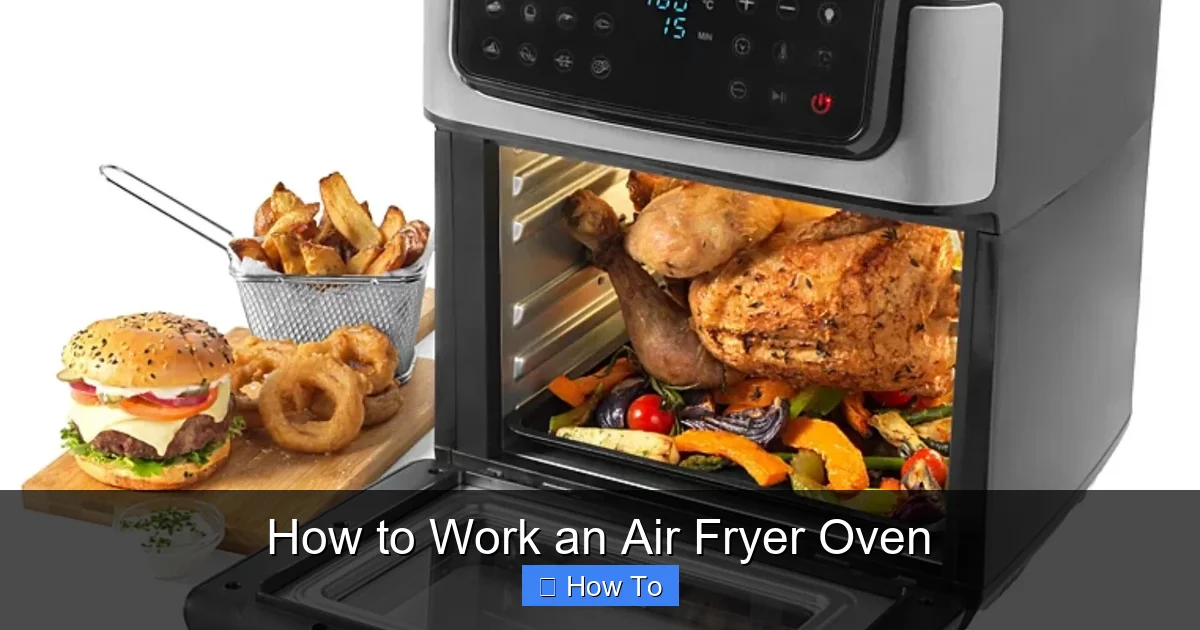
Visual guide about How to Work an Air Fryer Oven
Image source: kettleandtoasterman.co.uk
Oil Usage
One of the biggest benefits is using less oil. A light brush or spray of olive oil is enough to create a golden crust. If you’re cooking frozen foods—like chips—spray a tiny amount to enhance crispness. How to cook chips in an air fryer oven explains how to get that perfect crunch without the oil splash.
Stirring and Turning
Halfway through cooking, give the food a quick shake or turn with tongs. This ensures even browning and prevents one side from burning.
4. Advanced Techniques for Flavor and Texture
Using the Air Fryer Rack for Rotisserie
Many air fryer ovens include a rotisserie attachment. This is perfect for whole chickens or pork loin. The rotating motion ensures uniform cooking and a crispy skin.
Layering Flavors with Seasoning Layers
Before cooking, drizzle a thin layer of oil, then sprinkle herbs, spices, or cheese. The high heat will caramelize the top layer, giving a savory crust that’s impossible to replicate in a regular oven.
Batch Cooking Without Crowding
Don’t overload the basket. Air needs space to circulate, so cook in batches if you have a large meal. This keeps each piece crisp and prevents steaming.
5. Cleaning and Maintenance
Routine Cleaning
After each use, allow the unit to cool, then wipe the interior with a damp cloth. The basket and tray are usually dishwasher safe—just check the manual. For stubborn grease, soak the basket in warm, soapy water for 10raal.
Deep Cleaning the Fan and Heating Element
Every few months, remove the fan guard and wipe any dust with a soft brush. This keeps the air flow optimal and extends the life of your appliance.
Pro Tip: Use a Silicone Mat
Place a silicone mat on the tray to catch drips and make cleanup easier. It’s also a great surface for pre‑marinating meats before you cook.
For a full guide on cleaning, check out How to Clean An Oven Style Air Fryer.
6. Energy Efficiency: How Does It Stack Up?
Air fryer ovens are not only quicker but also more energy efficient emerald. Accordingರೆದ, they use about 30–40% less electricity than a conventional oven for the same meal. How Much Energy Does An Air Fryer Use Compared To An Oven 2 dives deep into the numbers and helps you make an informed choice.
7. Troubleshooting Common Issues
Food Not Crispy
Double-check the temperature. If the oven is too low, the food will steam instead of crisping. Also, avoid overcrowding the basket.
Uneven Cooking
Make sure the fan is unobstructed and that you’re using the correct rack level. Turning or shaking halfway through can also help.
Odor or Smoke
Clean the unit thoroughly before the next use. Residual oil or food particles can cause smoke.
Fiesta of Recipes to Try
Air fryer ovens are incredibly versatile. Here are a few quick dishes to get you started:
- Chicken Wings: 380°F for 25 minutes, toss halfway.
- Salmon Fillets: 400°F for 12 minutes, glaze with a honey‑soy mix.
- Roasted Potatoes: 425°F for 30 minutes, sprinkle rosemary.
- 350°F for 20 minutes, add a sprinkle of parmesan.
արեն
Experiment with different proteins, vegetables, and seasonings. The air fryer oven opens up a world of possibilities.
Conclusion: Your New Kitchen Companion
Working an air fryer oven is a blend of simple science and creativity. By mastering the basics—temperature, time, airflow, and oil—you’ll consistently produce tasty, crispy meals that impress. Remember to keep it clean, stay mindful of energy usage, and most importantly, have fun experimenting.
Ready to elevate your cooking? Grab a recipe, set the temperature, and let the air fryer magic begin!
Frequently Asked Questions
What foods can I cook in an air fryer oven?
Almost anything from frozen snacks to fresh meats, vegetables, and even desserts. The key is to allow space for air circulation.
Do I need to preheat my air fryer oven?
Most recipes don’t require preheating, but a quick 3–5 minute warm‑up can help achieve a crispier finish.
How do I prevent food from sticking to the basket?
Lightly oil the basket or use a silicone mat. Alternatively, place a paper towel to absorb excess oil.
Can I use my air fryer oven for baking bread?
Yes, but use the lowest rack level and keep the temperature moderate to avoid over‑browning.
What is the best way to clean a stubborn grease build‑up?
Soak the basket in warm, soapy water for 10 minutes, then scrub with a soft brush. Rinse and dry thoroughly.
Is an air fryer oven more energy‑efficient than a conventional oven?
Yes—on average, it uses 30–40% less energy for the same cooking tasks, making it both cost‑effective and eco‑friendly.