How to Adapt Oven Recipe for Air Fryer
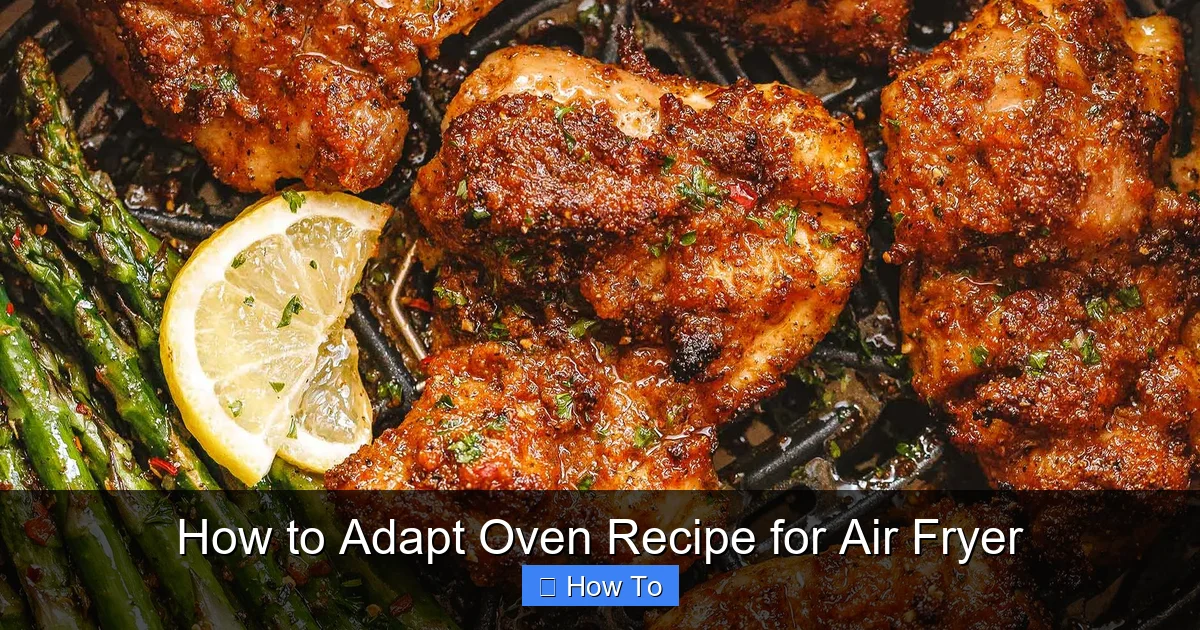
Adapting oven recipes for your air fryer isn’t as tricky as it sounds! With a few simple tweaks to temperature, cooking time, and pan selection, you can enjoy the same delicious results in a fraction of the time. Start converting your favorite oven recipes today and unlock the magic of air frying.
Key Takeaways
- Temperature Adjustment: Reduce oven temperatures by 25°F to prevent over-browning and ensure even cooking.
- Cooking Time Reduction: Air fryers cook faster—typically 20–30% quicker—than conventional ovens.
- Pan Selection: Use perforated trays or air fryer-safe pans to allow proper airflow and crispiness.
- Check for Doneness: Always verify internal temperature and texture, as air fryers can cook unevenly if overcrowded.
- Avoid Common Mistakes: Don’t skip preheating, overcrowd the basket, or ignore recipe-specific adjustments.
- Practical Examples: Convert classics like chicken wings, baked potatoes, and fish with minor tweaks for perfect results.
[FEATURED_IMAGE_PLACEHOLDER]
📑 Table of Contents
Understanding Air Fryer Cooking vs. Oven Cooking
Let’s start with the basics. Air fryers and ovens work differently, which is why you can’t just toss an oven recipe into your air fryer and expect the same results. The key difference lies in how heat circulates. Air fryers use a powerful fan to blast hot air directly onto food, creating a crispy exterior without deep-frying. Ovens rely on radiant heat, which cooks food more slowly and evenly from all sides.
Why does this matter? Because the intense, rapid airflow in an air fryer means food cooks faster and browns more quickly. If you don’t adjust your oven recipe, you might end up with overcooked edges and undercooked centers—or worse, a burnt mess. The good news? Adapting your favorite oven recipes is straightforward once you know the rules.
Temperature and Circulation Differences
Air fryers typically run hotter and more efficiently than ovens. To compensate, reduce oven temperatures by 25°F (about 15°C). For example, if a recipe calls for 375°F in the oven, set your air fryer to 350°F. This prevents the outside from burning before the inside is fully cooked.
Pro tip: If your recipe already uses convection settings, you may not need to reduce the temperature as much. Always check your air fryer’s manual for specific guidance.
Adjusting Temperature and Cooking Time
Once you’ve mastered temperature adjustments, the next step is rethinking cooking time. Air fryers can cut cooking times by 20–30%, so keep a close eye on your food. For instance, chicken wings that take 40 minutes in the oven might be ready in 25–30 minutes in the air fryer.
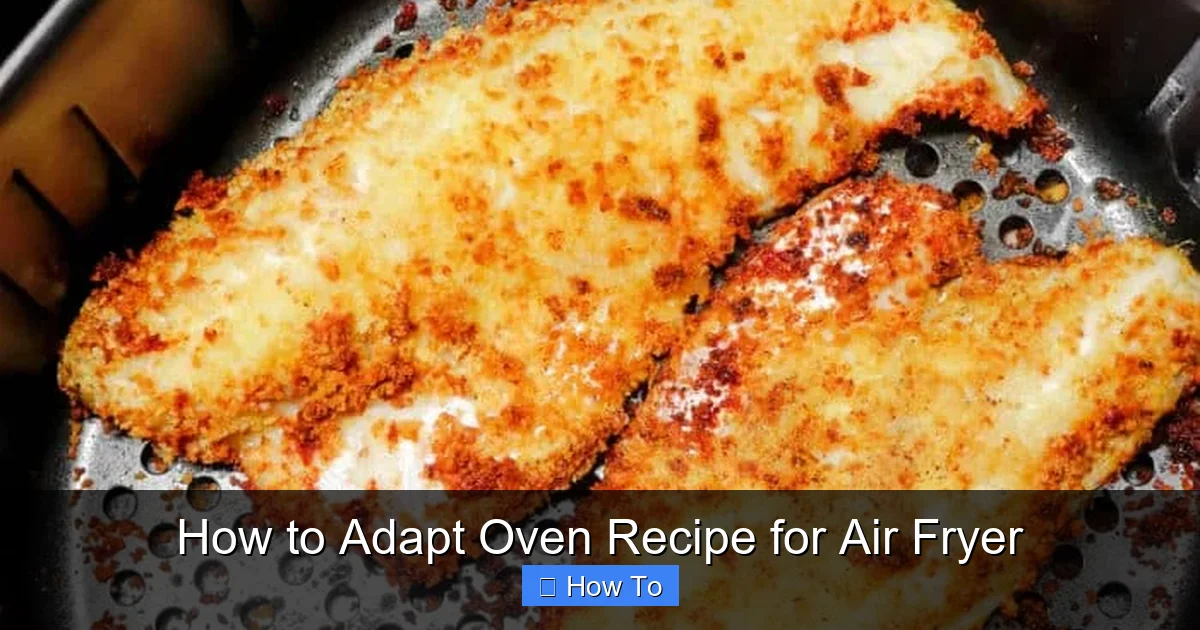
Visual guide about How to Adapt Oven Recipe for Air Fryer
Image source: m.media-amazon.com
Here’s a simple formula: Start with 75% of the original cooking time, then check for doneness. If needed, add 5-minute increments until the food is cooked through.
Real-World Examples
Let’s say you’re adapting a recipe for oven-roasted potatoes. Instead of 400°F for 35 minutes, try 375°F for 25 minutes. Shake the basket halfway through for even crispiness.
Another example: Baked chicken breasts that usually take 25 minutes at 375°F in the oven can be air-fried at 350°F for 18–20 minutes. Use a meat thermometer to confirm they hit 165°F internally.
Choosing the Right Pan and Accessories
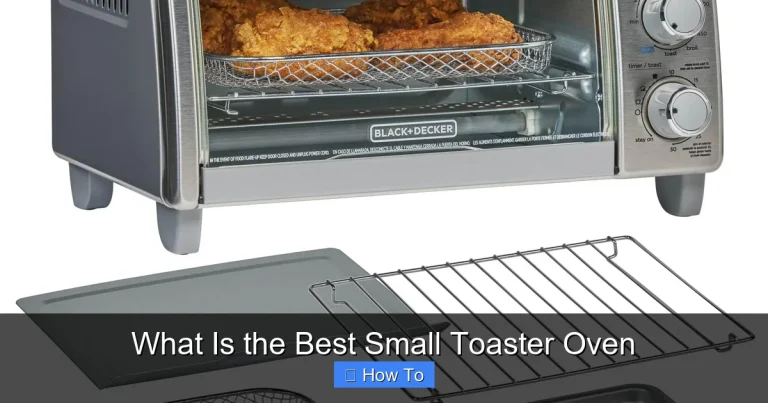
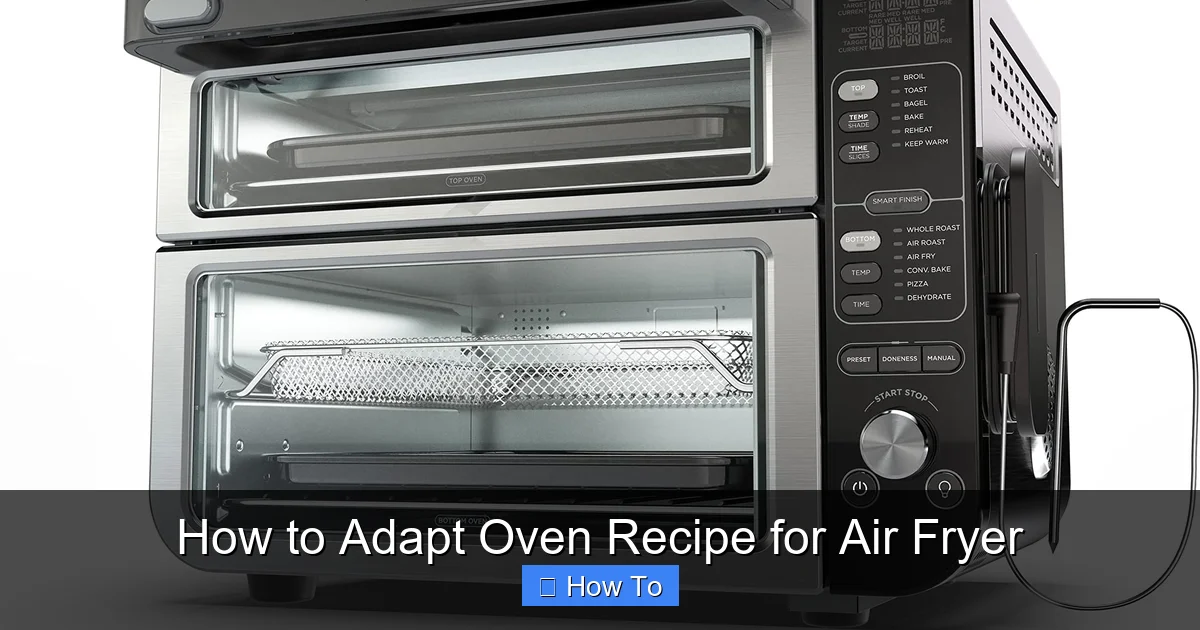
Not all cookware works in an air fryer. You’ll need pans that allow air to circulate freely. Perforated trays, wire racks, and air fryer-safe baskets are ideal. Avoid glass or ceramic dishes, as they can block airflow and lead to soggy results.
Visual guide about How to Adapt Oven Recipe for Air Fryer
Image source: temeculablogs.com
Size matters too. Don’t overcrowd the basket. If your recipe serves four, cook in batches if necessary. Overcrowding traps steam and prevents crispiness.
Rack and Tray Tips
Using the right rack position can make a big difference. Most air fryers have a single rack, but if yours has multiple, place food on the middle rack for even heat distribution. For items like air fryer racks in ovens, ensure there’s enough space between the food and the heating element.
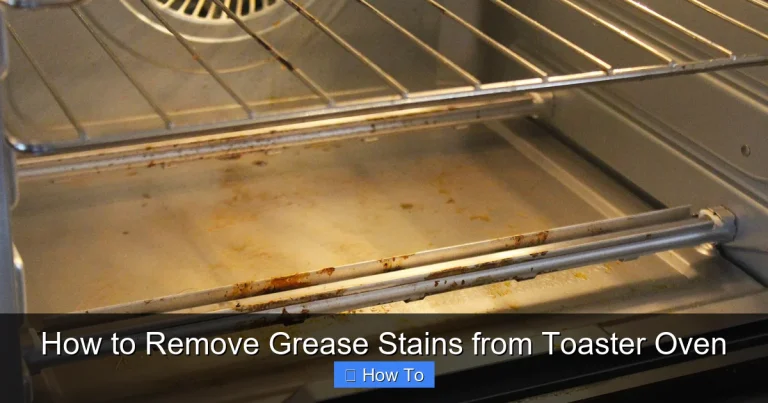
Pro tip: Line the bottom tray with parchment paper to catch drips, but avoid covering the entire surface. This maintains airflow while making cleanup easier.
Checking for Doneness
Air fryers can be tricky because food cooks so quickly. You’ll need to rely on visual cues, texture, and internal temperature. A meat thermometer is your best friend here. For example, chicken should reach 165°F, while fish like salmon should hit 145°F.
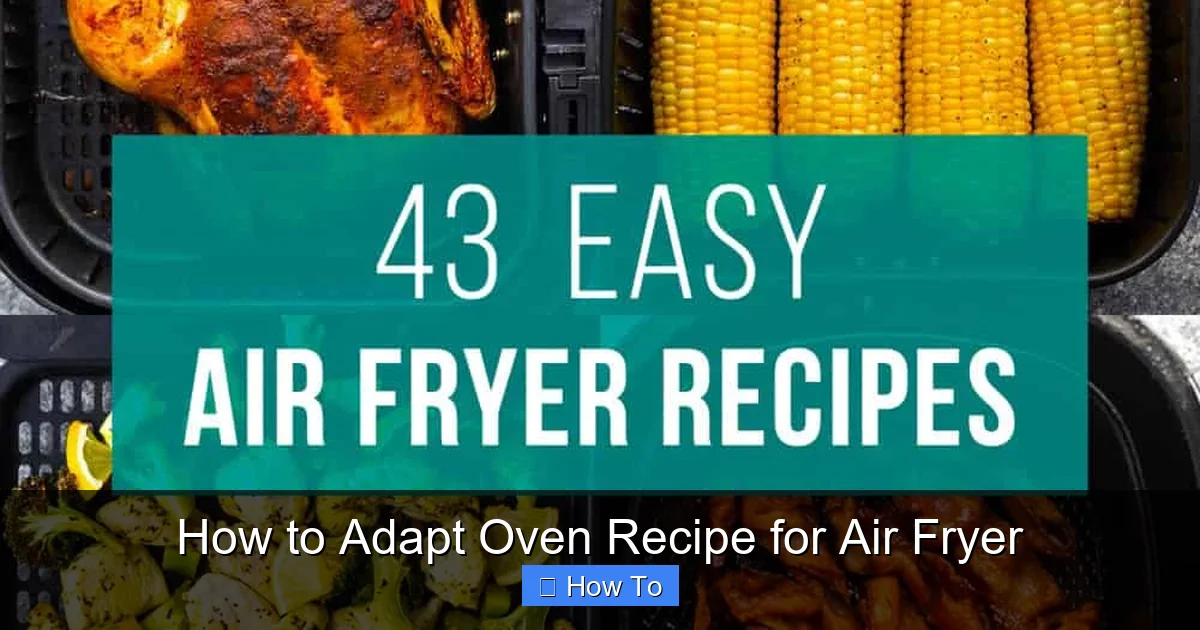
Visual guide about How to Adapt Oven Recipe for Air Fryer
Image source: sweetpeasandsaffron.com
Visual checks: Look for golden-brown edges, crispy textures, and bubbling juices. If the outside is browning too fast, lower the temperature by 10–15°F and extend the cooking time slightly.
Testing Methods
For items like baked potatoes, pierce the skin with a fork. If it’s tender all the way through, it’s done. For breaded foods, check that the coating is crispy and golden. If not, give it another 2–3 minutes.
Pro tip: Open the air fryer basket midway through cooking to flip or shake the food. This ensures even browning and prevents sticking.
Common Mistakes to Avoid
Even experienced cooks make mistakes when adapting oven recipes for air fryers. Here are the most common pitfalls and how to avoid them:
- Overcrowding the basket: This traps steam and leads to soggy food. Cook in batches if needed.
- Ignoring temperature adjustments: Not reducing the temperature can result in burnt exteriors and undercooked interiors.
- Skipping preheating: While not always necessary, preheating can help achieve crispier results, especially for items like chicken wings.
- Using the wrong pans: Metal pans that block airflow can prevent proper cooking. Stick to perforated or wire racks.
Troubleshooting Issues
If your food is undercooked, try increasing the temperature by 10°F and adding 2–3 minutes. If it’s overcooked, reduce the temperature and check every 5 minutes. Remember: Air fryers vary by model, so always test a small batch first.
Practical Examples: Converting Popular Oven Recipes
Ready to put your skills to the test? Here are three popular oven recipes and how to adapt them for your air fryer:
1. Chicken Wings
Oven method: Bake at 400°F for 40–45 minutes, flipping halfway.
Air fryer method: Cook at 375°F for 25–30 minutes, shaking the basket every 10 minutes. For extra crispiness, broil for the last 2 minutes.
2. Baked Potatoes
Oven method: Bake at 400°F for 45–60 minutes.
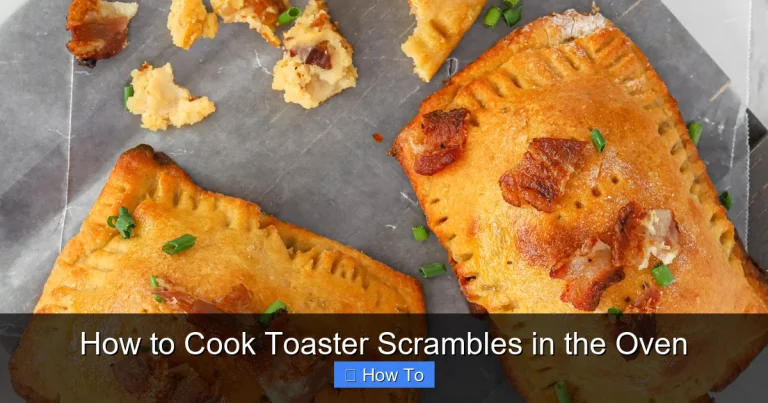
Air fryer method: Pierce the skin, rub with oil, and cook at 375°F for 30–35 minutes. Flip halfway for even cooking.
3. Salmon Fillets
Oven method: Bake at 375°F for 12–15 minutes.
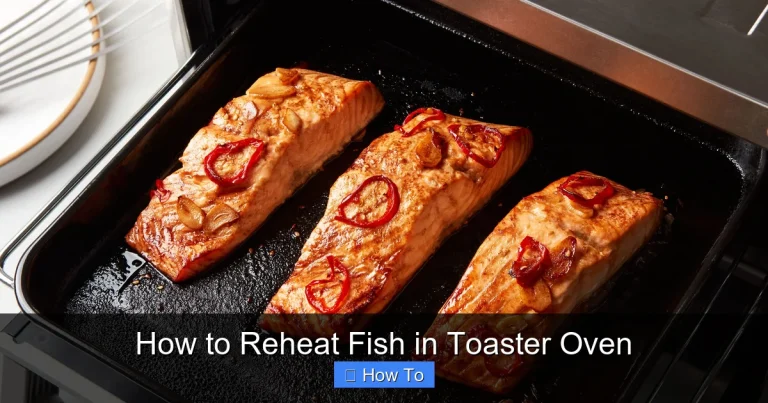
Air fryer method: Cook at 350°F for 8–10 minutes. Check for doneness with a fork; the flesh should flake easily.
Conclusion
Adapting oven recipes for your air fryer is all about understanding the differences in heat and airflow. By adjusting temperature, reducing cooking time, and using the right pans, you can enjoy crispy, flavorful results without the hassle. Whether you’re making chicken wings, baked potatoes, or salmon, the air fryer is a game-changer once you know the tricks. Start experimenting today, and soon you’ll be converting all your favorite oven recipes with confidence.
Frequently Asked Questions
Can I use the same temperature for air fryer as oven?
Not quite. Air fryers cook faster and hotter, so reduce oven temperatures by 25°F (about 15°C) to prevent over-browning. Always check your air fryer’s manual for specific guidance.
How do I adjust cooking time for air fryer?
Start with 75% of the original cooking time and check for doneness. If needed, add 5-minute increments until the food is fully cooked.
What pans work best in an air fryer?
Use perforated trays, wire racks, or air fryer-safe baskets to allow proper airflow. Avoid glass or ceramic dishes that block circulation.
How do I check if my food is done?
Use a meat thermometer for proteins and visual cues like golden-brown edges or crispy textures. For vegetables, check tenderness with a fork.
Can I adapt all oven recipes for air fryer?
Most recipes can be adapted, but some may require minor tweaks. Avoid recipes with too much liquid or batter, as they may not crisp up properly.
What are common mistakes to avoid?
Don’t overcrowd the basket, skip temperature adjustments, or use the wrong pans. Always test a small batch first to perfect your technique.